Furnace Repair in Montana
Homes in Montana need heat for more months of the year than in 45 of the other 49 states.
Tell us about the job
Takes about a minute. No obligation.
- 15°Fwinter overnight low where people live
- 10 monthsof heat, September through June
- $7.77 per million Btuwhat homes paid for natural gas in 2024 (Btu means British thermal units, a measure of heat)
- 1,690winter storms from 2015 to 2024
Montana runs furnaces harder than most Ten months of heat, nights near 15°F
- Coldest nights in Daniels County, mildest in Sanders County
- Winter nights average 15°F where people live
- Heat runs September through June
- 1,690 winter storms from 2015 to 2024
- Climate zone 6B across the state
- 18% of homes lost power a day or more in 2024
Montana storms hit hard, and outdoor units take the damage
Furnaces here start up in September and most don't shut down again until June. That first cold snap finds whatever was already weak. An igniter that barely lit last spring, a flame sensor coated in a season of residue, a blower motor that was making noise before anyone shut it off for the summer. None of that gets better sitting idle. It shows up the first night it has to work.
Montana needs heat for more months of the year than most of the country. Ten months of a furnace cycling on and off wears on the parts inside it more than a short season would. If yours is acting up in the first weeks of the season, that's not bad luck. That's the part that was already going to fail this year, failing now instead of later.
Ten months of run time wears parts down faster
Nights average 15°F through December, January and February, and the furnace runs through all of it without a break until June. That's a long stretch for an igniter or a blower motor to carry the load without a rest. Catch a furnace while it's still just acting up, not dead, and there's time to fix it before the coldest nights of the year ask the most of it.
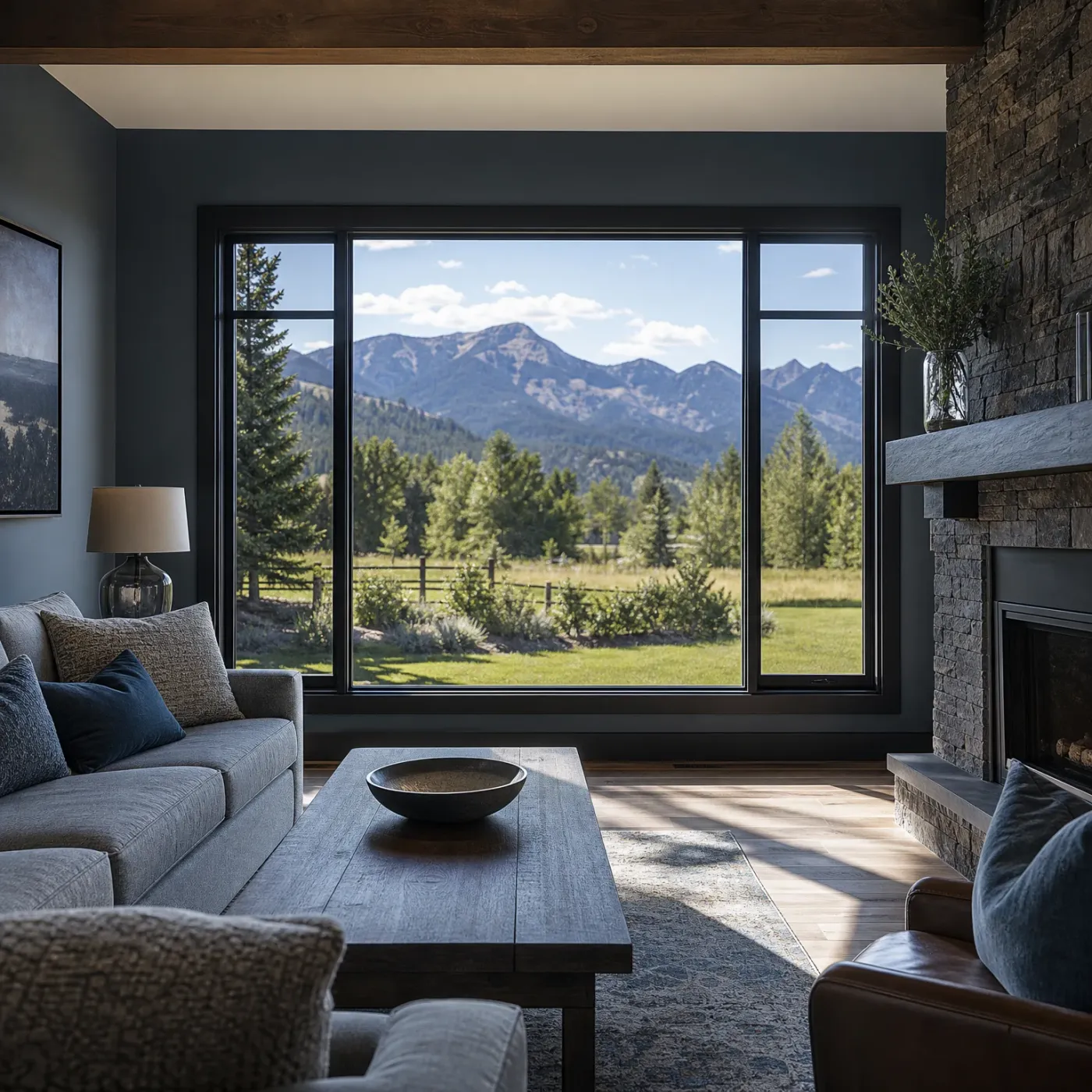
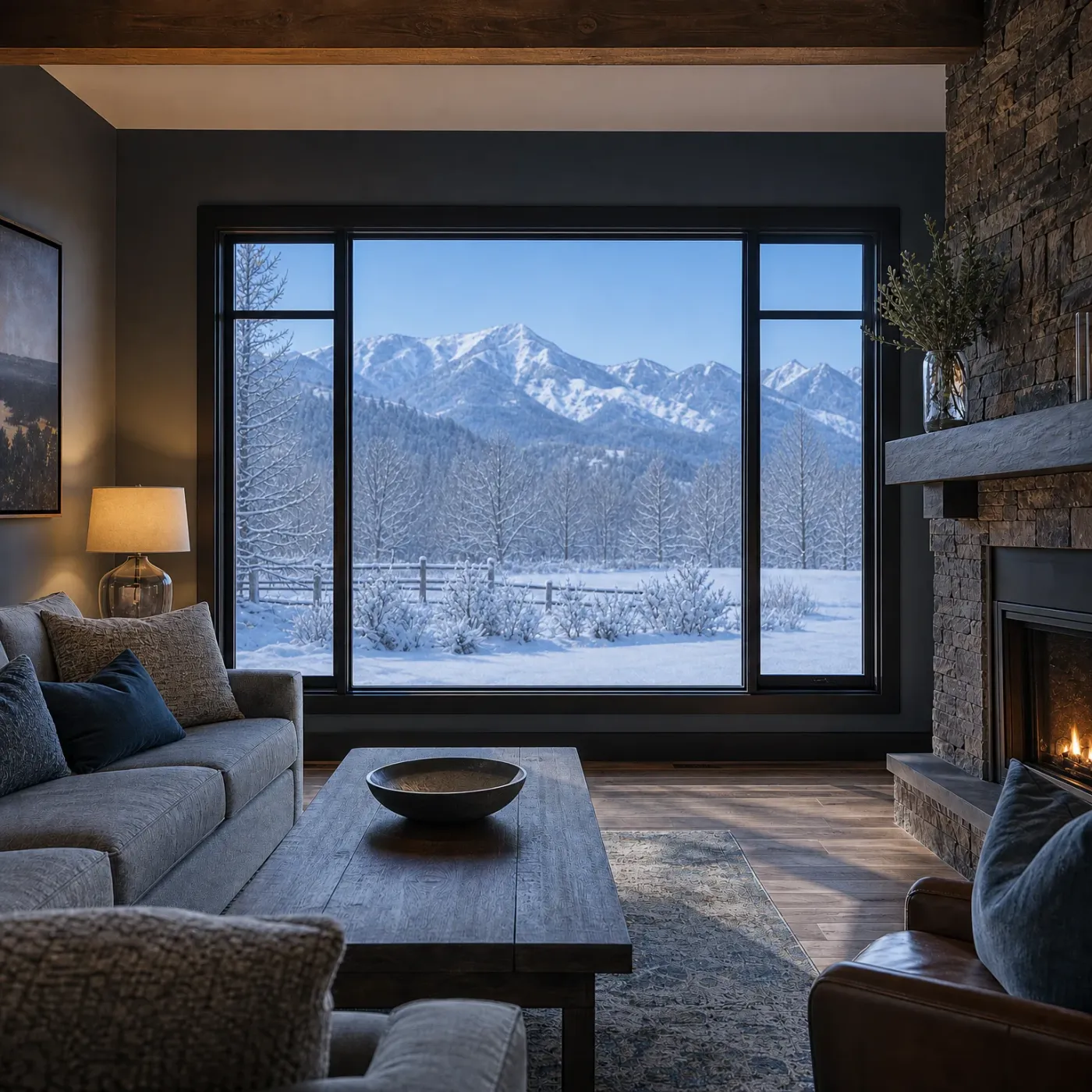
1 month of cooling, in July
10 months of heat, September through June
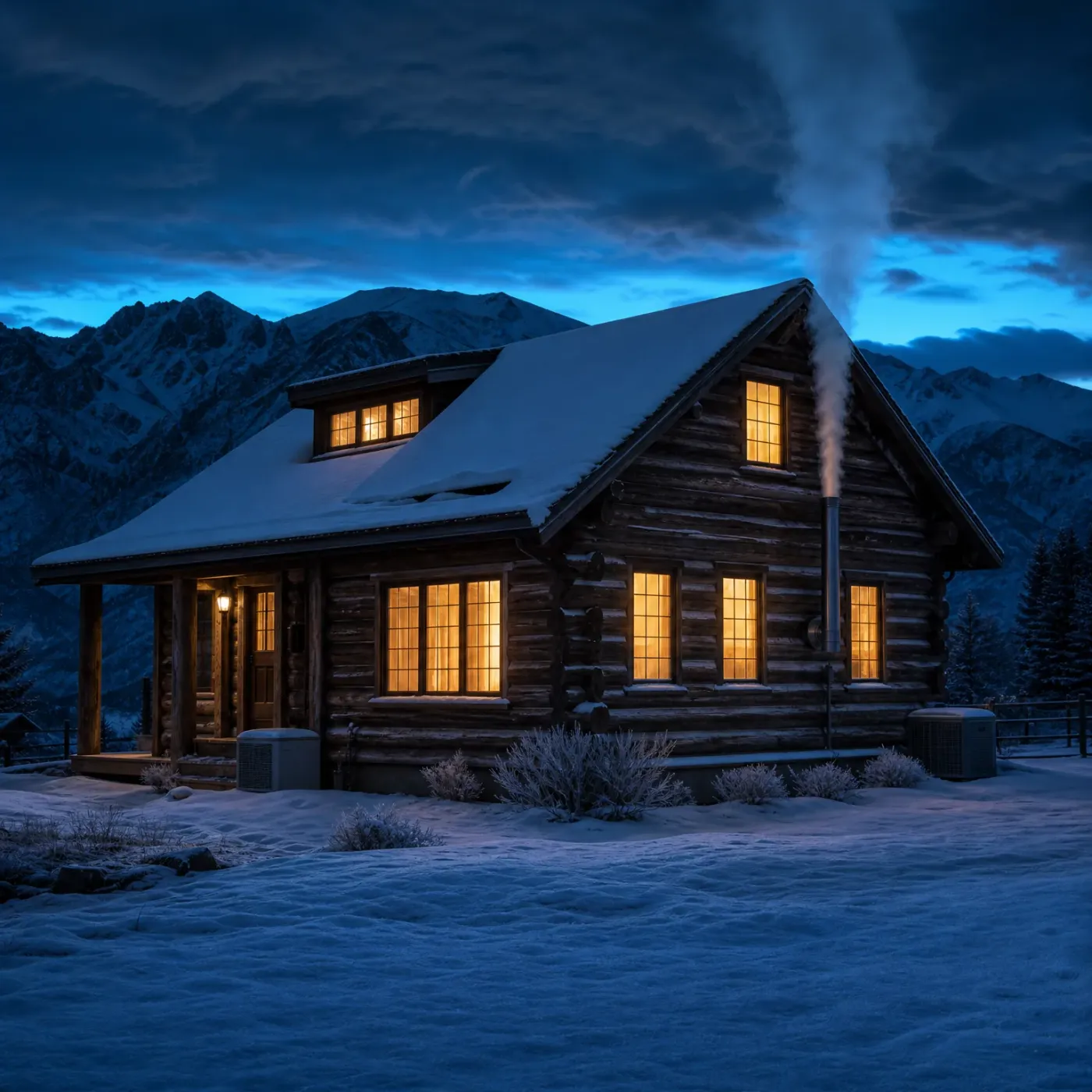
Montana isn't one furnace season. Park County homes need heat about 12 months a year, the longest stretch in the state. Yellowstone County needs it for about 9, the shortest here. That gap carries into how hard the equipment works over its life.
Beaverhead County homes need about 36% more heat over a year than homes in Yellowstone County. A furnace in Beaverhead is cycling on more nights, more hours at a time, than one in Yellowstone doing the same job. Over several winters that shows up as wear.
Nights are coldest in Daniels County, averaging 3°F across December, January and February. Sanders County stays mildest at 20°F. A furnace working against 3°F air pushes harder every time it fires than one where winter nights sit closer to 20. That strain lands on the same parts. The igniter. The blower motor. The heat exchanger.
None of this says why. There's no lake or mountain range in the numbers, just the difference between one county and another. A furnace in Daniels County or Park County has had more cold nights and more months of runtime to wear something out than one in Sanders or Yellowstone. Where a furnace sits on this map is worth knowing before guessing what's wrong with it.
What does a furnace in Montana face?
How cold do winter nights get?
15°Faverage overnight low where people live
North Dakota4°F
Hawaii65°F
How many months does the heat run?
10 monthsof heating a year
Hawaii0 months
Alaska12 months
What does natural gas cost?
$7.77per million Btu, what homes paid in 2024
Montana$7.77
Hawaii$53.25
How often do storms hit?
223severe weather events per county from 2015 to 2024
Alaska5
Wyoming1,057
How many homes lost power for a day or more?
18%of homes in 2024
Arizona7%
Maine54%
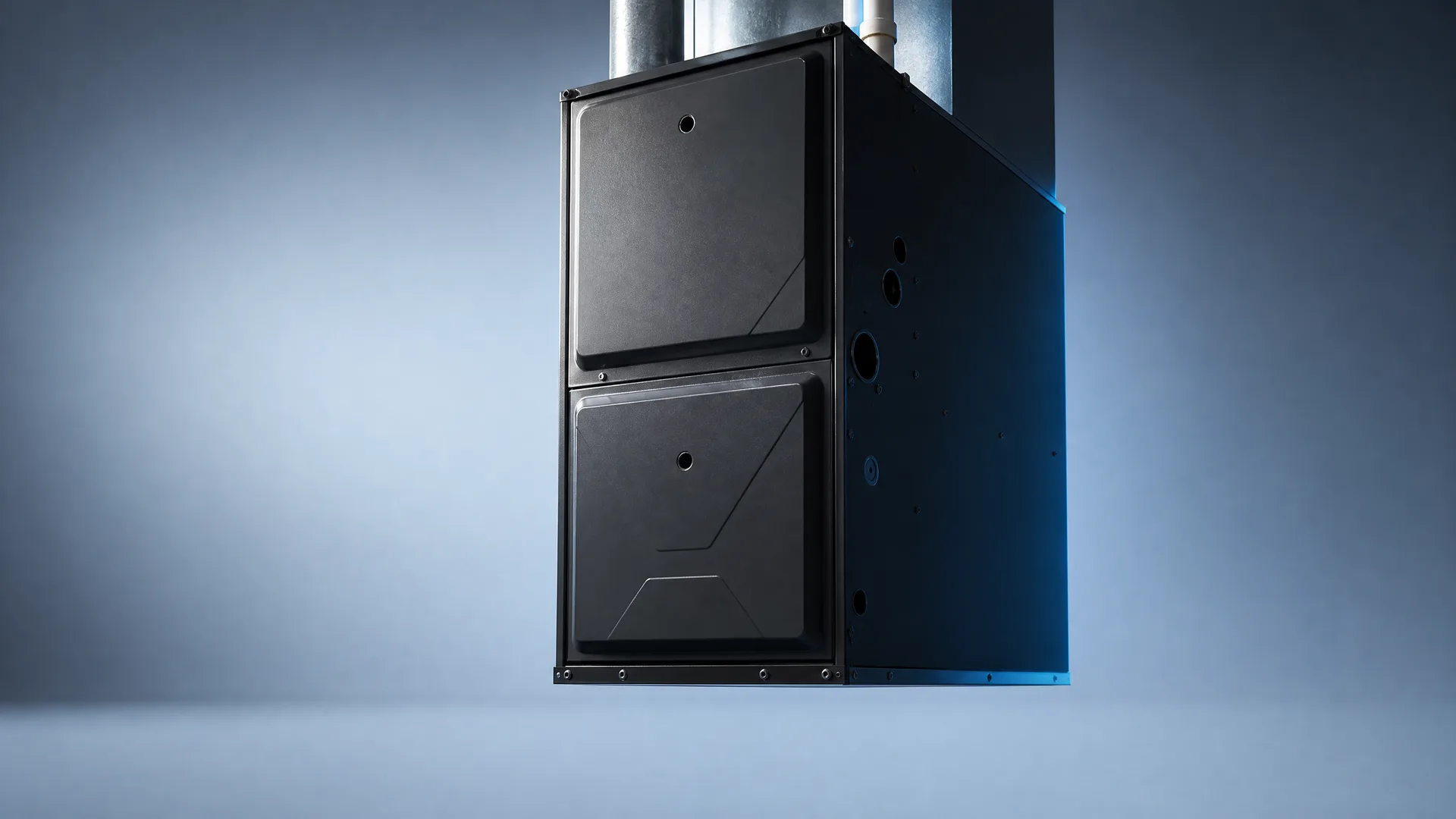
What a struggling furnace sounds and feels like
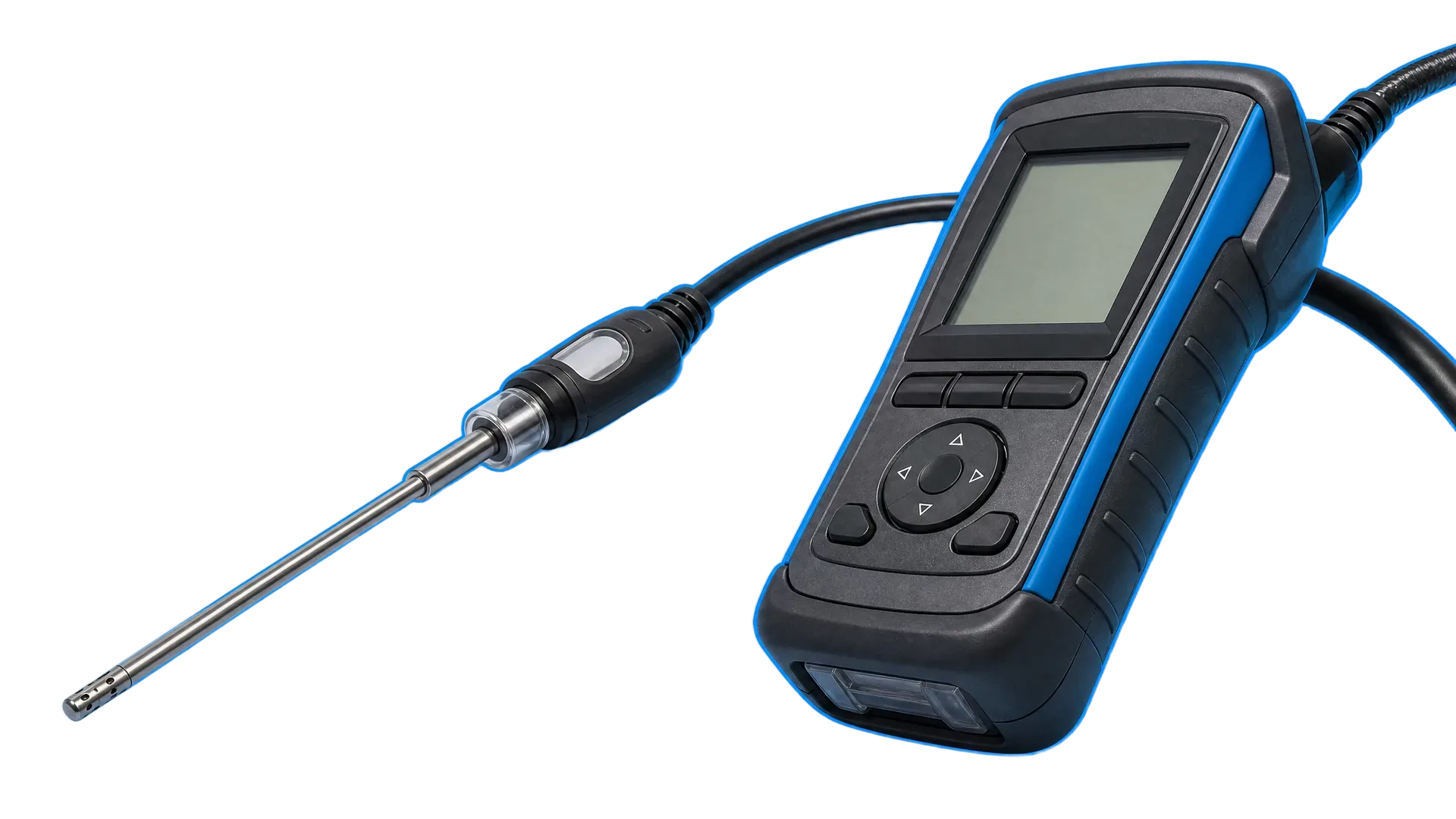
A furnace usually gives some warning before it quits outright. It might take several tries to light instead of catching right away, or the flame looks yellow and ragged instead of a steady blue. The blower might kick on louder than it used to, or keep running after the house has already warmed up. Some furnaces short cycle, firing up and shutting off again before finishing a full heating cycle. Others blow air that never gets properly warm, so the system runs and runs and the house still feels cool. A burning or metallic smell in the first minutes after startup is worth paying attention to, especially if it lingers. So is a furnace that trips its breaker or won't stay lit no matter how many times it's reset. None of these are things to watch and wait on. A furnace that's struggling to start is a furnace that's going to stop starting, usually on the night it's needed most.
Deciding whether to fix it or replace it
A furnace is worth fixing when the problem is one part doing its job badly. An igniter, a flame sensor, a blower motor, a pressure switch. Swap the part and the rest of the furnace goes back to work like nothing happened. The heat exchanger is different. It can't be swapped out on its own without replacing most of what's around it, so a cracked one is worth harder questions. Age matters less than how the furnace has been running. A furnace that's needed a repair every year for the last few years is telling you something different than one that's run clean for a decade and just had its first bad igniter. The second one is a repair. The first one is a pattern, and patterns usually end with a part failing that's expensive enough to make the whole furnace worth replacing instead. Furnaces don't fail gracefully. They fail at night, in the cold, usually during the stretch when they're working hardest. A furnace already showing signs of trouble in mild weather is not going to hold up better once the real cold sets in.
A normal house, just a long season
Half the homes in Montana were built in 1981 or earlier, half in 1981 or later, and that split doesn't point to anything unusual going on behind the wall. Most houses here are detached single-family homes, the kind any furnace repair crew sees every day. Mobile homes make up less than a tenth of the state's housing. The same igniters, flame sensors and blower motors fail the same ways here as anywhere else. What's different in Montana is how many months a furnace spends running, not what kind of house it's running in.
A furnace acting up in a Montana winter won't get better on its own.
Tell us about the job
Takes about a minute. No obligation.
Fill out the form once, and a licensed Montana contractor follows up.