Furnace Installation in Montana
Homes in Montana need heat for more months of the year than in 45 of the other 49 states.
Tell us about the job
Takes about a minute. No obligation.
- 15°Fwinter overnight low where people live
- 10 monthsof heat, September through June
- $7.77 per million Btuwhat homes paid for natural gas in 2024 (Btu means British thermal units, a measure of heat)
- 1,690winter storms from 2015 to 2024
Montana sees storms and outages often Sweet Grass County gets hit hardest
- Coldest nights in Daniels County, mildest in Sanders County
- Winter nights average 15°F where people live
- Heat runs September through June
- 1,690 winter storms from 2015 to 2024
- Climate zone 6B across the state
- 18% of homes lost power a day or more in 2024
Montana's housing is nothing unusual
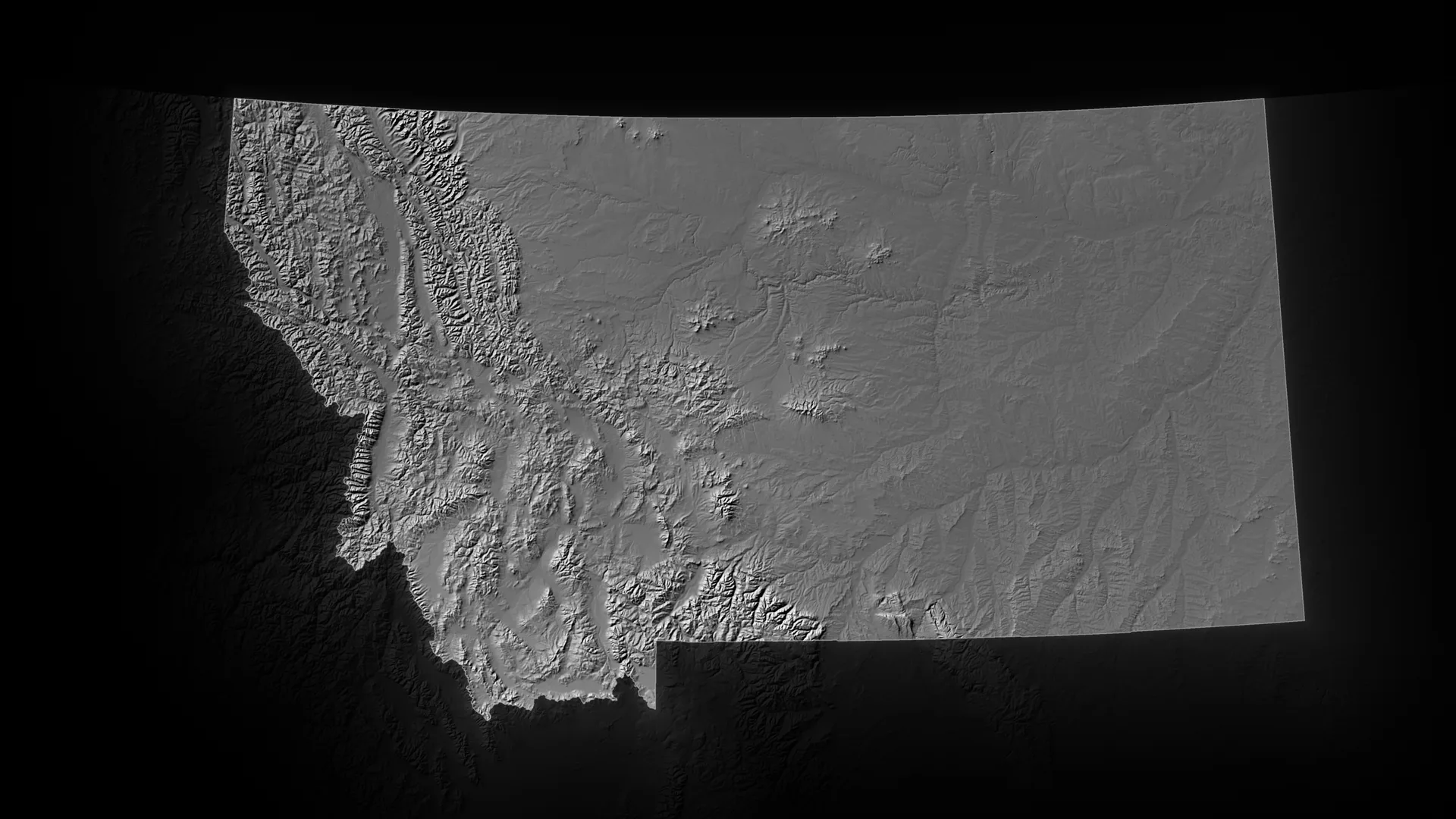
Montana homes are about down the middle on age, half built in 1981 or earlier, half after. Most of the state, 73.3%, is standard detached or attached single-family houses, the kind any licensed installer sizes furnaces for every day. Mobile homes make up less than a tenth of the stock. A standard-size, standard-efficiency furnace fits the great majority of homes here, including the older ones, as long as the one going in matches the one coming out or the house it's heating.
Daniels County has the coldest winter nights in the state, averaging 3°F across December, January and February. A furnace there is sized to that cold, not to a mild night, because it has to keep up on the nights well below that average too.
Sanders County's winter nights average 20°F over the same three months, the mildest in the state. The furnace is still sized for the house, but the load it's working against is lighter than Daniels County's. Where you fall between those two tells the installer what the furnace has to be ready for.
Ten months of heat, two months off
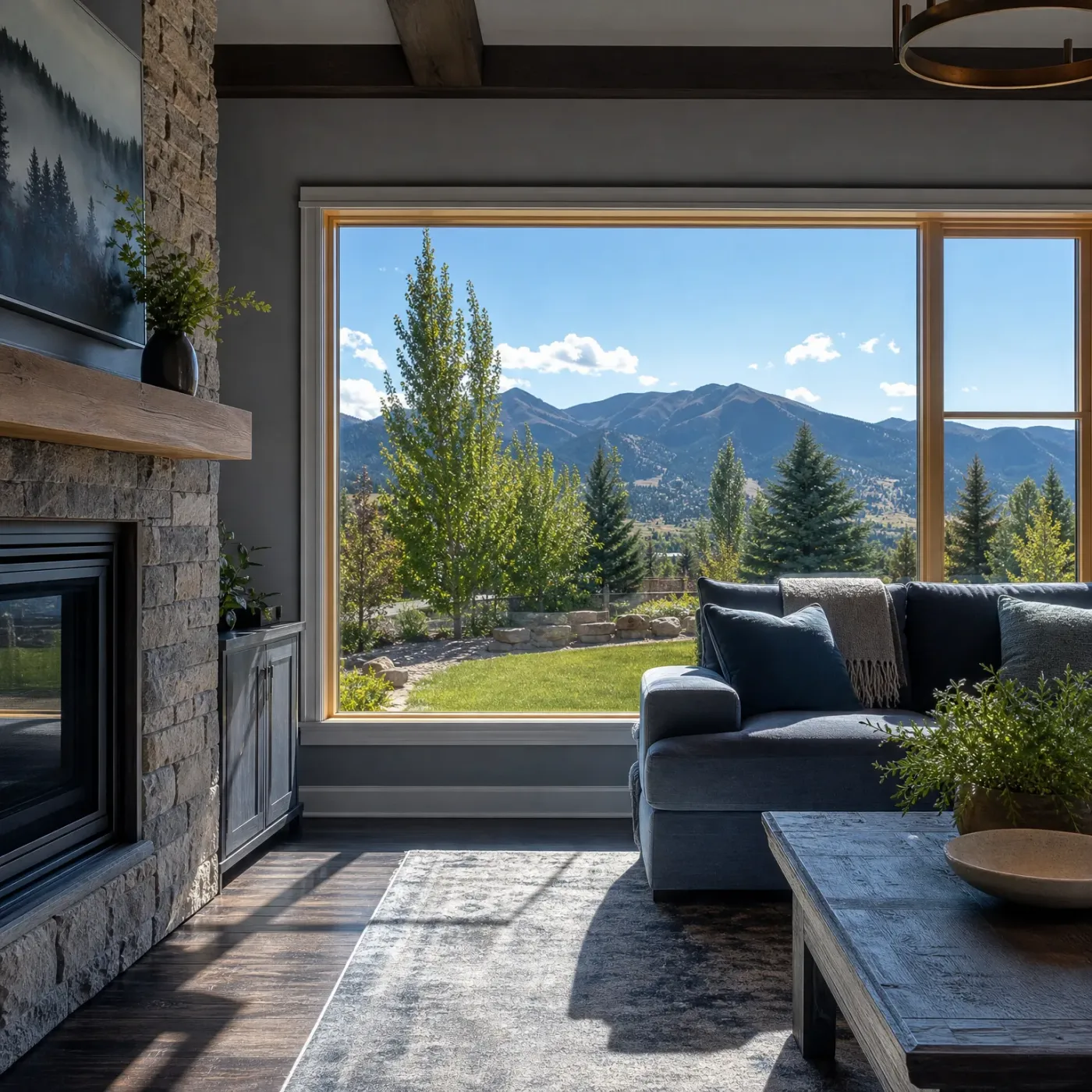
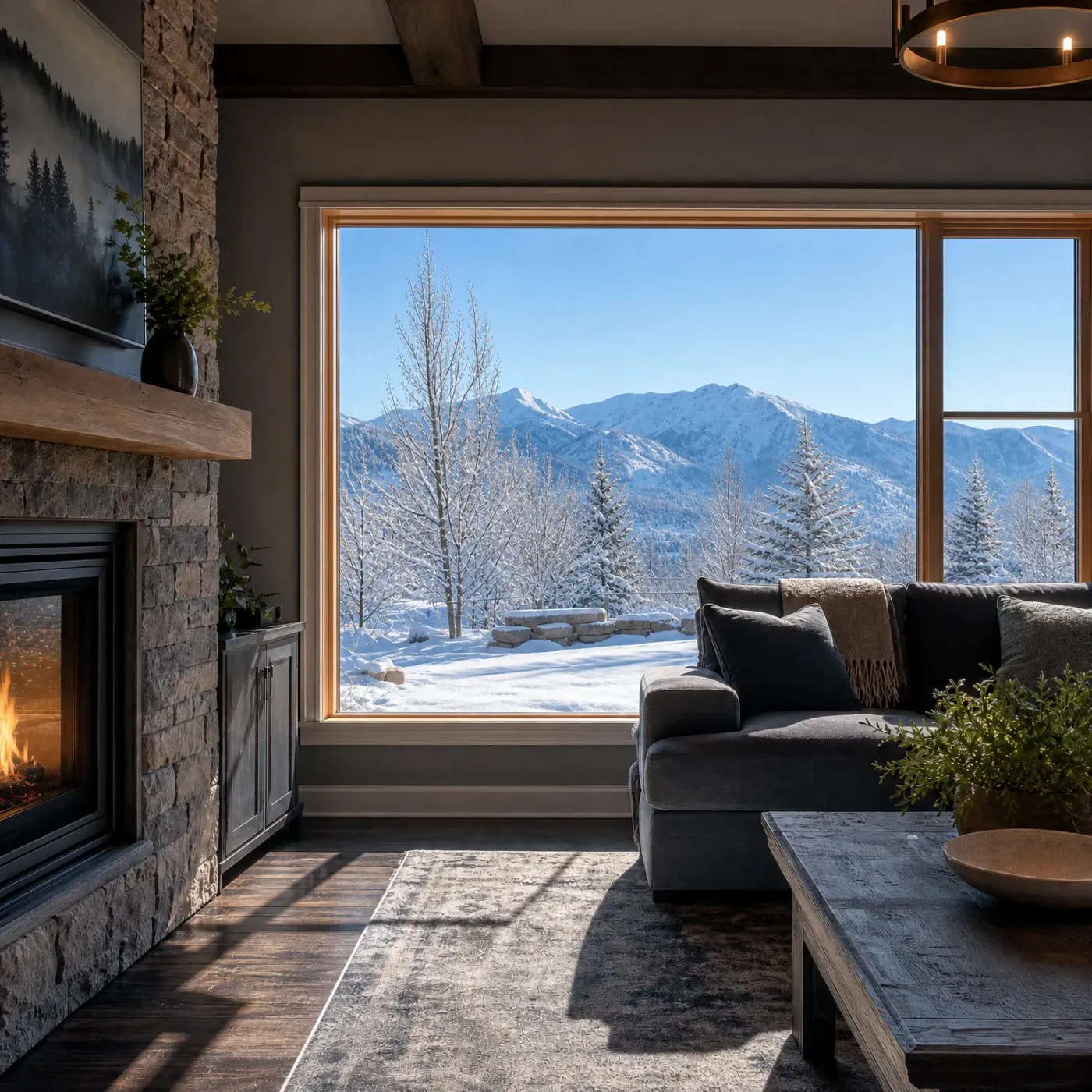
Furnaces in Montana run September through June. That's ten months, more than all but a handful of states ask of their heat. August is what's left. If yours is getting old or acting up, that's the month to get the new one in, before the first cold night makes the decision for you. A failed furnace in September is an emergency. The same job in August is just a job.
1 month of cooling, in July
10 months of heat, September through June
What does a furnace in Montana face?
How cold do winter nights get?
15°Faverage overnight low where people live
North Dakota4°F
Hawaii65°F
How many months does the heat run?
10 monthsof heating a year
Hawaii0 months
Alaska12 months
What does natural gas cost?
$7.77per million Btu, what homes paid in 2024
Montana$7.77
Hawaii$53.25
How often do storms hit?
223severe weather events per county from 2015 to 2024
Alaska5
Wyoming1,057
How many homes lost power for a day or more?
18%of homes in 2024
Arizona7%
Maine54%
A standard furnace is the right call here
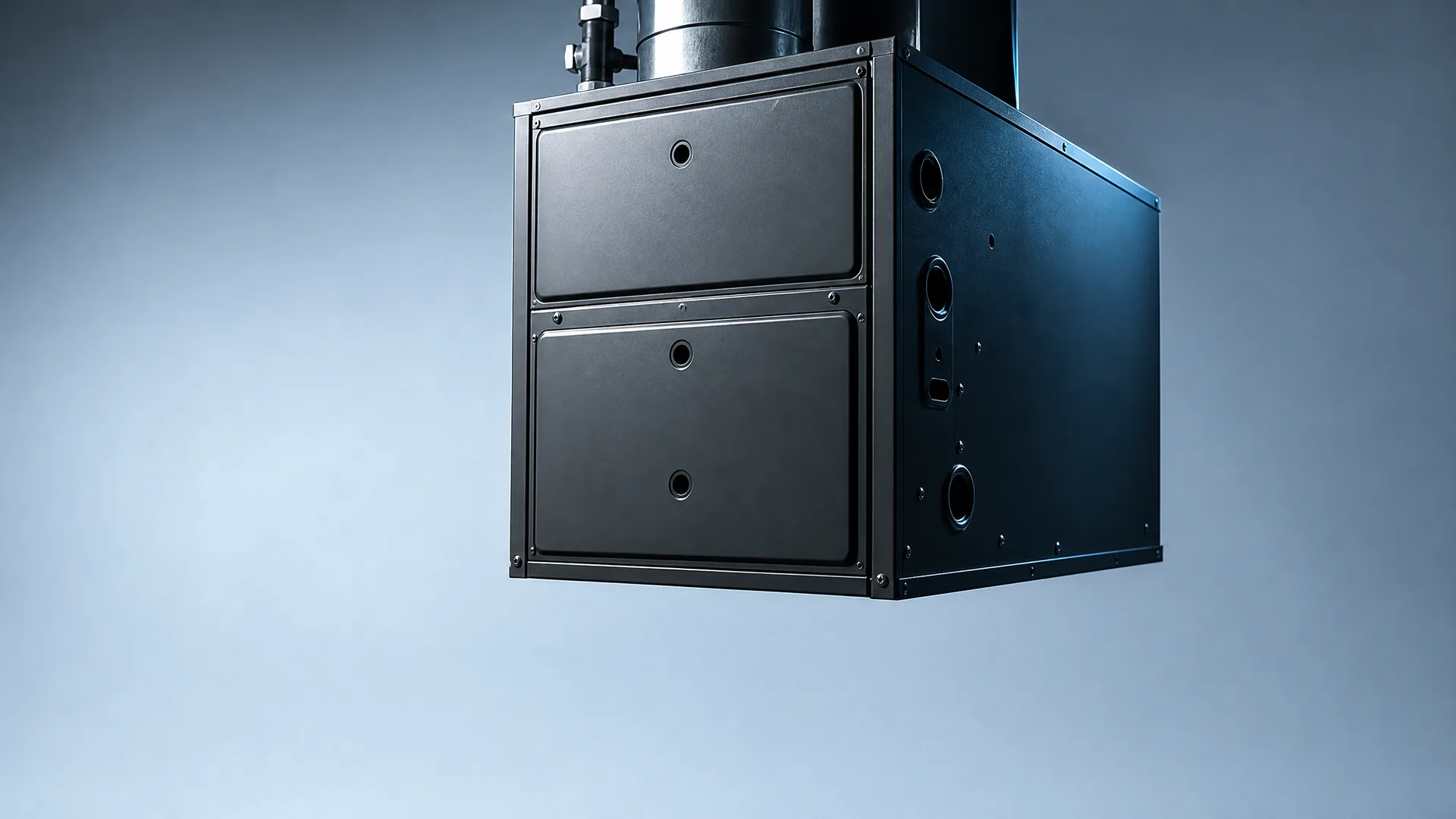
Natural gas here runs $7.77 per million Btu, close to the national average. That number matters more than the brand or the tier of furnace going in. A standard furnace, sized to the house, burns that gas efficiently enough for what this climate asks of it. Paying up for a top-tier model doesn't change the price of the gas it burns. What changes the bill is matching the furnace to the house it's heating, not chasing a higher efficiency rating than the house needs.
What to ask when you're comparing bids
Ask what size furnace each bid is based on, not just what brand. A contractor should walk through a load calculation for the house, counting windows, insulation and square footage, rather than quoting whatever size the old furnace happened to be. The old one may have been wrong from the start. Ask what the AFUE (annual fuel utilization efficiency, the share of the fuel a furnace turns into heat) rating means for this specific house, not in general. A higher rating saves more gas the more gas the furnace burns, so a well-insulated house sees less benefit from the top tier than a drafty one does. Ask what the warranty covers on the heat exchanger versus everything else. The heat exchanger is the part that's expensive to replace, and warranty terms on it vary more than people expect. Ask how the vent will be run, especially if it's a high-efficiency model. Those need a different vent than older furnaces, usually running through a wall rather than up a chimney, and that changes what the install involves. Ask what happens to the existing ductwork. A furnace sized differently than the one it's replacing can push more or less air than the ducts were built for, and that's worth checking before the new unit goes in, not after.
Gas is already the default here
Half the homes in Montana heat with utility gas, more than any other fuel here. A furnace replacement in a gas-heated house is a straight swap, venting and gas line already in place. That's the path most of this state is on.
Severe weather hits Montana more than most states, and outages can knock out a furnace's ignition with it.
Tell us about the job
Takes about a minute. No obligation.
Fill out the form once and licensed Montana installers who handle this job will reach out with what it takes.