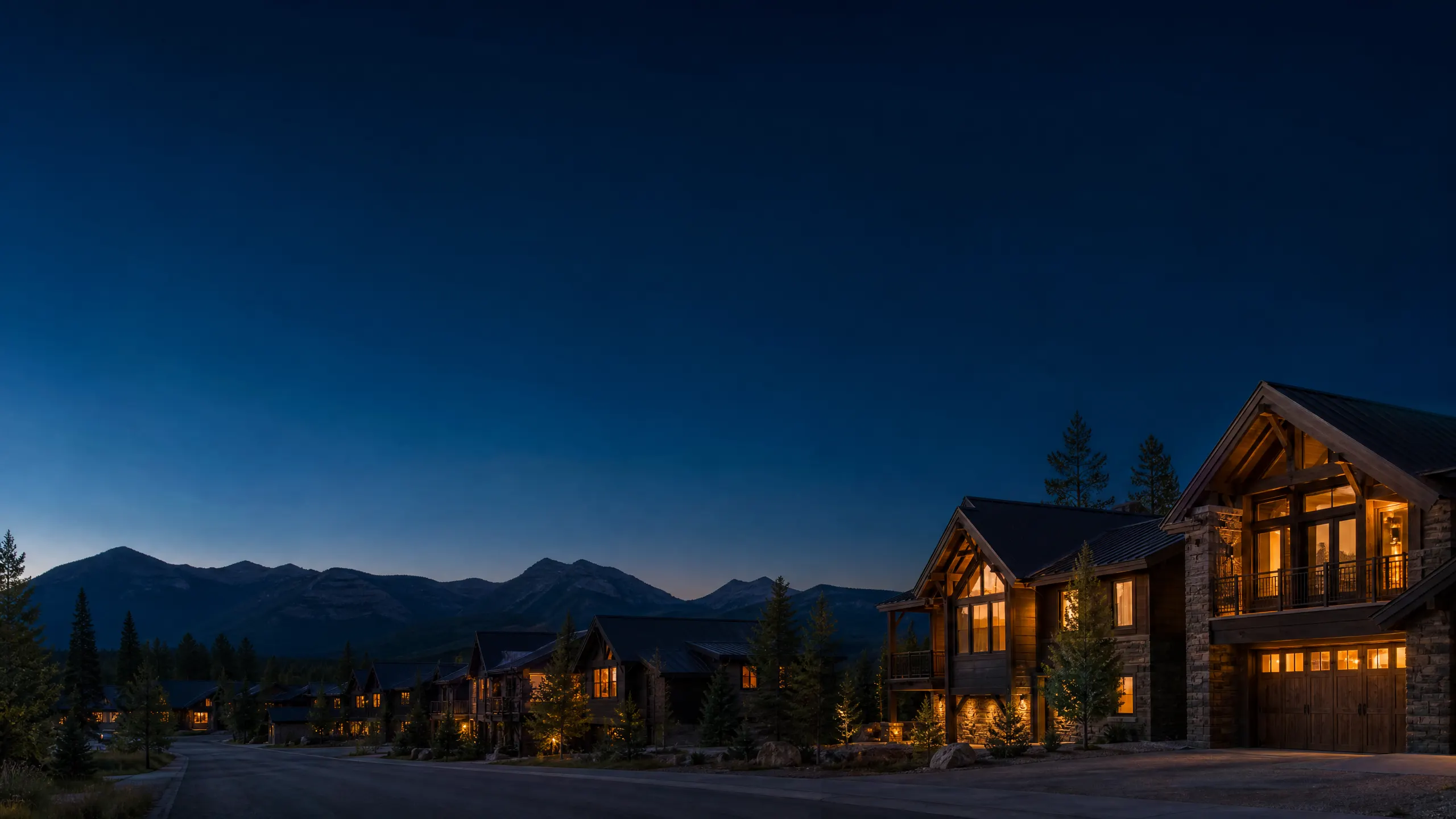


A row of illuminated timber-frame and stone houses photographed at dusk, with evergreen trees and a mountain range in the background.

Furnace Repair in Polson, MT

Tell us about the job

Takes about a minute. No obligation.

RepairFurnace or heatingLake County, MT
Step 1 of 2

What ZIP code is the job in?

A tech starts by asking what the furnace is doing, or not doing, before anything gets opened up. Short cycling, no heat at all, a smell on startup, a sound that wasn't there before, all of that narrows things down before a single panel comes off. From there it's a look at the igniter or pilot, the flame sensor, the blower wheel and motor, and the pressure switch, checking each against what it should read or look like when it's working right. Burners get pulled and inspected too, since a dirty or misaligned burner can cause a lot of what gets blamed on other parts. If the system is throwing an error code, the control board holds a history that usually points straight at the problem. Once the cause is clear, the tech can tell you what it takes to fix it and what happens if it's left alone.

10 months
September through June, your furnace is on duty
20°F
the average winter night it heats against
125 winter storms
in ten years, the nights a failure hurts most
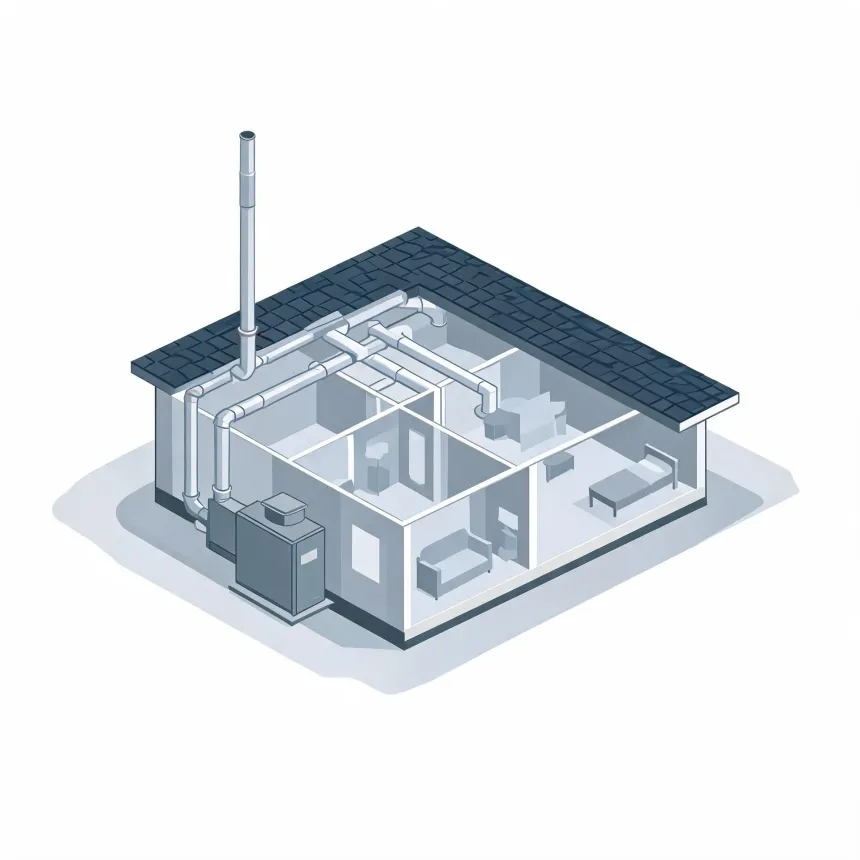
Isometric cutaway illustration of a single-story house with a dark shingled roof, showing interior rooms with furniture, a ducted air distribution system, a tall vertical flue pipe, and a gray furnace unit outside the wall.
Your furnace works hardest from October through April.

NOAA nClimDiv, 1991–2020 normals

Montana power runs $37.11 per million Btu, among the higher rates in the country.

A furnace that's short cycling or struggling to light is burning that expensive power for less heat, every day it goes unfixed.

Half the homes in Lake County are newer, and newer usually means the furnace still has years in it

Half the homes here were built by 1986
Heat runs September through June
Winter nights average 20°F
Heat starts in September hereFurnace runs about ten months a year, September through June, so August is the month to catch a weak part before it has to work.

A furnace that's cycling on and off or taking several tries to light isn't heating any less expensively just because it's struggling. It still pulls full power each time it fires, and a unit working that hard to do less is wasting the cost you're already paying. Left alone, the short cycle usually gets more frequent, not less. Have it looked at while the fix is still a part, not a replacement.

Your furnace earns its keep here. Make sure it's not failing.

Ten months of heat a year, and overnight lows that average 20 degrees in December and January. That's what your furnace runs against here. If it's cycling, struggling to light, or putting out a smell or sound that's new, get it looked at before the part that's failing takes another one with it.

Find a contractor
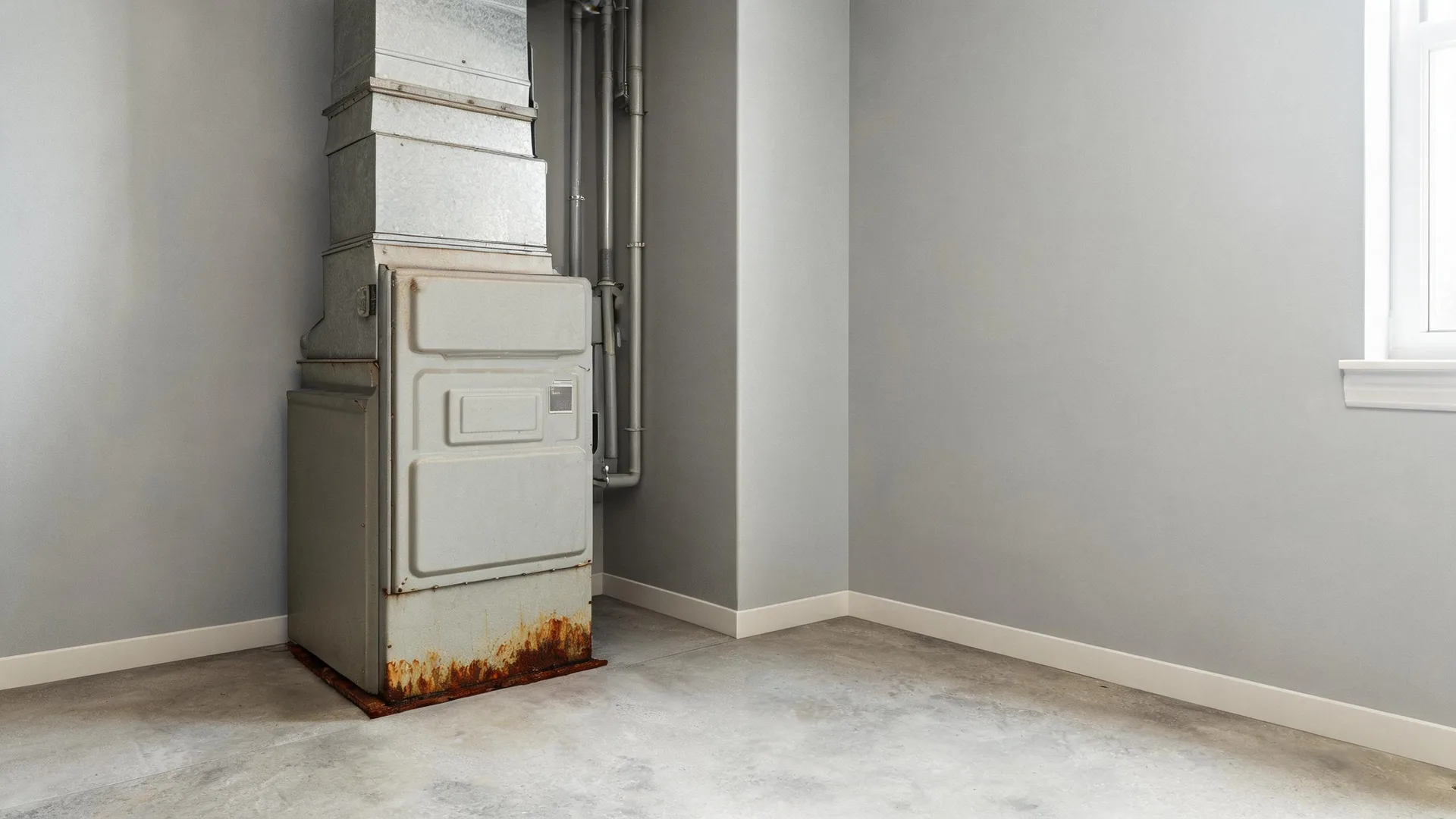
A gray residential gas furnace installed in an unfinished basement, surrounded by ductwork, a metal flue pipe, and a gas supply line.

Check if the furnace came with the house, then fix what's broken

If your furnace came with the house, it's worth fixing rather than replacing. Call the contractor out, get the part named, and let them replace that one thing. A furnace with years left behind it doesn't need a new cabinet because the igniter or the flame sensor failed.

What you hear and smell matters

A burning dust smell at the first fire of the season clears on its own. A smell that lingers, or one that's sharper, like scorched metal or something electrical, means a part is overheating and needs a look. Banging or popping from the ducts as they heat up is normal. A screech from the blower, or a boom when the burners light, is not.
Weak heat is still a sign, even with no breakdown

A furnace that runs but never quite gets the house to temperature, or blows air that feels lukewarm instead of hot, is telling you something before it quits outright. That's often a burner not getting enough gas, a blower not moving enough air, or a heat exchanger that's cracked and tripping a safety switch. None of those fix themselves.

A cracked heat exchanger is the clearest case of this. Run it a while longer and it's still one cracked heat exchanger, a straight swap. Keep running a furnace that's short cycling because of a dirty flame sensor, though, and the furnace doesn't just tolerate it. Every failed ignition attempt puts a small amount of extra strain on the igniter and the control board reading it, and those parts have a limited number of cycles in them to begin with. A blower motor working against a clogged filter runs hotter than it should, and heat is what wears motor bearings down. A pressure switch that's borderline will keep tripping, and a furnace that keeps trying to force past a safety switch is asking more of the draft inducer each time. None of this happens on the first bad cycle. It happens over the dozens of cycles between when the problem starts and when someone finally has it looked at.

Most furnace failures trace back to a handful of parts that take the most abuse. The igniter cycles on and off every single heat call, and like any part that heats up and cools down over and over, it eventually cracks or wears thin. The flame sensor sits in the burner flame every run, and over time soot builds up on it until it can't tell the control board the flame is there. A pressure switch reads airflow through the draft inducer, and if the inducer motor weakens or the venting gets restricted, the switch starts tripping even though nothing about the switch itself is broken. Blower motors fail from heat and age, usually bearings first, and you'll hear that before the motor quits outright. The gas valve and heat exchanger last longest, but it's wear on the smaller parts around them, not age by itself, that accounts for most service calls.