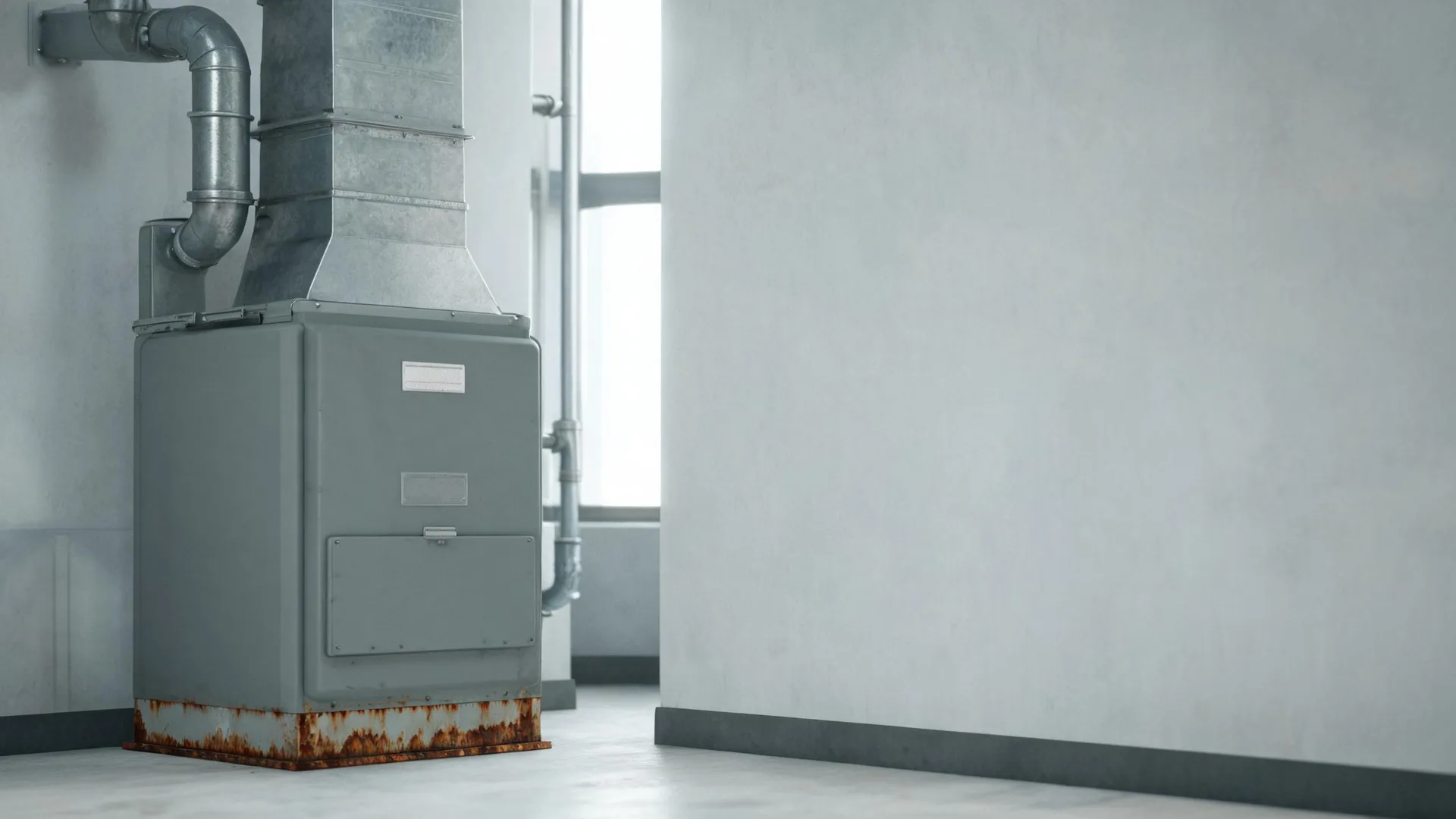
A gray forced-air furnace with metal ductwork stands in an unfinished basement with exposed wooden joists, concrete walls, and a single hanging light bulb.

Furnace Repair in Great Falls, MT

Tell us about the job

Takes about a minute. No obligation.

RepairFurnace or heatingCascade County, MT
Step 1 of 2

What ZIP code is the job in?

Ten months of run time

A furnace in Great Falls runs from September through June. That's most of the year asking the igniter and the blower motor to cycle on and off, day after day. A machine that rarely gets a break wears into problems faster than one that only runs a few months out of the year.
What that means for a repair

A furnace working this many months a year can be showing the first sign of a part wearing out, not a one-off glitch. Before paying for a fix, it's worth knowing which part is failing and why. A repair aimed at the real cause holds. One that only covers the symptom shows up again soon.

10 months
September through June, your furnace is on duty
16°F
the average winter night it heats against
72%
of homes here heat with gas, so most furnaces here burn gas
32 winter storms
in ten years, the nights a failure hurts most
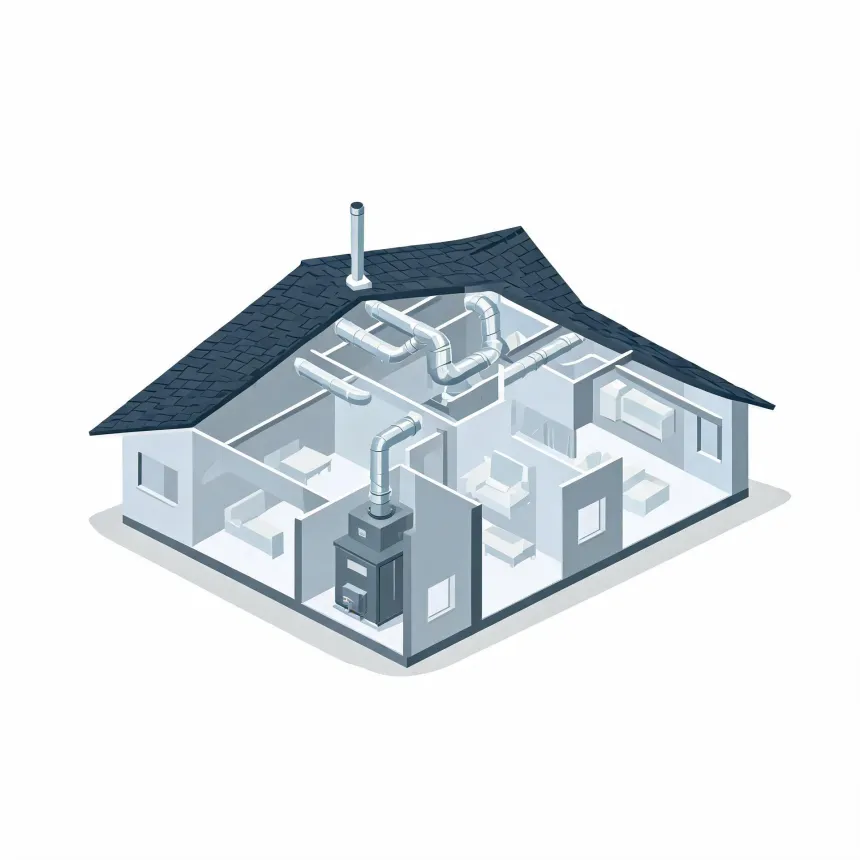
Isometric cutaway illustration of a single-story house showing interior rooms with furniture, a metal ductwork network, and a furnace unit connected to a vertical flue through the dark shingled roof.
Your furnace works hardest from October through April.

NOAA nClimDiv, 1991–2020 normals

Natural gas in Montana ran $7.77 per million Btu in 2024.

A furnace that short cycles or runs longer than it should burns through that gas every day it sits unfixed.

This county gets hit hard, and the furnace isn't the only thing exposed

222 severe weather events from 2015 to 2024
18% of homes statewide lost power a day or more in 2024
134 damaging wind events from 2015 to 2024
This is an older furnace townHalf the homes in Cascade County were built in 1970 or earlier.

September is when heat gets asked to work again after sitting idle since spring. That first cold snap finds whatever went soft over the summer, a cracked igniter, a sensor that drifted out of range, a blower motor that was already running rough. By December the overnight low here averages 16°F, and the furnace has no choice but to run long hours to keep up. A weak part that made it through a mild stretch usually doesn't make it through that kind of cold. Getting a furnace looked at in August or early September, before the real load hits, catches that kind of problem while it's still a quick fix.

Get the real cause fixed, not just today's symptom

Ten months a year is a lot to ask of an igniter and a blower motor. When one starts acting up, it's worth finding out why before paying to fix it. A repair that addresses the actual worn part holds. One that only patches the symptom brings you back here soon.

Find a contractor
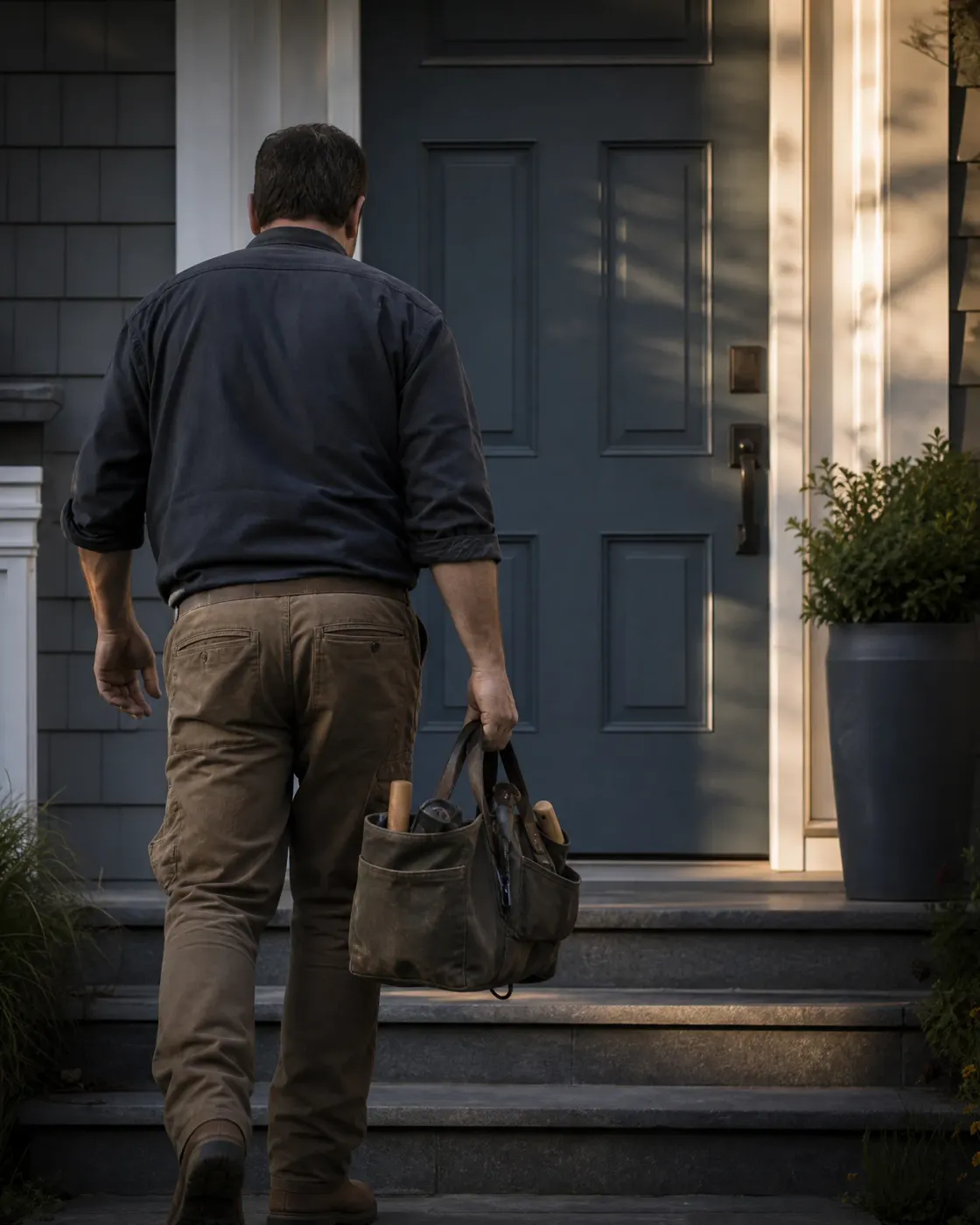
A man seen from behind in a dark shirt and tan work pants carries a canvas tool bag up stone steps toward a gray panelled front door of a shingled house, with a potted shrub beside the entry.
A gray gas furnace with attached ductwork and piping installed in an unfinished concrete basement.

How old is the furnace you're fixing

If your furnace came with the house, and the house dates back to 1970 or earlier, there's a good chance that furnace has already been replaced once. Ask whoever comes out for the repair how much life the unit has left before you pay for the fix. A furnace near the end of its run may cost less to replace than to keep patching.

Where the wear shows up first

The igniter is usually the first thing to go. It heats and cools every cycle, and that repeated flexing is what eventually cracks it. The flame sensor fouls with a thin coating of oxidation over time and starts missing the flame it's supposed to detect. Blower motor bearings wear from the hours they log, not from any one hard winter. Burners can get dirty enough to burn uneven. None of this is a defect. It's just what happens to parts that cycle on and off for months without a break.

What that means for diagnosis

A furnace that won't light, trips out, or blows cold air for a stretch before catching is usually down to one worn part, not the whole system failing. Figuring out which part is behind the symptom matters more than the symptom itself. A cracked igniter and a dirty flame sensor can both cause the furnace to shut off mid-cycle, but they're fixed differently and cost differently. The repair holds when it's aimed at the actual part that failed.

An unfinished basement featuring concrete block walls, exposed floor joists, a bare concrete floor, and a forced-air furnace with a large metal exhaust duct in the corner.

A new furnace would cut about $90 a year off heating for a typical Cascade County home.

  • A new high-efficiency furnace$360 a year
  • An older furnace$450 a year

Estimates for a typical Cascade County home, compared with an older unit built to the previous federal minimum, from EIA household energy data, Montana fuel prices and NOAA climate normals. Your home will differ.

Repair makes sense when one part has failed and the heat exchanger is sound.

Replacement makes sense when the heat exchanger is cracked or the furnace keeps needing parts.

A single repair rarely means the furnace is done. Most problems trace to one part, and most parts are worth fixing on their own terms. What tips the decision toward replacement is the part itself. A cracked igniter or a fouled flame sensor is a normal wear item, cheap to swap and no sign of anything bigger. A cracked heat exchanger or a failed control board is a different matter, since both are expensive on their own and usually mean the rest of the furnace has logged the same years of hard use. The other thing worth watching is how often someone's been called out. A furnace that's needed two or three separate repairs in as many years is wearing out generally, not failing in one spot. A tech who's straight with you will say which kind of problem this is before quoting the fix.