Furnace Maintenance in Montana
Homes in Montana need heat for more months of the year than in 45 of the other 49 states.
Tell us about the job
Takes about a minute. No obligation.
- 15°Fwinter overnight low where people live
- 10 monthsof heat, September through June
- $7.77 per million Btuwhat homes paid for natural gas in 2024 (Btu means British thermal units, a measure of heat)
- 1,690winter storms from 2015 to 2024
Montana asks more of a furnace. Heat runs September through June.
- Coldest nights in Daniels County, mildest in Sanders County
- Winter nights average 15°F where people live
- Heat runs September through June
- 1,690 winter storms from 2015 to 2024
- Climate zone 6B across the state
- 18% of homes lost power a day or more in 2024
- A dirty flame sensor is a common reason a furnace shuts off mid-cycle, so it gets cleaned or replaced
- The heat exchanger gets inspected for cracks, since a cracked one can let exhaust mix into the air it blows
- Burners get cleaned so the flame burns even instead of sputtering or burning orange
- The igniter gets checked, since a weak one can leave the furnace unable to start at all
- Filters get changed so airflow across the exchanger stays where it should be
September is when Montana furnaces start their ten month run, and August is when a contractor can still get to it before that first cold stretch. Once the furnace is firing every day, a cracked heat exchanger or a weak igniter stops being a maintenance item and starts being a breakdown. Checking it in August catches the same problems while there's still time to order a part if one is needed.
Ten months of heat a year is more than homes in 45 other states deal with. That means the burners and flame sensor here are cycling on and off for most of the year, not just a few winter months. A furnace asked to do this much work holds up better when it gets looked at every year, not every few.
Cold nights, long runs
Overnight lows average 15°F across December, January and February here. That's colder than 41 of the other 49 states see. A furnace running every night at that temperature is cycling longer to hold the house steady, and the burners and exchanger take that strain for months, not weeks. Parts built to handle an average winter don't always get an easy pass here.
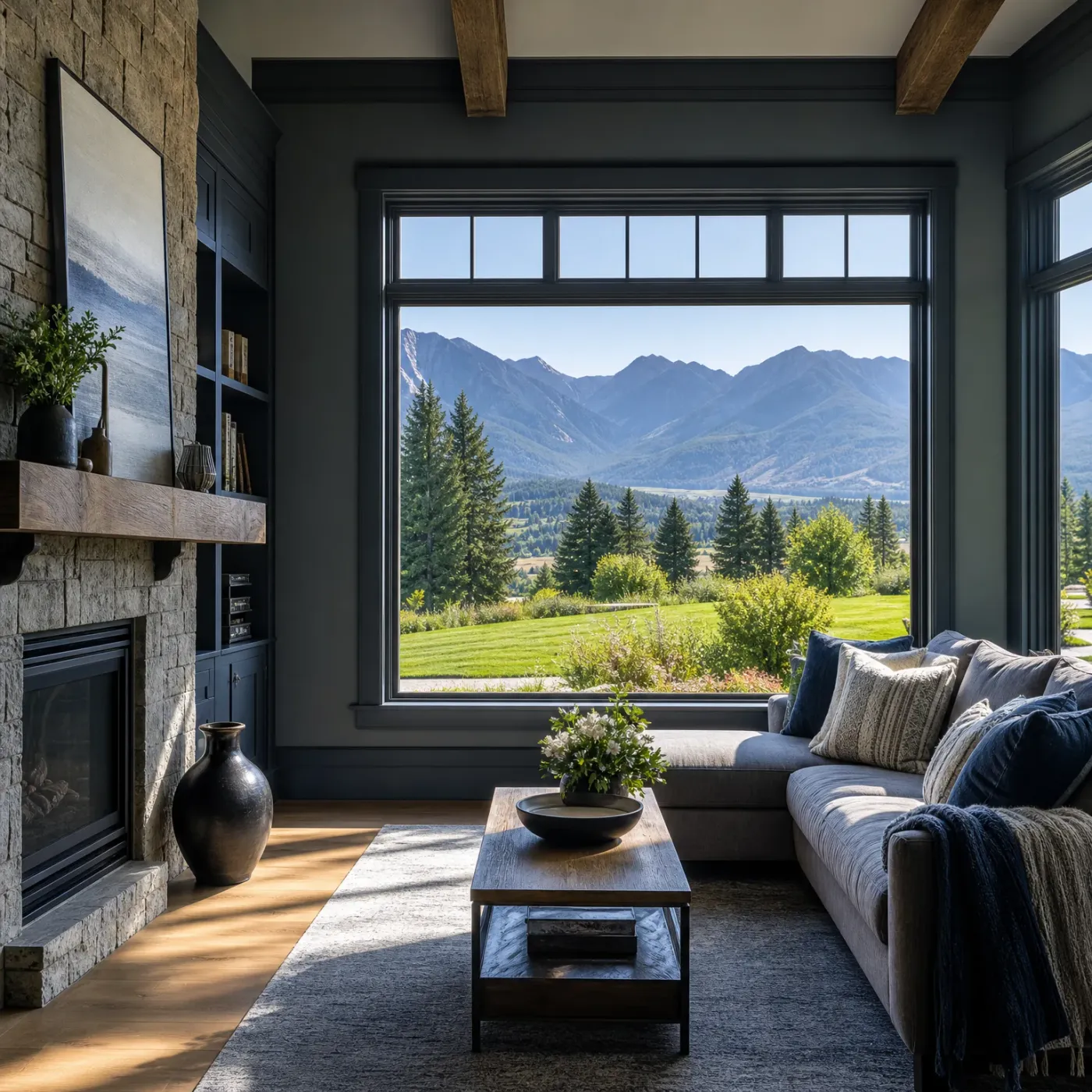
1 month of cooling, in July
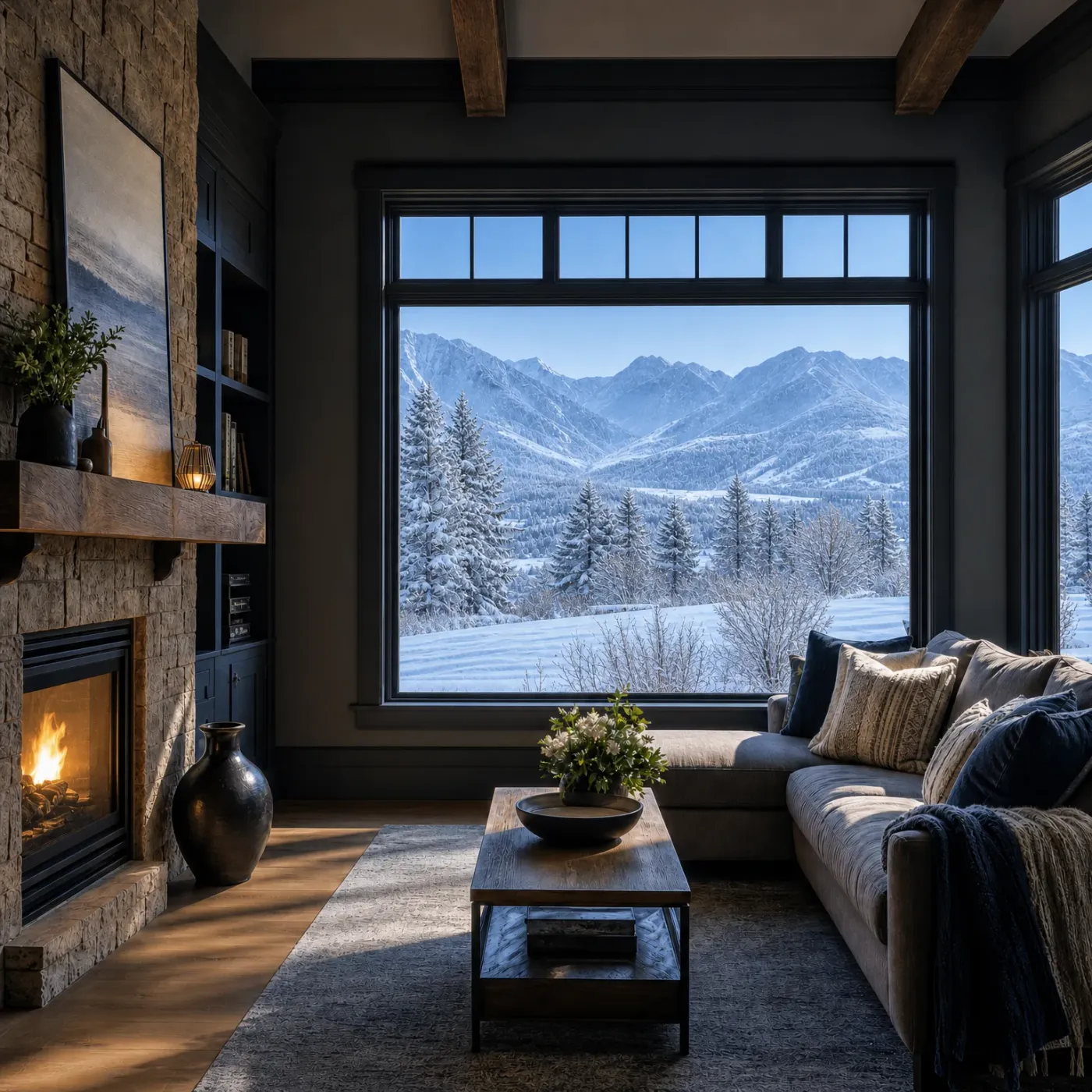
10 months of heat, September through June
Montana's heating need isn't the same from one end of the state to the other. Park County homes run their furnace about 12 months a year, the longest stretch in the state. Yellowstone County homes need about 9, the shortest. That's a real gap in how many months a furnace is firing, not just a few weeks either way.
Over a full year, Beaverhead County homes need about 36% more heat than homes in Yellowstone County. A furnace in Beaverhead is doing a lot more work across a year than one in Yellowstone, even though both sit in the same state.
Winter nights aren't even either. Daniels County sees the coldest, averaging 3°F across December, January and February. Sanders County stays mildest at 20°F. A furnace holding a house steady at 3°F overnight is working harder than one doing the same job at 20°F.
If your furnace is in Park County, or anywhere the heat runs close to year round, get it checked well before fall turns cold. In Yellowstone County, or anywhere the season runs shorter, there's a bit more room, but the furnace still earns a look before it's running every night.
What does a furnace in Montana face?
How cold do winter nights get?
15°Faverage overnight low where people live
North Dakota4°F
Hawaii65°F
How many months does the heat run?
10 monthsof heating a year
Hawaii0 months
Alaska12 months
What does natural gas cost?
$7.77per million Btu, what homes paid in 2024
Montana$7.77
Hawaii$53.25
How often do storms hit?
223severe weather events per county from 2015 to 2024
Alaska5
Wyoming1,057
How many homes lost power for a day or more?
18%of homes in 2024
Arizona7%
Maine54%
What a furnace tells you before it fails
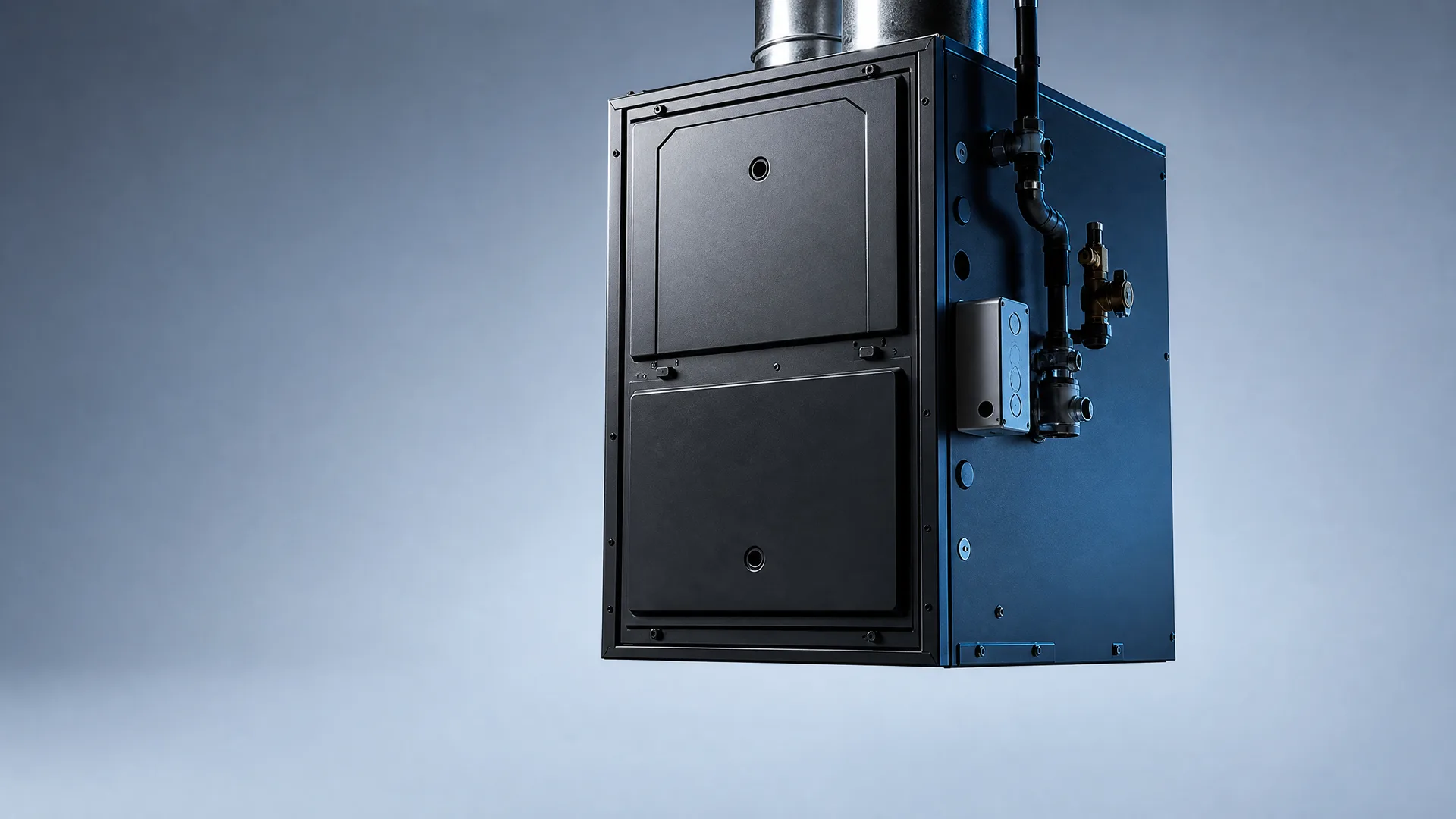
A furnace rarely quits without warning signs first. It starts a cycle, shuts off, then kicks back on a few minutes later to finish the job, which usually points to a flame sensor losing its coating or a limit switch tripping from restricted airflow. The flame changes color, burning yellow or orange at the burners instead of a steady blue, which means it's not getting the air mix it needs. A knocking or screeching sound from the cabinet when it starts or stops is worth paying attention to, since a quiet furnace one year isn't a guarantee it stays quiet the next. A burning smell that lingers past the first few minutes of a cycle, rather than fading like dust burning off, is not something to wait out. Rooms that used to heat evenly start lagging behind, or the furnace runs longer each cycle to hit the same temperature it used to reach faster. None of these mean the furnace is done. They mean something inside it has drifted out of the range it was built to run in, and a check now catches it while it's still a repair instead of a replacement.
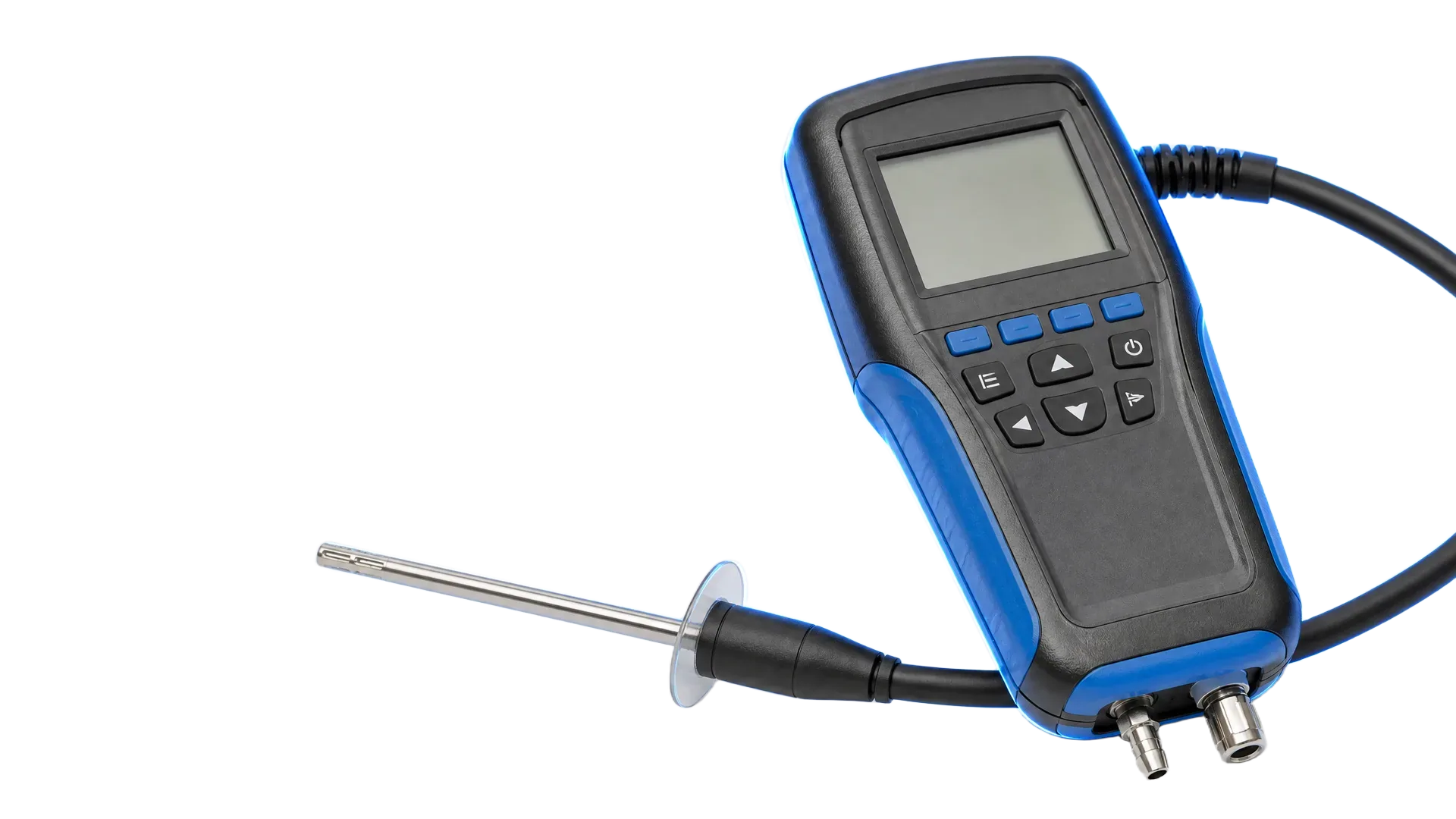
What gets checked that you'd never see
A lot of what a tune-up catches never shows up as a symptom first. A contractor pulls the burner cover and checks things a homeowner has no reason to ever look at. The coating on the flame sensor. The condition of the heat exchanger. The wiring at the igniter. A cracked heat exchanger doesn't smoke or smell different right away. It can run for a while before it gets bad enough to notice from the living room, and by then it's not a cleaning, it's a replacement. A flame sensor works the same way. It builds up a film slowly, and the furnace keeps firing right up until the day the sensor can't read the flame anymore and the whole thing shuts down mid-cycle. A tune-up finds that film before it gets there. It also catches the slower drift. Burners that have gone from a steady blue to a little orange at the edges. A blower wheel carrying enough dust that airflow across the exchanger has quietly dropped. None of it trips a switch or throws an error. The furnace just ends up working harder than it was built to, and nobody notices until a part finally gives out from the strain.
Once a year, not more
Half the homes in Montana were built in 1981 or earlier, the other half newer, and that split doesn't change what a furnace needs. Most homes here, 73.3%, are standalone houses rather than units sharing a wall, so the furnace in yours is running on its own schedule with nobody else's upkeep covering for it. None of that adds up to checking it more than once a year. A yearly look catches a flame sensor building up film or a heat exchanger starting to crack before either turns into a shutdown mid-winter. Once a year, before the season starts, is what a furnace built for Montana's winters actually needs.
Furnace trouble in Montana doesn't wait for a convenient month, and neither should the checkup.
Tell us about the job
Takes about a minute. No obligation.
Fill out the form once and a licensed Montana contractor gets in touch to schedule the visit.