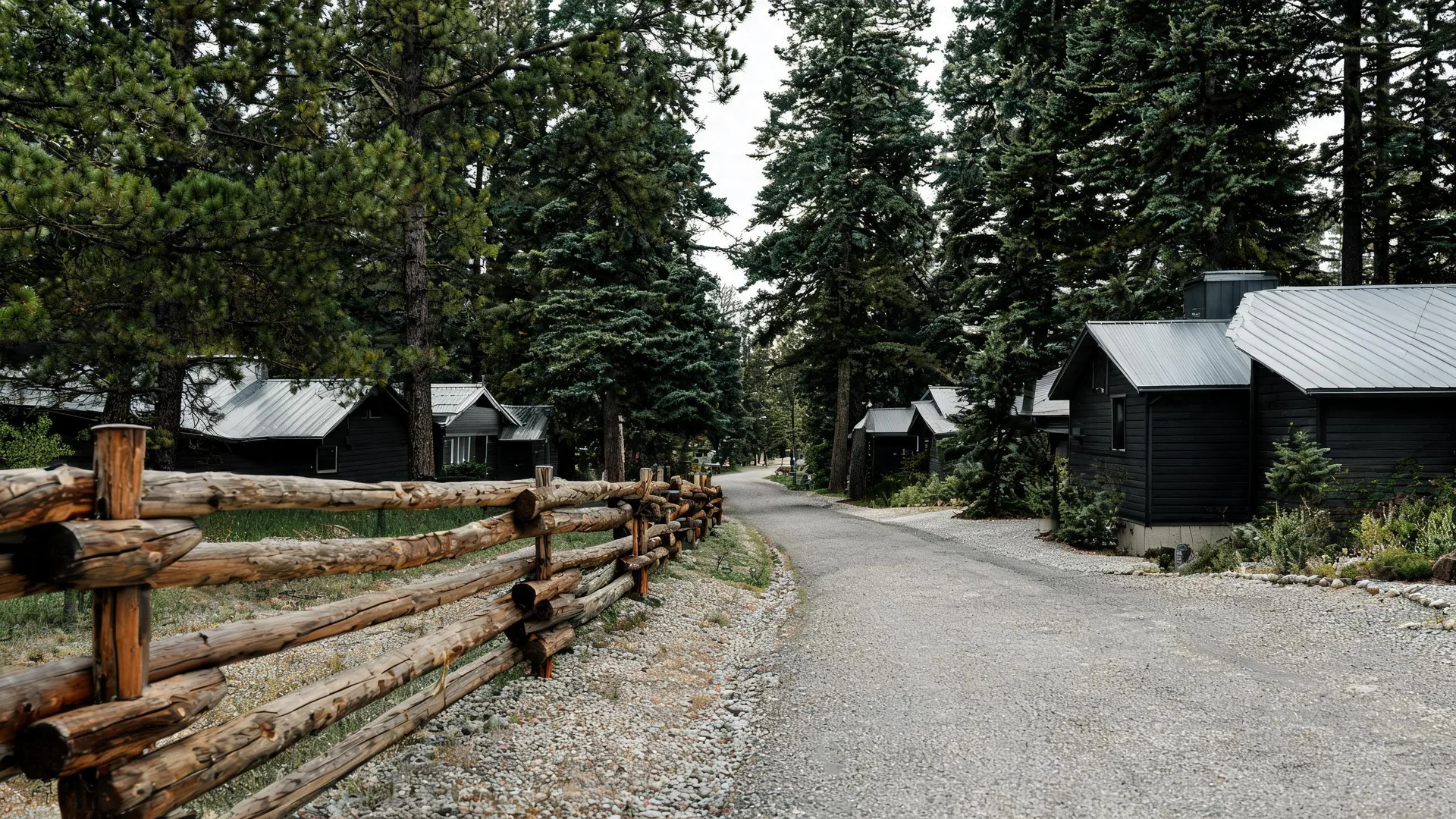
A gravel road curves between dark wood cabins with metal roofs and a split-rail log fence, surrounded by tall conifer trees under an overcast sky.

Furnace Repair in Billings, MT

Tell us about the job

Takes about a minute. No obligation.

RepairFurnace or heatingYellowstone County, MT
Step 1 of 2

What ZIP code is the job in?

The furnace is telling you something

A furnace that short cycles, blows cool air, or kicks on with a bang at the burner is already past the point of waiting. A burner that booms instead of lighting smooth means gas is pooling before it catches. Cool air from the vents can mean the igniter is weak or the flame sensor is dirty and shutting the burner down early.
Some of these can't wait for a convenient day

A furnace that trips its limit switch or fills the house with a burning smell needs a technician out right away, not on the next slow afternoon. Rattling, grinding, or a new noise from the blower means something is loose or wearing out, and running it longer usually turns a repair into a bigger one.

9 months
September through May, your furnace is on duty
16°F
the average winter night it heats against
68%
of homes here heat with gas, so most furnaces here burn gas
17 winter storms
in ten years, the nights a failure hurts most
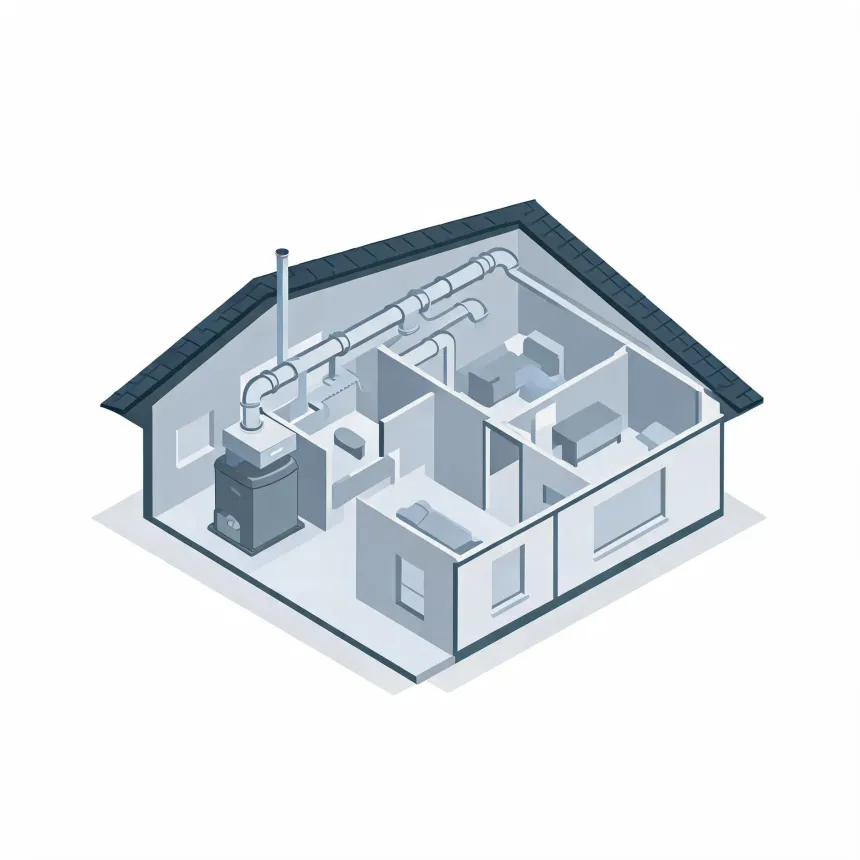
Isometric cutaway illustration of a single-story house showing interior rooms, ductwork running along the ceiling, a flue pipe through the roof, and a dark furnace unit in one corner.
Your furnace works hardest from November through March.

NOAA nClimDiv, 1991–2020 normals

A technician checks the flame, the pressure switch, and the heat exchanger before touching anything else.

A cracked heat exchanger or a flame that burns wrong turns the visit into a safety check first, heat second.

Half these furnaces are newer than the house next door's

Half the homes here were built by 1982
Heat runs September through May
Winter nights average 16°F

Heat goes on here in September and runs through May, nine months of the year. August is worth a look before that starts. A furnace that sat quiet all summer gets asked to run hard on the first cold night, and that's when a weak igniter or a cracked heat exchanger finally gives out. Catching it in August means a technician can work on their schedule, not yours. Wait until September and you're calling about the same problem after it's already left you without heat.

Repair it

If your system came with a newer house, it likely has plenty of life left. Repair is usually the right call.

Find a contractor
A man seen from behind in a dark long-sleeve shirt, olive work pants and brown boots climbs porch steps toward a gray front door, carrying a waxed canvas tool bag with tools in its outer pockets, beside a potted shrub.
A gas furnace with attached ductwork, gas piping, and condensate lines installed in a concrete-block basement.

A newer house usually means a newer furnace

If your furnace came with the house, check the year it was built. A furnace running in a house built in the last few years hasn't put in many winters yet. That points toward repair over replacement when something goes wrong. The exception is a mobile home. If yours is one, the furnace may have arrived with the unit itself rather than the surrounding house, so the house's age won't tell you much.

A small problem feeds on itself

A dirty flame sensor lets the burner shut off early, so the furnace fires up again and again trying to hold the house at temperature. Each short cycle wears the igniter a little more and stresses the parts that start the burner. Left alone, a sensor cleaning turns into an igniter replacement.

Heat and metal don't wait for you

A cracked heat exchanger gets worse every time it heats up and cools down, because the metal expands and contracts around the crack. A furnace that trips its limit switch and keeps running anyway is overheating the exchanger on top of a part that's already failing. Shutting it down and calling someone stops that cycle before the crack spreads.

An unfinished concrete basement containing a gas furnace with sheet-metal ductwork, utility shelving, and exposed overhead joists.

A new furnace would cut about $80 a year off heating for a typical Yellowstone County home.

  • A new high-efficiency furnace$320 a year
  • An older furnace$400 a year

Estimates for a typical Yellowstone County home, compared with an older unit built to the previous federal minimum, from EIA household energy data, Montana fuel prices and NOAA climate normals. Your home will differ.

Repair makes sense when one part has failed and the heat exchanger is sound.

Replacement makes sense when the heat exchanger is cracked or the furnace keeps needing parts.

Age and cost aren't the only things worth weighing. A furnace near the end of its life tends to fail more than once in a season, so a repair now doesn't always mean you're done with it. If the heat exchanger has cracked, replacement isn't really a choice, since that part isn't meant to be swapped on its own. Repeated igniter or control board failures on an older unit usually point to the whole system wearing out together, not bad luck striking the same furnace again. A technician can tell you whether what failed is a weak point in an otherwise sound furnace, or the first of several parts about to go.