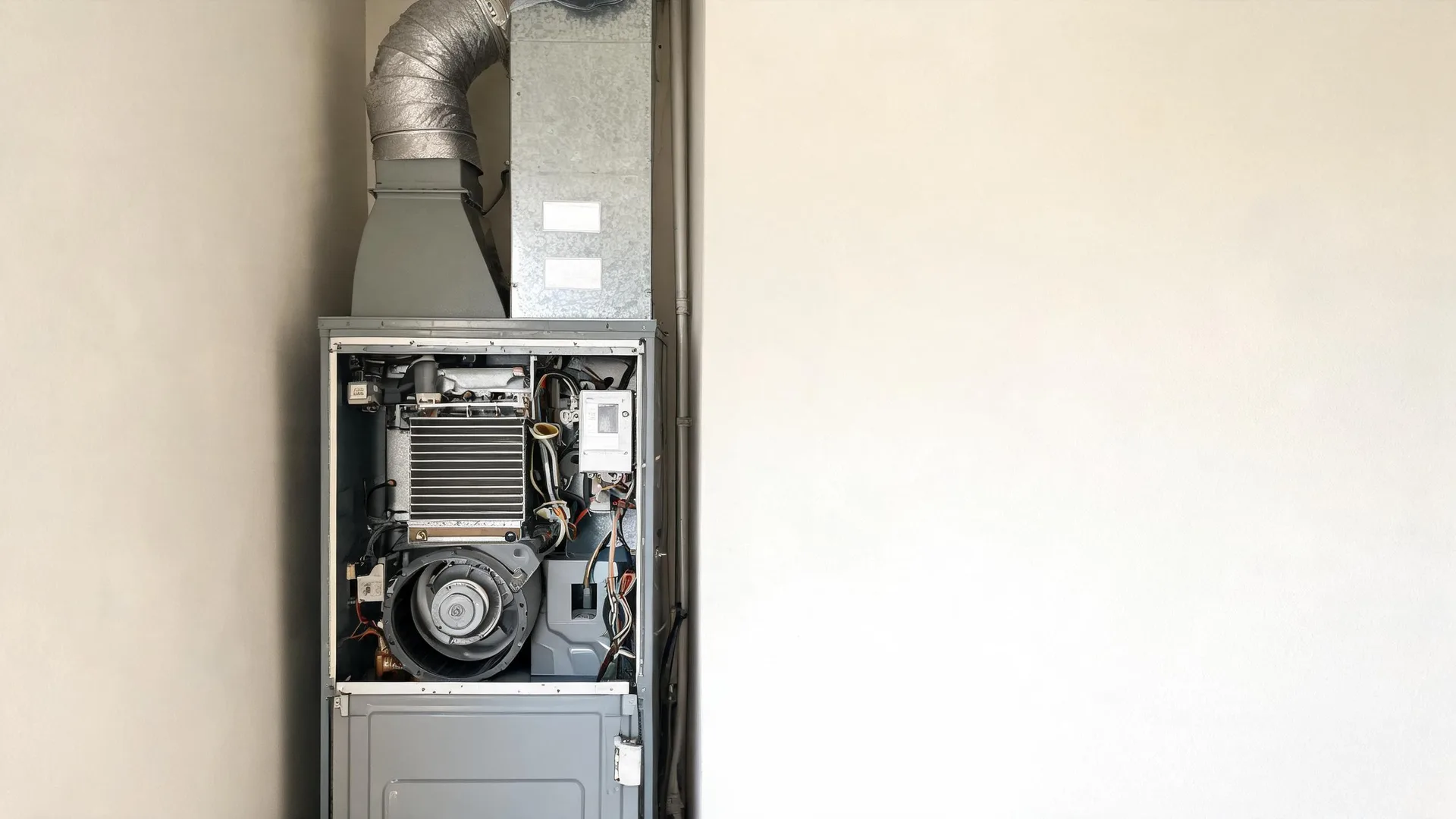
Ten months of heat a year
A furnace in Fergus County runs from September through June. That leaves only a couple months where it sits idle. The burners, the igniter, the blower motor all log far more hours here than they would almost anywhere else.
Takes about a minute. No obligation.
A furnace in Fergus County runs from September through June. That leaves only a couple months where it sits idle. The burners, the igniter, the blower motor all log far more hours here than they would almost anywhere else.
A furnace with this many hours on it wears unevenly. A part that fails here might hold up for years in a milder climate. Whatever brought yours down is worth diagnosing properly, since the same long season that wore out one part puts strain on the rest too.

NOAA nClimDiv, 1991–2020 normals
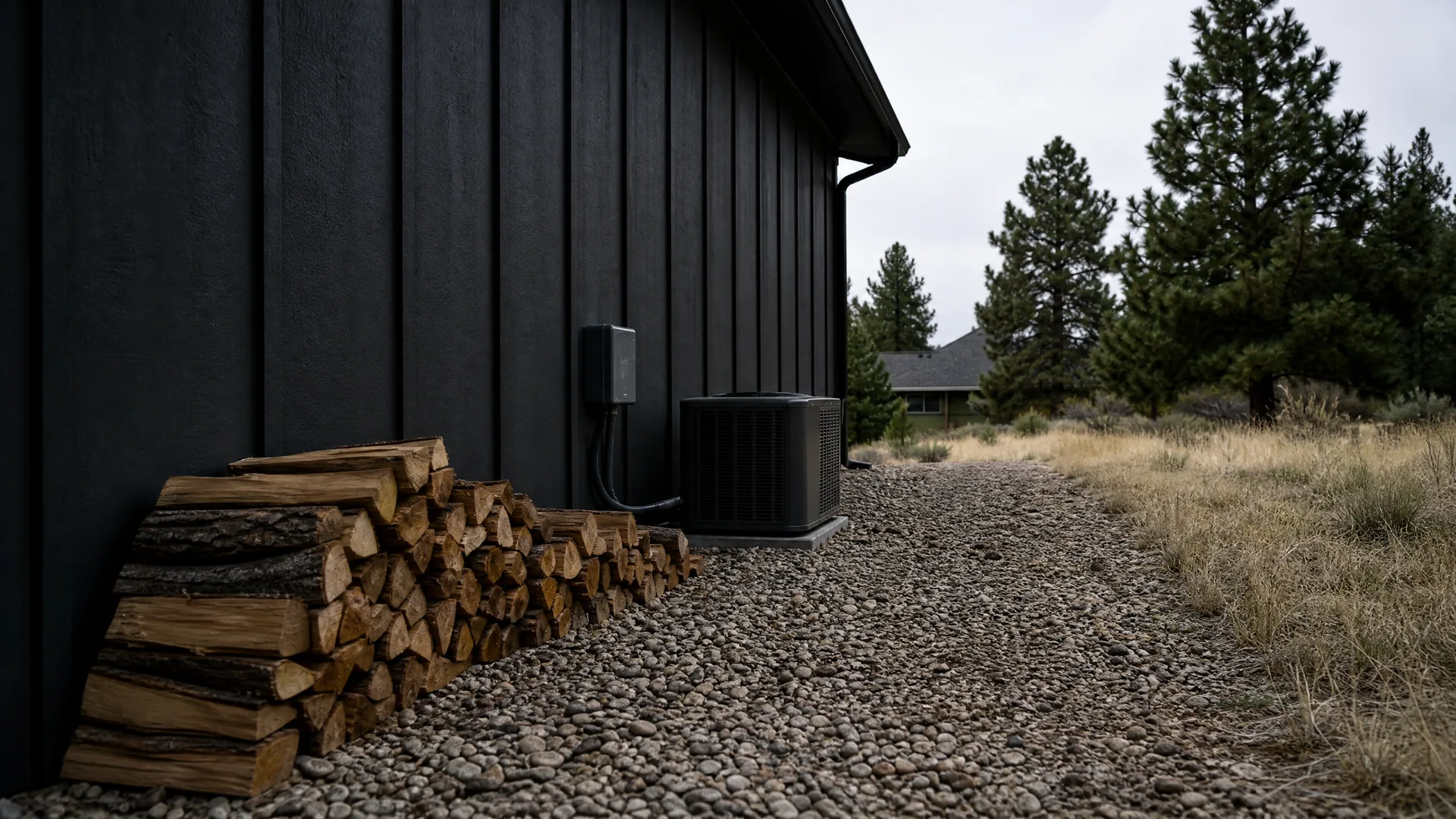
Fergus County logged 147 damaging wind events and 48 hail events between 2015 and 2024.
A furnace depends on the outdoor power supply and vents staying clear, so storm damage you can't see from the ground can still show up as a heating problem.

Half the homes in Fergus County were built in 1966 or earlier. If yours is one of them, the furnace itself is almost certainly newer than the house, but it's worth finding out how new. A furnace that came in partway through a long ownership, or one that was already there when you bought the place, may be closer to the end of its working life than you think. That matters for a repair decision. A unit with a lot of years and a lot of hard winters behind it is a different call than one a few years old. Ask whoever comes out to look at the age along with whatever's broken.
Whatever is wrong with your furnace right now, it got there after ten months of work this machine doesn't get a real break from. That's why a proper diagnosis matters more here than it would somewhere the furnace idles half the year. Get the actual cause found, not just the symptom that showed up first.
Find a contractorThe age that matters for this decision isn't the house, it's the furnace inside it. If the tech finds a cracked heat exchanger or a blower motor on its way out, ask straight out how many years it's got left before you pay for the repair. A furnace that's run every winter here for a long stretch has earned more wear per year than one somewhere milder. That's worth knowing before you decide whether to fix it again.
Check that the thermostat is set to heat and the setting is above room temperature. Look at the filter and swap it if it's gray or caked, since a clogged filter can choke airflow enough to shut the furnace down. Find the switch that looks like a light switch on or near the furnace and make sure it's on, people bump it without noticing. If yours has a standing pilot, see if the flame is lit and burning steady. Check the breaker it runs on, a tripped breaker will stop the whole system cold.
Don't open the burner compartment or touch the gas valve. Don't reset a tripped limit switch more than once, if it trips again something downstream needs a tech to look at it. If you smell gas, don't flip any switches or look for the leak yourself, get outside and call it in. A furnace that short cycles, or one that's throwing a repeated code on the control board, needs someone who can read what the board is telling it rather than guesswork.
Estimates for a typical Fergus County home, compared with an older unit built to the previous federal minimum, from EIA household energy data, Montana fuel prices and NOAA climate normals. Your home will differ.
Repair makes sense when one part has failed and the heat exchanger is sound.
Replacement makes sense when the heat exchanger is cracked or the furnace keeps needing parts.
A diagnostic visit starts before any panel comes off. A tech will ask what the furnace was doing right before it quit, whether it was blowing cold air, short cycling, or not firing at all, and that history narrows things down fast. From there they check for power and gas at the unit, pull the filter, and look at the flame or the igniter depending on what you've got. Most control boards store a fault code even after the furnace shuts itself down, and reading that code tells a tech more in a minute than guessing would in an hour. If the board points to a specific part, like a flame sensor or a limit switch, they'll test that part directly rather than replacing it on a hunch. The goal is to find the actual cause, since a furnace that keeps shutting off usually has one real problem, not three small ones.