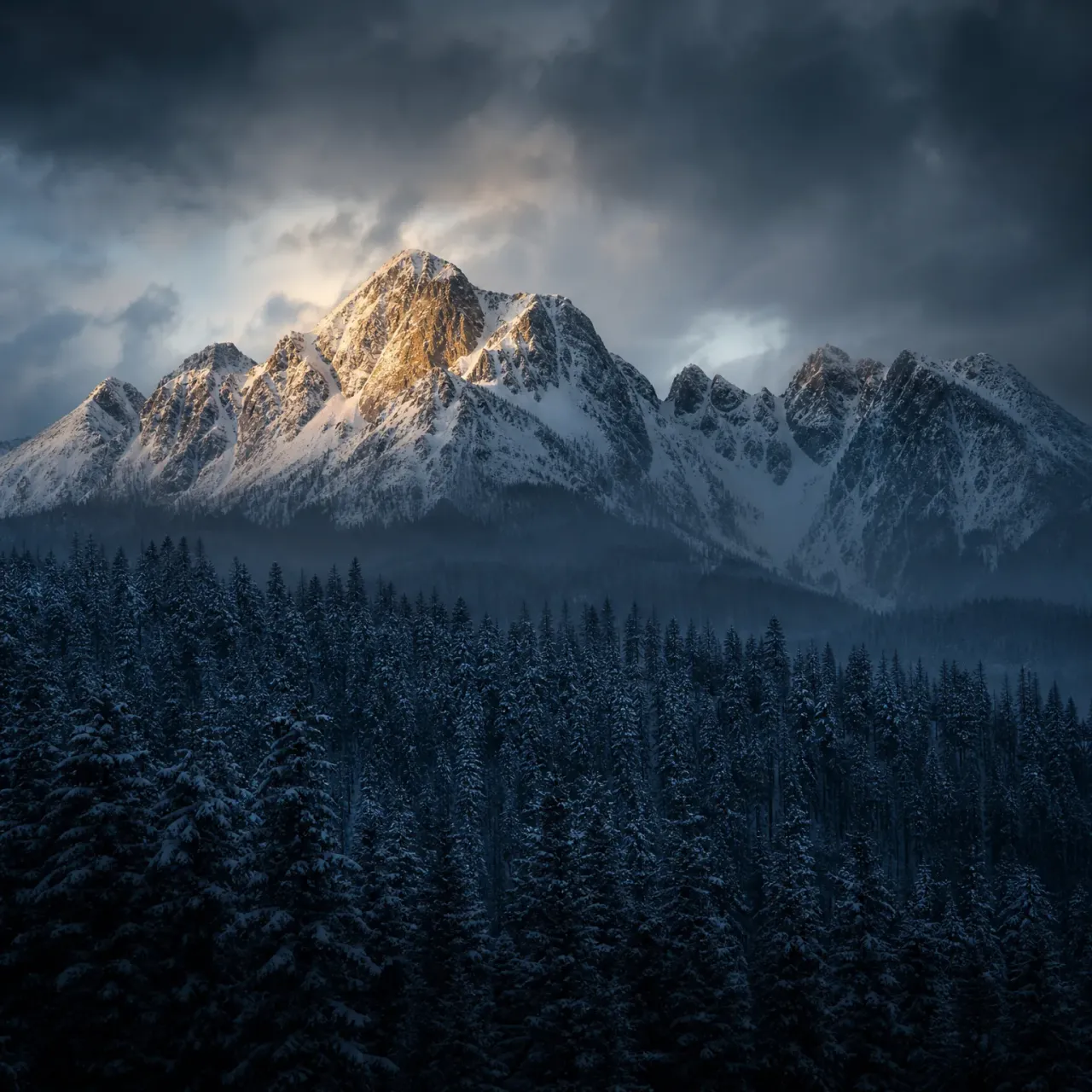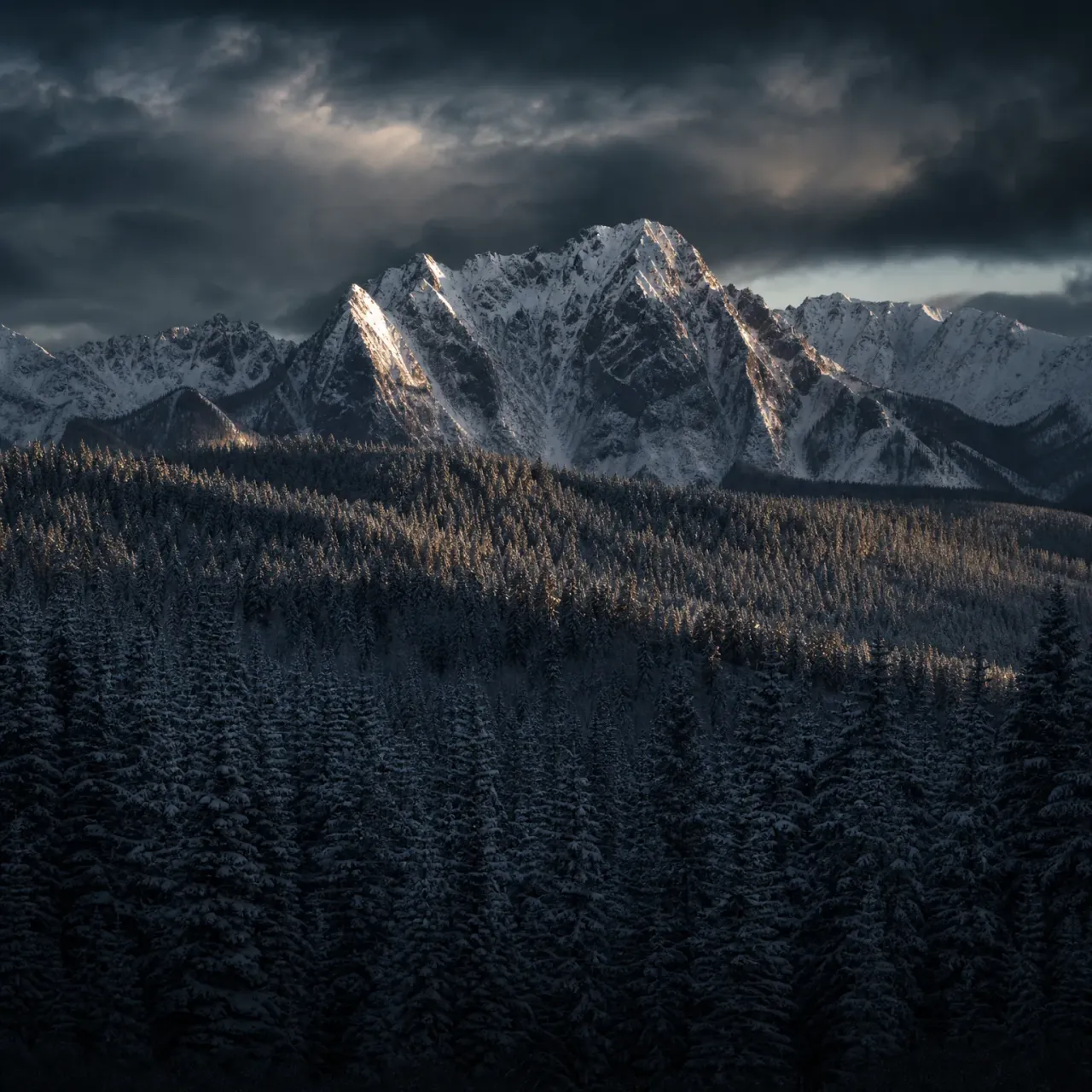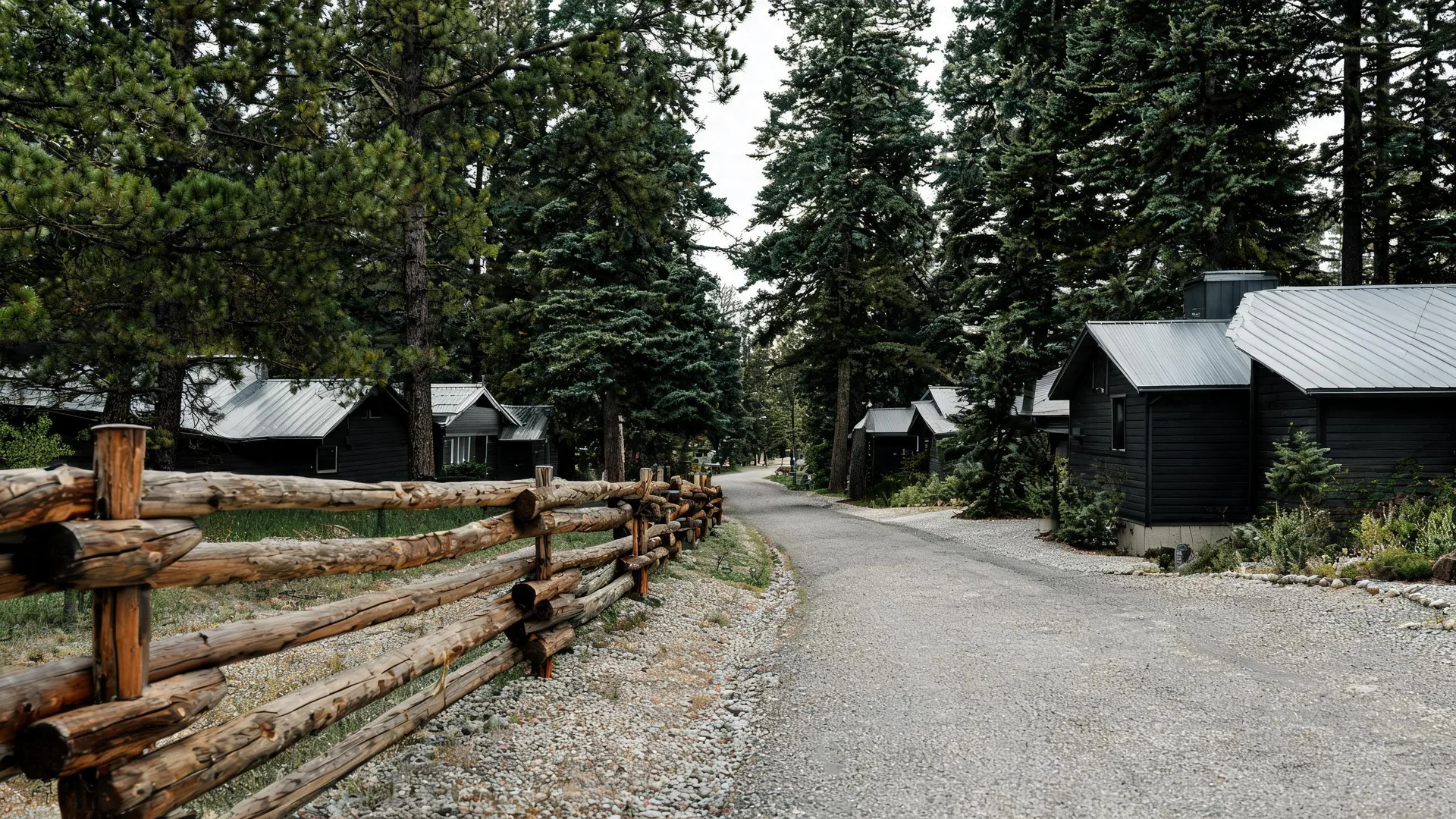
A gravel road curves between dark wood cabins with metal roofs and a split-rail log fence, surrounded by tall conifer trees under an overcast sky.

Furnace Repair in Cut Bank, MT

Tell us about the job

Takes about a minute. No obligation.

RepairFurnace or heatingGlacier County, MT
Step 1 of 2

What ZIP code is the job in?

Your furnace doesn't get a break here

Furnaces in Glacier County run every month of the year, not just through the hard winter stretch. Overnight lows average 14°F across December, January and February, well below what most of the country sees. That kind of cold means long burner cycles and a blower that rarely shuts off for good.
Problems show up sooner

A furnace that runs this much wears out its parts faster than one that gets real time off in the summer. The igniter, the blower motor, the heat exchanger, all of them are working harder, more often. Whatever is going wrong with your furnace right now is probably tied to that workload, not bad luck.

14°F
the average winter night it heats against
30 winter storms
in ten years, the nights a failure hurts most
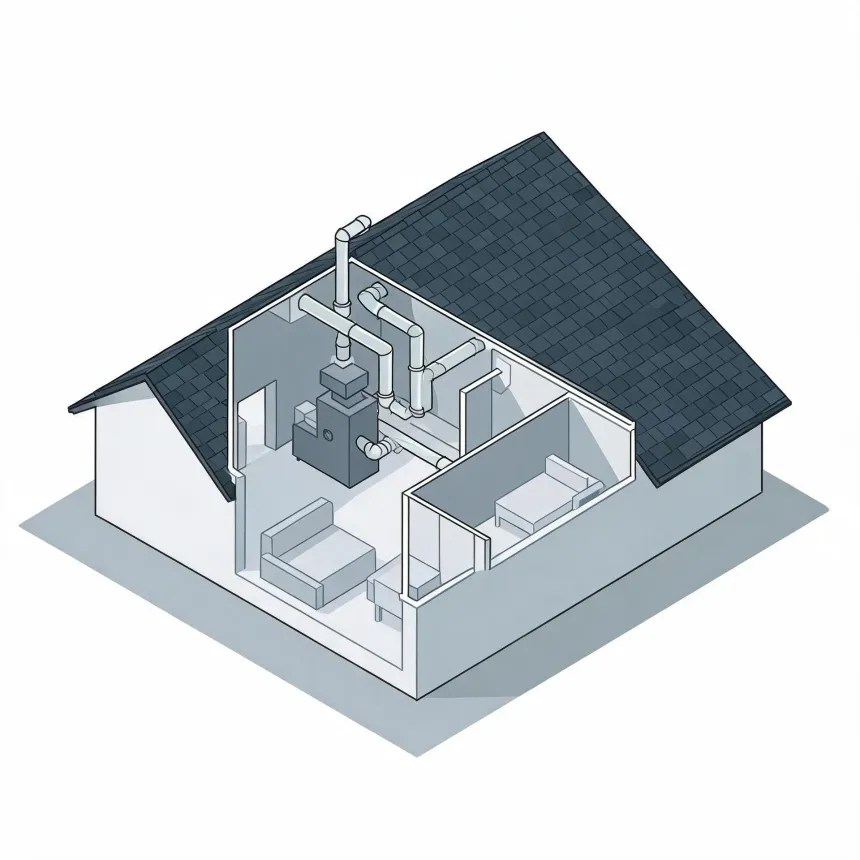
Isometric cutaway illustration of a single-story house with a dark shingled roof, showing interior rooms with furniture and a furnace connected to ductwork.
Your furnace works hardest from October through April.

NOAA nClimDiv, 1991–2020 normals

Gas here runs $7.77 per million Btu.

A furnace short-cycling or struggling to light burns more of it every day this stays broken.

This county sees weather that takes equipment out

250 severe weather events from 2015 to 2024
18% of homes statewide lost power a day or more in 2024
200 damaging wind events from 2015 to 2024

Furnaces here aren't just working against the cold. If your furnace sits near an outside wall or shares a mechanical closet with anything exposed to the outdoors, wind-driven debris and ice can get into places you won't notice from inside the house. A furnace that still lights and still blows warm air can be running with a cracked intake line or a vent pulling in more debris than it should. If you've had a bad storm roll through recently and something about the furnace changed around the same time, even something small, mention that when you get it looked at. It gives a technician a place to start instead of guessing.

Your furnace has been working hard. Get it checked properly.

A furnace that runs every month of the year doesn't get much chance to idle. Whatever part is struggling right now has been working harder than it would almost anywhere else. Getting it diagnosed properly, instead of just patched, is what makes the fix hold.

Find a contractor
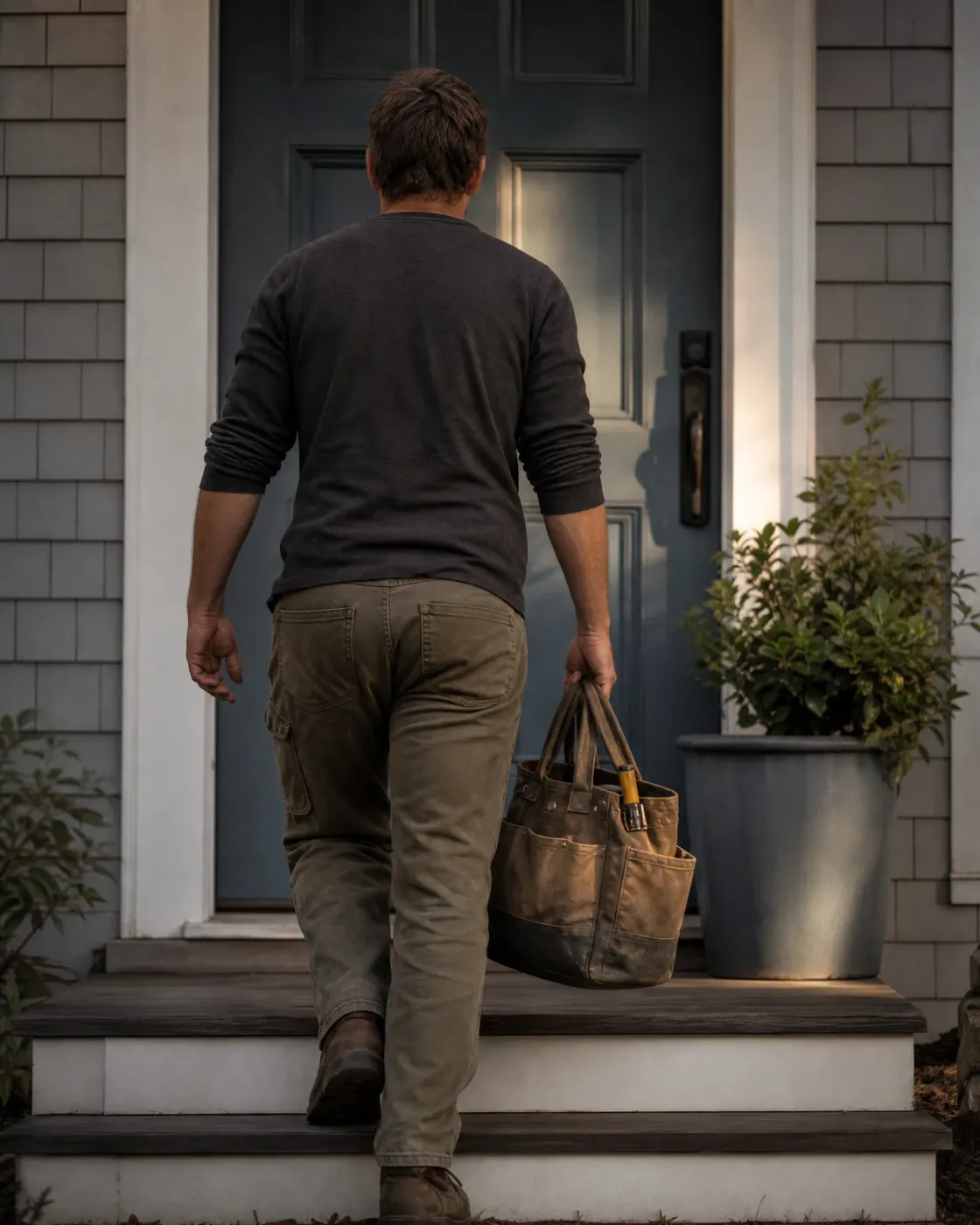
A man in a dark long-sleeved shirt and olive work pants carries a canvas tool bag up steps toward a blue-gray front door of a shingled house, with a potted shrub beside the entry.
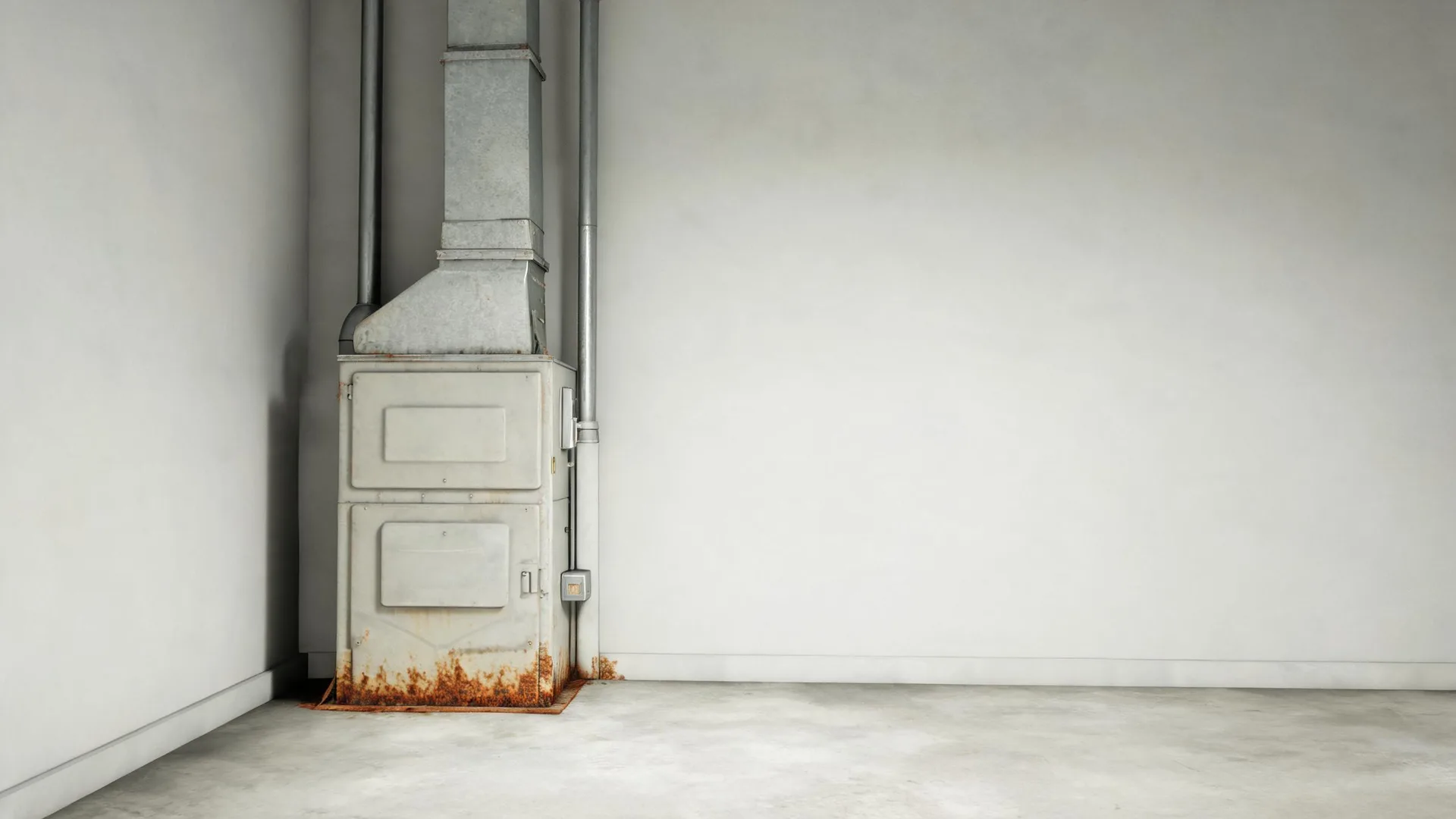
A gray high-efficiency gas furnace installed in an unfinished basement, surrounded by gas lines, a condensate drain, and sheet-metal ductwork.

What to listen for before it quits for good

Short cycling is the one most people notice first. The furnace fires, runs for a minute or two, then shuts off before the house warms up, then starts again. That's usually a flame sensor losing its ability to detect the flame, or a blower that's about to fail and the limit switch shutting things down to protect the heat exchanger. A furnace that used to run long, steady cycles and now stutters is telling you something changed. Delayed ignition is another one. You hear the gas valve open, then a pause, then a louder whump than normal when it finally lights. That delay means the igniter is weak or the flame sensor is dirty, and it's worth having looked at before it stops lighting at all. Listen for the blower too. A squeal on startup usually means the motor bearings are wearing out. A rattle that comes and goes can be a loose panel, or it can be the blower wheel itself coming loose, and those don't get better on their own. If the air coming out feels cooler than it used to, that's not always the thermostat. It can mean the heat exchanger is cracked, or the burners aren't getting full gas pressure. Either way, that's not a wait-and-see problem.

Running doesn't mean running right

A furnace with a failing part rarely shuts itself off. The blower keeps pushing air, the burners keep firing, and the system compensates where it can. A cracked heat exchanger will still heat the house. A weak igniter will still light the burners most of the time, until the flame sensor can't confirm it anymore and shuts the whole thing down. The furnace keeps going because that's what it's built to do, not because nothing is wrong.

Small faults spread to bigger ones

A blower motor with worn bearings keeps turning, but it's pulling harder to do it, and that strain works its way into the motor windings over time. A dirty flame sensor causes a few failed ignition attempts, and every one of those attempts floods the burner chamber with unburned gas before it catches. A limit switch that trips on a minor issue is protecting the heat exchanger from a bigger one. Letting any of these ride doesn't give the furnace a chance to recover. It gives the problem more time to reach the next part down the line.

A gray forced-air furnace with sheet-metal ductwork stands in an unfinished basement with exposed wooden joists, concrete walls, and a hanging incandescent bulb.

A new furnace would cut about $100 a year off heating for a typical Glacier County home.

  • A new high-efficiency furnace$410 a year
  • An older furnace$510 a year

Estimates for a typical Glacier County home, compared with an older unit built to the previous federal minimum, from EIA household energy data, Montana fuel prices and NOAA climate normals. Your home will differ.

Repair makes sense when one part has failed and the heat exchanger is sound.

Replacement makes sense when the heat exchanger is cracked or the furnace keeps needing parts.

Gas is cheap to buy here, but that doesn't help much if the furnace is burning more of it than it should. A unit that's short-cycling or taking several tries to light is working through fuel without heating the house to match. At $7.77 per million Btu, that waste adds up every day the furnace runs this way, and in Glacier County it's running most days of the year. Fixing the actual fault, the sensor, the igniter, whatever it turns out to be, stops that burn rate right away. Waiting on it just means paying for gas you're not getting heat from.