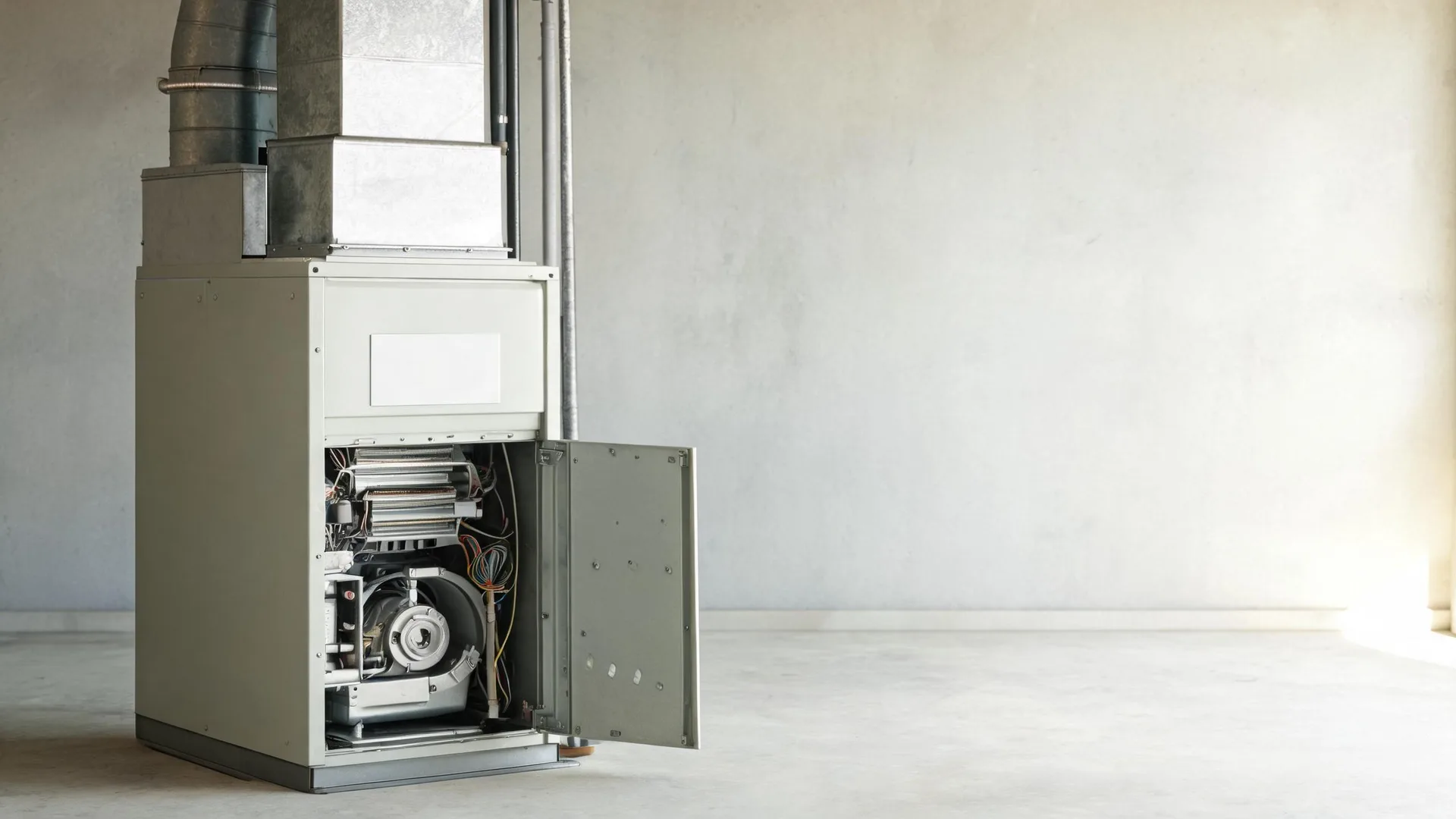
Nine months of run time
A furnace in Richland County runs from September through May. That's most of the year asking the igniter, the blower motor and the heat exchanger to cycle on and off, day after day, for nine straight months.
Takes about a minute. No obligation.
A furnace in Richland County runs from September through May. That's most of the year asking the igniter, the blower motor and the heat exchanger to cycle on and off, day after day, for nine straight months.
A furnace that runs this much wears parts down sooner than one that only kicks on a few months a year. When something starts acting up, it's worth having a contractor look at the actual cause instead of guessing, so the fix holds for the rest of the winter.
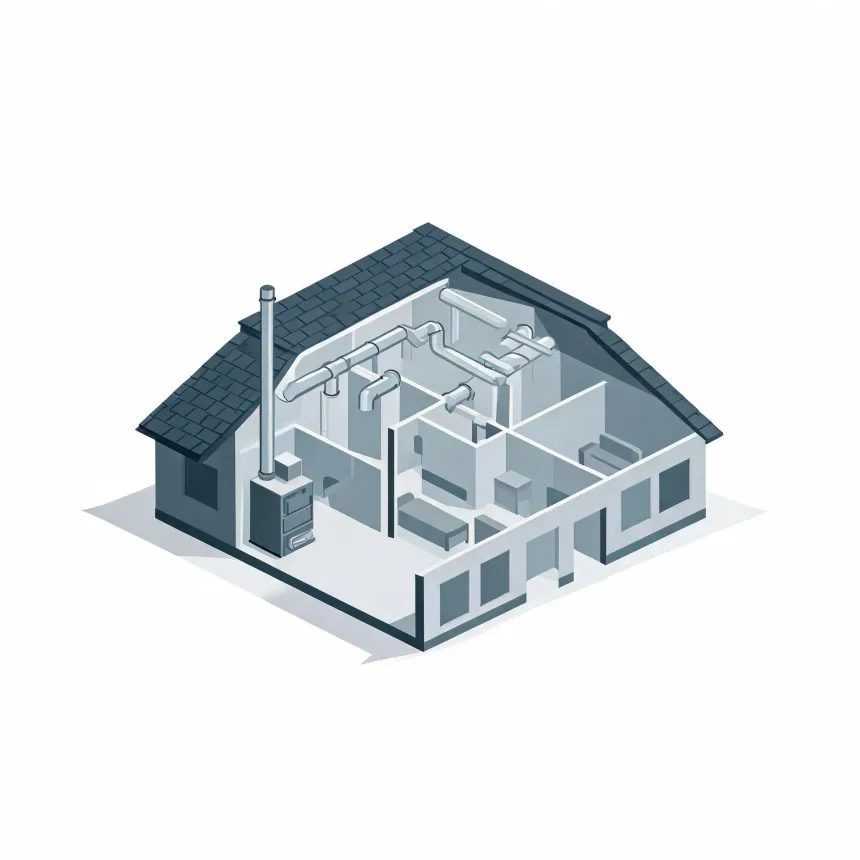
NOAA nClimDiv, 1991–2020 normals
Most furnace failures start with the igniter or the flame sensor, not the blower.
A furnace that won't light usually needs a small part replaced, not a new system.


A furnace that's short cycling, running longer than it should, or working harder to hit the thermostat setting is burning more gas to do it. At $7.77 per million Btu, that difference shows up on the bill before it shows up as a breakdown. Waiting until the furnace quits outright usually means paying that higher rate for weeks or months first, on top of whatever the repair ends up costing. A contractor can check whether it's running the way it should, not just whether it's running at all.
A furnace that runs September through May doesn't get much of a break. When it starts acting up, having a contractor find the actual cause means the fix holds for the rest of the winter, instead of calling again before spring.
Find a contractor
A furnace usually tells you something is wrong before it quits. It might take a few tries to light, or light and then shut back off a minute later. The blower might kick on and run but never seem to push out warm air. Some furnaces start making a new sound, a rattle, a squeal, a hard bang when they fire. Any of these is the machine telling you a part is failing, not working fine. A furnace that short cycles, meaning it turns on and off in short bursts instead of running a full heating cycle, is often struggling with a dirty flame sensor or a limit switch tripping early. One that won't light at all is often the igniter. A burning smell the first time it runs after sitting is normal. A burning smell that doesn't go away is not. None of these mean the whole system is done. Most of the time they mean one part has worn out and needs replacing before it takes something else down with it.
A heat exchanger that's cracked flexes a little more each time it heats up and cools down. Left running, the crack spreads, and what starts as a small leak of combustion gas gets bigger with every cycle. This is the one problem where shutting the furnace off and calling someone is the right call, not a maintenance tip.
The blower moves air across the heat exchanger to carry heat into the house. If the motor is weakening and not moving enough air, the heat exchanger runs hotter than it's built for. Keep running it that way and a bad motor can turn into a cracked heat exchanger, which is a far bigger repair than the motor alone.
Estimates for a typical Richland County home, compared with an older unit built to the previous federal minimum, from EIA household energy data, Montana fuel prices and NOAA climate normals. Your home will differ.
Repair makes sense when one part has failed and the heat exchanger is sound.
Replacement makes sense when the heat exchanger is cracked or the furnace keeps needing parts.
A diagnostic visit starts before any panel comes off. The tech asks what the furnace was doing: did it fail to light, shut off early, run without heat, make a new sound. Then they watch it try to run, because a furnace often shows the problem in the first cycle if you're there to catch it. From there it's testing, not guessing: checking for a flame signal at the sensor, checking the igniter draws the right current, checking the limit switch and pressure switch are doing their job. If the blower runs, they check how much air it's actually moving, not just whether it turns on. The furnace usually gets opened up and inspected while it's apart, since a tech standing there is the easiest time to catch a cracked heat exchanger or a cracked secondary issue before it causes a bigger failure. By the end, the point isn't just naming the broken part. It's knowing why that part failed, so the replacement doesn't fail the same way again.