

A gravel road lined with dark-clad cabins with metal gabled roofs, bordered by a rustic log fence in the left foreground and tall pine trees under an overcast sky.

Furnace Repair in Miles City, MT

Tell us about the job

Takes about a minute. No obligation.

RepairFurnace or heatingCuster County, MT
Step 1 of 2

What ZIP code is the job in?

Half the homes in Custer County were built in 1965 or earlier. That puts a lot of furnaces in this area well past the age where repairs make sense on their own terms. A furnace doesn't fail on a schedule, but the older the unit, the more a repair bill raises the question of what else is close behind it. If your furnace came with an older house, find out its age before you pay for a major repair. The repair might be the right call, or it might be money going into a machine that has little life left.

9 months
September through May, your furnace is on duty
11°F
the average winter night it heats against
62%
of homes here heat with gas, so most furnaces here burn gas
17 winter storms
in ten years, the nights a failure hurts most
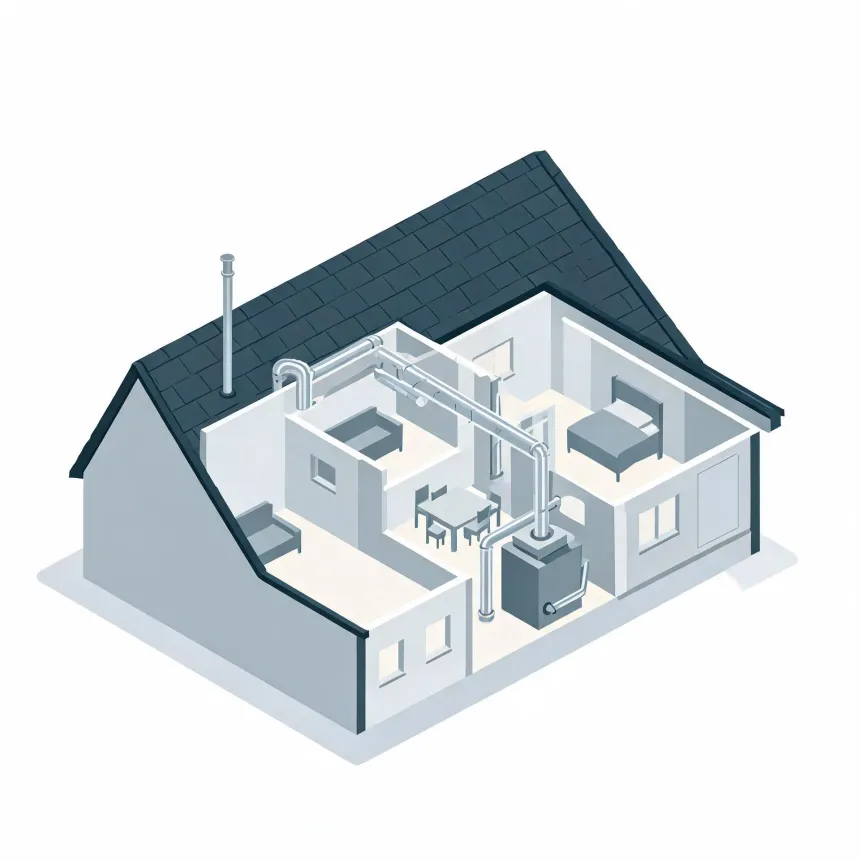
Isometric cutaway illustration of a single-story house with a dark shingled roof, showing interior rooms with furniture and a ducted furnace unit connected to metal ductwork and a roof flue.
Your furnace works hardest from November through March.

NOAA nClimDiv, 1991–2020 normals

Your furnace runs about nine months out of the year here, September through May.

A furnace worked that hard shows its problems early, so a repair call here is often about more than one bad part.

This county sees weather most places don't, and outdoor equipment takes the hit

176 severe weather events from 2015 to 2024
18% of homes statewide lost power a day or more in 2024
94 damaging wind events from 2015 to 2024
September Is When Weak Furnaces Show ItHeat starts running in September here, and a part that barely made it through last winter won't wait long to fail.

Hail and wind are part of the deal here, 94 damaging wind events and 65 hail events in this county between 2015 and 2024. A furnace itself sits indoors, but the parts tied to it outside, the flue cap, the combustion air intake, anything exposed on the exterior wall, take that weather directly. If a storm has come through since the furnace last ran right, have the whole system looked at, not just the part that's acting up. Montana also saw 18% of households lose power for a day or more in 2024. A furnace with an igniter, blower or control board already under strain doesn't always come back clean after an outage like that.

A Furnace Working This Hard Deserves a Real Diagnosis

Nine months of runtime a year wears a furnace down early, and that's usually what's under a repair call out here. Get it diagnosed properly before deciding whether this is a fix or something bigger.

Find a contractor
A man in a dark shirt and tan pants carries a canvas tool bag up stone steps toward a dark blue front door, with a potted shrub beside the entry.
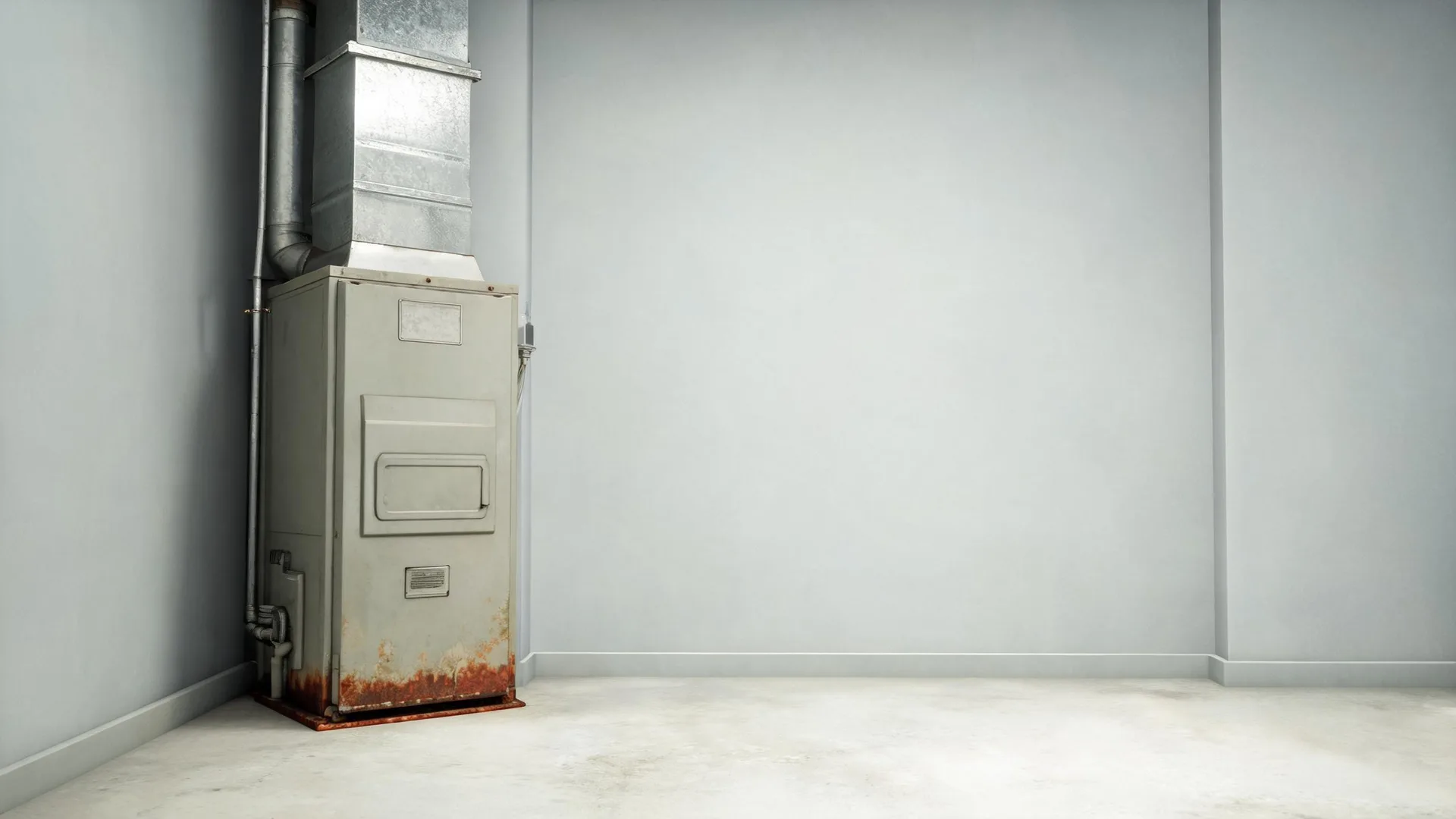
A gray gas furnace with attached ductwork and piping installed in an unfinished concrete basement.

How Old Is the Furnace, Not Just the House

Half the homes in this county were built in 1965 or earlier. If this furnace came with a house that old, it's had a long run of hard winters to work through, and a lot of them. Find out how old the furnace itself is before paying for a major repair, since the house and the furnace don't always match if anyone replaced it along the way. A furnace that old is closer to the end of its life than the middle, and that's worth knowing before the money goes in.

Check the Thermostat and the Power First

Make sure the thermostat is set to heat and the temperature is set above room temperature, not just displaying. Check the furnace switch, it looks like a light switch near the unit, and make sure it's on. Look at the breaker too. A tripped breaker or a thermostat with dead batteries looks exactly like a dead furnace, and it costs nothing to rule out.

Look at the Filter and the Flame

Pull the filter and hold it up to a light. If you can't see through it, replace it, a clogged filter can choke airflow enough to shut the furnace down on its own safety switch. If the furnace has a viewing window, a steady blue flame is normal. A yellow or flickering flame, or no flame at all while the blower runs, means it needs a tech, not a homeowner fix.

An unfinished basement featuring exposed ceiling joists, a metal HVAC unit with round ductwork, a hanging light bulb, and scattered boxes and debris along the left wall.

A new furnace would cut about $80 a year off heating for a typical Custer County home.

  • A new high-efficiency furnace$350 a year
  • An older furnace$430 a year

Estimates for a typical Custer County home, compared with an older unit built to the previous federal minimum, from EIA household energy data, Montana fuel prices and NOAA climate normals. Your home will differ.

Repair makes sense when one part has failed and the heat exchanger is sound.

Replacement makes sense when the heat exchanger is cracked or the furnace keeps needing parts.

A repair decision comes down to what actually broke and what else is riding on it. A new thermostat, a blower motor, a flame sensor, these are normal wear parts, and replacing one doesn't say much about the rest of the furnace. A cracked heat exchanger is different. That's the part that separates the flame from the air moving through your house, and once it's cracked, the furnace isn't safe to run regardless of what else still works. The control board is another one worth weighing carefully, since it often costs close to what the rest of the furnace is worth. A tech can tell you within one visit which kind of problem you've got. If the failure is isolated and the furnace has been reliable otherwise, fixing it is usually the right call. If it's the second or third repair in a short stretch, that pattern matters more than any single part that's failed.