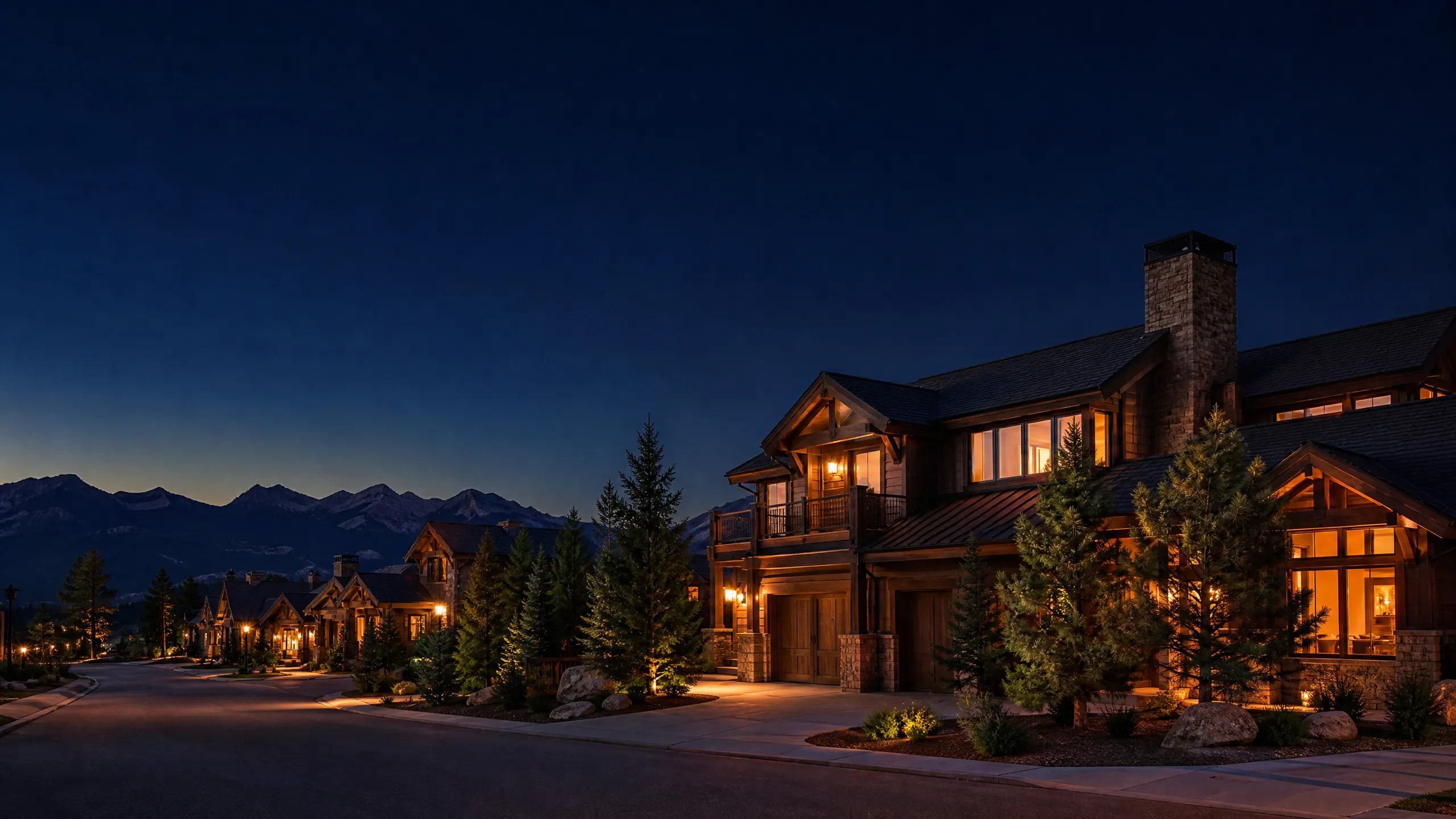


Illuminated timber-and-stone luxury homes along a residential street at dusk, with snow-capped mountains visible in the background.

Furnace Repair in Kalispell, MT

Tell us about the job

Takes about a minute. No obligation.

RepairFurnace or heatingFlathead County, MT
Step 1 of 2

What ZIP code is the job in?

A furnace that's starting to fail usually tells you before it quits outright. Short cycling is one of the clearest signs. It fires up, runs for a few minutes, then shuts off before the room ever warms. That can mean a dirty flame sensor, a clogged filter, or a limit switch tripping because airflow is restricted. Odd sounds matter too. A boom at startup points to delayed ignition, where gas builds up before it catches. A screech usually comes from the blower motor or its bearings. If the air coming out of the vents feels cooler than it used to, or one room never gets warm while others do, that's worth a look before it turns into no heat at all.

11 months
August through June, your furnace is on duty
17°F
the average winter night it heats against
124 winter storms
in ten years, the nights a failure hurts most
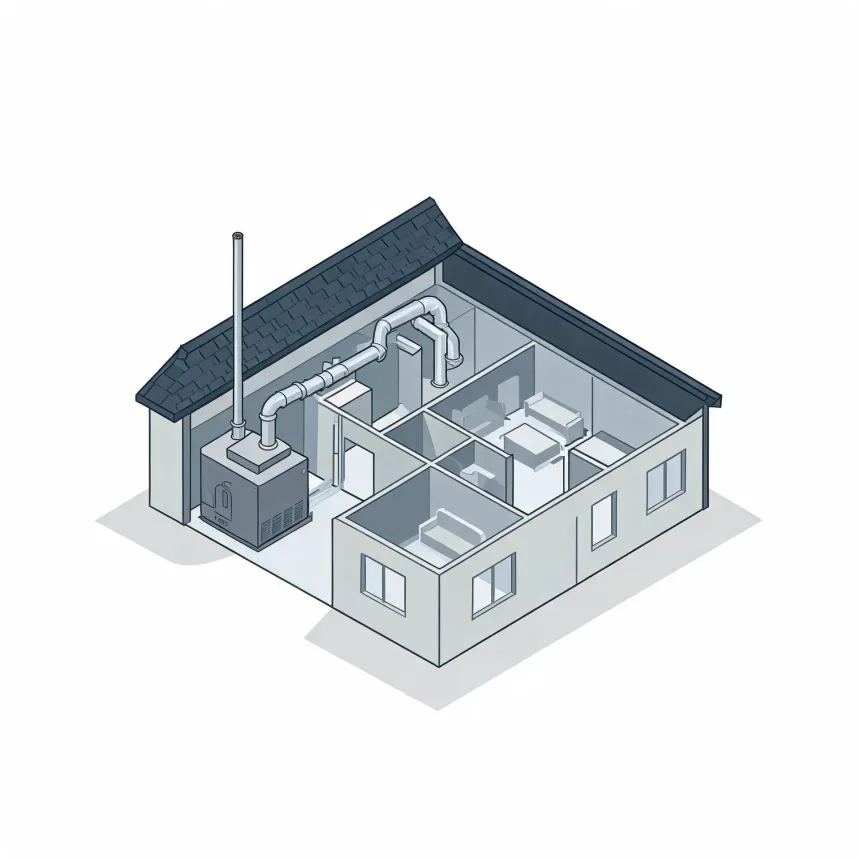
Isometric grayscale illustration of a cutaway single-story house showing interior rooms with furniture, plus an exterior furnace unit with a tall flue pipe and ducting running into the attic space.
Your furnace works hardest from October through April.

NOAA nClimDiv, 1991–2020 normals

Furnaces in Flathead County start their season in August.

A furnace that sat idle since June is already past due for the strain of a cold snap.

Half the furnaces here are in houses built in 1991 or later

Half the homes here were built by 1991
Heat runs August through June
Winter nights average 17°F
This county sees more storms than most205 severe weather events hit Flathead County between 2015 and 2024

A tech starts by asking what you have noticed. When it happens, how often, whether it is getting worse. Then they watch the furnace run through a full cycle, because some problems only show up at startup or right before shutoff. They look at the burner flame itself. A clean flame burns steady and blue. Yellow or flickering means a combustion problem, and that gets checked closely since it can point to carbon monoxide. They pull the flame sensor and check it for buildup, test the igniter, look at the pressure switch and the limit switch. Airflow gets checked too. A lot of furnace trouble traces back to air that cannot move the way it should. By the end you should know exactly what part failed and why, not just that something did.

A furnace running eleven months a year doesn't give you much room for guesswork

Furnace here runs about eleven months a year, and winter nights average 17°F. That kind of use wears parts down faster than you'd expect, whatever year the system itself was put in. If yours is short cycling or making noise it hasn't made before, get the cause pinned down now, so the fix holds through the next storm.

Find a contractor
A man in a dark long-sleeve shirt, tan work pants and a cap climbs porch steps toward a gray door, carrying a canvas tool bag in his right hand, with a potted shrub to the right.
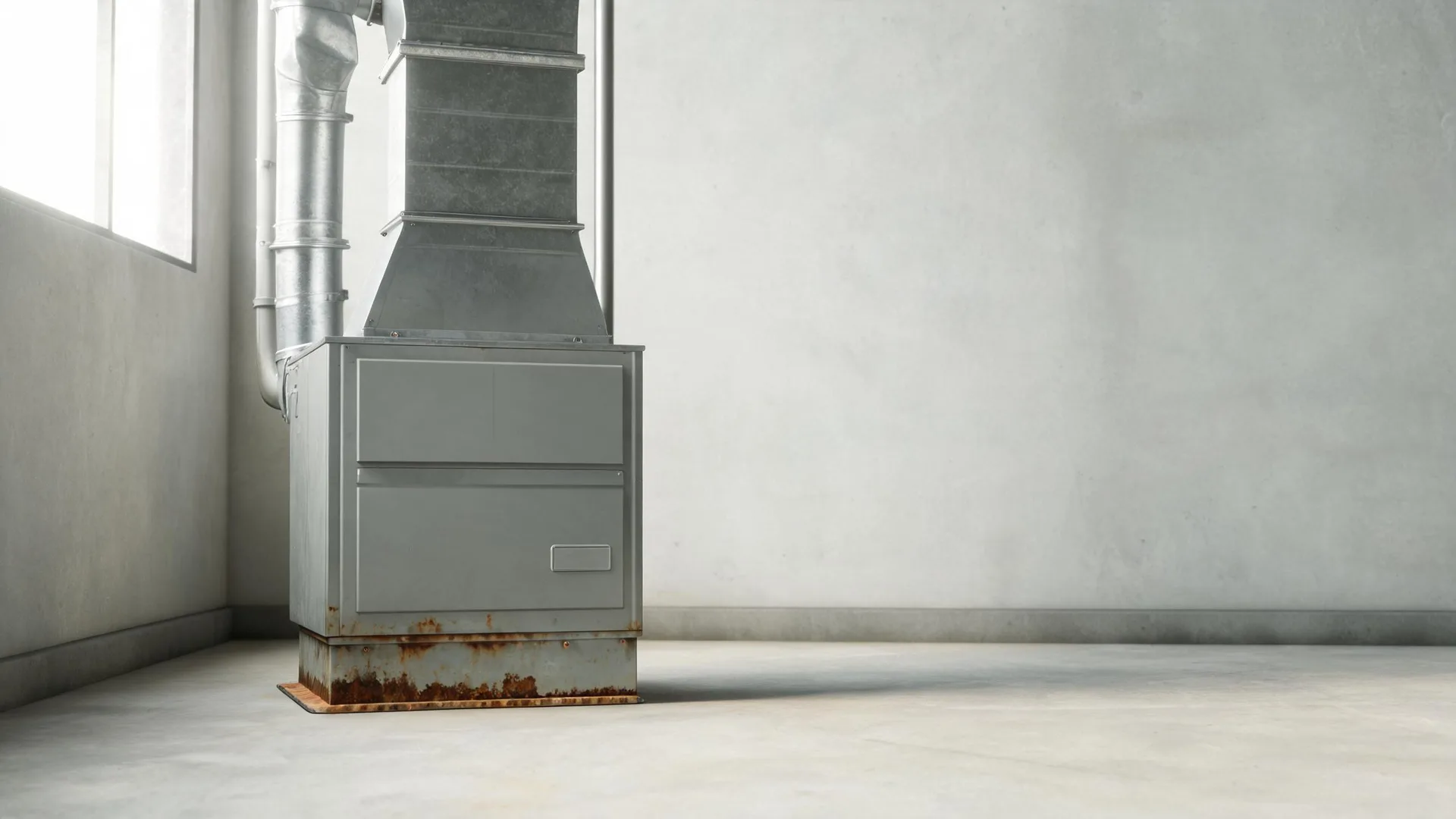
A gray gas furnace with attached ductwork and piping installed in an unfinished concrete basement.

Find out where it stands before you write it off

Ask the tech where your furnace actually stands before you decide it's not worth fixing. If the house is newer, there's a decent chance the furnace is original to it and still has plenty of years left, worth confirming rather than assuming. A sensor or switch failing doesn't mean the unit is done, even on an older system. Get the part named and the repair done, then ask what else to watch for.

What you can check before anyone comes out

Check the thermostat first. Make sure it's set to heat, not cool, and the set temperature is actually above room temperature. Replace the batteries if it uses them. Go to the furnace and check that the switch on or near it, usually mounted on the side like a light switch, is flipped on. Check the breaker in your electrical panel. Look at the filter. If you can't see light through it, it's choking off airflow and that alone can cause shutdowns.

What to leave alone

Don't take the cover off the burner compartment or go near the gas valve. If you smell gas, don't flip any switches at all, just get out and call the gas company from outside. Don't reset a switch or breaker more than once if it trips again right away. That's the furnace telling you something's actually wrong, not asking to be tried again.

An unfinished basement containing a gas furnace with ductwork in the foreground and miscellaneous stored items along the far concrete wall.

A new furnace would cut about $100 a year off heating for a typical Flathead County home.

  • A new high-efficiency furnace$400 a year
  • An older furnace$500 a year

Estimates for a typical Flathead County home, compared with an older unit built to the previous federal minimum, from EIA household energy data, Montana fuel prices and NOAA climate normals. Your home will differ.

Repair makes sense when one part has failed and the heat exchanger is sound.

Replacement makes sense when the heat exchanger is cracked or the furnace keeps needing parts.

A failed part doesn't mean a failed furnace. Igniters, flame sensors, pressure switches and limit switches all wear out on their own schedule, separate from the furnace around them, and swapping one out brings a furnace with plenty of life left back to normal. What changes the math is the heat exchanger. That's the part that cracks instead of wearing gradually, and when it goes, the fix isn't worth doing because the furnace is on its way out anyway. Age matters less than people think. A furnace that's been running fine for years and suddenly throws one bad part is usually still a repair. One that's started needing a different fix every season is telling you the parts around the first failure are close behind it.