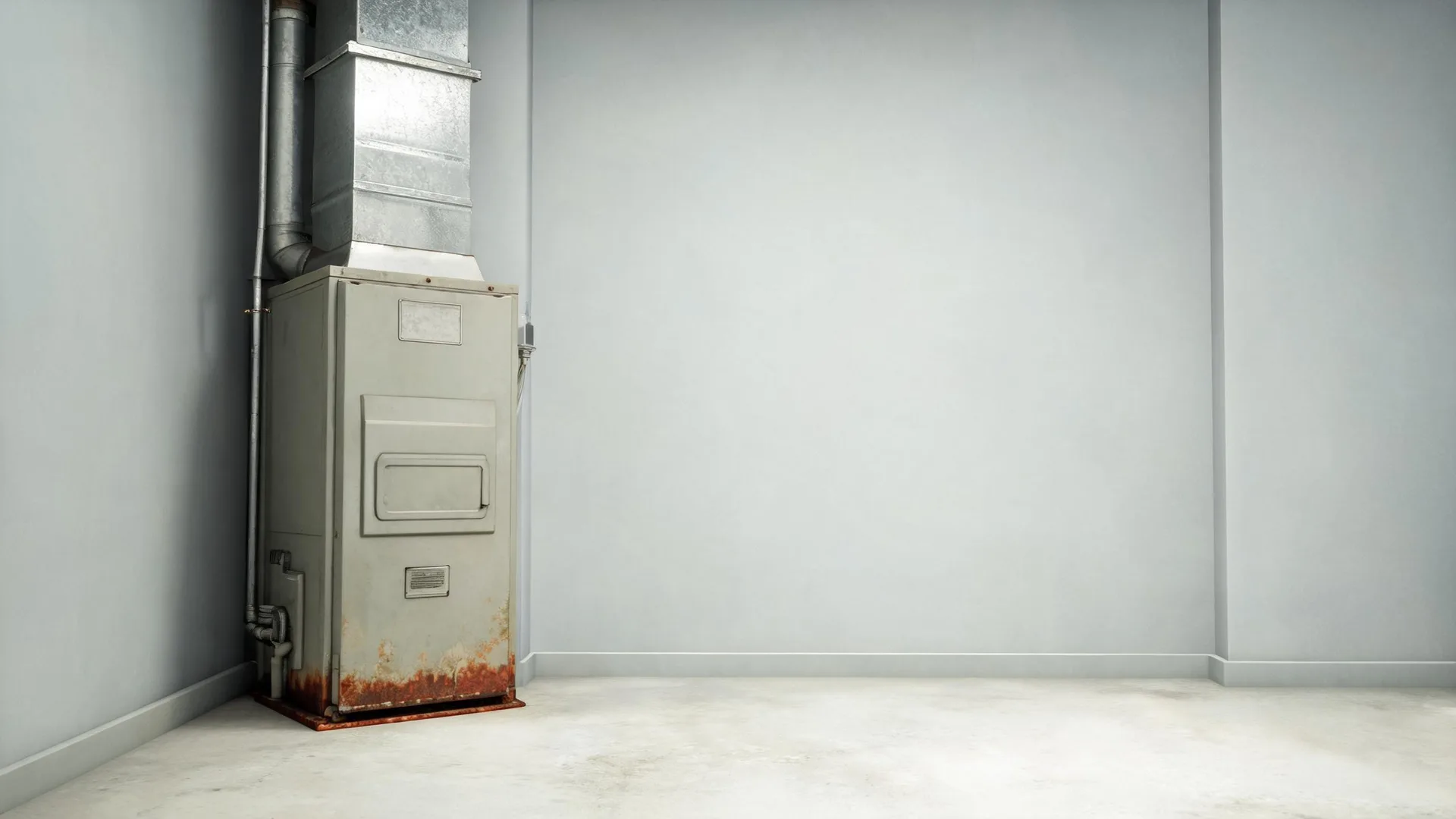
Ten months of run time
A furnace in Blaine County runs from September through June. That's most of the year asking the igniter, the blower motor and the heat exchanger to cycle on and off, over and over, with barely a break in summer to rest.
Takes about a minute. No obligation.
A furnace in Blaine County runs from September through June. That's most of the year asking the igniter, the blower motor and the heat exchanger to cycle on and off, over and over, with barely a break in summer to rest.
With that much run time, a furnace here wears into problems sooner than the same unit would somewhere milder. A short in the limit switch or a cracked heat exchanger needs a real diagnosis, not a guess, so whatever gets fixed actually holds.
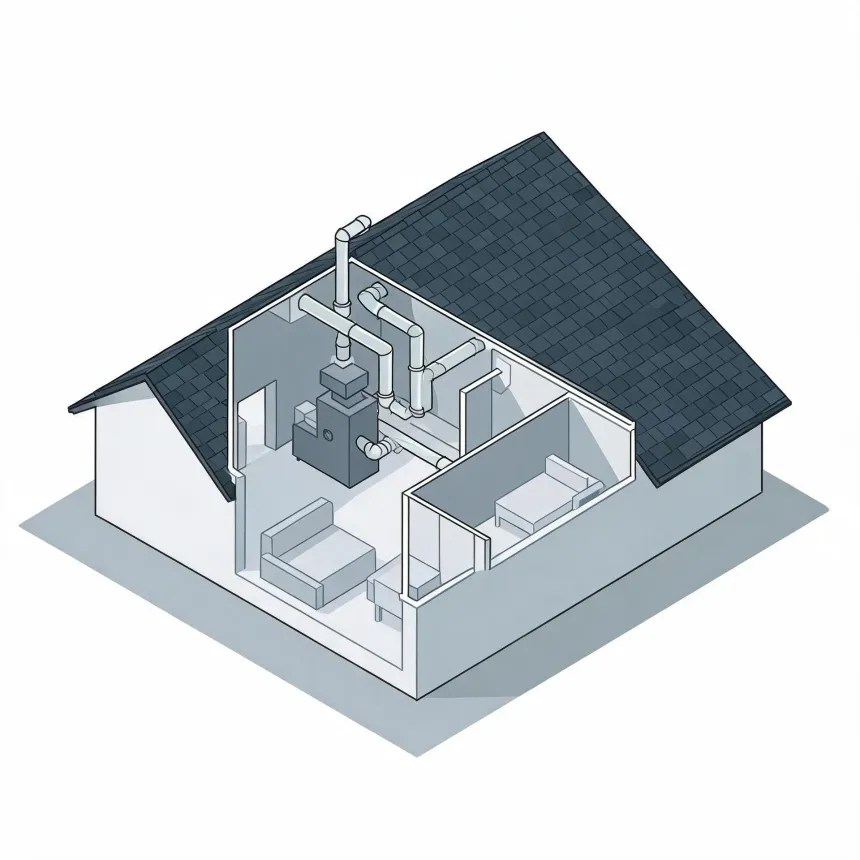
NOAA nClimDiv, 1991–2020 normals
Gas here runs $7.77 per million Btu, and a furnace that's struggling burns through it every time it cycles.
A furnace that short-cycles or runs long to keep up costs you more with every month it goes unfixed.
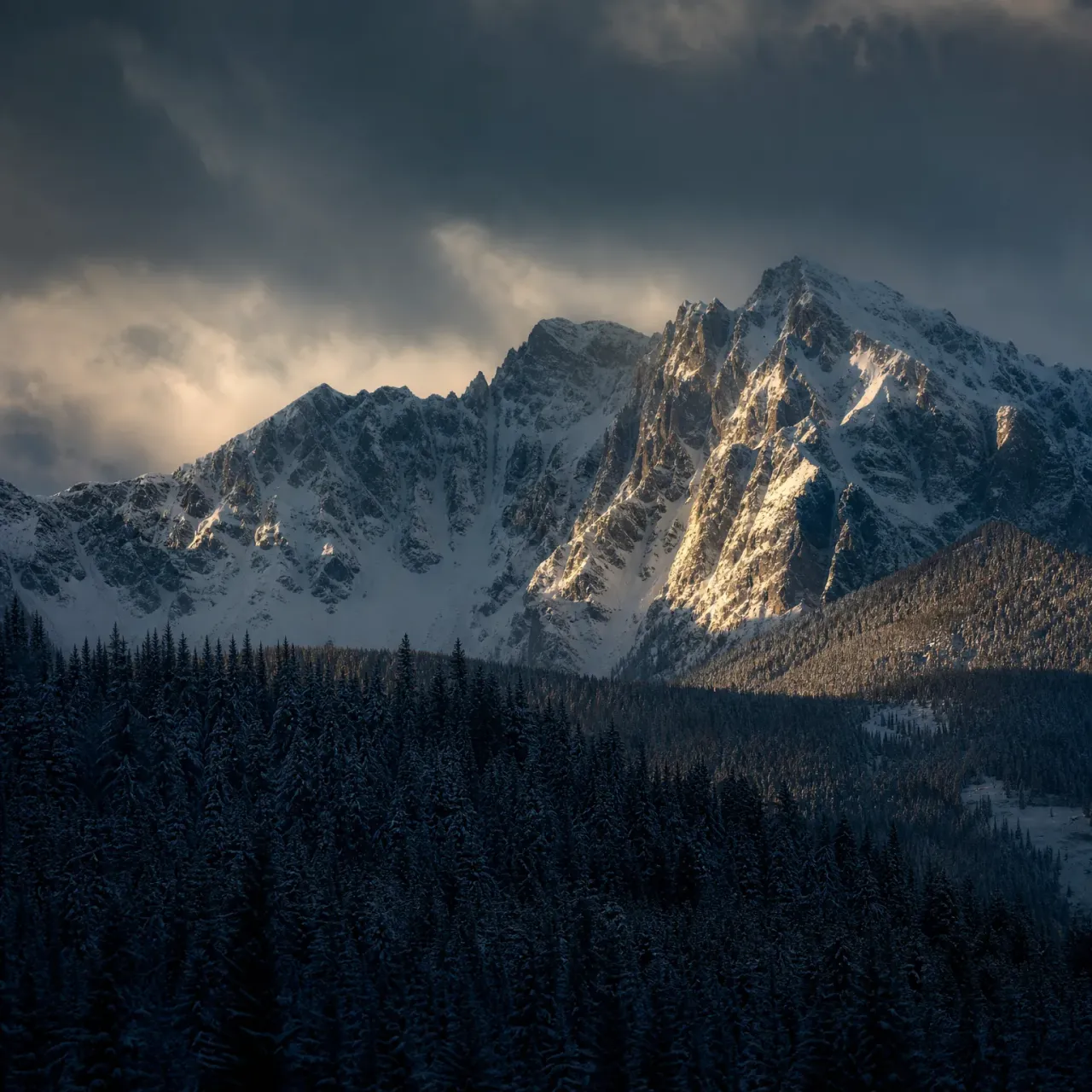



A furnace that's cycling on and off too fast, or running long and still not warming the house, isn't going to fix itself by spring. Every day it runs that way is another day of gas burned for less heat. If yours is making a new noise, taking longer to catch, or leaving rooms colder than they should be, that's worth a call now rather than after the next cold snap. Waiting doesn't save you anything here. It just adds up on the next bill, and the one after that.
Get the actual part checked, not just the symptom. A furnace cycling this much all winter is going to show its weak point somewhere, and finding which part it is now means the fix holds instead of coming back in a month.
Find a contractor
If your furnace came with a house built in 1972 or earlier, ask the contractor one question before any part gets replaced: is this worth fixing. A furnace that's been running that long may already be near the end of what it can give you, and a cracked heat exchanger or a dying control board on a unit that old is a different decision than the same part failing in a furnace from the last ten years. Get a straight answer on how much life is left in it. That answer should come before the repair, not after.
Before anyone comes out, check the thermostat is set to heat and the setting is above room temperature. Check the furnace switch, the one that looks like a light switch near the unit, is flipped on. Check the breaker hasn't tripped. Then look at the air filter. A filter clogged with dust chokes off airflow, and a furnace starved for air can overheat and shut itself down as a safety measure. If yours hasn't been swapped in a while, pull it and look at it against the light. If you can't see light through it, that alone could be the whole problem.
Don't open the burner compartment or go near the heat exchanger. Don't try to relight a pilot that keeps going out, since a pilot that won't hold usually means a failing thermocouple or a draft problem, and relighting it over and over doesn't fix either one. If you smell gas, don't flip any switches at all. Get outside and call from there. Anything past the filter and the switches is a job for someone who can test the parts with a meter, not guess from the outside.
Estimates for a typical Blaine County home, compared with an older unit built to the previous federal minimum, from EIA household energy data, Montana fuel prices and NOAA climate normals. Your home will differ.
Repair makes sense when one part has failed and the heat exchanger is sound.
Replacement makes sense when the heat exchanger is cracked or the furnace keeps needing parts.
A diagnostic visit starts before any panel comes off. The tech asks what the furnace is doing, when it started, and whether it's one room or the whole house. Then they'll check the thermostat call is actually reaching the unit, and watch it go through a full cycle: ignition, blower start, flame sense, shutdown. Each step either happens on time or it doesn't, and where it stalls points straight at the part. A meter checks the igniter's resistance and the flame sensor's microamp signal, since both can look fine and still be failing. The heat exchanger gets inspected for cracks, because a cracked one lets combustion gas mix into the air the blower pushes through the house. None of this is guesswork. It's ruling things out in order until the one part that's actually bad shows itself.