Ten months of run time
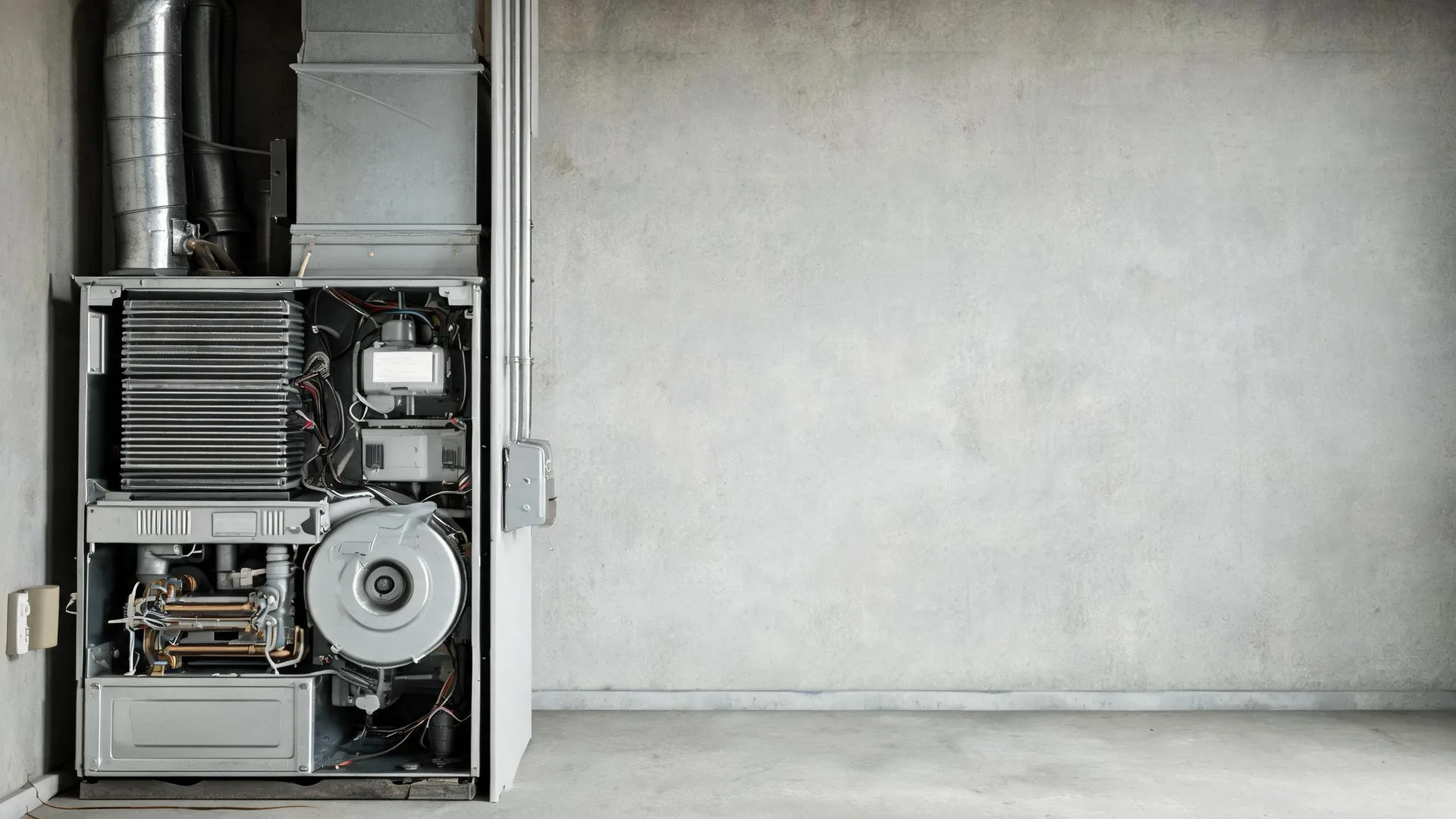
A furnace in Valley County runs from September through June. That leaves barely two months where it sits idle. The burner, the igniter, the blower motor, all of them are cycling on and off for most of the year.
Takes about a minute. No obligation.
A furnace in Valley County runs from September through June. That leaves barely two months where it sits idle. The burner, the igniter, the blower motor, all of them are cycling on and off for most of the year.
A furnace that runs this long doesn't fail out of nowhere. Parts wear down a little at a time, and what looks like a sudden problem is usually the last stage of something building for a while. Getting it diagnosed right matters more here, because the part that quit is rarely the only one under strain.
NOAA nClimDiv, 1991–2020 normals
Half the furnaces in Valley County sit in homes built in 1966 or earlier.
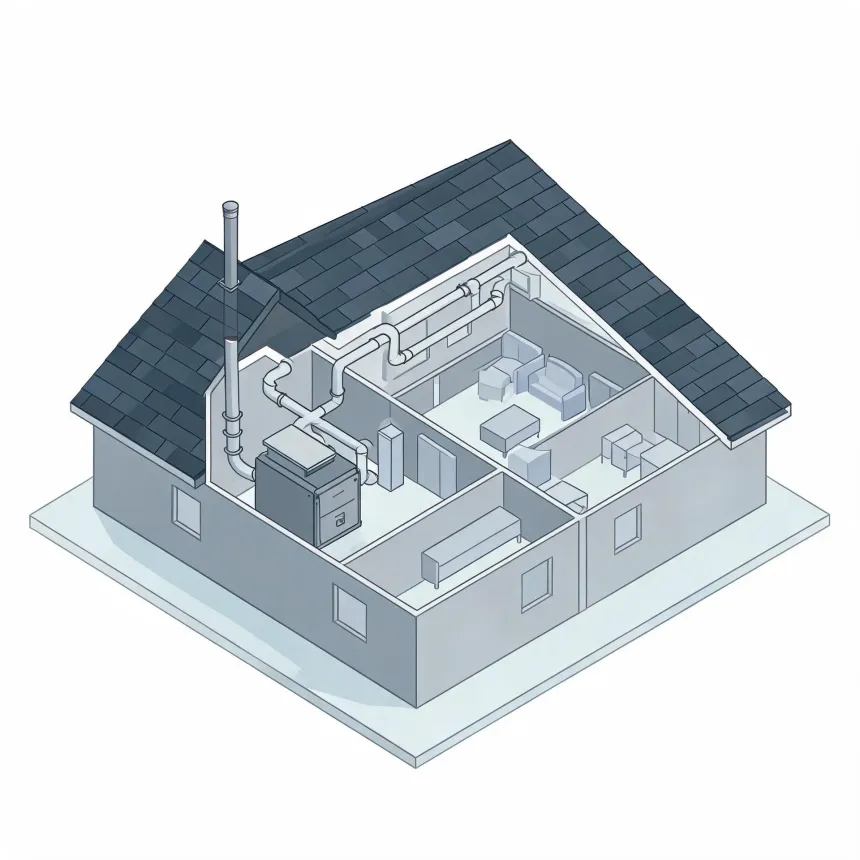
A furnace that old has likely already been replaced once or is overdue, so a repair call here needs to ask how much life is left in it.

Valley County sees weather that's rough on outdoor equipment. Between 2015 and 2024 the county recorded 256 damaging wind events and 85 hail events, along with 37 winter storms bringing heavy snow, ice and blizzards. A furnace itself usually sits inside, out of the weather, but the flue, the vent pipe, and any outdoor combustion air intake are exposed to all of it. Wind-driven debris or ice buildup around a vent can block it without you knowing until the furnace starts acting up. Statewide, 18% of Montana households lost power for 24 hours or more in 2024, and a furnace with electronic ignition won't run at all until that power is back. If your system took a hard freeze or a bad storm recently, it's worth having someone look at the vent and intake even if the furnace is still putting out heat.
With this much run time behind it, a furnace rarely fails clean. The part that's acting up has usually been under strain for a while, and it's worth finding out what else that strain may have reached before it's fixed.
Find a contractor
If your furnace came with the house, ask the technician straight out how many years it likely has left before you pay for this repair. Half the homes here were built in 1966 or earlier, and a furnace in one of those houses has had a long run, maybe long enough that the one in there now is already a replacement for the original. Either way, a repair on a system that old is worth weighing against what a new one would cost to install. Get that number before you decide to sink money into the one you have.
Look at the thermostat first. Make sure it's set to heat and the set point is actually above room temperature, and swap the batteries if it uses them. Check the filter next. A filter clogged with dust chokes airflow and can cause the furnace to shut itself off partway through a cycle. Walk around and check that every supply vent and return grille is open and clear of furniture or rugs. Find the switch on the furnace or nearby wall that looks like a light switch. It's a power cutoff, and it's not unusual for someone to bump it by accident. Last, check the breaker box. A tripped breaker will stop the whole unit cold.
If the pilot light or igniter won't catch after a couple of tries, stop resetting it and get it looked at. Repeated ignition failures usually mean a part is failing, not that it needs one more attempt. Any smell of gas means leaving the house and calling the gas utility before anyone calls a repair contractor. Soot around the furnace cabinet, a burner flame that looks yellow instead of blue, or a carbon monoxide alarm going off are not things to troubleshoot yourself. Those point to a combustion problem, and the furnace needs to stay off until someone qualified checks it.
Estimates for a typical Valley County home, compared with an older unit built to the previous federal minimum, from EIA household energy data, Montana fuel prices and NOAA climate normals. Your home will differ.
Repair makes sense when one part has failed and the heat exchanger is sound.
Replacement makes sense when the heat exchanger is cracked or the furnace keeps needing parts.
A repair decision comes down to what failed and what it's connected to. A blower motor or an igniter can usually be replaced on its own, and that repair holds up fine on a furnace with plenty of life left in it. A cracked heat exchanger is a different matter. Once that cracks, the unit is usually done, because the exchanger isn't something that gets swapped out on its own in most furnaces. Where the furnace stands in its expected life changes how a repair should be weighed. Early on, a single part failing is just a part failing. Later on, the same repair is worth less on its own, because whatever else has been running that long is closer to needing attention too. A second or third major repair inside a short stretch is telling you something, even on a furnace that isn't old yet. Ask the technician what failed and whether that part tends to take others down with it.