

An unfinished basement containing a forced-air furnace with metal ductwork, exposed wooden ceiling joists, a hanging Edison bulb, and bare concrete floors.

Furnace Repair in Deer Lodge, MT

Tell us about the job

Takes about a minute. No obligation.

RepairFurnace or heatingPowell County, MT
Step 1 of 2

What ZIP code is the job in?

Furnaces in Powell County run about eleven months a year, from August through June. There's barely a month off in between. That's a long season for an igniter, a blower motor, or a heat exchanger to work without a real break. Most furnaces in other parts of the country get to sit idle half the year. Here, the parts that cycle on and off thousands of times keep cycling almost year round, and that's usually what's behind a furnace acting up before you'd expect it to.

11 months
August through June, your furnace is on duty
14°F
the average winter night it heats against
81 winter storms
in ten years, the nights a failure hurts most
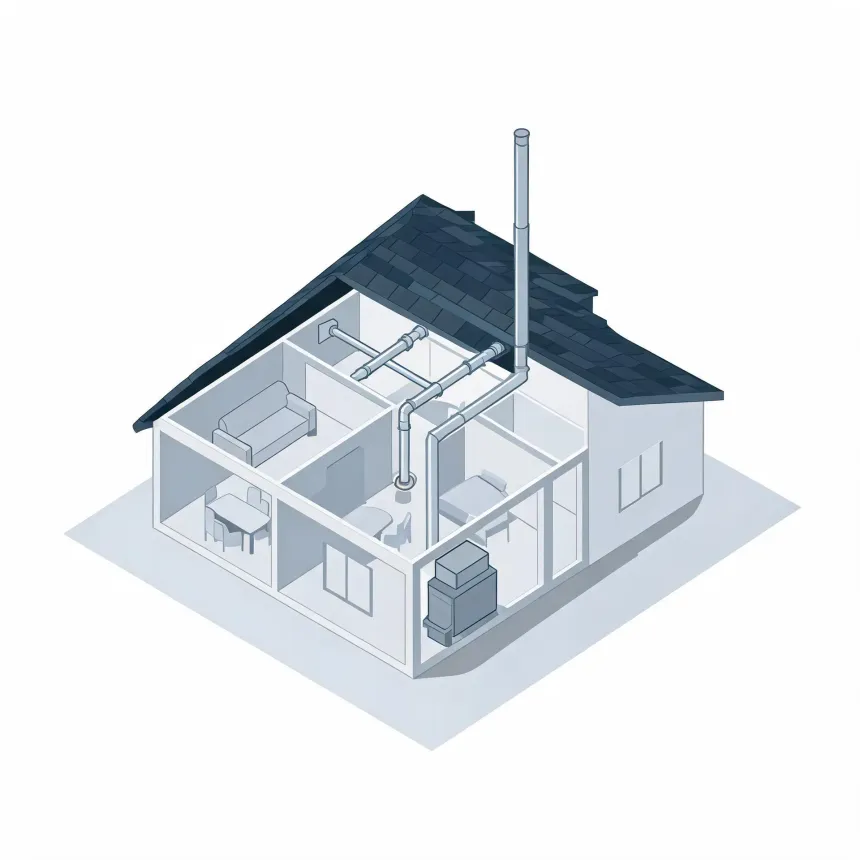
Isometric cutaway illustration of a single-story house showing interior rooms with furniture, ductwork and piping running to a tall vertical flue through the dark shingled roof, and a furnace-like appliance unit on the floor.
Your furnace works hardest from October through April.

NOAA nClimDiv, 1991–2020 normals

Half the homes in Powell County were built in 1966 or earlier.

A furnace in a house that old has likely had more than one owner before this problem showed up.

Gas runs $7.77 per million Btu here, and a furnace that's struggling burns it anyway

Heat runs August through June
Winter nights average 14°F
Climate zone 6B

July is the only month a furnace here gets to sit. Come August it's back on, and whatever was already wearing thin from last season doesn't get fixed by sitting idle for four weeks. That's usually when a weak igniter or a tired blower motor gives out, right when the furnace starts working again, not months later in the cold. A furnace that's acting up now, before the hard part of winter even starts, is telling you something worth listening to. Waiting on it means waiting into the months when Powell County overnight lows average 14 degrees, and a furnace that quits then is a bigger problem than the same furnace quitting today.

A furnace that runs this much deserves a real diagnosis

Almost year round, your furnace doesn't get much downtime to show a problem before it's time to rely on it again. If it's acting up now, that's worth a real diagnosis, not a guess, so whatever gets fixed actually holds for the next stretch of runtime ahead.

Find a contractor
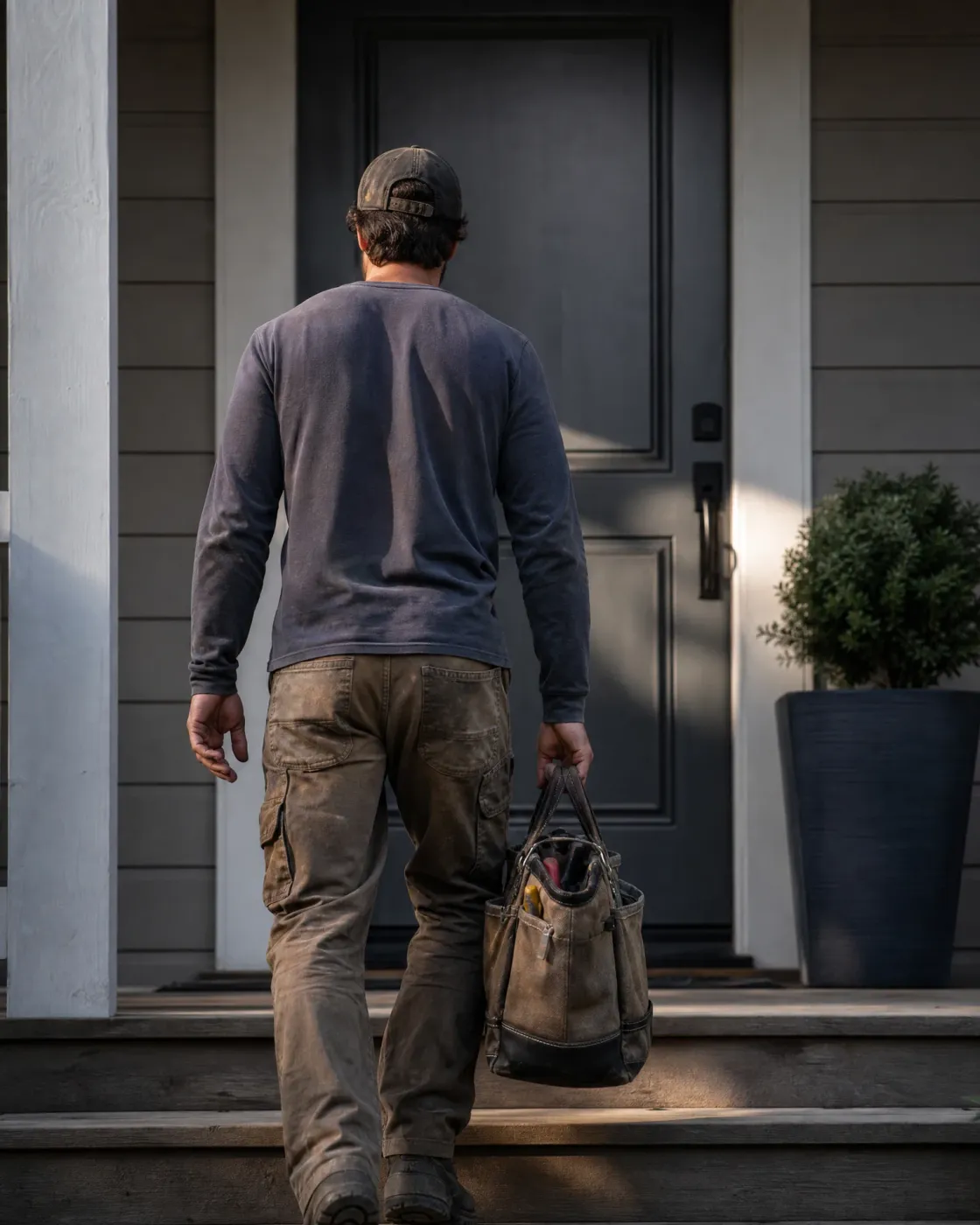
A man in a cap, dark long-sleeve shirt and dirty work pants walks up wooden steps toward a dark gray front door, carrying a canvas tool bag in his right hand, with a potted shrub beside the entry.
A gray residential gas furnace installed in an unfinished basement, surrounded by ductwork, a metal flue pipe, and a gas supply line.

How much life is left in it

If a furnace is this old, a repair bill is worth asking a question first. Get the technician to tell you what else on the unit looks close to done before paying to fix the one part that failed. A heat exchanger near the end of its life can make a blower motor repair money wasted inside a year. That's worth knowing before the check gets written, not after.

A small problem doesn't stay small

A cracked heat exchanger or a failing limit switch is meant to shut the furnace down before things get worse. Keep overriding that or keep running the unit past the point it's telling you something's wrong, and a repair turns into a replacement. Heat builds where it shouldn't, metal fatigues faster, and a blower motor working against a clogged filter or a failing capacitor burns itself out sooner than it should.

Some signs mean stop now

A furnace that's short cycling, tripping its limit switch, or putting out a burning smell needs to be shut off, not watched for a few more days. Running it through that keeps stressing the same part that's already failing, and it can take the blower motor or the heat exchanger down with it. A technician can usually save the part that's struggling if it gets looked at before it fails outright.

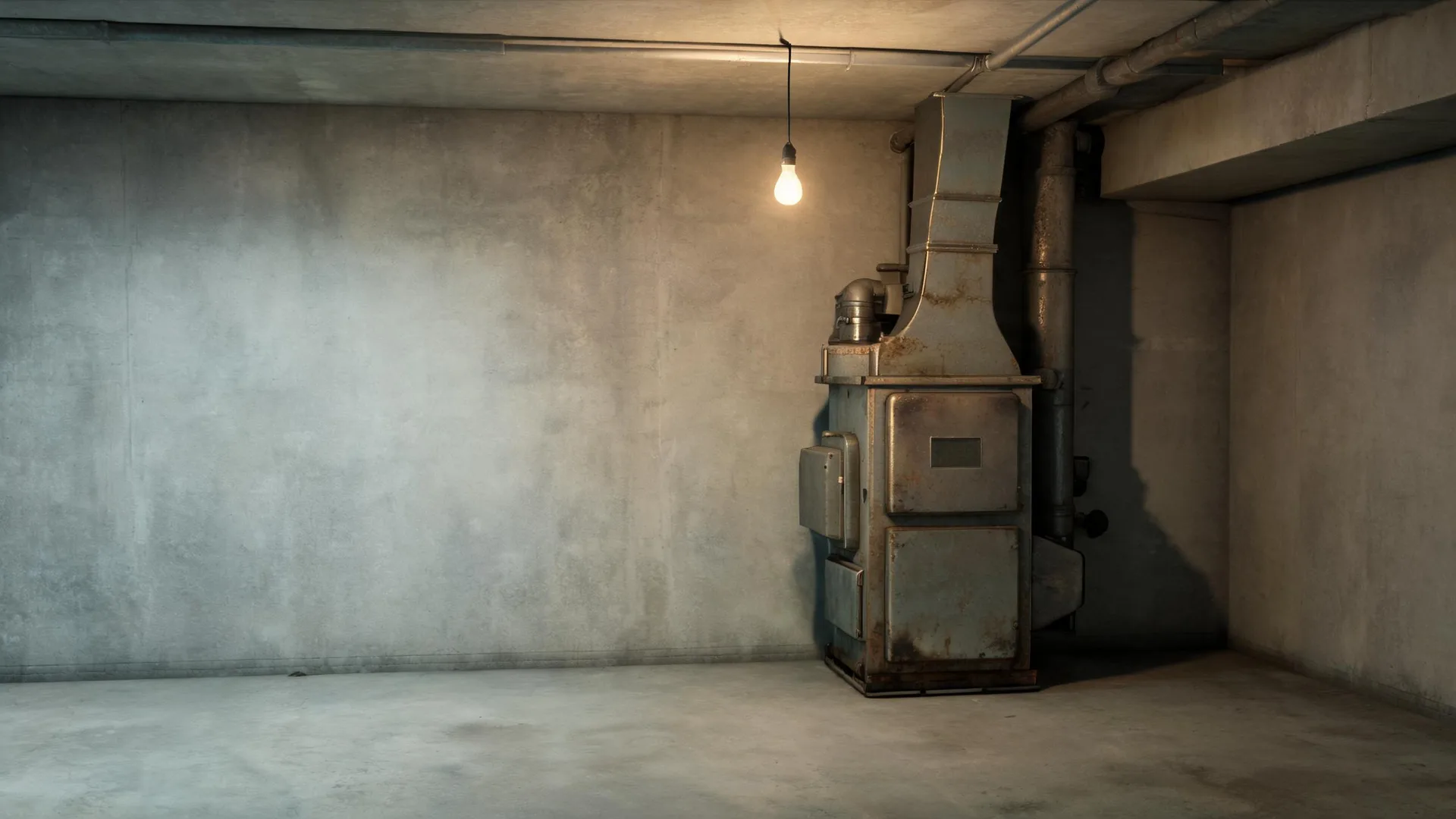
An unfinished basement containing a metal furnace with ductwork, exposed wooden joists on the ceiling, cardboard boxes, a coiled cable, and a single hanging incandescent bulb.

A new furnace would cut about $100 a year off heating for a typical Powell County home.

  • A new high-efficiency furnace$410 a year
  • An older furnace$510 a year

Estimates for a typical Powell County home, compared with an older unit built to the previous federal minimum, from EIA household energy data, Montana fuel prices and NOAA climate normals. Your home will differ.

Repair makes sense when one part has failed and the heat exchanger is sound.

Replacement makes sense when the heat exchanger is cracked or the furnace keeps needing parts.

A diagnostic visit starts before any panel comes off. A technician asks what the furnace is doing, when it started, and what it sounds or smells like when it happens. That gets narrowed down with the thermostat, the filter, and the vents, the simple things that mimic bigger failures if they get skipped. Then the panels come off and the real checks start: the flame sensor, the igniter, the pressure switch, the blower wheel, the wiring at the control board. A technician checks the flue for proper draft and tests the heat exchanger for cracks, since that's the one failure that means stop running the furnace, not just repair it. By the end, the point isn't just naming the failed part. It's telling you whether the rest of the unit is holding up, so the repair holds and nothing else is about to go with it.