


An unfinished basement featuring exposed ceiling joists, a metal HVAC unit with round ductwork, a hanging light bulb, and scattered boxes and debris along the left wall.

Furnace Repair in Malta, MT

Tell us about the job

Takes about a minute. No obligation.

RepairFurnace or heatingPhillips County, MT
Step 1 of 2

What ZIP code is the job in?

Phillips County sees real weather. Between 2015 and 2024 the county recorded 319 severe weather events, including 210 cases of damaging wind and 48 hail events. Two tornadoes touched down in that same stretch. Wind and hail don't just threaten the roof. A furnace hooked to an outdoor unit or venting through an exterior wall can take a hit from flying debris or ice buildup without showing it right away. Winter storms hit the county 59 times in that period, which matters because that's exactly when a furnace can't afford to be working at half capacity. If your system has been through a bad storm, it's worth having someone look even if it's still running.

9 months
September through May, your furnace is on duty
8°F
the average winter night it heats against
50%
of homes here heat with gas, so most furnaces here burn gas
59 winter storms
in ten years, the nights a failure hurts most
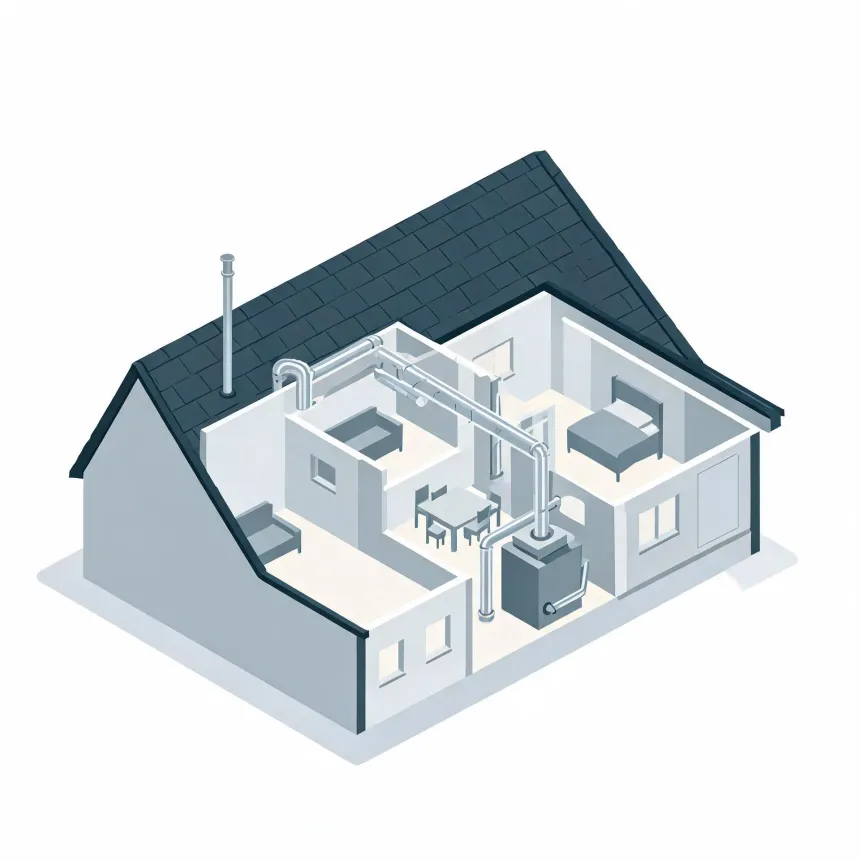
Isometric cutaway illustration of a single-story house with a dark shingled roof, showing interior rooms with furniture and a ducted furnace unit connected to metal ductwork and a roof flue.
Your furnace works hardest from November through March.

NOAA nClimDiv, 1991–2020 normals

Furnaces here start working in September.

A weak part usually fails in those first weeks, not in the dead of January.

Nine months of heat a year, not three or four

Heat runs September through May
Winter nights average 8°F
Climate zone 6B

Natural gas ran $7.77 per million Btu in Montana last year. A furnace that's short-cycling, running longer than it should, or struggling with a dirty burner isn't just annoying, it's burning more gas to make the same heat. That cost shows up on the bill whether the furnace is repaired or not. A furnace with a bad igniter or a clogged flame sensor often still runs, just worse, and worse means more gas for less warmth. Fixing it stops that waste instead of paying it every month until winter's over.

After the storm passes, have the furnace checked

If your furnace vents through an outside wall or ties to an outdoor unit, a storm can leave a mark that doesn't show up as a problem right away. After any bad wind or hail, it's worth having it looked at, even if it's still heating fine.

Find a contractor
A man in a dark shirt and tan pants carries a canvas tool bag up stone steps toward a dark blue front door, with a potted shrub beside the entry.
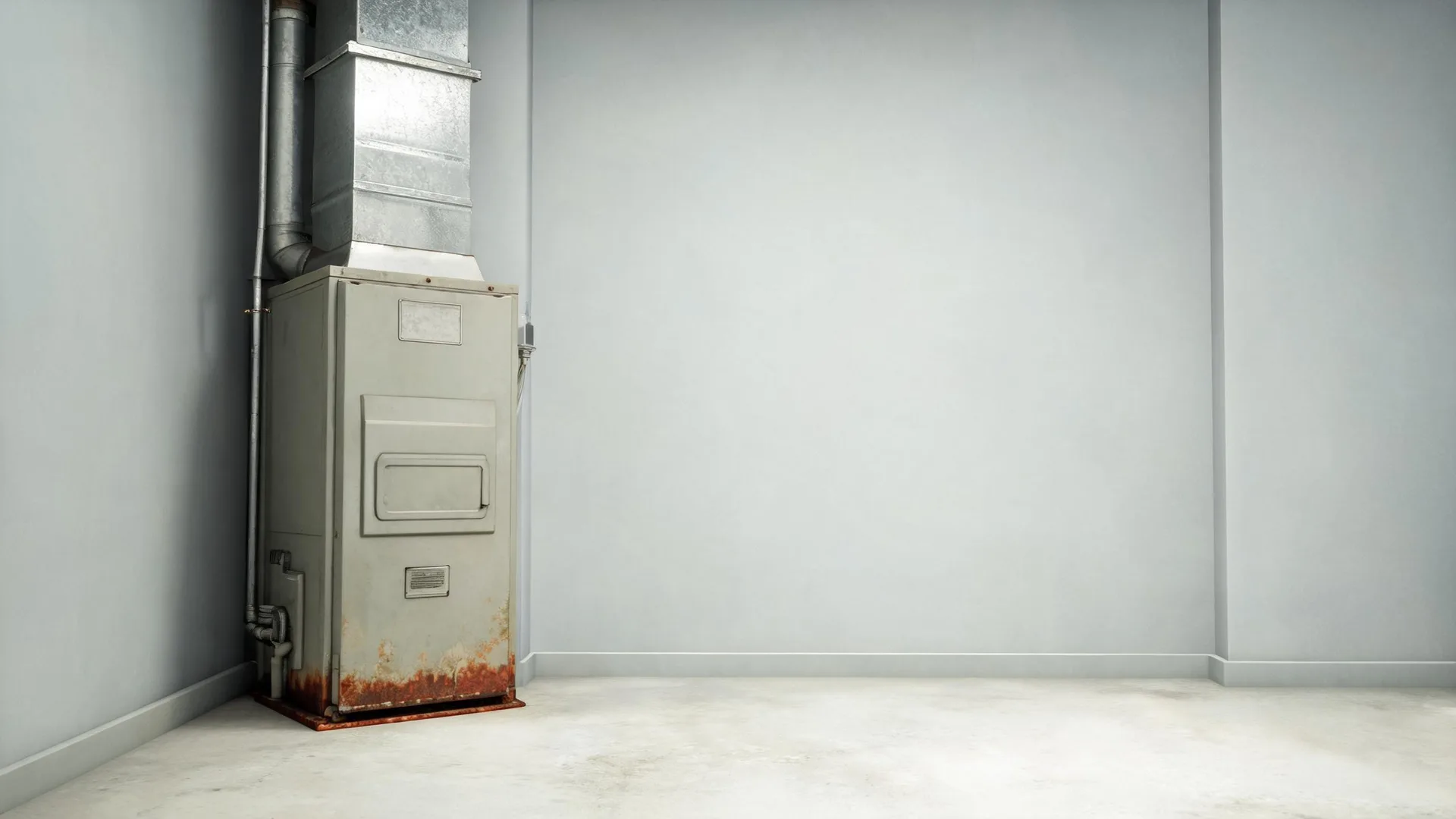
A gray gas furnace with attached ductwork and piping installed in an unfinished concrete basement.

Nine months a year is a long time to run

September through May, that's nine months a year the furnace is on. That's most of the year spent heating, not just a cold snap here and there. All those hours add up on the parts that wear, the igniter, the blower motor, the heat exchanger, and a furnace running that long each year doesn't get much time to sit idle and recover. If something's off with yours, a proper diagnosis finds which part gave out instead of guessing. That's what makes the fix actually hold for the rest of the season.

Most failures start with ignition

A furnace that won't light is usually down to one part. The igniter can go weak and stop glowing hot enough to catch the gas. The flame sensor can get a layer of residue on it and tell the control board there's no flame when there is. Either one will shut the system down as a safety measure, not a glitch.

Wear shows up as behavior, not noise

A failing part rarely makes itself obvious right away. A furnace that short-cycles, runs longer than it used to, or blows cool air before it warms up is telling you something inside has already started to go. Catching it at that stage is a smaller job than waiting for it to quit outright.

An unfinished basement interior showing a gray furnace unit beneath a bare incandescent bulb, surrounded by exposed joists, concrete walls, cardboard boxes, and utility pipes.

A new furnace would cut about $90 a year off heating for a typical Phillips County home.

  • A new high-efficiency furnace$370 a year
  • An older furnace$460 a year

Estimates for a typical Phillips County home, compared with an older unit built to the previous federal minimum, from EIA household energy data, Montana fuel prices and NOAA climate normals. Your home will differ.

Repair makes sense when one part has failed and the heat exchanger is sound.

Replacement makes sense when the heat exchanger is cracked or the furnace keeps needing parts.

A furnace is worth fixing when the failure is one part doing its job badly: an igniter, a flame sensor, a pressure switch, a control board. Swap the part and the rest of the system, the blower, the heat exchanger, the gas valve, goes back to doing what it's always done. It's a different question when the heat exchanger itself is cracked. That part isn't sold on its own, because a cracked exchanger can leak combustion gas into the air the blower pushes through the house, and no tech will patch that. At that point you're not repairing the furnace, you're replacing it, and whatever else is still good inside the cabinet doesn't change that. Age matters less than what's actually broken. A furnace that's been maintained can run a long time on a string of small repairs. One that's been neglected can hit a wall early, not because it's old, but because wear nobody addressed finally caught up with it.