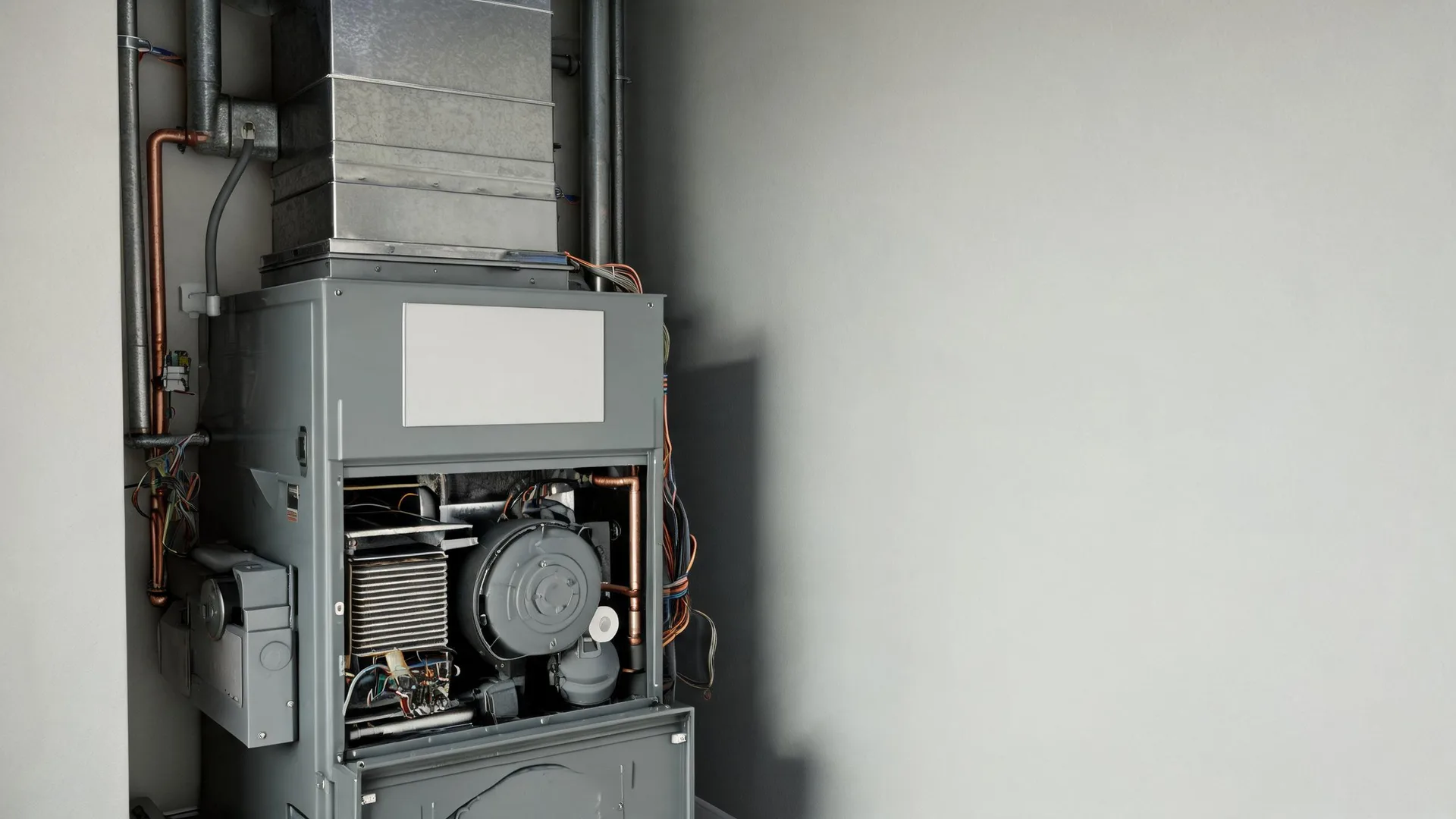
Ten months of work a year
A furnace around Plentywood runs from September through June. That's most of the year, not just the coldest stretch, asking the ignition system, the blower and the heat exchanger to keep up.
Takes about a minute. No obligation.
A furnace around Plentywood runs from September through June. That's most of the year, not just the coldest stretch, asking the ignition system, the blower and the heat exchanger to keep up.
A furnace running this many months a year wears parts down faster than one that only kicks on now and then. Whatever's wrong with yours, get it looked at properly instead of guessing, so the fix holds.
NOAA nClimDiv, 1991–2020 normals
Furnaces around Plentywood start running in September.
A part that was already weak from last winter tends to fail in those first cold weeks, not months later.

Most homes around Plentywood heat with propane, and propane here runs $22.28 per million Btu. A furnace that's short-cycling or running longer than it should burns through that fuel every time it fires. You might not notice a weak furnace struggling, you just notice the bill creeping up. A furnace that runs most of the year will burn that fuel most of the year too, so a problem that seems small now is costing you something every day it's not fixed.
Whatever's going wrong with yours has been building for a while. Get it checked properly so the actual problem gets fixed, not just today's symptom.
Find a contractor
If your furnace is original to the house, a repair bill is a judgment call, not just a fix. Ask the contractor what's actually wrong and what else on the unit is close behind it. Sometimes that's a part worth replacing on its own. Sometimes it's a sign to start pricing a new furnace instead of feeding this one.
A furnace that's struggling usually tells you before it quits outright. The burner flame turns yellow or flickers instead of burning steady blue. The air coming out of the vents feels lukewarm instead of hot. You hear a bang or rumble when it fires up, or a screech from the blower. Some rooms heat fine and others don't. It cycles on and off more than it used to, or runs long stretches without shutting off. Any one of these is the furnace telling you a part is failing before the whole thing goes down.
A pilot light or igniter that won't hold, a blower that won't start, or a smell of gas means stop and get it looked at. A cracked heat exchanger will sometimes show up as soot around the cabinet or a strange odor when the furnace runs, and that's not something to wait on. Short cycling, weak airflow, or a thermostat that seems to be ignored by the furnace are usually a single worn part, a flame sensor, a limit switch, a dirty flame sensor, and not the whole unit. Catching it at that stage is almost always a smaller job than waiting for it to take something else out with it.
Estimates for a typical Sheridan County home, compared with an older unit built to the previous federal minimum, from EIA household energy data, Montana fuel prices and NOAA climate normals. Your home will differ.
Repair makes sense when one part has failed and the heat exchanger is sound.
Replacement makes sense when the heat exchanger is cracked or the furnace keeps needing parts.
Age is the real question behind repair versus replacement, more than any single part failing. A cracked heat exchanger, a draft inducer motor that's seizing, a control board with scorch marks on it, these are signs the furnace is wearing out as a whole, not just the one part that happens to have quit first. If the repair in front of you is small and the rest of the unit is sound, fix it and move on. If the contractor finds one worn part but mentions two or three others that are close behind it, that's the furnace telling you where it's headed. A unit near the end of its life tends to fail in stages, one component after another, and a repair that holds for a season can still be followed by the next part giving out. There's no shame in replacing something that's still technically running. The question isn't whether it works today, it's whether it's worth paying to keep it working next winter too.