
Illuminated timber-and-stone luxury homes along a residential street at dusk, with snow-capped mountains visible in the background.

Furnace Repair in Livingston, MT

Tell us about the job

Takes about a minute. No obligation.

RepairFurnace or heatingPark County, MT
Step 1 of 2

What ZIP code is the job in?

A furnace in Park County doesn't get a break between seasons. Homes here run heat in every month of the year. Overnight lows average 13°F through December, January and February, so when the cold sets in, the furnace runs long hours just to keep up. Add 175 winter storms in the past decade and the system isn't sitting idle waiting for a cold snap, it's cycling hard, over and over. That kind of workload wears on an igniter or a blower motor faster than it would somewhere milder. When something starts acting up, it's usually not bad luck. It's the system telling you it's been working hard.

13°F
the average winter night it heats against
175 winter storms
in ten years, the nights a failure hurts most
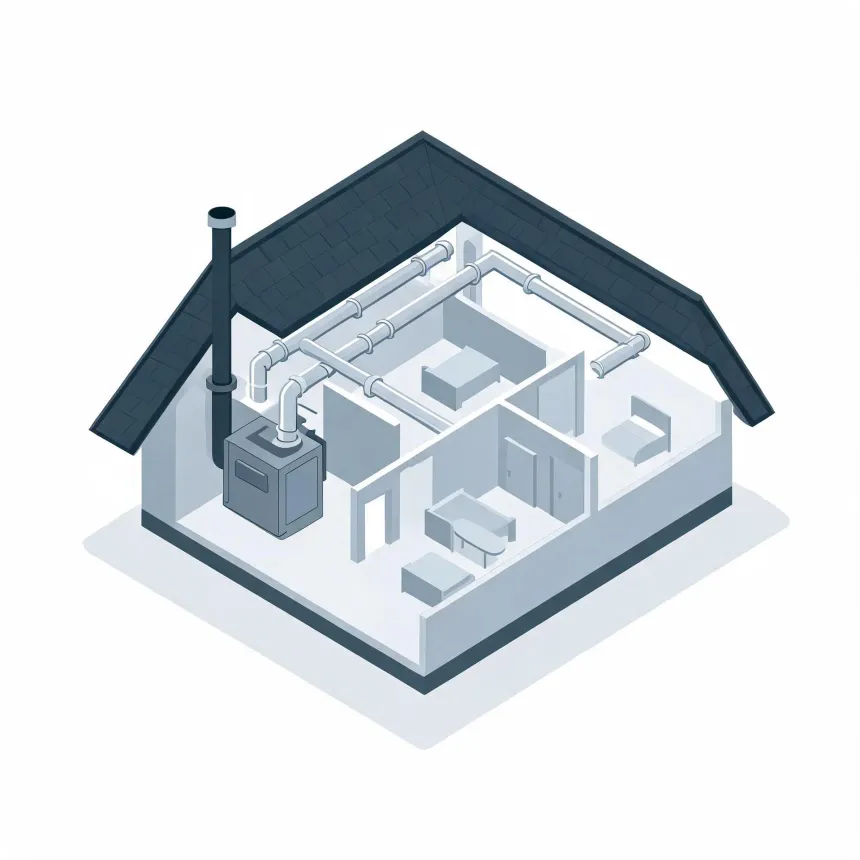
Isometric illustration of a cutaway house showing a dark furnace unit with a flue pipe and branching ductwork running through rooms with simple furniture under a dark gabled roof.
Your furnace works hardest from October through April.

NOAA nClimDiv, 1991–2020 normals

Half the homes in Park County were built in 1980 or later.

A furnace that age usually still has years left in it, so a repair call makes sense before anyone talks about replacing it.

Natural gas here runs $7.77 per million Btu, and a struggling furnace burns more of it every day it goes unfixed

Winter nights average 13°F
175 winter storms from 2015 to 2024
Climate zone 6B

Park County gets hit with weather most places don't see. The county logged 120 damaging wind events and 15 hail events between 2015 and 2024, on top of 175 winter storms in that same stretch. A furnace itself sits inside, but the outdoor venting and the electrical supply it depends on don't get that shelter. Wind-driven debris can dent a vent cap or knock a line loose without anyone noticing right away. Statewide, 18% of Montana households lost power for a day or more in 2024, and a furnace with electronic ignition won't fire without it. If your system came through a storm and still seems to run fine, it's worth having someone look it over anyway. Some damage doesn't show up as a problem until the next cold snap asks the furnace to work for it.

Have it looked at before the next cold snap asks more of it

A furnace that runs every month of the year doesn't get much downtime to show you a problem before it becomes one. If yours is acting up, that's worth checking now rather than waiting to see if it gets worse. A tech can tell you what's actually wearing out and whether a repair will hold.

Find a contractor
A gray residential gas furnace installed in an unfinished basement, connected to sheet-metal ductwork and PVC pipes.

A newer system is usually worth fixing

Half the homes here were built in 1980 or later, so there's a good chance your furnace is within its working life rather than at the end of it. That's worth knowing before a repair call, not after. Ask the tech which part is failing and whether it's worth fixing, and let the age of the system factor into that answer instead of guessing at it. A furnace with years left in it is usually worth the repair.

A small problem can turn into a bigger one

A cracked heat exchanger or a failing limit switch doesn't stay small if the furnace keeps cycling. Heat stresses metal, and metal that's already cracked or warped gets worse every time it heats up and cools back down. A blower motor with a bad bearing will keep running too, right up until it seizes. Letting the furnace keep going because it still technically works usually turns a part replacement into a bigger repair.

Some signs mean stop, not wait and see

A furnace that's short cycling, tripping its limit switch, or showing a flame that's flickering or yellow instead of steady blue shouldn't be left running until someone can get to it. Those are signs of heat building up where it shouldn't, or combustion that isn't happening clean. Shutting it off and calling for service protects the parts that are still good, and keeps a repair from turning into a safety call.

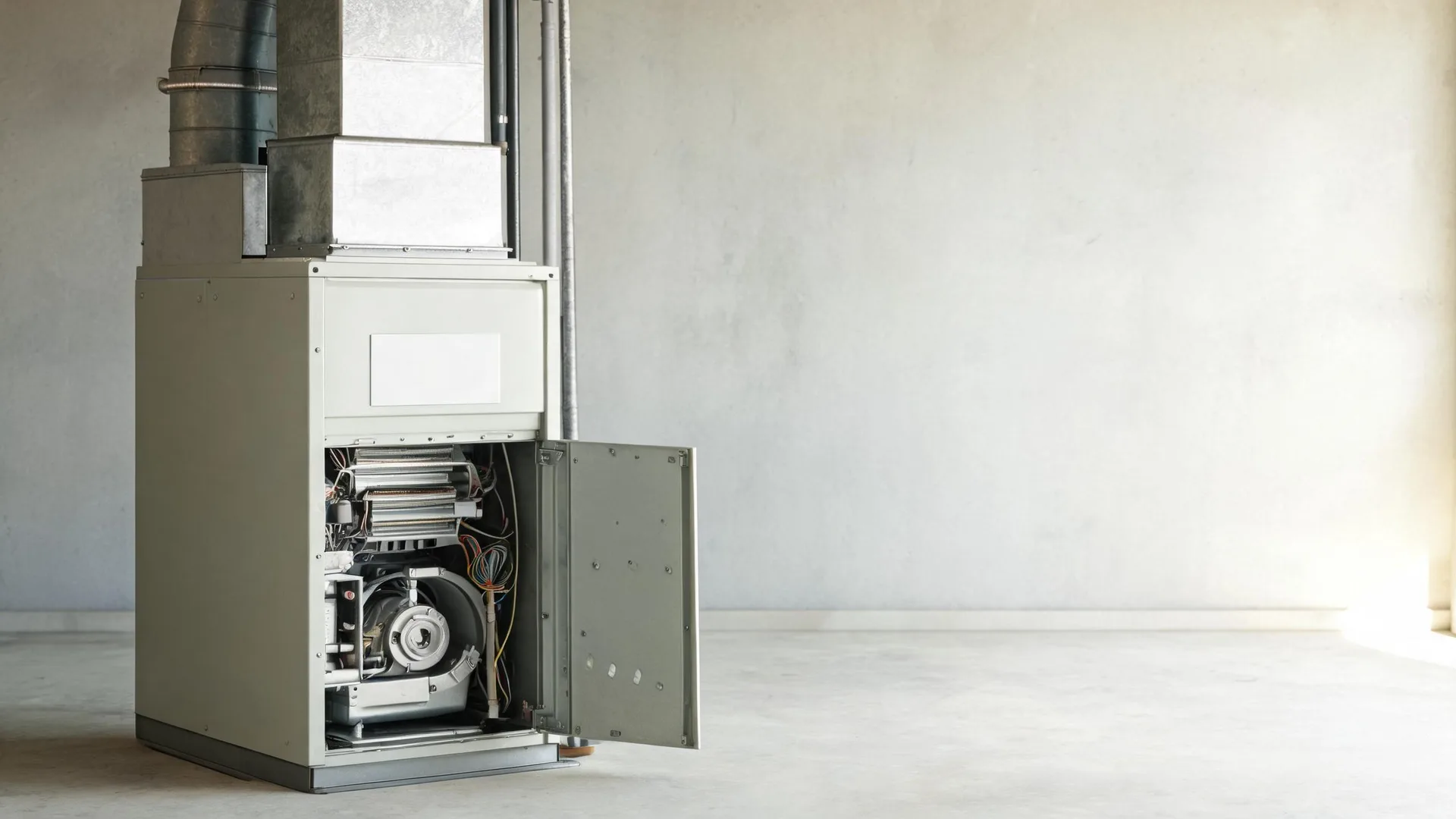
A gas furnace with sheet-metal ductwork and PVC pipes installed in an unfinished basement.

A new furnace would cut about $100 a year off heating for a typical Park County home.

  • A new high-efficiency furnace$420 a year
  • An older furnace$520 a year

Estimates for a typical Park County home, compared with an older unit built to the previous federal minimum, from EIA household energy data, Montana fuel prices and NOAA climate normals. Your home will differ.

Repair makes sense when one part has failed and the heat exchanger is sound.

Replacement makes sense when the heat exchanger is cracked or the furnace keeps needing parts.

A furnace doesn't fail all at once. Most of the time one part wears out and takes the system's performance with it, while everything else is still fine. That's the case for repair: replacing an igniter or a draft inducer costs a lot less than replacing the furnace that part lives in. The math changes when the cabinet itself has a cracked heat exchanger, or when the same furnace keeps bringing a tech back out for a different failure every season. A unit that's needed three separate repairs in as many years is telling you the parts around the one that just failed aren't far behind it. At that point you're not deciding whether to fix a furnace, you're deciding how many more times you want to fix this one.