





Illuminated timber-and-stone luxury homes photographed at twilight with snow-capped mountains visible in the background.

Furnace Repair in Libby, MT

Tell us about the job

Takes about a minute. No obligation.

RepairFurnace or heatingLincoln County, MT
Step 1 of 2

What ZIP code is the job in?

Furnaces in Lincoln County run about ten months a year, September through June. That's most of the calendar, not just a few cold weeks. The blower and the igniter and the gas valve are cycling on and off for months most homes elsewhere never need heat at all. More run hours means more chances for a part to wear down or fail outright. If your furnace is acting up, that long run time is usually part of why. A proper diagnosis will tell you which part gave out and whether the fix will hold.

10 months
September through June, your furnace is on duty
19°F
the average winter night it heats against
31 winter storms
in ten years, the nights a failure hurts most
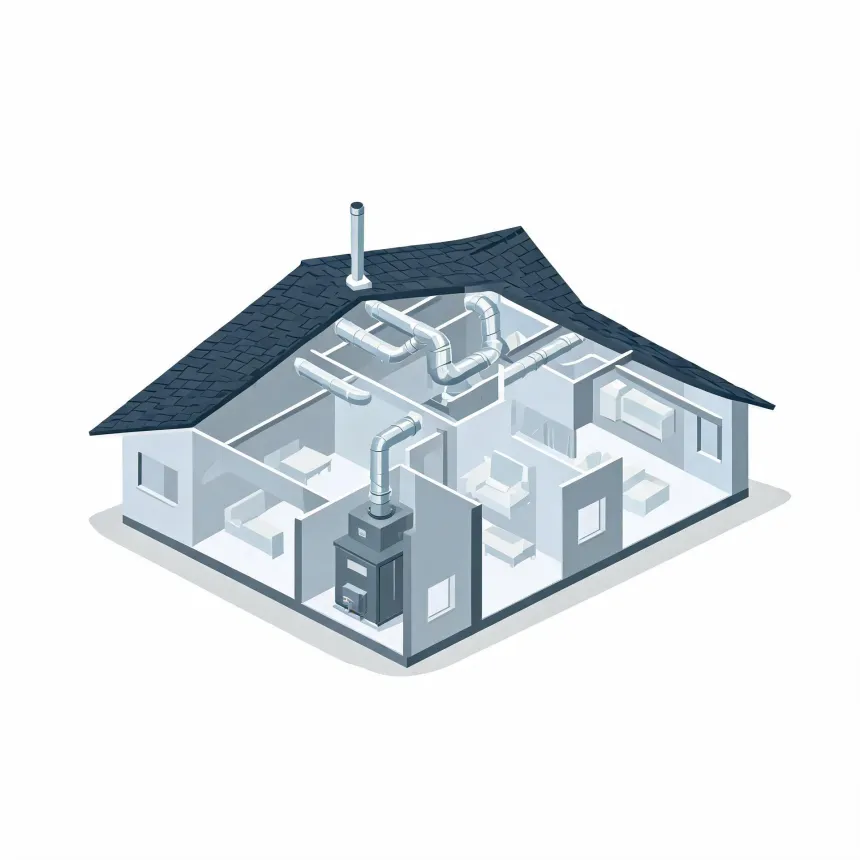
Isometric cutaway illustration of a single-story house showing interior rooms with furniture, a metal ductwork network, and a furnace unit connected to a vertical flue through the dark shingled roof.
Your furnace works hardest from October through April.

NOAA nClimDiv, 1991–2020 normals

A furnace that short cycles, turning on and off every few minutes, is wearing out its ignition system faster than it should.

That kind of stress adds up over a long heating season and points straight to the igniter or the flame sensor.

Electricity here runs $37.11 per million Btu, and a furnace that's struggling burns through it every day it's not fixed

Heat runs September through June
Winter nights average 19°F
Climate zone 6B
Heat starts in September hereFurnaces in Lincoln County switch on a month before most homes think about it, and problems that were building all summer show up fast.

A furnace that's cycling too much or running longer than it should is pulling power the whole time it does that. At $37.11 per million Btu, that's not a cost you want sitting on a problem for weeks while you decide what to do. Most homes here heat with electricity, so this bill already carries more of the load than it would somewhere running on gas. Waiting on a repair doesn't pause that spending, it just lets it run every day the furnace stays broken. Getting the part diagnosed and replaced stops the bleeding as much as it fixes the heat.

Get the real problem diagnosed before winter asks more of it

Ten months of run time wears parts down faster, and a furnace that's already struggling won't get a break before fall. Find out what's failing now, while there's still time to fix it right.

Find a contractor
A man in a cap, gray long-sleeve shirt and brown pants carries a canvas tool bag up porch steps toward a dark front door, beside a potted shrub.
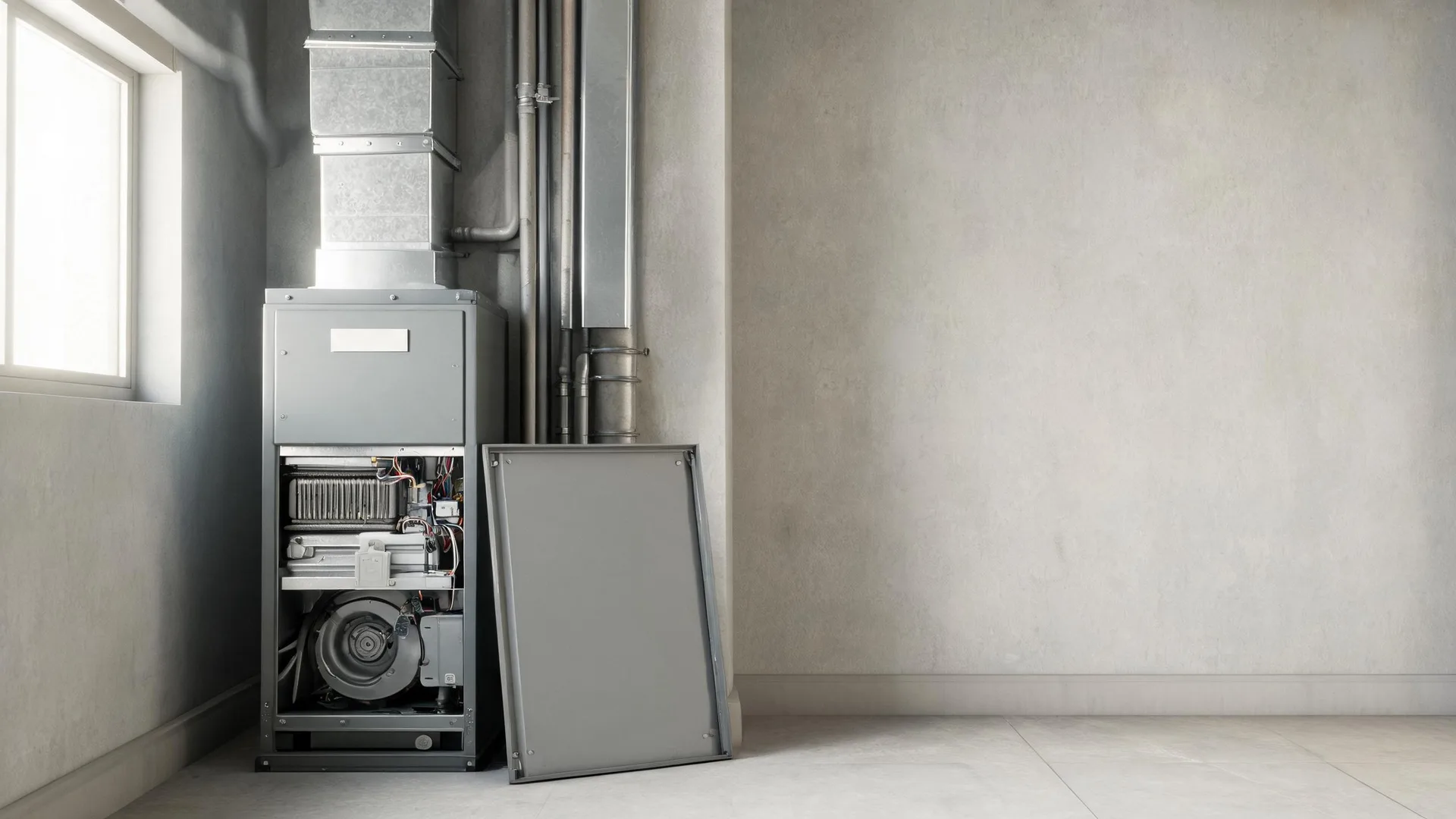
A gray gas furnace with attached ductwork and piping installed in an unfinished concrete basement.

Running it while it's broken doesn't buy you time

A furnace that's already struggling doesn't fail all at once. A cracked heat exchanger gets worse under continued heat and cooling. A failing igniter has to work harder each time it strikes, until it stops lighting at all. A dirty flame sensor reads weaker with every cycle, so the furnace shuts off sooner and sooner, until it won't stay lit long enough to warm the house. A blower motor with worn bearings runs hotter and louder the longer it's pushed, and that heat breaks it down faster than if it got looked at early. None of these get better by running the furnace more. Each cycle is another chance for the weak part to give out for good, often on the coldest night, when the furnace is working hardest and you need it most.

Most failures start with the ignition system

On a furnace that heats with electricity, the igniter is doing the work a pilot light used to do, and it's the part most likely to wear out first. Every cycle puts it through a heat and cool swing, and after enough of those it cracks or stops glowing hot enough to light the gas. A flame sensor sitting nearby can get a film of oxidation on it over time, and once it can't sense the flame properly, the control board shuts the gas off as a safety check, even though the furnace is working fine otherwise.
Moving parts fail from wear, not all at once

A blower motor runs on bearings, and bearings wear down with hours, not with age on the calendar. A motor that's starting to go will sound louder or run hotter before it quits for good. The same goes for the inducer motor that pulls exhaust out of the heat exchanger. Catching a bearing that's starting to grind beats waiting for the motor to seize mid cycle, because a seized motor usually means a full replacement instead of a repair.

Before calling anyone, there are a few things worth checking yourself. Look at the thermostat first. Make sure it's set to heat, not fan, and that the setpoint is actually above room temperature, since a setting bumped by accident looks exactly like a dead furnace. Next check the air filter. A filter clogged with dust chokes airflow, and some furnaces will shut themselves down rather than run with air blocked that badly. Check that the furnace switch, usually a light switch looking thing on or near the unit, hasn't been bumped off. If you have a standing pilot, see if it's lit. Last, check your breaker panel for a tripped breaker, since a furnace that won't start at all sometimes just lost power. If all of that checks out and it still won't run or won't stay running, the problem is inside the unit, and that's not something to keep testing on your own.

A repair makes sense when one part has failed and everything else in the furnace is sound. A new igniter, a new flame sensor, a new blower motor, these are straightforward swaps and a furnace with good bones will run well for years after. Replacement starts to make more sense when the part that failed is the heat exchanger, since that's the part a furnace is built around and not something swapped out on its own. It also makes sense when you're looking at a second or third repair in a short stretch, because that usually means the furnace as a whole is wearing out, not just one piece of it. Age matters less than what's actually failing. A furnace that's been well kept can be worth fixing even after a lot of winters, and a newer one can hit a failure that isn't worth chasing. The honest answer comes from whoever's looking at the unit, not from a rule that applies to every furnace the same way.