

A gray forced-air furnace with ductwork stands in an unfinished concrete basement surrounded by storage items and clutter.

Furnace Repair in Glendive, MT

Tell us about the job

Takes about a minute. No obligation.

RepairFurnace or heatingDawson County, MT
Step 1 of 2

What ZIP code is the job in?

Furnaces in Dawson County run from September through May. That's nine months of the year the burner and blower are cycling on and off, most days. A furnace in a milder climate gets to rest for long stretches. Yours doesn't get that break. All those extra cycles add wear to the igniter, the blower motor, the limit switch, parts that only have so many on-off cycles in them before they start failing. So when something goes wrong here, it's rarely bad luck. It's usually a part that's simply done more work than it was built to handle this early.

9 months
September through May, your furnace is on duty
8°F
the average winter night it heats against
68%
of homes here heat with gas, so most furnaces here burn gas
23 winter storms
in ten years, the nights a failure hurts most
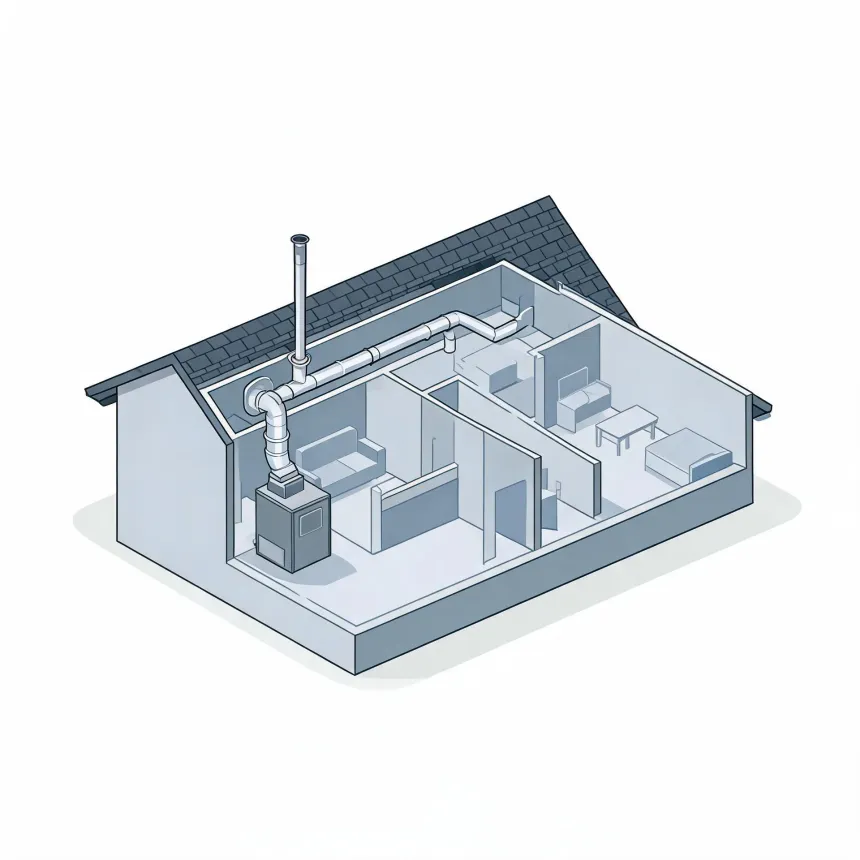
Isometric cutaway illustration of a single-story house showing interior rooms with furniture and a furnace connected to ductwork and a vertical flue pipe extending through the roof.
Your furnace works hardest from November through March.

NOAA nClimDiv, 1991–2020 normals

Dawson County logged 208 severe weather events between 2015 and 2024, including 127 damaging wind events and 56 hail events.

Hail and wind reach the outdoor unit, so if your furnace took a hit this year, get it looked at even if it still runs.

Nine months of heat means September is when a weak part fails first

Heat runs September through May
Climate zone 6B
Winter nights average 8°F

Half the furnaces in Dawson County are in homes built in 1966 or earlier. A furnace that old has usually been replaced at least once, but the ducts, the gas line and the venting are often whatever came with the house. That matters because a furnace has to work with what it's hooked up to. If your system came with the house, or you're not sure when it was last replaced, a repair call is a good time to ask the contractor how much life is left in it. Sometimes the honest answer is that the broken part isn't the real problem, the furnace behind it is just old.

A furnace working this hard needs a real diagnosis, not a guess

Nine months of cycling on and off wears a furnace down faster than a few months ever would. When a part finally gives out here, it's usually that, not a one-time fluke. Worth having someone check it properly rather than just swapping the part that failed.

Find a contractor
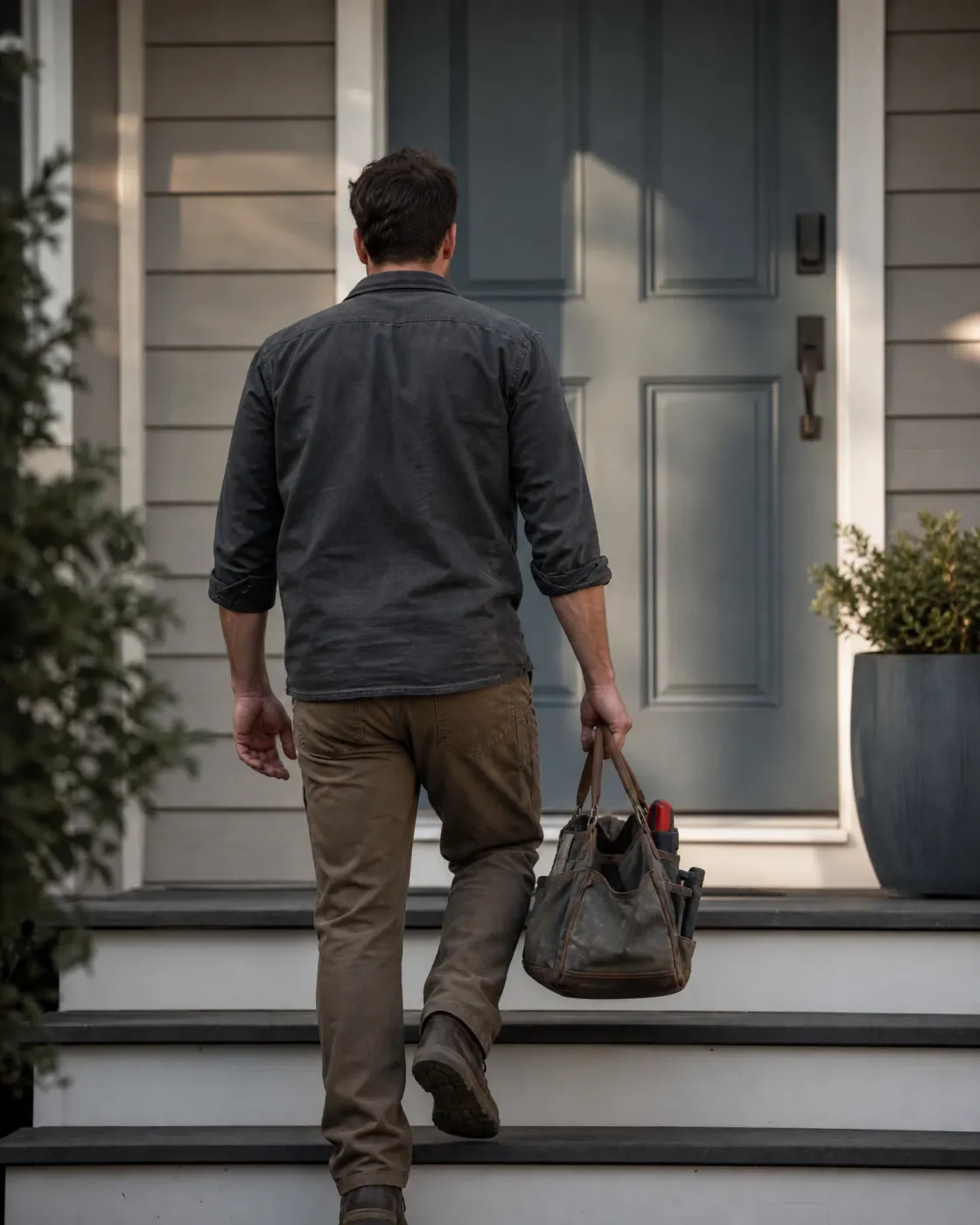
A man in a dark shirt and brown pants carries a worn canvas tool bag up concrete steps toward a gray-blue front door of a house with horizontal siding and a potted shrub.
A gray residential gas furnace installed in an unfinished basement, surrounded by ductwork, a metal flue pipe, and a gas supply line.

What a failing furnace sounds and feels like before it quits

A furnace usually tells you something is wrong before it quits for good. Short cycling is one of the first signs, the burner kicks on and shuts off again within a couple minutes instead of running a full heat cycle. That points to a dirty flame sensor, a clogged filter, or a limit switch tripping because airflow is restricted. A burner that won't light on the first try, or takes a few attempts, usually means the igniter is weakening. Listen for the blower too. A grinding or squealing sound means the motor bearings are wearing out. Banging or popping from the ductwork when the system starts is often the metal expanding against a dirty burner or a delayed ignition, not just the house settling. If the air coming out of the vents feels lukewarm instead of hot, the heat exchanger or the gas valve may not be getting the furnace up to temperature. And if the thermostat calls for heat but nothing happens at all, that's often a failed control board or a safety switch doing its job and shutting the system down before something worse happens. None of these mean the furnace is done. They mean a part is failing, and it's worth finding out which one before it takes something else down with it.

What you can check yourself

Start at the thermostat. Make sure it's set to heat and the set point is above room temperature, and swap the batteries if it uses them. Check the filter next. A filter clogged with dust chokes airflow and can trip the limit switch or cause short cycling. Look at the furnace door too, most furnaces have a safety switch that shuts the system down if the panel isn't seated right. Then find the switch that looks like a light switch near the furnace, sometimes called the furnace switch, and confirm it hasn't been bumped off. Last, check the breaker. A tripped breaker or a blown fuse will stop the whole system cold even though nothing looks broken.

What to leave alone

Don't open the burner compartment or touch the gas valve. If you smell gas, leave the house and call the gas company from outside, don't flip switches or light anything on your way out. Don't keep resetting the system over and over if it shuts off on its own, that's usually a safety switch catching a real problem, and forcing it to restart can let something worse happen. If the furnace is making a grinding or squealing noise, turn it off rather than letting it run, a failing motor bearing can take other parts down with it. These checks rule out the simple stuff. Anything past them is a job for someone who can test the gas valve, the igniter and the control board safely.

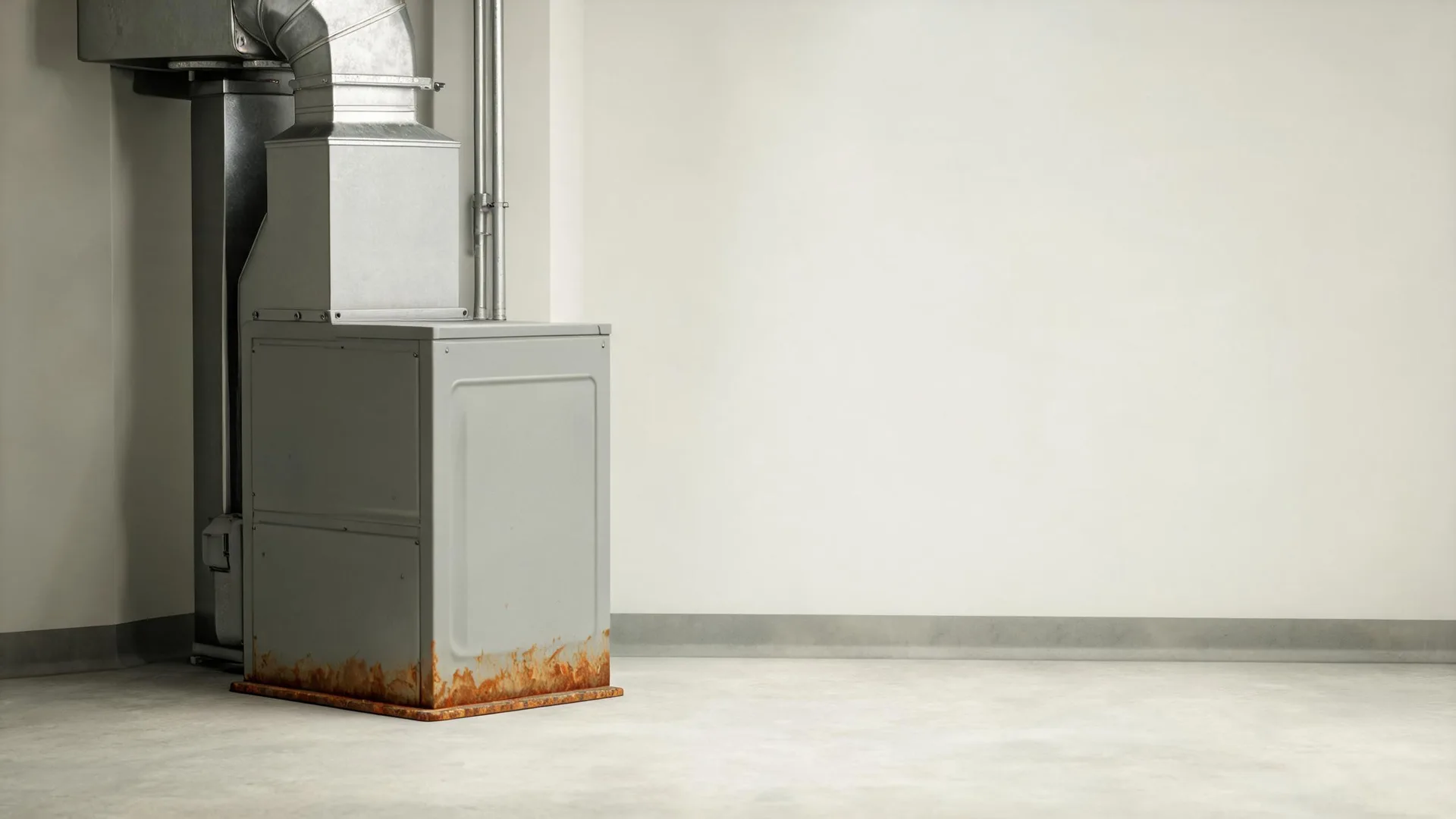
A gas furnace and sheet-metal air handler unit installed in an unfinished concrete basement.

A new furnace would cut about $90 a year off heating for a typical Dawson County home.

  • A new high-efficiency furnace$380 a year
  • An older furnace$470 a year

Estimates for a typical Dawson County home, compared with an older unit built to the previous federal minimum, from EIA household energy data, Montana fuel prices and NOAA climate normals. Your home will differ.

Repair makes sense when one part has failed and the heat exchanger is sound.

Replacement makes sense when the heat exchanger is cracked or the furnace keeps needing parts.

A repair call usually comes down to one part, and most single parts are worth fixing no matter how old the furnace is. An igniter, a flame sensor, a limit switch, these are inexpensive compared to the furnace itself, and replacing one doesn't say anything bad about the rest of the system. The harder question comes up when the broken part is the heat exchanger, or when the contractor finds more than one thing failing at the same time. A cracked heat exchanger usually means replacing the furnace rather than the part, since it's not a simple swap and it affects how safely the unit runs. Multiple failures at once usually mean the furnace is reaching the point where parts wear out faster than they can reasonably be replaced one at a time. Age matters too, but only alongside what's actually broken. A furnace that's needed a few small repairs over the years isn't in trouble. One that needs a major part and is already old is a different conversation, and a contractor should be honest with you about which one you're having.