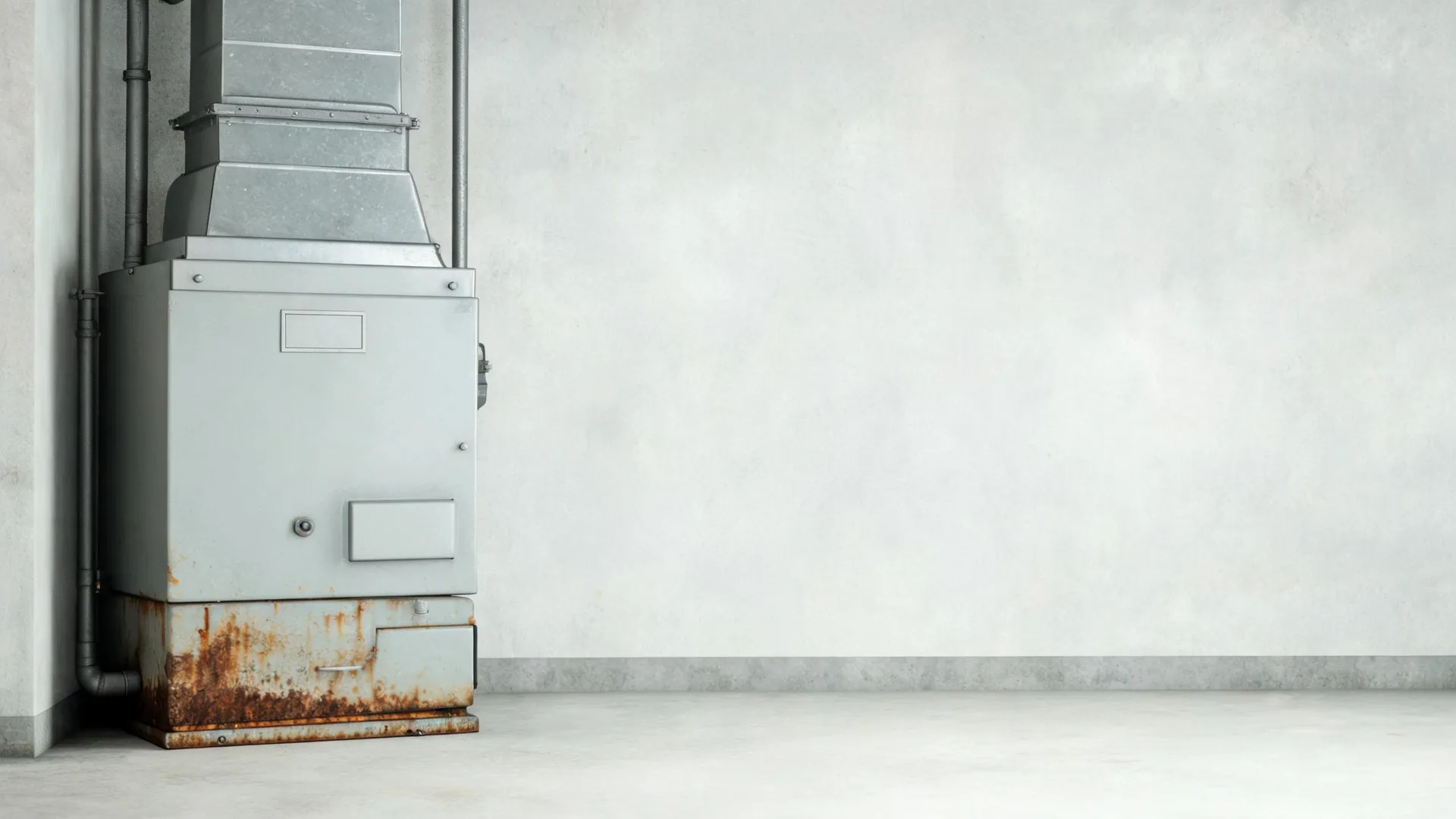
Ten months of heat a year
Furnaces in Shelby run from September through June. That's most of the year the burner and blower are cycling, not just a few cold months.
Takes about a minute. No obligation.
Furnaces in Shelby run from September through June. That's most of the year the burner and blower are cycling, not just a few cold months.
Winter lows here average 10°F. A furnace working that hard, that often, wears parts sooner than one that only runs a few months a year. Have it looked at by someone who checks the whole system, not just the symptom.

NOAA nClimDiv, 1991–2020 normals
Half the homes in Toole County were built in 1966 or earlier.
A furnace that came with a house that age is old enough to be near the end of its life.
A furnace that runs this many months a year does not get much downtime to show its wear gradually. Whatever is causing the problem now is worth finding, not just working around. Have the system checked so the fix holds through the rest of the season.
Find a contractorIf the furnace is original to the house, ask the contractor for its age before approving any repair. A repair on a furnace that old is worth doing only if it buys a few more winters, not a stopgap on something that's already done.
Make sure the thermostat is set to heat and the temperature is actually above room temperature. Check the furnace switch, the one that looks like a light switch near the unit, and make sure it's on. Look at the breaker too. These sound too simple to matter, but they get missed more often than you'd think.
Pull the filter and hold it up to a light. If you can't see light through it, it's choking off airflow and the furnace is working against itself. If your furnace has a viewing window, the flame should be steady and blue, not yellow or flickering. A yellow flame is worth mentioning to whoever comes out, not something to keep running on.
Estimates for a typical Toole County home, compared with an older unit built to the previous federal minimum, from EIA household energy data, Montana fuel prices and NOAA climate normals. Your home will differ.
Repair makes sense when one part has failed and the heat exchanger is sound.
Replacement makes sense when the heat exchanger is cracked or the furnace keeps needing parts.
A repair is worth doing when it fixes one part and the rest of the furnace still has life in it. A new igniter, a new flame sensor, a new capacitor, these are small jobs on an otherwise sound system, and the furnace runs like normal after. Replacement starts to make more sense when the heat exchanger is the problem. That part is not something anyone patches, since a crack there is a safety issue, not a wear issue. It's also worth asking whether this is the first time this furnace has needed a repair this winter or whether it keeps coming back for a different reason each time. A furnace that needs attention again and again, for something new each time, is usually telling you it's done, even if no single fix was expensive.