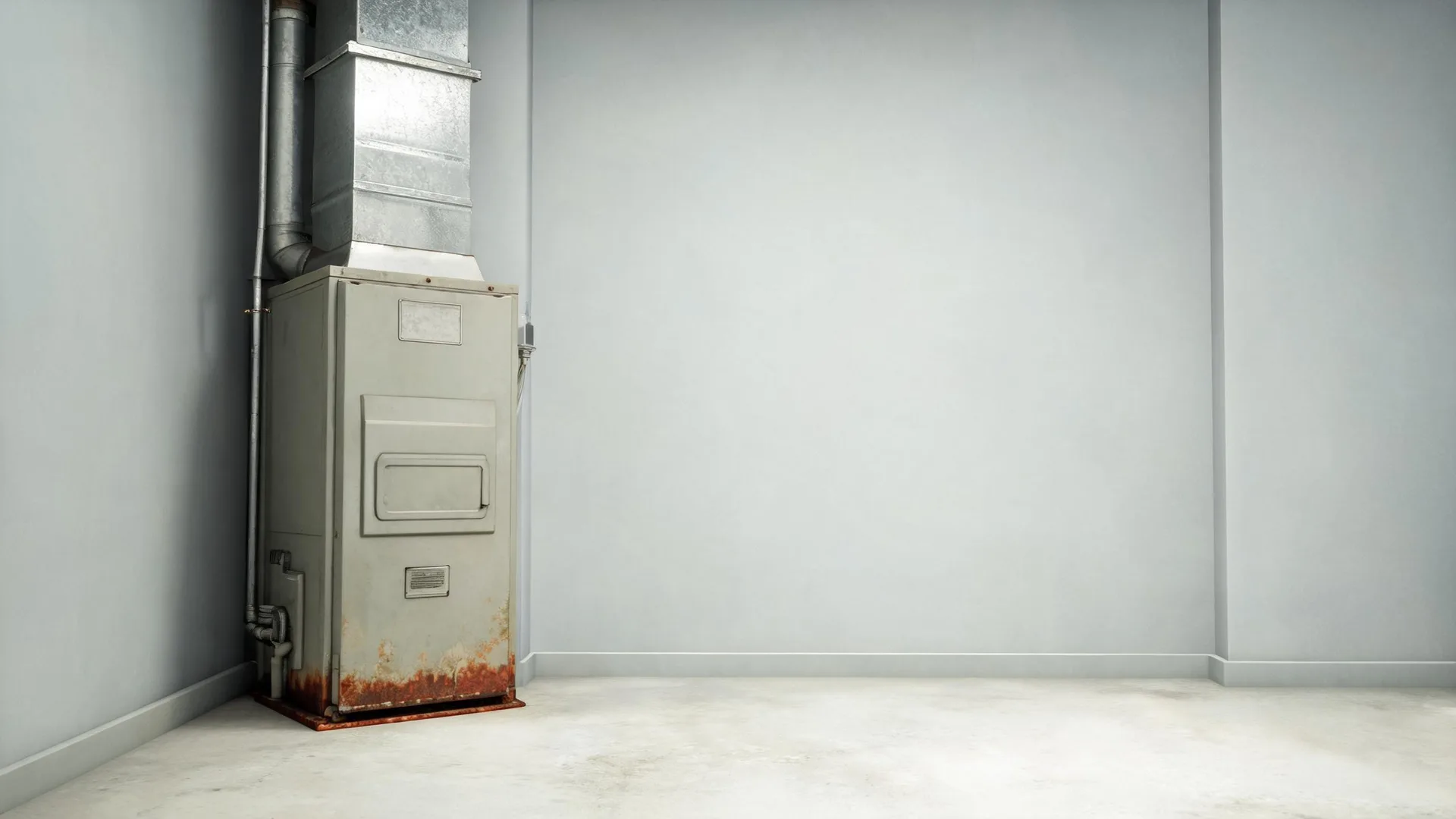
Ten months of heat a year
Furnaces in Judith Basin County run from September through June. Overnight lows average 14°F across December, January and February, so the furnace is firing on the coldest mornings as much as any mild afternoon in between.
Takes about a minute. No obligation.
Furnaces in Judith Basin County run from September through June. Overnight lows average 14°F across December, January and February, so the furnace is firing on the coldest mornings as much as any mild afternoon in between.
A furnace running most of the year lights, runs and shuts off far more times than one working a few months a season. That wear shows up as problems sooner. Before anything gets replaced or repaired, it's worth having someone confirm what's actually failing and why.
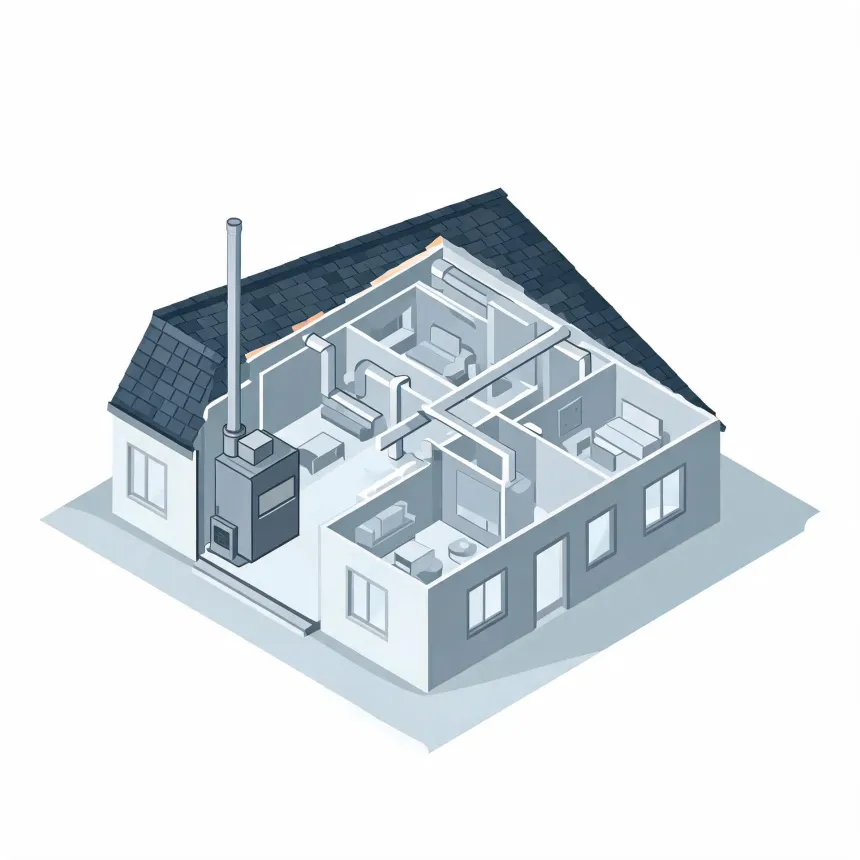
NOAA nClimDiv, 1991–2020 normals
Half the homes in Judith Basin County were built in 1967 or earlier.
A furnace in a house that old may be a replacement itself, not the original, so it's worth finding out how much life is left in it before paying for a big repair.
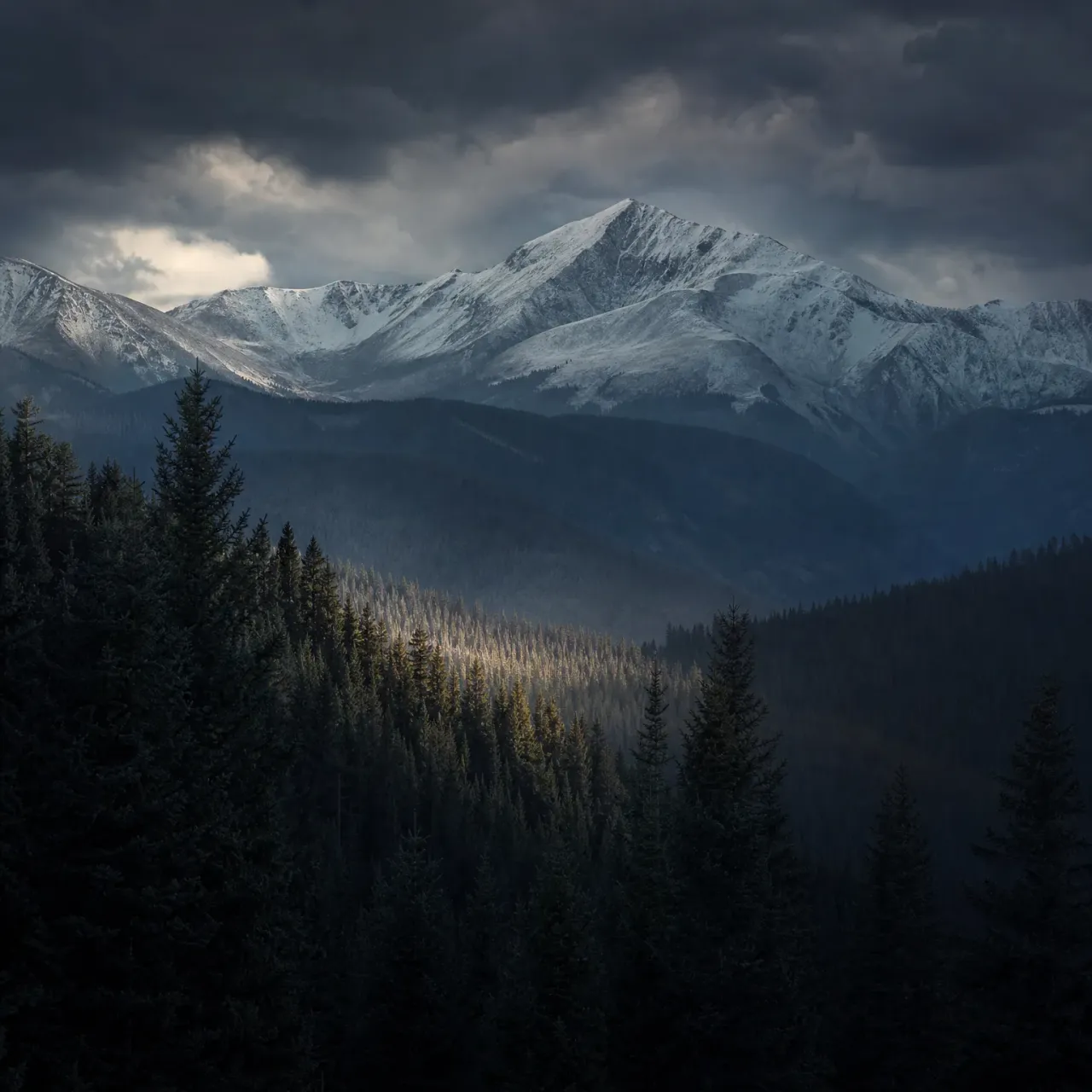
A furnace is worth fixing when the problem is one part acting up on a system that's otherwise sound. A cracked igniter, a failed flame sensor, a bad blower motor, these get swapped out and the furnace runs like it did before. What changes the math is the heat exchanger. Once that's cracked, the whole thing is on borrowed time, since that part isn't something anyone replaces on its own. Age matters less than how the furnace has been maintained. One that's had its filter changed and its burners cleaned every year can outlast a neglected one by a wide margin. If a contractor is recommending the same repair for the second or third time in a couple years, that's usually the sign the furnace is telling you something a parts swap won't fix.
The furnace is firing on the coldest mornings and most of the mild ones too, ten months out of the year. That kind of run time wears parts faster than it would somewhere milder. Get the actual cause checked before paying for any fix.
Find a contractorA furnace that's short cycling or struggling to light will keep trying rather than stop and wait for a repair. Each failed attempt stresses the igniter or the flame sensor a little more, so a part that might have been swapped out clean ends up breaking in a way that takes other things with it. A blower motor running on a bad bearing will keep spinning until it seizes, and when it seizes it can take the belt or the control board with it. Heat that isn't moving right because of a clogged filter makes the heat exchanger run hotter than it should, and that's the one part nobody wants to see cracked. None of this gets better by waiting it out through a cold morning.
The furnace takes longer to kick on, or it kicks on and off more than it used to. You might hear a clicking that doesn't catch, or notice it's blowing air that's barely warm. Some rooms heat fine and others don't, or the whole house feels like it's running behind no matter where the thermostat's set. A burning smell on startup that doesn't go away after a few minutes is worth paying attention to, not waiting out.
Short cycling, where the furnace shuts off before the house is warm, often points to a flame sensor that's dirty or failing, or a limit switch tripping because air isn't moving through like it should. A furnace that won't stay lit is usually the igniter or the flame sensor, not the gas supply. Uneven heat between rooms is almost always ductwork or a blower that isn't pushing air the way it used to, not the thermostat. Any of these is worth a look before the furnace gets asked to do it again on the next cold morning.
Estimates for a typical Judith Basin County home, compared with an older unit built to the previous federal minimum, from EIA household energy data, Montana fuel prices and NOAA climate normals. Your home will differ.
Repair makes sense when one part has failed and the heat exchanger is sound.
Replacement makes sense when the heat exchanger is cracked or the furnace keeps needing parts.
Before calling anyone, a few things are worth checking first. Make sure the thermostat is set to heat and the temperature is actually set above room temperature, not sitting wherever someone last bumped it. Go to the furnace and pull the filter out and hold it up to a light. If you can't see light through it, that's choking off airflow and it's worth swapping before anything else. Look for a switch on or near the furnace that resembles a light switch, since that's the power cutoff and it gets bumped off by accident more than people expect. If the furnace runs on a pilot light, check that it's still lit. Check the breaker it runs on hasn't tripped. None of this fixes a cracked heat exchanger or a failing igniter, but it rules out the simple stuff before paying someone to find it for you.