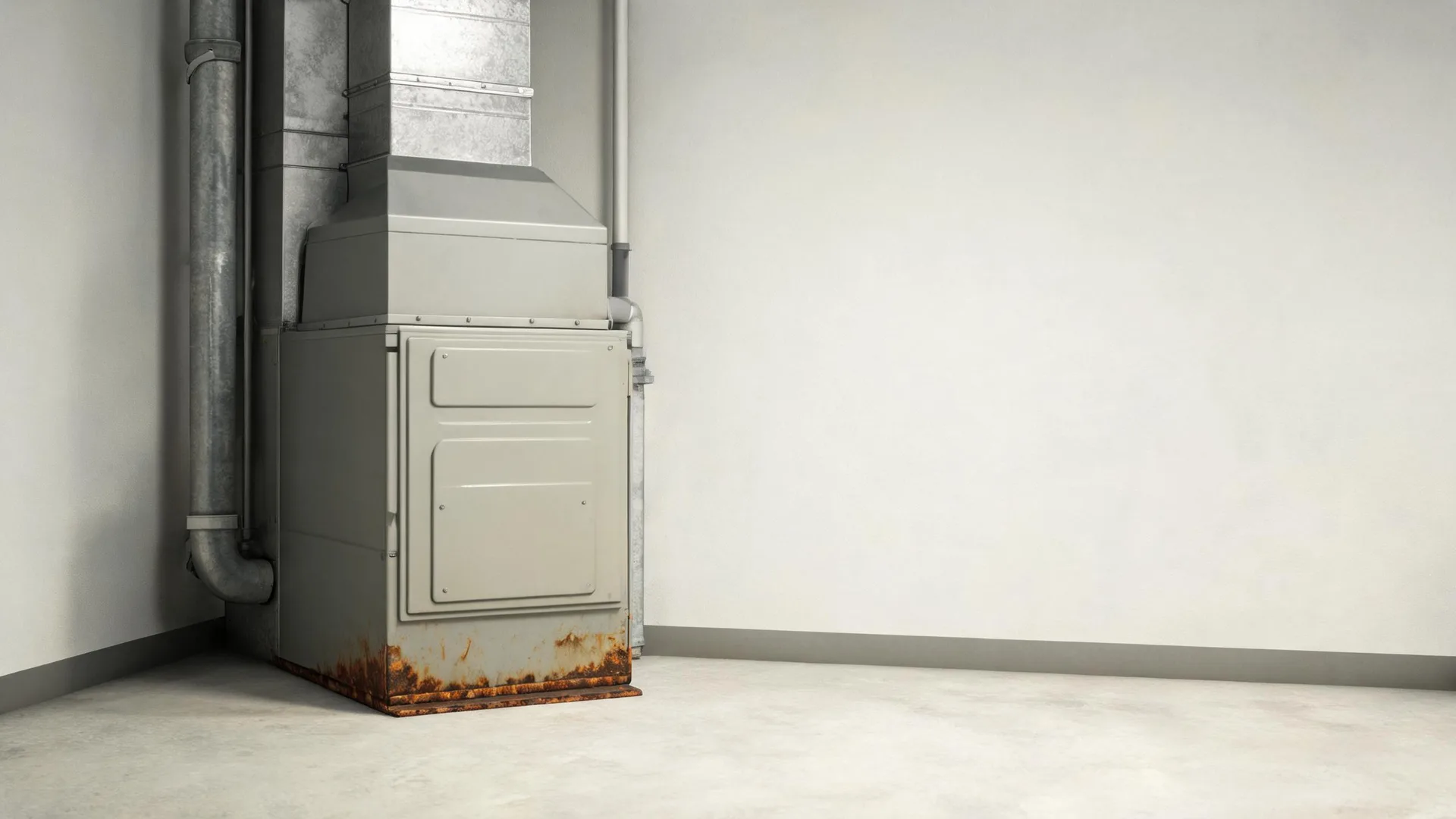
Ten months of heat a year
A furnace in Hill County runs from September through June. That is most of the year asking the igniter, the blower motor and the heat exchanger to cycle on and off without much of a break.
Takes about a minute. No obligation.
A furnace in Hill County runs from September through June. That is most of the year asking the igniter, the blower motor and the heat exchanger to cycle on and off without much of a break.
With that much runtime, worn parts don't wait until next winter to fail. A furnace here is a better candidate for a real diagnosis than a guess, since the long season tends to bring small issues forward before they'd show up anywhere else.
NOAA nClimDiv, 1991–2020 normals
Natural gas in Montana ran $7.77 per million Btu in 2024.
A furnace that's short-cycling or running longer than it should burns through that every month it stays broken.
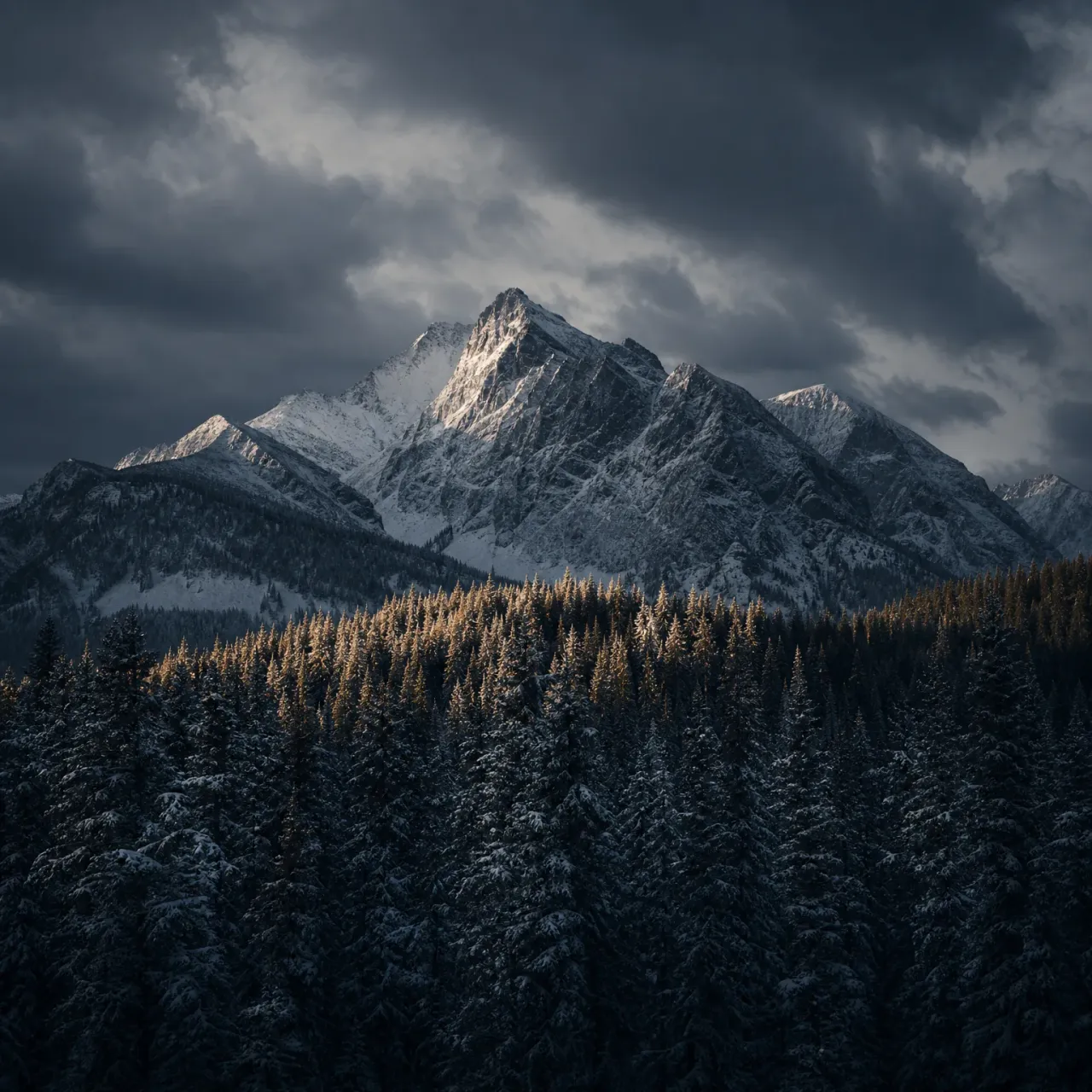
Half the homes in Hill County were built in 1971 or earlier. If your furnace is original to a house that old, it has put in a lot of winters already. Furnaces don't usually fail all at once. The heat exchanger cracks, the igniter weakens, or the blower motor starts drawing more than it should, and each of those shows up as a repair before it shows up as a replacement. A furnace that age is worth asking about directly: how much life is actually left in it before more money goes into keeping it running.
Ten months of heat a year wears parts down faster than a guess can keep up with. Get the actual cause checked, the igniter, the blower motor, the heat exchanger, whatever it turns out to be, so the fix holds for the rest of the season.
Find a contractorA furnace that has been running since 1971 or earlier has likely gone through more than one repair already. Ask whoever comes out to look at the heat exchanger and the blower motor, not just whatever part failed this time. A furnace near the end of its life tends to show it in more than one place at once.
A furnace usually gives warning before it quits outright. It might take longer to kick on, blow air that is not as warm as it used to be, or cycle off before the house is actually warm. A burner that used to light with one click and now clicks several times is struggling to ignite. Any of these is the furnace telling you a part is wearing out, not working the way it should.
A furnace that short-cycles, turning on and off every few minutes instead of running a full cycle, is working against itself and wearing down the parts that start it each time. A burner flame that looks yellow instead of blue, or a smell of gas, needs attention right away, not a wait and see. Noise that is new, a bang at startup or a screech from the blower, means something inside has changed and it will not fix itself by running longer.
Estimates for a typical Hill County home, compared with an older unit built to the previous federal minimum, from EIA household energy data, Montana fuel prices and NOAA climate normals. Your home will differ.
Repair makes sense when one part has failed and the heat exchanger is sound.
Replacement makes sense when the heat exchanger is cracked or the furnace keeps needing parts.
A diagnostic visit starts before any panel comes off. The tech asks what the furnace is doing, when it started, and whether it happens on startup, mid-cycle, or when it shuts off. Then the cover comes off and they watch it run through an actual cycle, since some problems only show up at ignition or only after the blower kicks on. They'll check the flame, its color and shape, and pull the igniter or flame sensor to look for wear or a buildup that's keeping it from reading the flame right. They'll test the blower motor and inducer for the amps they're drawing, because a motor working harder than it should will draw more current before it ever stops outright. Any of this can point to the same symptom you called in about, which is why the visit is about finding which part is actually failing, not just confirming that something is wrong.