Ten months of runtime
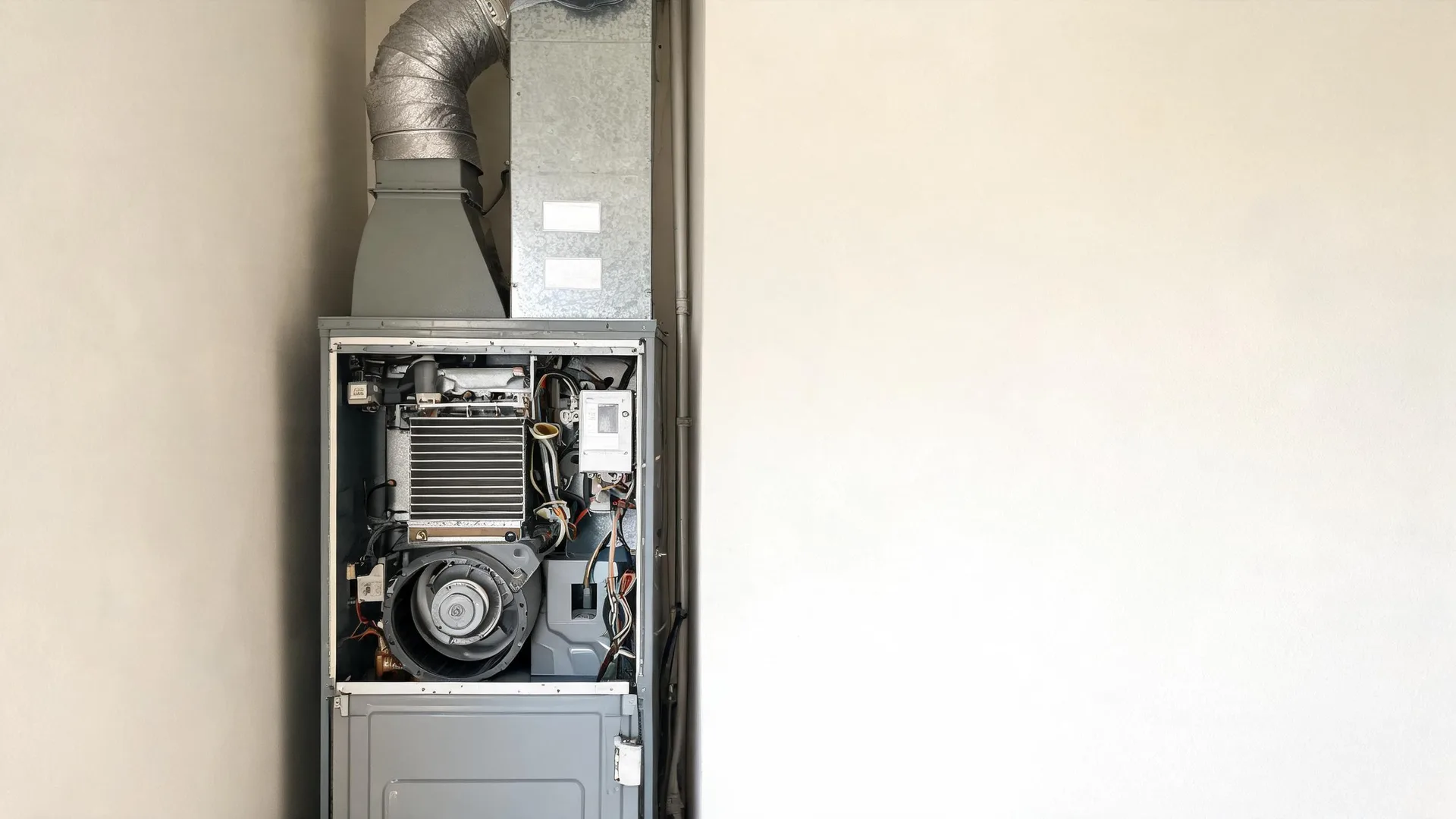
A furnace in Jefferson County works from September through June. That's ten months a year the burner, the blower and the igniter are cycling on and off, with only a short break in summer.
Takes about a minute. No obligation.
A furnace in Jefferson County works from September through June. That's ten months a year the burner, the blower and the igniter are cycling on and off, with only a short break in summer.
A furnace that runs this long wears parts down faster than one that gets more rest. When something acts up, it's worth finding the actual cause rather than patching the symptom, since the same strain will keep working on whatever gets missed.
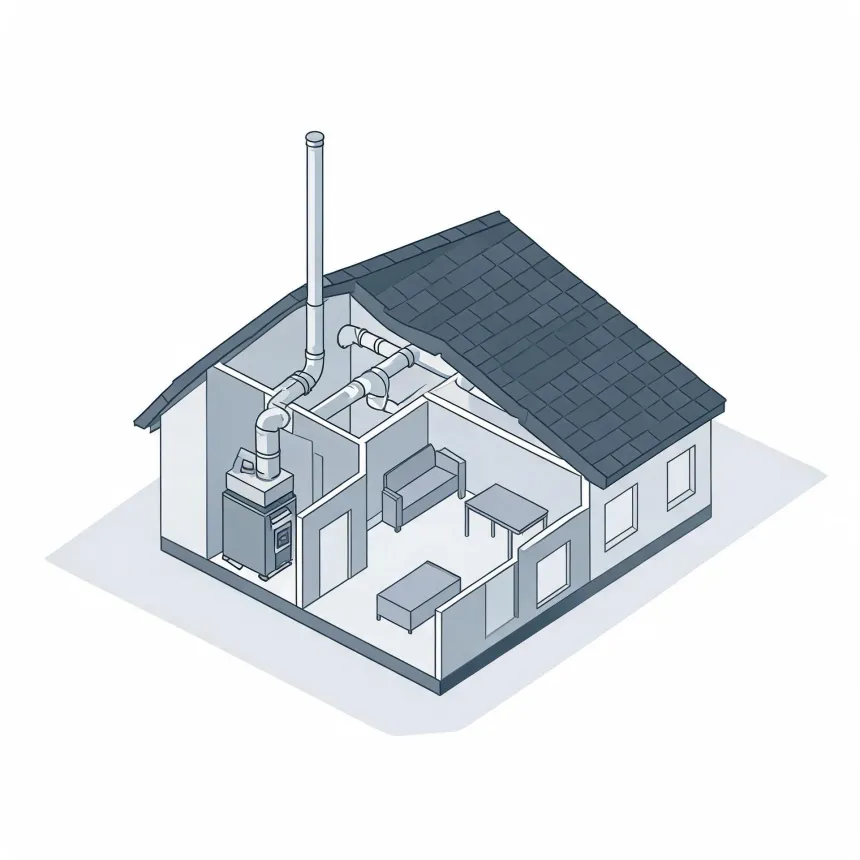
NOAA nClimDiv, 1991–2020 normals
Natural gas in Montana ran $7.77 per million Btu in 2024.
A furnace that's short-cycling or running long on a bad part burns through that gas for nothing, every month it goes unfixed.
Furnaces here start running in September and don't really stop until June. Most breakdowns show up right at that start, when the burner goes from barely running to cycling all day. A part that was already worn down from last winter gets asked to carry full load again, and that's often when it gives out. If your furnace is acting up now, at the start of the season, that's not bad luck. It's a weak part meeting a load it couldn't handle anymore.
Your furnace doesn't get much of a break here, and whatever is acting up on it now has probably been building for a while. Finding the actual part behind it means the fix holds instead of coming back next month.
Find a contractorIf your furnace came with the house, that's worth knowing before you decide anything. A system that age hasn't had ten or twenty winters to wear through its parts, just the ones since the house was built. One failed igniter or pressure switch on a furnace that age is a single bad part, not a sign the whole unit is giving out. Get the actual part diagnosed and replaced, and it should run fine for years after.
The igniter is usually the first thing to go. It heats up and cools down every single cycle, and that repeated flexing is what cracks it eventually. The flame sensor fouls with a film that builds up over many cycles and stops reading the flame, so the furnace shuts itself off as a safety measure. Pressure switches and draft inducer motors wear from constant use too, since they're moving parts that run every time the burner fires.
None of these parts fail gradually in a way you'd notice day to day. A furnace runs fine, then one morning it won't light, or it lights and shuts off a few seconds later. That's usually a part that's been degrading for a while finally crossing the line where it can't do its job. Catching it early, before it strands you without heat, usually means less damage to whatever else is working harder to compensate.
Estimates for a typical Jefferson County home, compared with an older unit built to the previous federal minimum, from EIA household energy data, Montana fuel prices and NOAA climate normals. Your home will differ.
Repair makes sense when one part has failed and the heat exchanger is sound.
Replacement makes sense when the heat exchanger is cracked or the furnace keeps needing parts.
A diagnostic visit starts with the thermostat call, not the furnace. The tech checks what the system is actually doing: does it try to light and fail, light and shut off, or not respond at all. That tells them which half of the furnace to look at first. From there they'll pull the cover and check for a fault code if the board keeps one, test the igniter for continuity, look at the flame sensor for buildup, and check that the pressure switch is doing its job reading airflow from the draft inducer. Most of this is testing with a meter, not guessing by eye. The part that's actually failed usually shows itself clearly once it's tested on its own instead of guessed at as part of the whole system.