Heat runs all year here
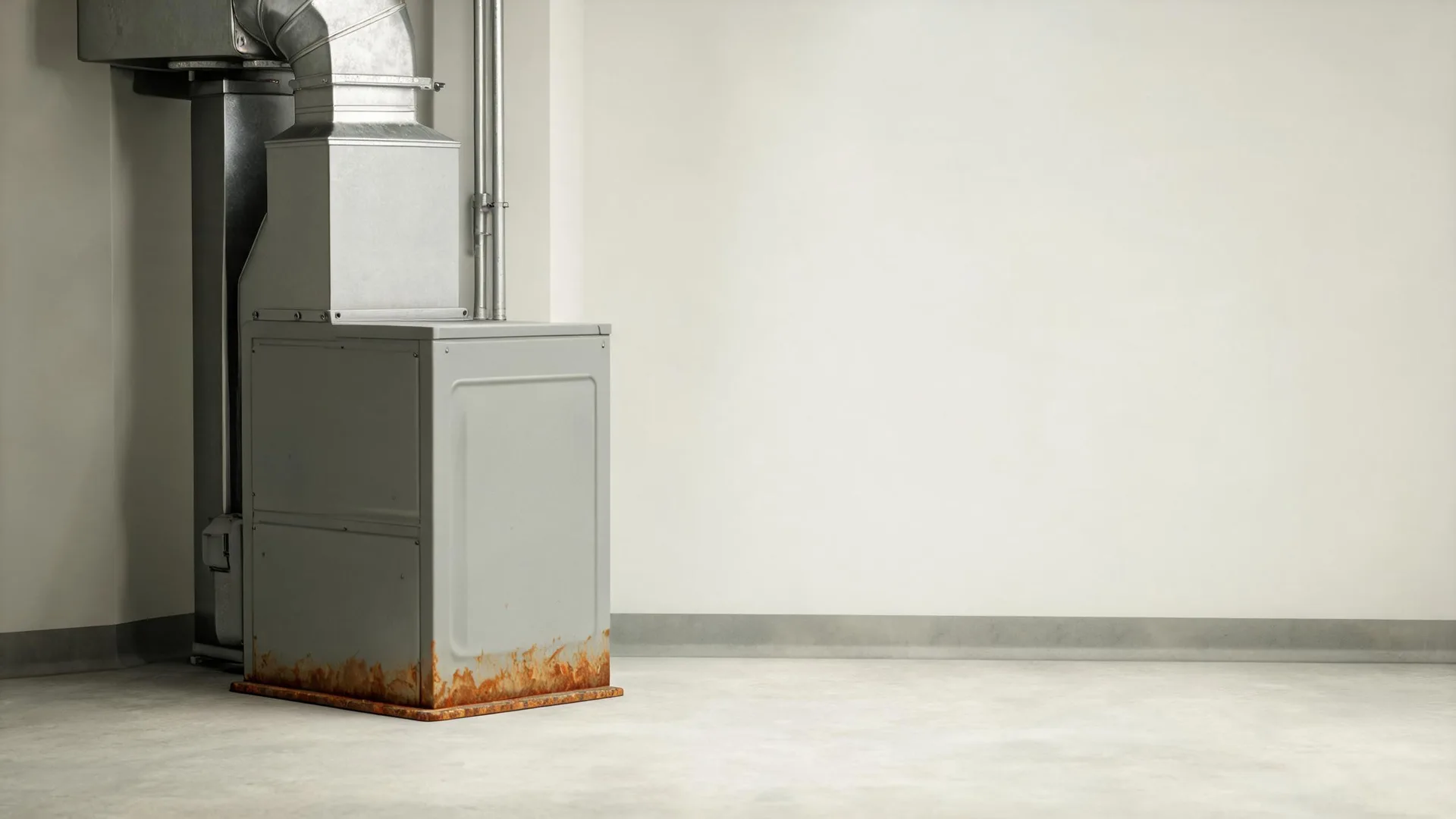
Furnaces in Deer Lodge County don't get a real break. Homes here call for heat in every month, including summer nights, so the burner and blower rack up hours a furnace in most other places never sees.
Takes about a minute. No obligation.
Furnaces in Deer Lodge County don't get a real break. Homes here call for heat in every month, including summer nights, so the burner and blower rack up hours a furnace in most other places never sees.
Overnight lows average 13°F through December, January and February. A furnace has to run longer and harder to cover that gap, and that kind of stretch is what wears down an igniter or strains a blower motor before its time.
NOAA nClimDiv, 1991–2020 normals
Furnaces don't fail all at once, something small gives out first.
Catch the igniter or flame sensor when it's struggling, not after it quits.
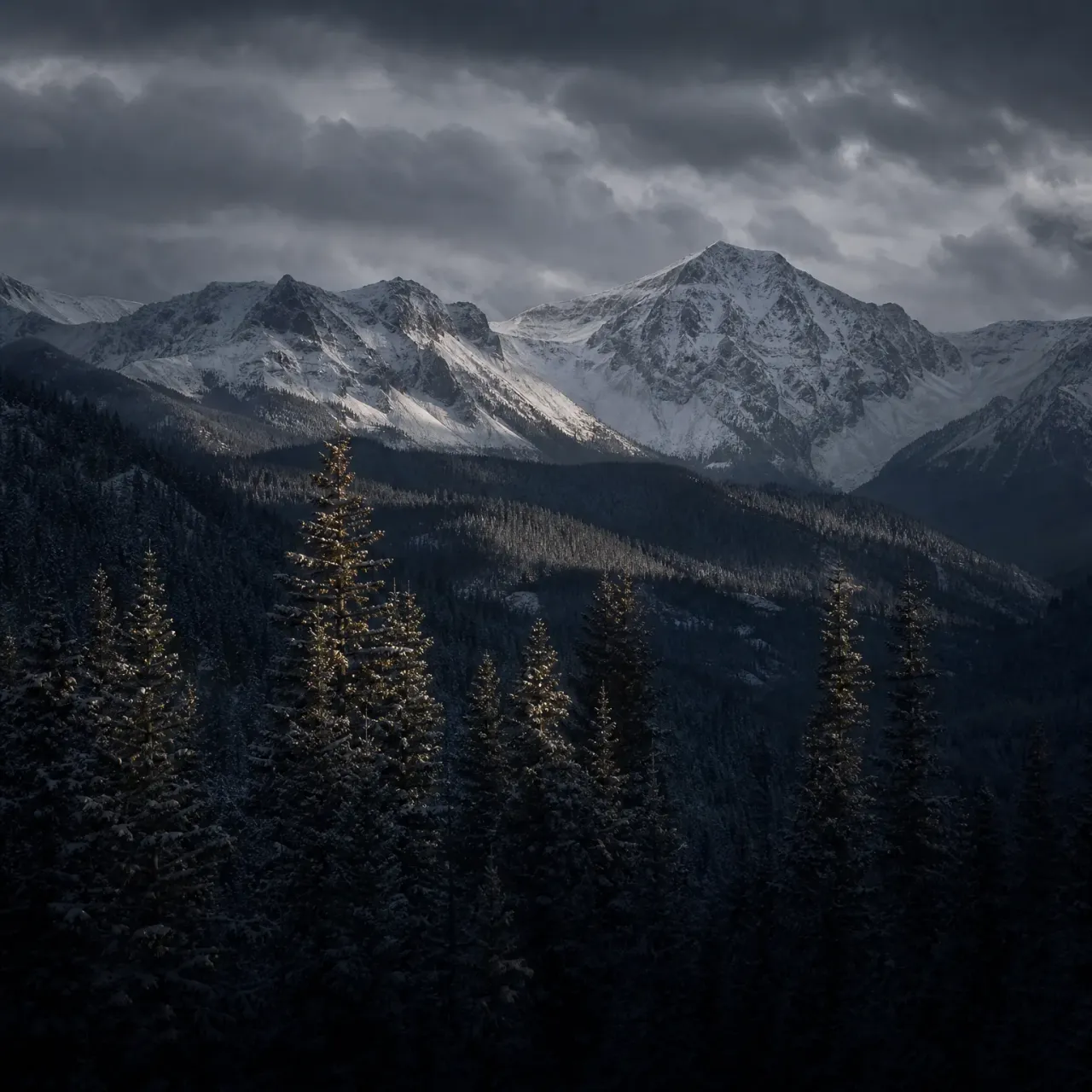
If your furnace is acting up, get the actual cause checked before deciding it's a big repair or a small one. A tech can look at the igniter, the flame sensor, and the blower motor and tell you which one is giving out. Given how many hours this furnace logs here, catching the worn part now instead of after it fails outright is what keeps the fix simple. Skip the diagnosis and you're just guessing at what's wrong.
If your furnace came with a house built in 1954 or earlier, age may be part of what's going on. A tech can tell you whether the broken part is worth fixing or whether it's a sign the whole unit is on its way out.
Find a contractorA furnace that's struggling doesn't fix itself by staying on. A cracked igniter will keep trying to light the burner until it fails completely, instead of lighting clean on the first try. A dirty flame sensor reads weaker each cycle, so the furnace shuts down more often, and every restart puts more strain on the parts that get it going again. A failing blower motor runs hotter than it should, and heat it can't move is heat that bakes the wires and bearings around it. None of that heals with more runtime. The part that's struggling now is the part most likely to quit outright later, usually at the worst possible time.
Make sure the thermostat is set to heat and the temperature is actually above room temperature, and check the batteries if it uses them. Then pull the filter and hold it up to a light. If you can't see light through it, air can't move through it either, and a furnace starved for air will overheat and shut itself off as a safety measure.
Open the panel if you can and look at the burner flame. It should be steady and blue, not yellow or flickering. Listen for how the furnace is cycling too. Short cycles, a clicking that doesn't catch, or a burner that tries to light more than once before it holds are all worth telling the tech when they ask what you've noticed.
Estimates for a typical Deer Lodge County home, compared with an older unit built to the previous federal minimum, from EIA household energy data, Montana fuel prices and NOAA climate normals. Your home will differ.
Repair makes sense when one part has failed and the heat exchanger is sound.
Replacement makes sense when the heat exchanger is cracked or the furnace keeps needing parts.
A repair is worth doing when the part failing is the only thing wrong, and the rest of the furnace is doing its job. An igniter or a flame sensor can be swapped on its own and the furnace runs like new, because the heat exchanger, the blower, the gas valve, none of that wore down just because one part did. Replacement starts to make sense when the broken part is a symptom of something bigger, like a heat exchanger that's cracked or a blower motor that's burned out from strain it's been under for a while. A tech can tell the difference by looking at what's actually failed and what shape the rest of the unit is in, not by guessing from the furnace's age alone. Ask what else they checked while they had the panel open, not just what they fixed.