


A paved lane lined with gravel shoulders passes a row of dark-sided cabins with metal gable roofs, bordered by a peeled-log fence in the foreground and tall pine trees under an overcast sky.

Furnace Repair in Butte, MT

Tell us about the job

Takes about a minute. No obligation.

RepairFurnace or heatingSilver Bow County, MT
Step 1 of 2

What ZIP code is the job in?

Furnaces in Silver Bow County run from August through June. That's eleven months of the year the burner, igniter and blower are in use, with maybe a few weeks off in high summer. A furnace built for a milder place might run half that. Here, the parts that cycle on and off thousands of times a season are doing it almost year round, and that adds up faster than most homeowners expect. A short cycle or a strange noise that seems minor is often the first sign of a part that's simply logged more hours than it should have this early. Worth having a contractor look at it rather than waiting to see if it gets worse.

11 months
August through June, your furnace is on duty
14°F
the average winter night it heats against
64%
of homes here heat with gas, so most furnaces here burn gas
49 winter storms
in ten years, the nights a failure hurts most
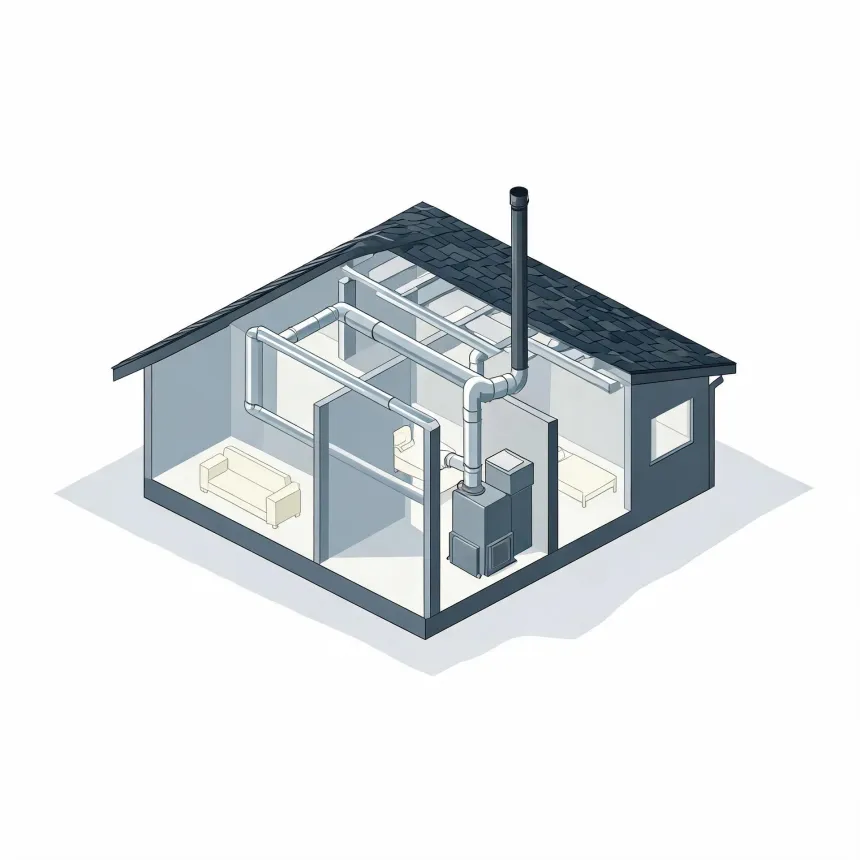
Isometric cutaway illustration of a small single-story house showing a furnace with a flue pipe through the roof and ducting running to rooms containing a sofa, chair and bed.
Your furnace works hardest from October through April.

NOAA nClimDiv, 1991–2020 normals

Half the homes in Silver Bow County were built in 1956 or earlier.

A furnace in a house that old has likely been replaced before, and the one in there now may be closer to the end than the beginning.

Eleven months of heat means almost no season off to catch a weak part

Heat runs August through June
Winter nights average 14°F
Climate zone 6B

Gas here runs $7.77 per million Btu, and a furnace that's struggling burns more of it than one running clean. A cracked heat exchanger, a dirty burner, a blower pulling more amps than it should, all of it shows up on the meter before it shows up as a breakdown. With the burner lit most months of the year, that difference doesn't stay small. A furnace running rough in Butte isn't just uncomfortable, it's costing more every week it goes unfixed.

Have the cause found before it runs any more hours

Eleven months of run time doesn't leave much room for a weak part to rest and sort itself out. Whatever's causing the noise or the short cycle is likely to keep showing up until a contractor finds it.

Find a contractor
A man seen from behind in a dark long-sleeve shirt, olive work pants and brown boots climbs porch steps toward a gray front door, carrying a waxed canvas tool bag with tools in its outer pockets, beside a potted shrub.
A gray residential gas furnace installed in an unfinished basement, surrounded by ductwork, a metal flue pipe, and a gas supply line.

Ask what the repair is buying you

Ask the contractor how much life is left in this furnace before paying for the repair. If it's the original equipment from an older build here, it's already had a long run, and a repair now might just be the first of several. One installed more recently is a different question, and worth fixing outright. Either way, the age of the unit should factor into whether this repair is the right move or whether it's time to start pricing a replacement.

Most failures start with the igniter or flame sensor

A furnace that won't light or shuts off a few seconds after it does is usually telling you the igniter has worn out or the flame sensor has coated over with residue. Both parts sit right in the path of every burner cycle, so they take the wear first. Neither is a big job to replace, but ignoring the symptom just means more failed cycles and more strain on the parts around it.

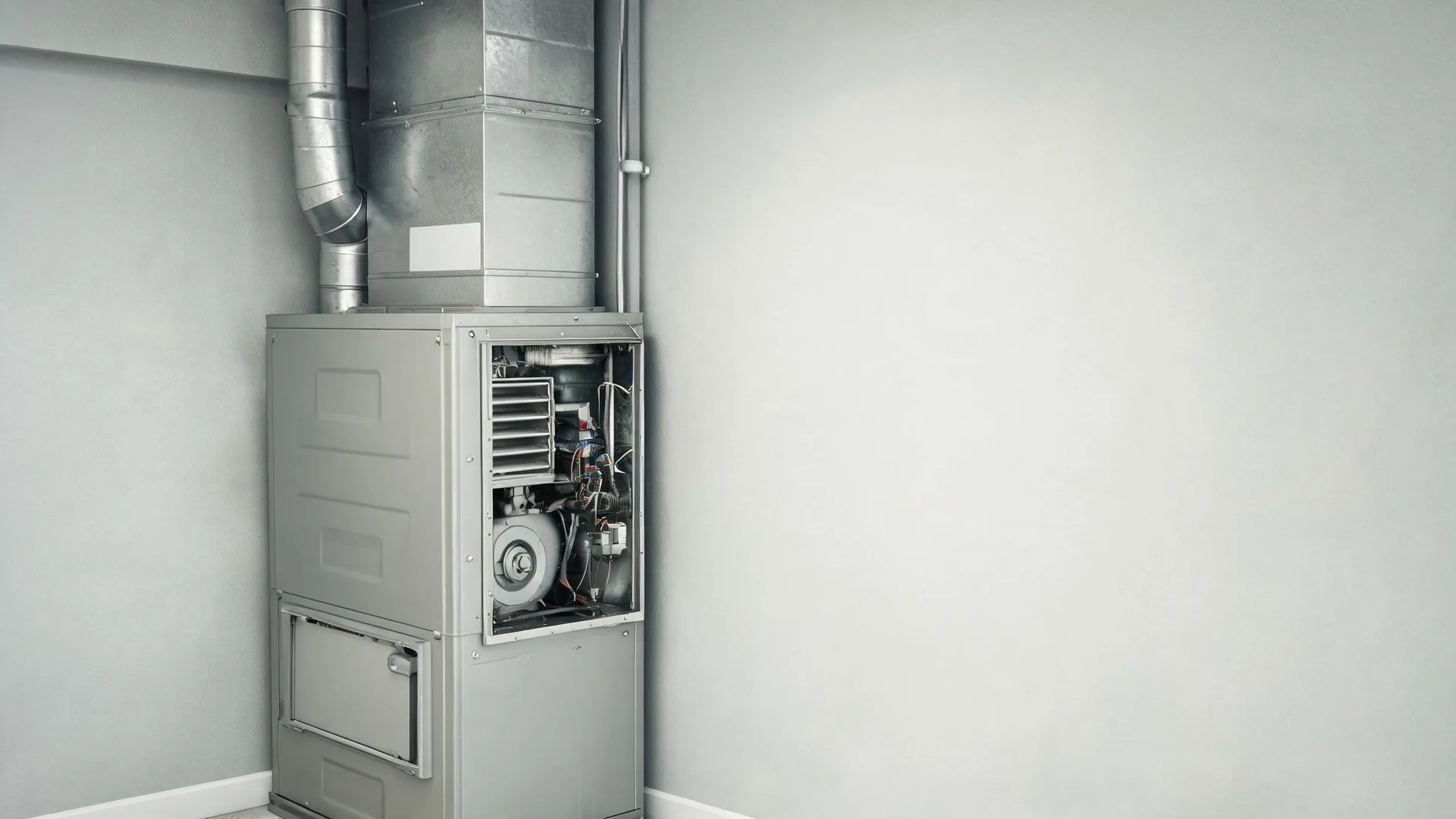
A blower or exchanger problem is a different kind of call

A blower motor that's noisy, slow to start, or pulling more amps than it should will shorten the life of everything downstream of it, since the whole system depends on it moving air evenly. A cracked heat exchanger is the one failure that isn't a repair-now question, it's a safety question, and a furnace showing signs of it needs to be shut down and checked before it runs another cycle.

A gray forced-air furnace with ductwork stands in an unfinished concrete basement surrounded by storage items and clutter.

A new furnace would cut about $100 a year off heating for a typical Silver Bow County home.

  • A new high-efficiency furnace$410 a year
  • An older furnace$510 a year

Estimates for a typical Silver Bow County home, compared with an older unit built to the previous federal minimum, from EIA household energy data, Montana fuel prices and NOAA climate normals. Your home will differ.

Repair makes sense when one part has failed and the heat exchanger is sound.

Replacement makes sense when the heat exchanger is cracked or the furnace keeps needing parts.

A repair is worth making when the parts around the failure are still sound. If the igniter or flame sensor is the problem and the blower runs fine and the heat exchanger is clean, fixing the one bad part gets you a furnace that's good for years still. Replacement starts to make more sense once failures stack up, one repair leading to another a season later, or once a contractor finds cracking or corrosion in the heat exchanger itself. A furnace that keeps coming back with a new complaint every so often is telling you something a single repair bill doesn't. The honest question to ask a contractor isn't just what's broken, it's whether this failure is a one-off or the first of more to come.