Heat Pump Installation in Montana
Montana's winter nights are colder than in 41 of the other 49 states.
Tell us about the job
Takes about a minute. No obligation.
- 15°Fwinter overnight low where people live
- 10 monthsof heat, September through June
- 76°Fsummer afternoon high where people live
- 1 monthof cooling, in July
Montana sees more storm activity than most states track Sweet Grass County logs the heaviest run of it
- Summer highs 79°F in eastern counties, 74°F in western ones
- Winter nights average 15°F where people live
- Summer afternoons average 76°F where people live
- Heat runs September through June
- Cooling runs in July
- 1,690 winter storms from 2015 to 2024
Montana homes don't ask for anything unusual
Half the homes in Montana were built in 1981 or earlier, and half in 1981 or later. That split doesn't call for anything special in a heat pump. Most of the state's housing is detached single-family houses, with mobile homes a smaller share. A standard install fits a Montana house about as well as it fits a house anywhere else. Your contractor will size the unit to your home, not to the state it sits in.
A heat pump here runs heat about ten months a year, September through June. Overnight lows average 15°F across December, January and February, so the unit is pulling heat out of cold air for most of the year it works. Cooling only comes into play in July. One month of light duty barely touches a compressor.
A system that only cools one month a year isn't getting pushed hard. That changes what breaks and why. A problem here is more likely to trace back to age or something that got missed than to a unit worn down from running flat out all summer. You don't need the highest efficiency tier to get a unit that holds up. Pick one built well and sized right, and it should do the job for years.
Get it in before August, so it's ready when the cold sets in
Heat here runs September through June. That's the work this unit does nearly all year, so August is the time to have it in and running, before the first cold mornings hit. Wait until the heat is already needed and you're choosing from whatever's available on short notice, not what fits your house best. Cooling is just July, one month, and that end of the job takes care of itself once the heating side is sized right.
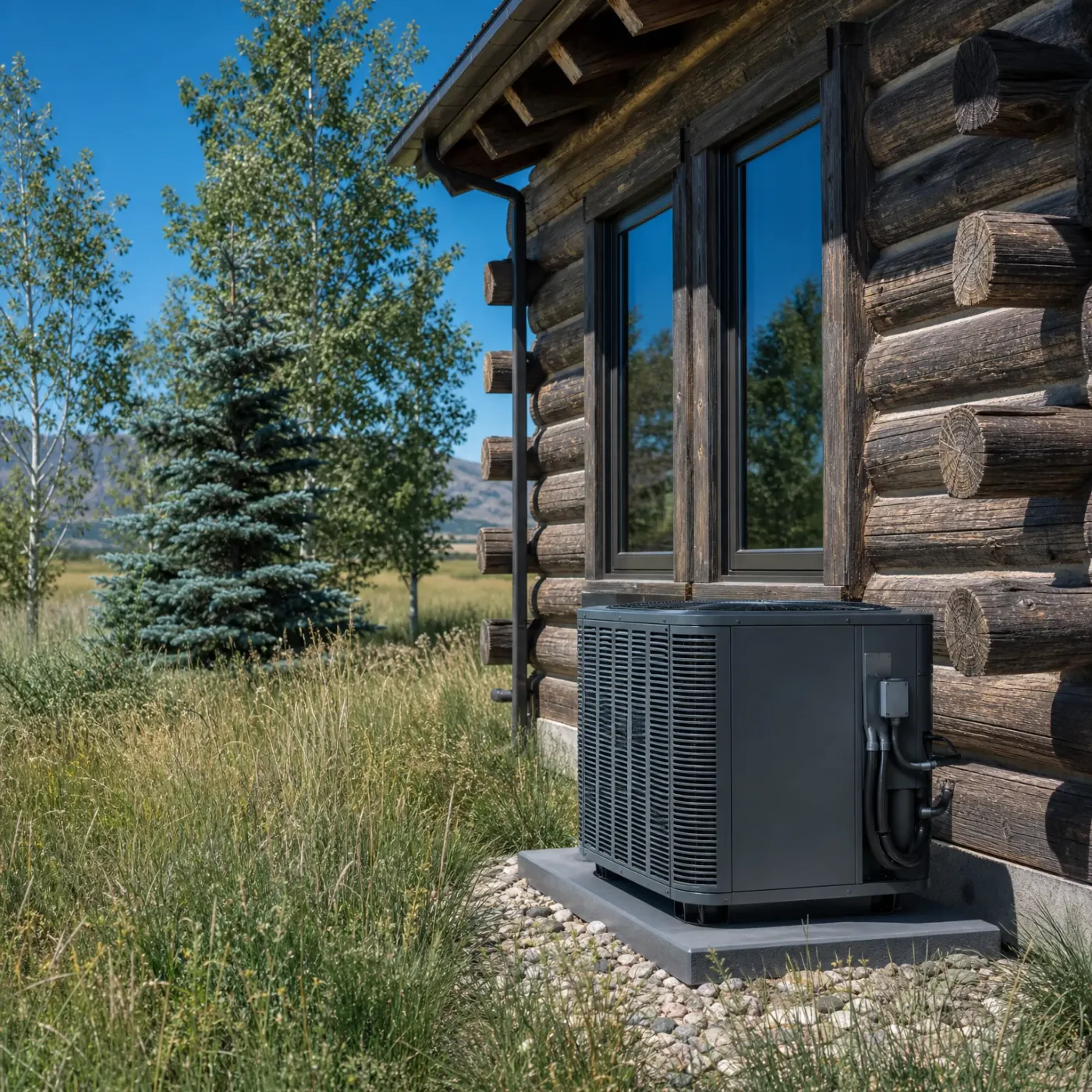
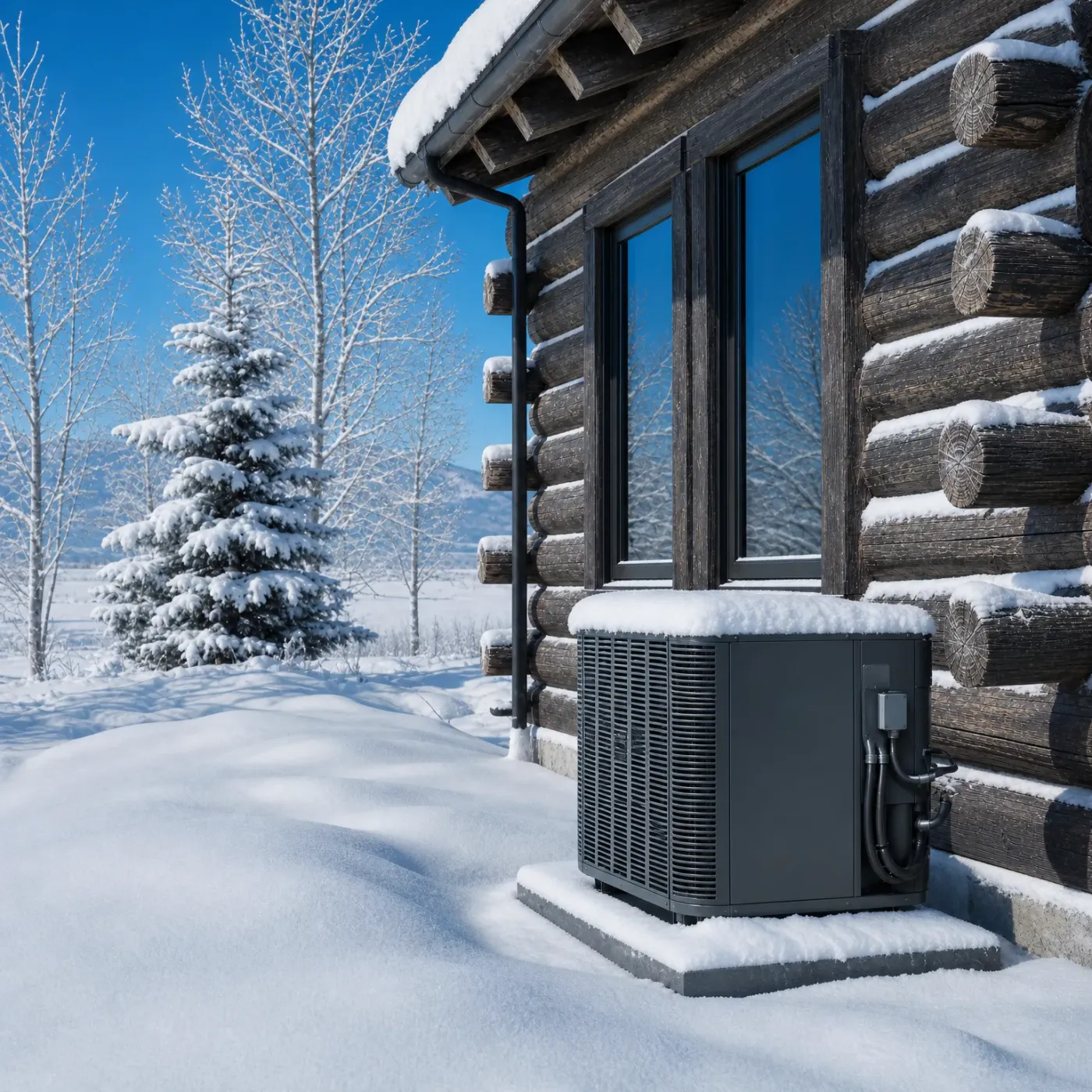
1 month of cooling, in July
10 months of heat, September through June
Montana isn't one climate for a heat pump to handle. Summer afternoons average 79°F across the eastern counties against 74°F across the western counties. Custer County runs hottest of all, at 84°F through June, July and August. That's the cooling side, though, and cooling is the smaller part of this unit's job here.
Winter is where the real gap shows up. Daniels County nights average 3°F across December, January and February, while Sanders County stays at 20°F. A heat pump in Daniels County is pulling warmth out of far colder air than one in Sanders County, night after night, for most of the year it runs.
How long the unit works also depends on where in the state it sits. Park County needs heat about 12 months a year, the longest stretch in Montana. Yellowstone County needs it for about 9. Both are heat pumps doing the same job, but one runs through every month and the other gets a real break.
None of this changes what the unit is built to do. It still has to cover heating for most of the year and cooling for a short one. The county you're in decides how cold the air gets on the coldest nights and how many months the system runs without a break, and that's worth knowing before you size one for your house.
What does a heat pump in Montana face?
How hot do summer afternoons get?
76°Faverage afternoon high where people live
Alaska66°F
Arizona101°F
How cold do winter nights get?
15°Faverage overnight low where people live
North Dakota4°F
Hawaii65°F
How many months does the heat run?
10 monthsof heating a year
Hawaii0 months
Alaska12 months
What does electricity cost?
12.66¢per kWh (kilowatt hours, the unit on an electric bill), what homes paid in 2024
North Dakota11.51¢
Hawaii42.86¢
How often do storms hit?
223severe weather events per county from 2015 to 2024
Alaska5
Wyoming1,057
How many homes lost power for a day or more?
18%of homes in 2024
Arizona7%
Maine54%
What happens on installation day
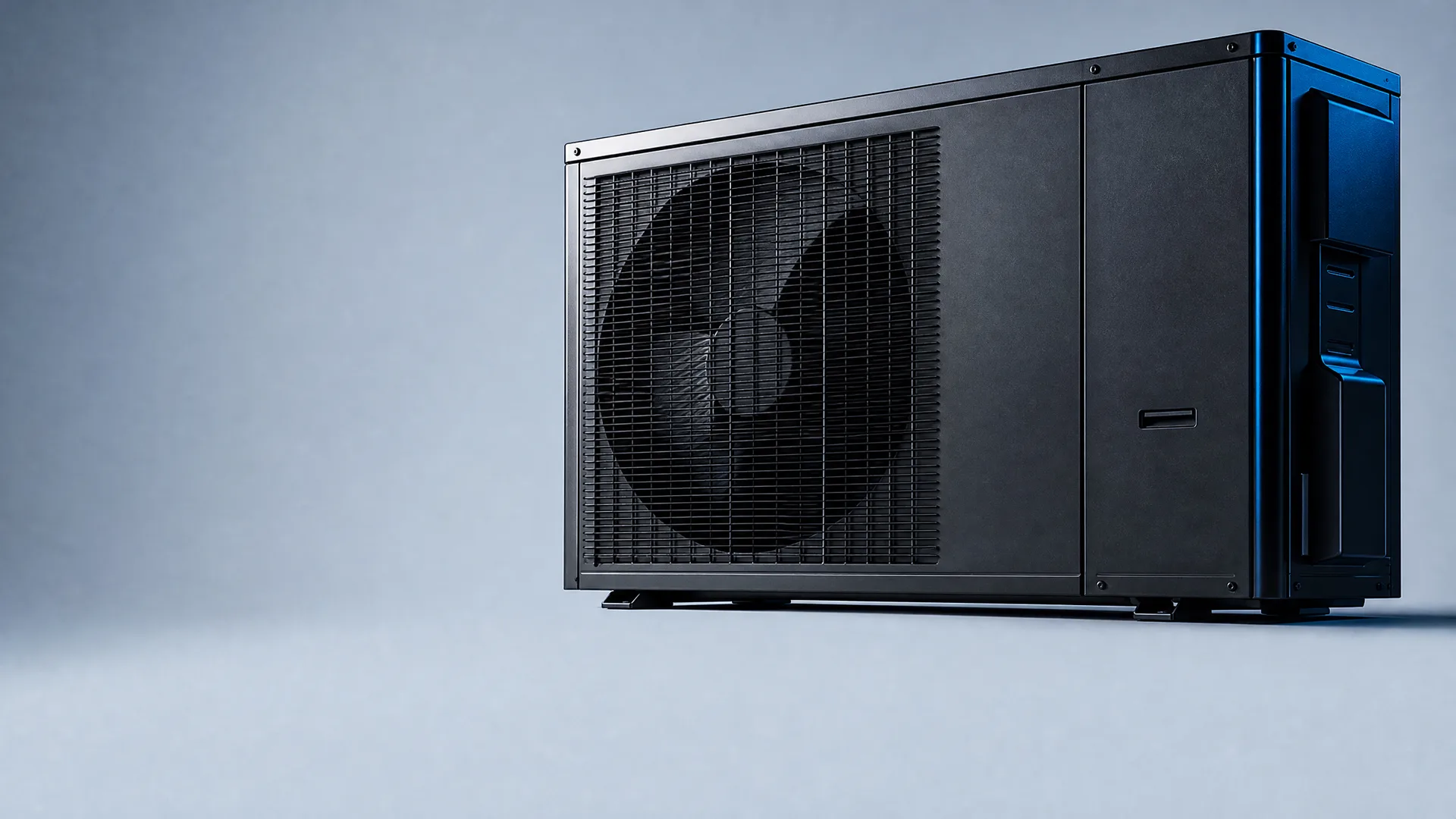
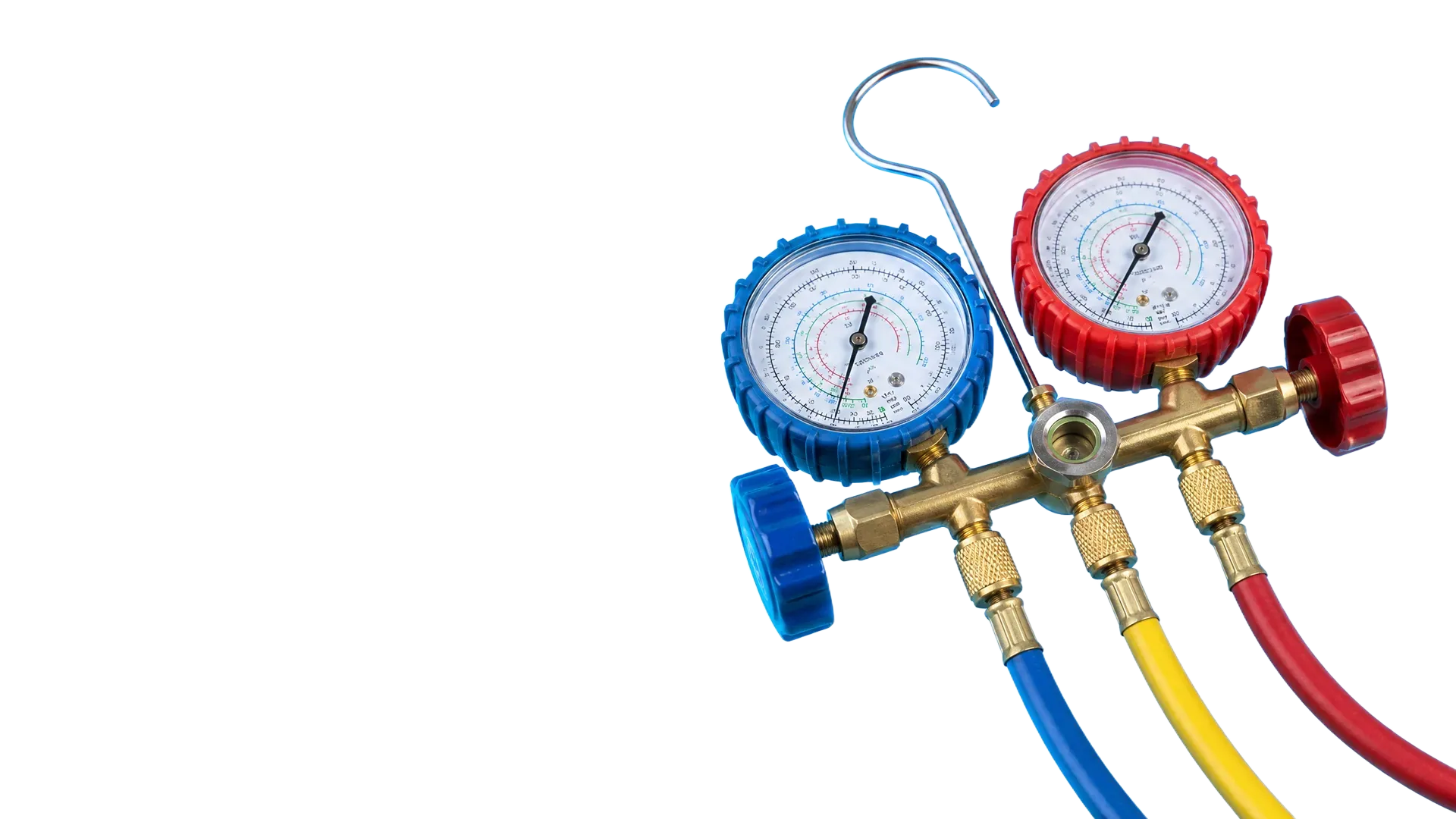
Installation starts with a load calculation on the house itself, not the old equipment. Square footage, window placement, insulation and duct layout all factor in, so the new unit gets sized to the house instead of matched to whatever was there before. On the day, the outdoor unit goes on a pad or wall brackets and gets leveled, then connected to the indoor air handler through refrigerant lines. Those lines get pressure tested, then pulled into a vacuum to clear out air and moisture before any refrigerant goes in. Either one left behind can damage the compressor later. The electrical hookup runs on its own dedicated circuit and disconnect box. If ductwork is already in place, it gets checked for leaks and proper sizing rather than assumed to work as is, since a heat pump moves a different volume of air than older equipment. Refrigerant gets charged to the exact weight the manufacturer specifies, not by feel. Last comes a run through both heating and cooling, checking airflow at the vents and the temperature split between return and supply air, so any problem shows up that day instead of on the first cold night.
What happens to the old system
The old unit doesn't need to come out before the new one gets planned. Whoever's doing the install will disconnect the refrigerant lines, recover whatever refrigerant is left in the system rather than vent it, and haul off the outdoor unit, the air handler or furnace coil, and any line set that isn't being reused. If the old system ran on a gas furnace paired with AC, that furnace comes out too, along with the flue if nothing else in the house vents through it. A heat pump doesn't need a chimney or flue connection, so that part of the house just goes unused once the swap is done. The pad or bracket the old condenser sat on usually gets reused if it's still sound. Existing ductwork gets evaluated rather than ripped out automatically, since sealing and resizing is often enough to make it work with the new system. None of this is hazardous waste in the way old insulation or asbestos might be, but refrigerant recovery is handled under its own rules, which is one more reason this isn't a demo job for a general contractor.
Most homes here run on gas
Utility gas heats half the homes in Montana, more than any other fuel. Electricity comes in second at 27.3 percent, with propane at 13 percent and almost nobody on fuel oil. A heat pump replacing electric heat is a straightforward swap. A heat pump going into a house that's been running on gas is a bigger change, since it takes over a job a furnace used to do, and your contractor will want to know what's there now before sizing the new system.
Montana asks a heat pump to heat for most of the year, so get the sizing right now.
Tell us about the job
Takes about a minute. No obligation.
Fill out the form and hear from contractors ready to size a heat pump to your house.