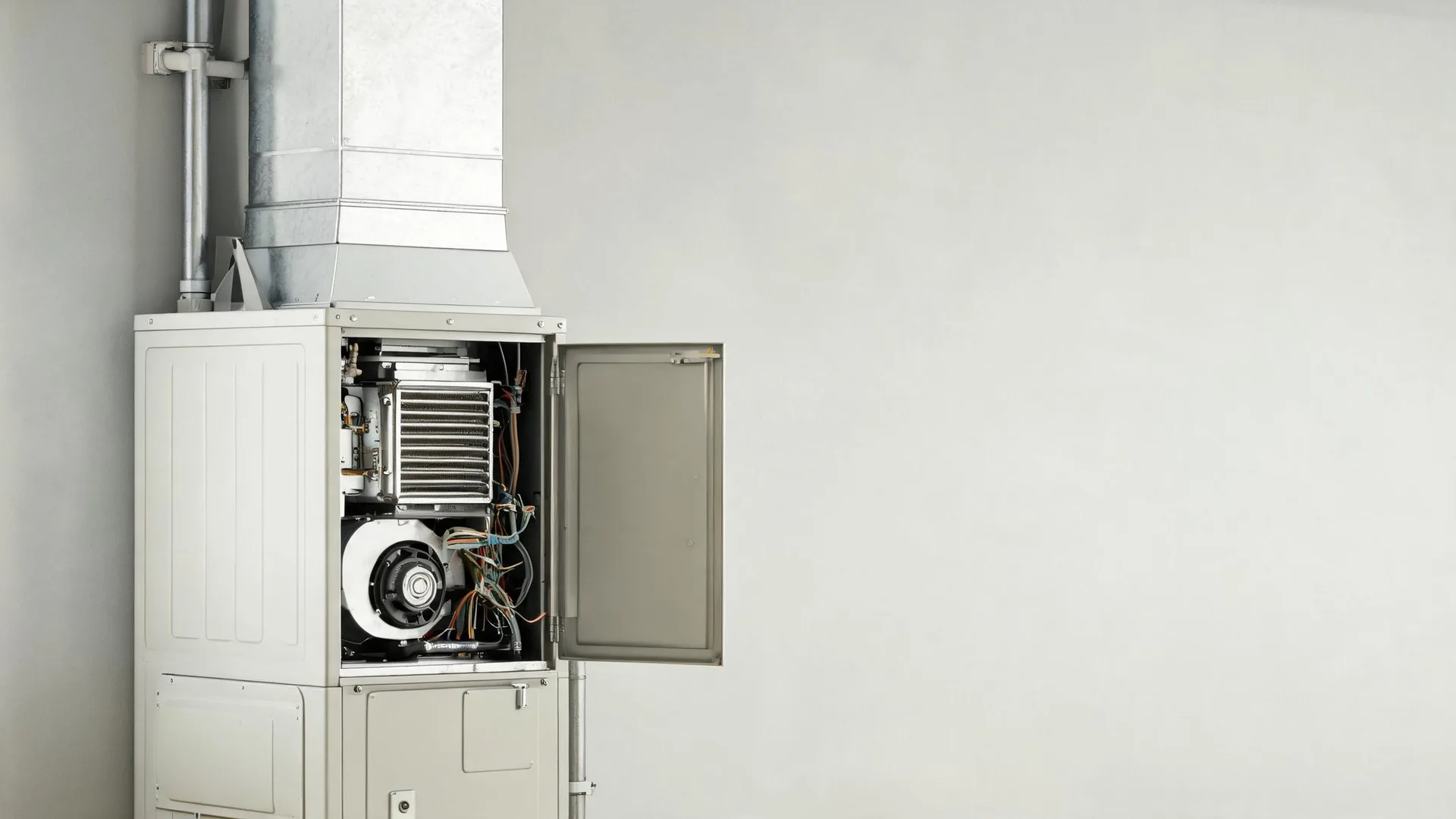
Ten months of runtime a year
Furnaces around Conrad run from September through June. That leaves a short stretch where the system gets to sit idle, and the rest of the year it's cycling on to hold the house warm through hard winters.
Takes about a minute. No obligation.
Furnaces around Conrad run from September through June. That leaves a short stretch where the system gets to sit idle, and the rest of the year it's cycling on to hold the house warm through hard winters.
A furnace running this much wears its parts down faster than one running half the year. The igniter, the blower motor, the pressure switch, all of them see more cycles. When something starts acting up, it's worth having a tech trace it back to the actual part before replacing anything.

NOAA nClimDiv, 1991–2020 normals
September is when furnaces around Conrad start up again after sitting idle since June.
A weak part that made it through last winter often fails in that first cold stretch.

Gas here runs $7.77 per million Btu, and a furnace that's limping along still burns it at that rate. A cracked heat exchanger, a dirty flame sensor causing short cycles, a blower that won't shut off when it should, any of these make the furnace work longer to do the same job. You won't see that at the furnace. You'll see it on the gas bill. A furnace that's cycling on and off every few minutes, or running long stretches without satisfying the thermostat, is already costing more than it should. Getting it looked at now costs less than paying that rate on a machine that isn't working right.
Ten months of heating a year doesn't leave much room for a part to fail quietly. Get the actual cause diagnosed before it takes the furnace out during a cold stretch.
Find a contractorA furnace doesn't last as long as the house it's in, so an older home doesn't mean an older furnace by itself. What it means is worth asking about. If the furnace came with the house and nobody's replaced it, ask the tech straight out how many winters it has left before you pay for anything more than a basic fix. A repair on a furnace that's near the end is still worth doing if it's small. A big one is a different call.
Most furnace trouble shows up as a change you can hear or feel before you see anything wrong. The burner takes longer to catch, or it tries a few times before it lights. The blower runs but the air coming out doesn't feel as warm as it used to. The furnace short cycles, kicking on and off every few minutes instead of running a full stretch. Some rooms stay cold no matter where the thermostat is set. A burning or metallic smell when it first kicks on, after the first run of the season, is worth paying attention to. None of these mean the furnace is done. They mean something specific inside it is wearing out and asking to be looked at.
A furnace that's running right makes the same sound every time it starts. A bang when the burner lights means gas is building up before it ignites, usually a dirty burner or a failing igniter. A screech from the blower points to the motor or its bearings. Rattling that wasn't there before often means a loose panel or something worse working itself loose inside. A hum with no airflow can mean the motor's trying to start and can't. Catching a new sound early and getting it diagnosed is what keeps a cheap fix from turning into a replaced blower motor or a cracked heat exchanger.
Estimates for a typical Pondera County home, compared with an older unit built to the previous federal minimum, from EIA household energy data, Montana fuel prices and NOAA climate normals. Your home will differ.
Repair makes sense when one part has failed and the heat exchanger is sound.
Replacement makes sense when the heat exchanger is cracked or the furnace keeps needing parts.
A repair is worth doing when the problem is one part acting up and the rest of the furnace is sound. A new igniter, a new flame sensor, a new pressure switch, these are straightforward jobs on a furnace that's otherwise running fine. Replacement starts to make sense when the part that failed is the heat exchanger, since that's the part the rest of the furnace is built around, or when you're being asked to fix a second or third thing in the same year. A tech can tell you which case you're in by looking at the furnace itself, not by guessing from its age. Two furnaces built the same year can be in completely different shape depending on how they were maintained and how hard they've had to work.