Heat Pump Repair in Montana
Montana's winter nights are colder than in 41 of the other 49 states.
Tell us about the job
Takes about a minute. No obligation.
- 15°Fwinter overnight low where people live
- 10 monthsof heat, September through June
- 76°Fsummer afternoon high where people live
- 1 monthof cooling, in July
Montana isn't hard on heat pumps Electricity here runs cheaper than most
- Summer highs 79°F in eastern counties, 74°F in western ones
- Winter nights average 15°F where people live
- Summer afternoons average 76°F where people live
- Heat runs September through June
- Cooling runs in July
- 1,690 winter storms from 2015 to 2024
Half of Montana's homes date to 1981 or earlier
Summer afternoons average 79°F across Montana's eastern counties, against 74°F in the west. That difference changes how hard a heat pump works to keep up through the summer, and over years it shows up as worn contactors and compressors running longer than they should.
Custer County sees the hottest summers in the state, averaging 84°F through June, July and August. Deer Lodge County sees the mildest, at 71°F. A heat pump repair call in Custer County is more likely to trace back to heat stress than the same call in Deer Lodge County, where the unit has had an easier summer.
A heat pump in Montana lives mostly in heating mode
Heat pumps here work heat for about ten months, September through June, and cooling for just one, July. So this machine spends almost all its time heating, and that's where a breakdown is most likely to start. August is worth a look before the switch, since a weak part that coasted through a mild summer often gives out once the system has to carry the house through the cold months. The one month of cooling load is light compared to most of the country, so a heat pump here wears differently than one running cooling most of the year.
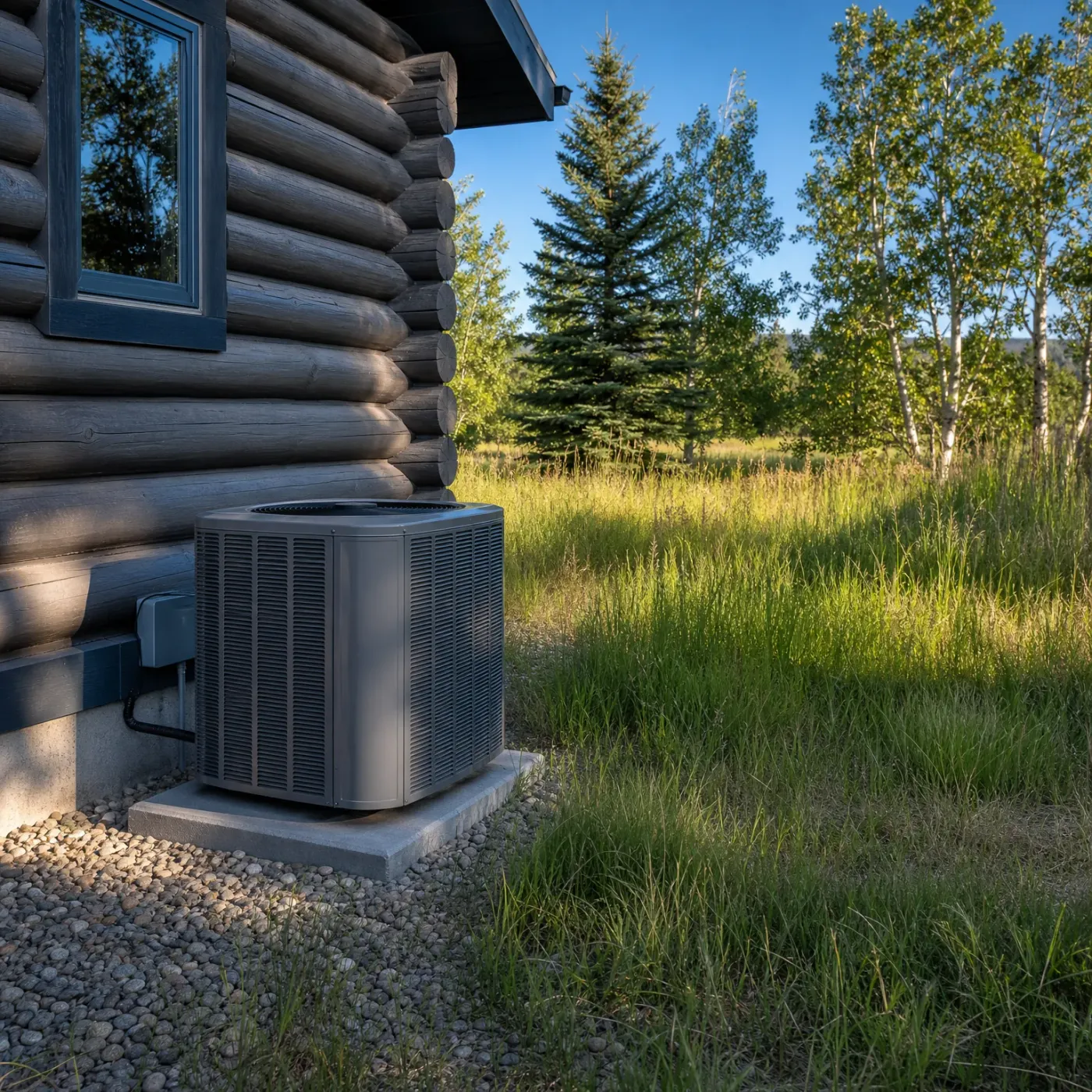
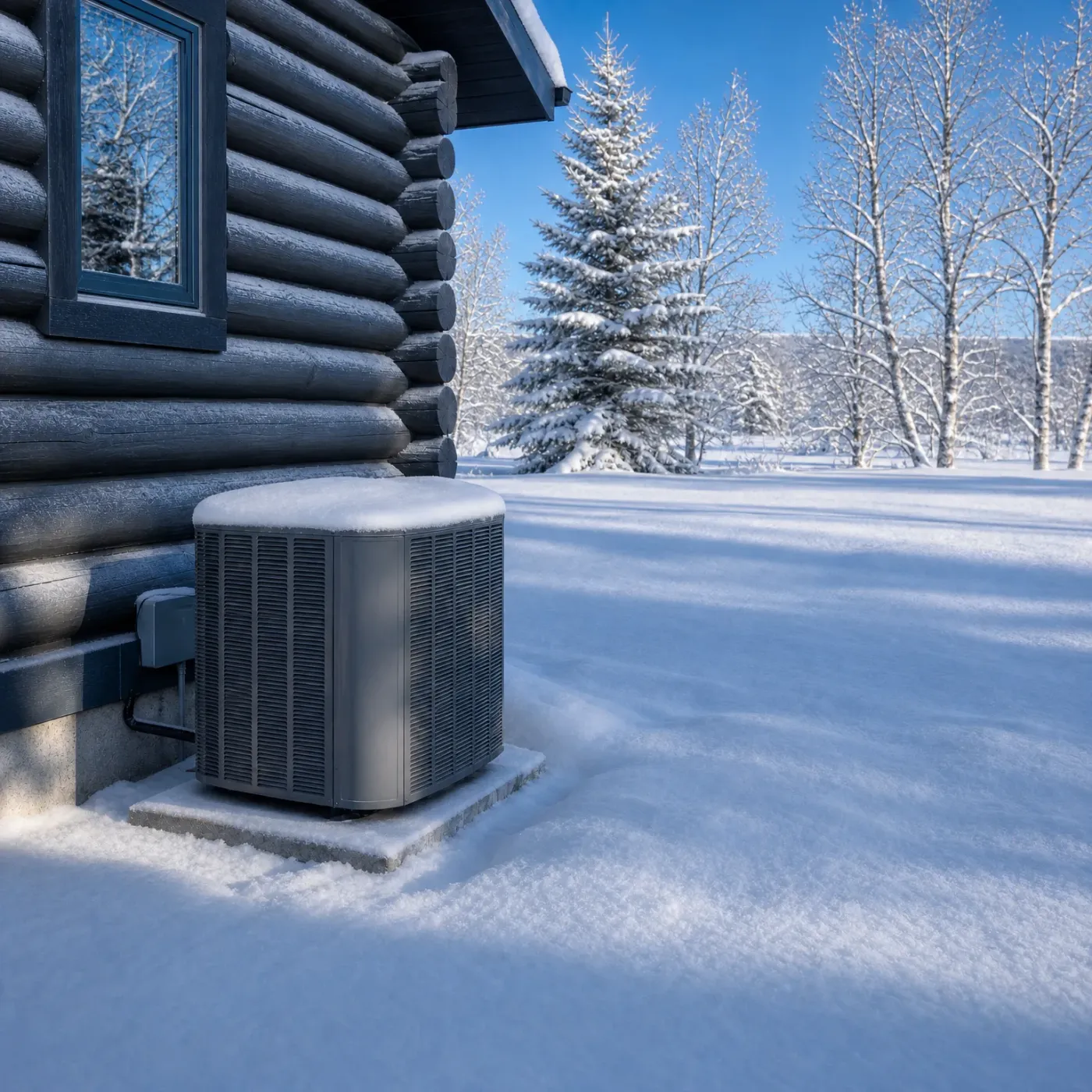
1 month of cooling, in July
10 months of heat, September through June
What does a heat pump in Montana face?
How hot do summer afternoons get?
76°Faverage afternoon high where people live
Alaska66°F
Arizona101°F
How cold do winter nights get?
15°Faverage overnight low where people live
North Dakota4°F
Hawaii65°F
How many months does the heat run?
10 monthsof heating a year
Hawaii0 months
Alaska12 months
What does electricity cost?
12.66¢per kWh (kilowatt hours, the unit on an electric bill), what homes paid in 2024
North Dakota11.51¢
Hawaii42.86¢
How often do storms hit?
223severe weather events per county from 2015 to 2024
Alaska5
Wyoming1,057
How many homes lost power for a day or more?
18%of homes in 2024
Arizona7%
Maine54%
Running one here doesn't cost much
Electricity here runs cheap. Montana homes pay 12.66 cents per kilowatt-hour, less than in 39 other states. Cooling doesn't push the bill up much either, since the load is light compared to most of the country. A heat pump here isn't fighting high power costs or heavy summer demand to do its job. When one acts up, that rules out a lot of explanations. What's left is usually a part that wore out doing ordinary work.
What to check before you call anyone
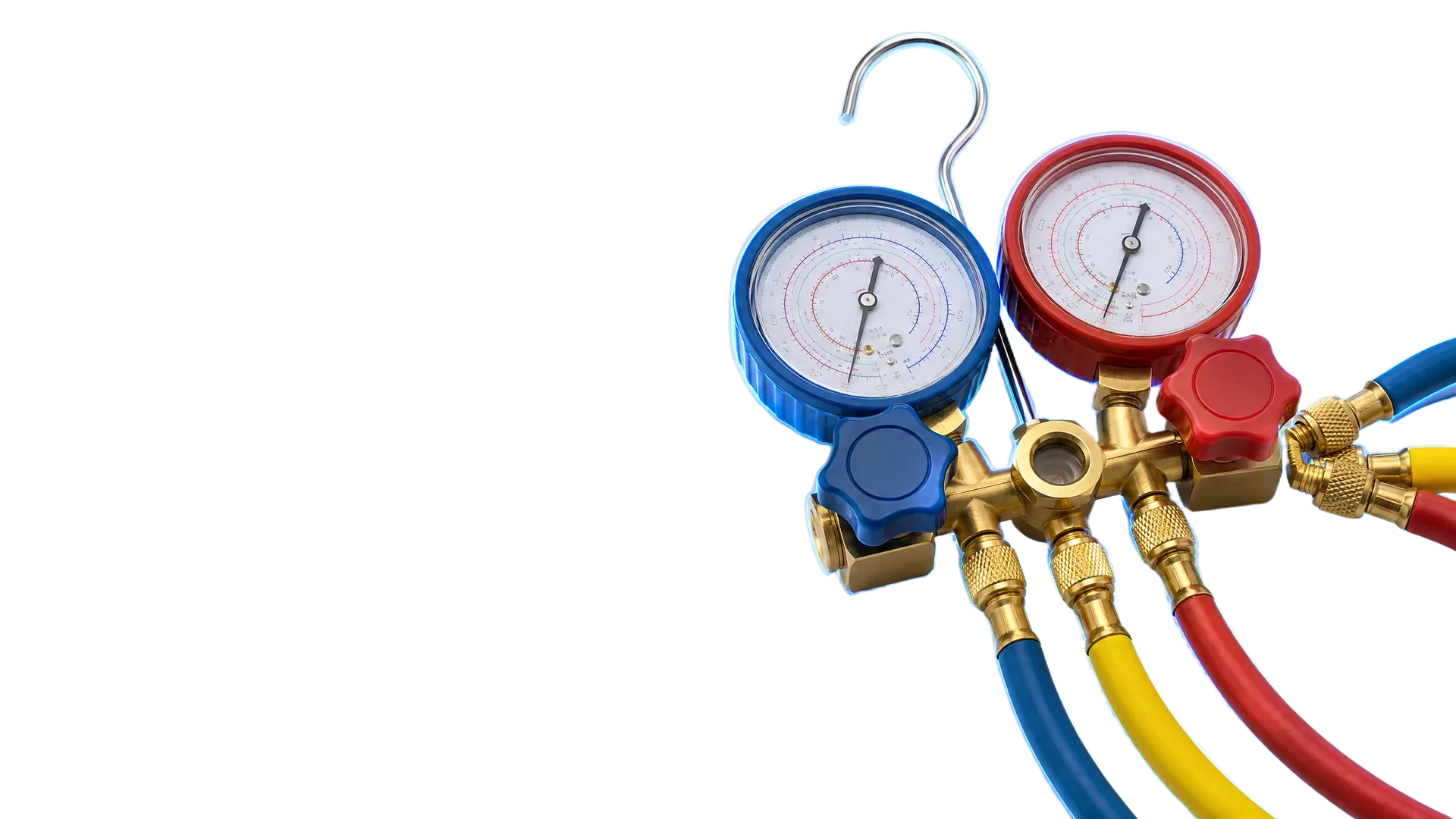
Start outside. Look at the outdoor unit for ice built up low around the coil and staying there instead of clearing after a few minutes, that's the difference between a normal defrost cycle and real trouble. Clear away anything blocking airflow around it, leaves, a woodpile, a drift of snow pushed up against the side. Inside, check the thermostat is set to heat, not cooling or off, since a setting bumped by accident looks exactly like a broken system. Pull the air filter and look at it. A filter packed with dust chokes airflow and can make a good system blow weak or cool air. Walk the vents and feel for airflow at each one. Weak air everywhere points at the filter or the blower. Warm air at some vents and not others points somewhere else. Check the breaker for the unit hasn't tripped, since a tripped breaker shuts the whole system down with nothing else wrong. None of this tells you what part failed. It tells you whether the problem is sitting in plain sight or needs a tech with gauges and a meter to find.
Where a heat pump usually breaks
A heat pump fails in a handful of places. The reversing valve is the part unique to this machine, not found on a plain furnace or air conditioner. It switches the system between heating and cooling by redirecting refrigerant, and when it sticks, the unit gets stuck in one mode or blows air that's the opposite of what the thermostat is asking for. The defrost control is the other one. It's supposed to melt ice off the outdoor coil on a schedule, and when the sensor misreads the coil or the board fails to call for a cycle, ice builds up and chokes airflow until the system can't pull heat from outside at all. The compressor wears from plain runtime, the windings or bearings giving out after years of starting and stopping, and a weak capacitor often gets blamed first since it's what gets the compressor started each cycle. A slow refrigerant leak at a fitting or line shows up as the system running long and hard without catching up to the thermostat. And since the outdoor unit sits outside all year, a corroded contactor or a fan motor seized by dirt is an ordinary way for one of these to quit.
Storms here can take a toll on the outdoor unit, so have it checked if it took hail or debris.
Tell us about the job
Takes about a minute. No obligation.
Fill out the form once and a licensed contractor who works on heat pumps will reach out.