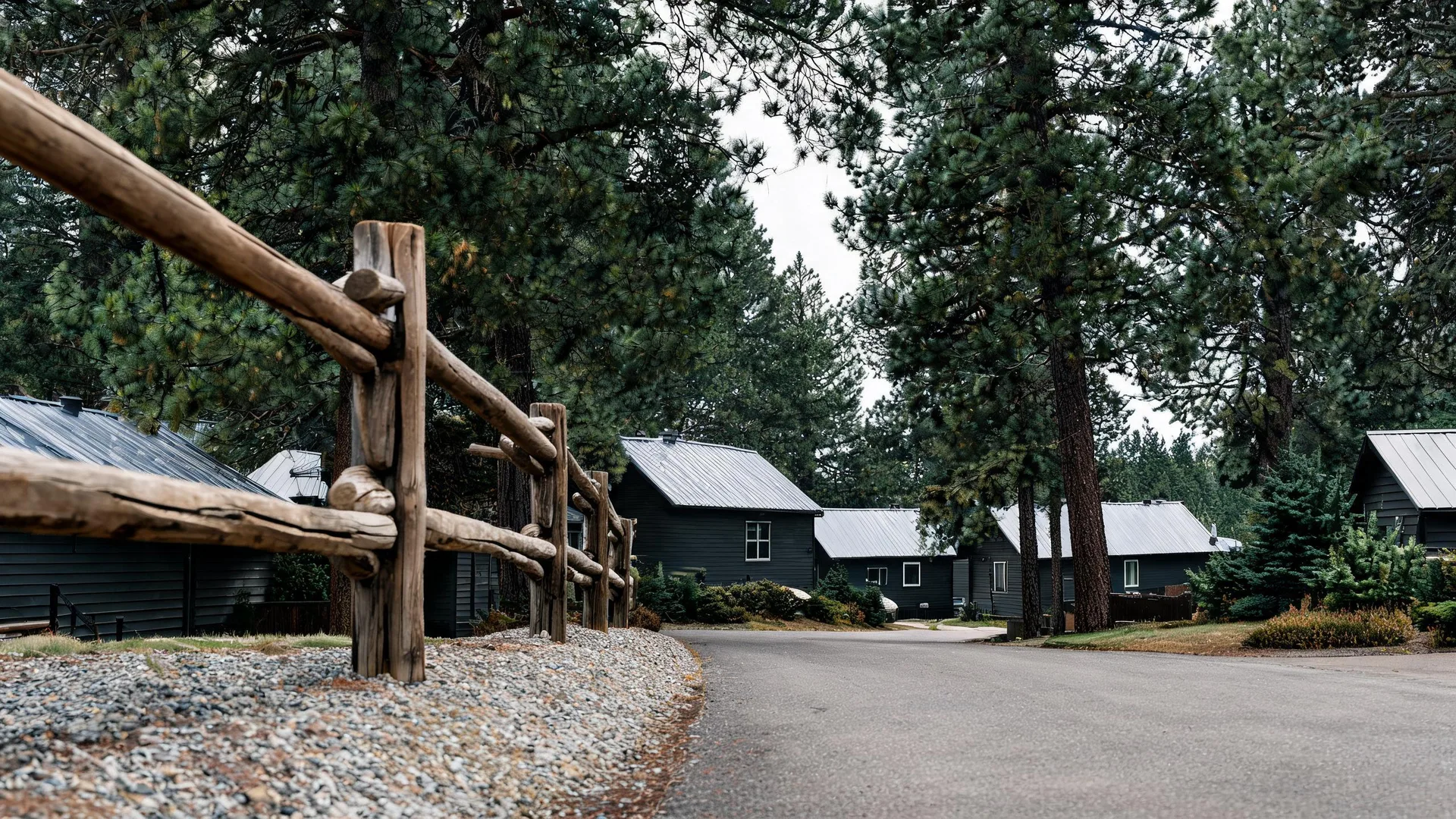
A rustic log rail fence beside a gravel verge and paved road, with dark-sided cabins with metal roofs among tall pine trees under an overcast sky.

Furnace Repair in Roundup, MT

Tell us about the job

Takes about a minute. No obligation.

RepairFurnace or heatingMusselshell County, MT
Step 1 of 2

What ZIP code is the job in?

Nine months of work a year

A furnace in Musselshell County runs from September through May. That is most of the year asking the igniter, the blower motor and the heat exchanger to cycle on and off, day after day, with barely a break before the next heating season starts.

Problems show up early here

With a furnace running that many months, parts wear down sooner than they would somewhere with a short winter. A rattle or a short cycle that might wait in another climate is worth looking at now, before it turns into a furnace that won't start on a cold morning.

9 months
September through May, your furnace is on duty
15°F
the average winter night it heats against
25 winter storms
in ten years, the nights a failure hurts most
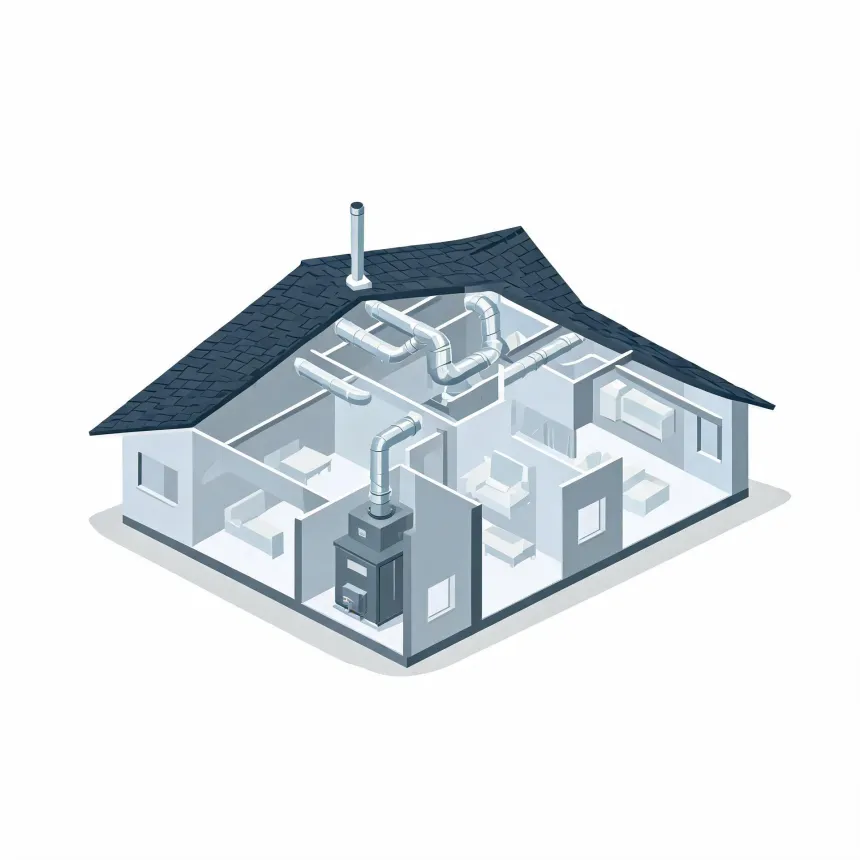
Isometric cutaway illustration of a single-story house showing interior rooms with furniture, a metal ductwork network, and a furnace unit connected to a vertical flue through the dark shingled roof.
Your furnace works hardest from November through March.

NOAA nClimDiv, 1991–2020 normals

A furnace won't tell you what's wrong until it stops working.

A few checks at the thermostat and the filter can tell you whether to wait for a tech or call one now.

Propane here runs $22.28 per million Btu, and a struggling furnace burns more of it every month it goes unfixed

Heat runs September through May
Winter nights average 15°F
Climate zone 6B
Nine Months of Cold Means No Room for a Weak PartHeat starts in September here, and whatever was wrong with your furnace in May is still wrong now.

A furnace that's short cycling or struggling to light isn't burning less propane. It's burning more, because it works harder to push out the same heat. That cost shows up on the next bill whether the furnace gets looked at or not. Waiting doesn't save you the repair. It just adds weeks of high bills on top of it. Getting a tech out now stops the bleeding instead of just the symptom.

Nine months of this a year, it needs a real diagnosis

A furnace running since September has had a lot of chances to wear something down. A tech can find the actual part behind the rattle or the short cycle, so the repair holds instead of coming back in a few weeks.

Find a contractor
A man in a cap, gray long-sleeve shirt and brown pants carries a canvas tool bag up porch steps toward a dark front door, beside a potted shrub.
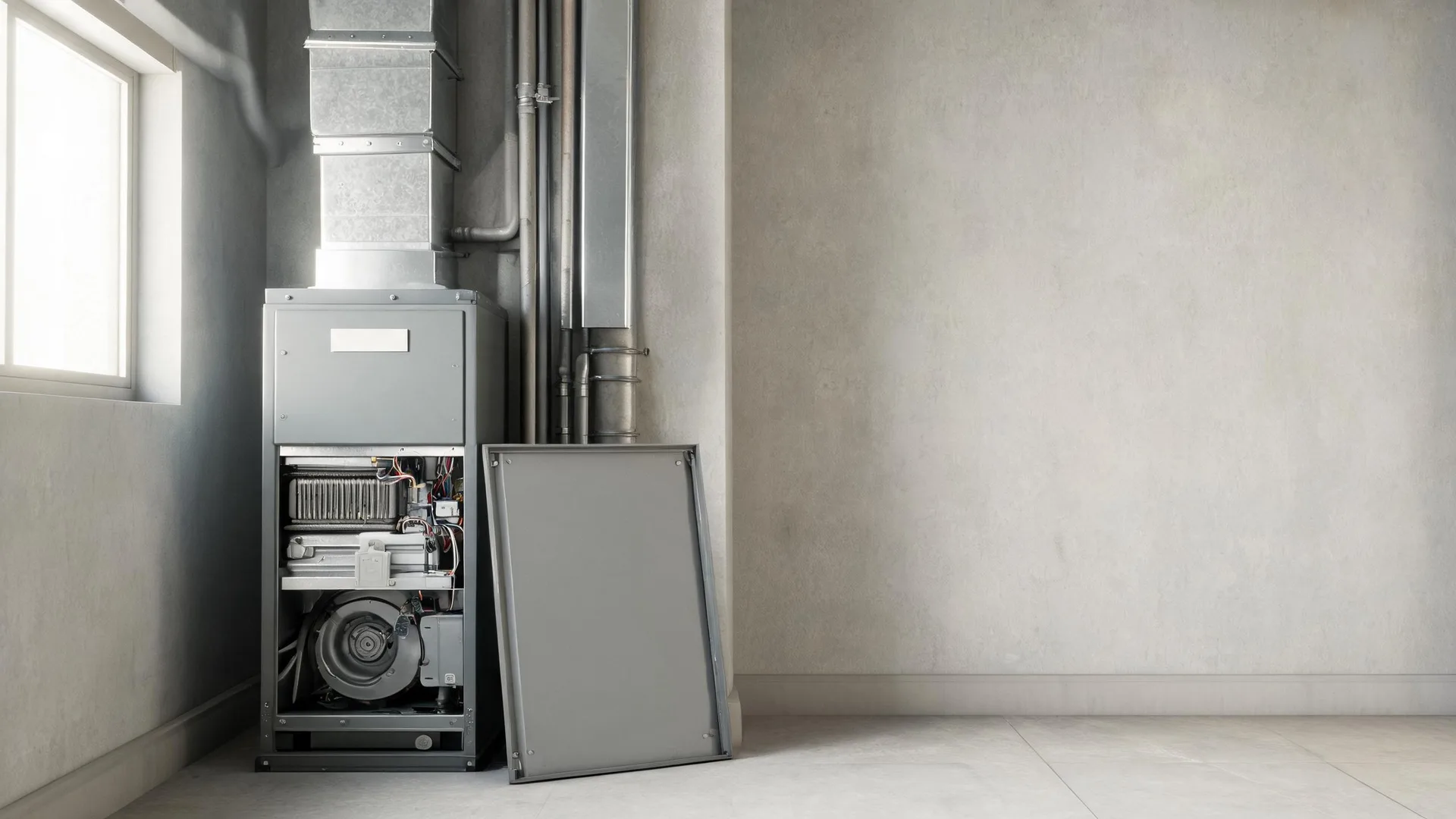
A gray gas furnace with attached ductwork and piping installed in an unfinished concrete basement.

Some Problems Wait. These Don't

A furnace that's struggling doesn't stay in one place and wait. A cracked heat exchanger gets worse every time it heats and cools. A blower motor with worn bearings keeps grinding until it seizes. An igniter that's starting to go will light less reliably each time, not more. Letting the furnace keep cycling while a part is failing asks that part to keep working past the point it was already struggling, and it asks the parts around it to cover the difference. A blower pulling more current than it should puts strain on the control board. A dirty flame sensor that's barely reading the flame can shut the burner down mid-cycle, and each false shutdown and restart is wear the furnace didn't need. Some problems do stay small for a while. A sticking inducer motor or a weak thermostat connection might run for a long stretch before it fails outright. But the parts tied to heat and combustion don't get that grace. Those are the ones worth having looked at as soon as something sounds or feels off, because waiting doesn't just risk a bigger repair. It risks the furnace quitting on the night it's needed most.

Most failures start with ignition or airflow

An igniter weakens a little more each time it fires, until one day it doesn't glow hot enough to light the gas. A flame sensor coated with a thin layer of residue stops reading the flame and shuts the burner down even though it's lit. A dirty filter chokes airflow, and a furnace starved for air runs its heat exchanger hotter than it should. None of these start as emergencies. They start as small misfires that happen a little more often.

The part that fails quietly is the one that matters most

A heat exchanger cracks from the inside, where nobody's looking, as metal expands and contracts through thousands of heat cycles. There's no warning rattle built in. Sometimes the first sign is a burner flame that flickers oddly or a faint odor when the blower kicks on. A tech checks it with a diagnosis, not a guess, because a cracked exchanger isn't a part you patch and watch.

An unfinished basement featuring concrete block walls, exposed floor joists, and a metal forced-air furnace with ductwork near a central pillar.

A new furnace would cut about $160 a year off heating for a typical Musselshell County home.

  • A new high-efficiency furnace$680 a year
  • An older furnace$840 a year

Estimates for a typical Musselshell County home, compared with an older unit built to the previous federal minimum, from EIA household energy data, Montana fuel prices and NOAA climate normals. Your home will differ.

Repair makes sense when one part has failed and the heat exchanger is sound.

Replacement makes sense when the heat exchanger is cracked or the furnace keeps needing parts.

A diagnostic visit starts before any panel comes off. The tech asks what the furnace was doing: short cycling, failing to light, blowing cold air, making a noise it didn't used to make. Then the furnace runs while they watch it go through a full cycle, because some problems only show up once the igniter fires or the blower kicks on. They check the flame itself, since a flame that's too small or the wrong color points to an airflow or gas problem before anything else does. They'll pull the filter, check static pressure, and test the components tied to ignition and safety, like the flame sensor and the limit switch. A multimeter checks whether the parts drawing power are drawing the right amount. By the end, the diagnosis points at one part, not a guess at several.