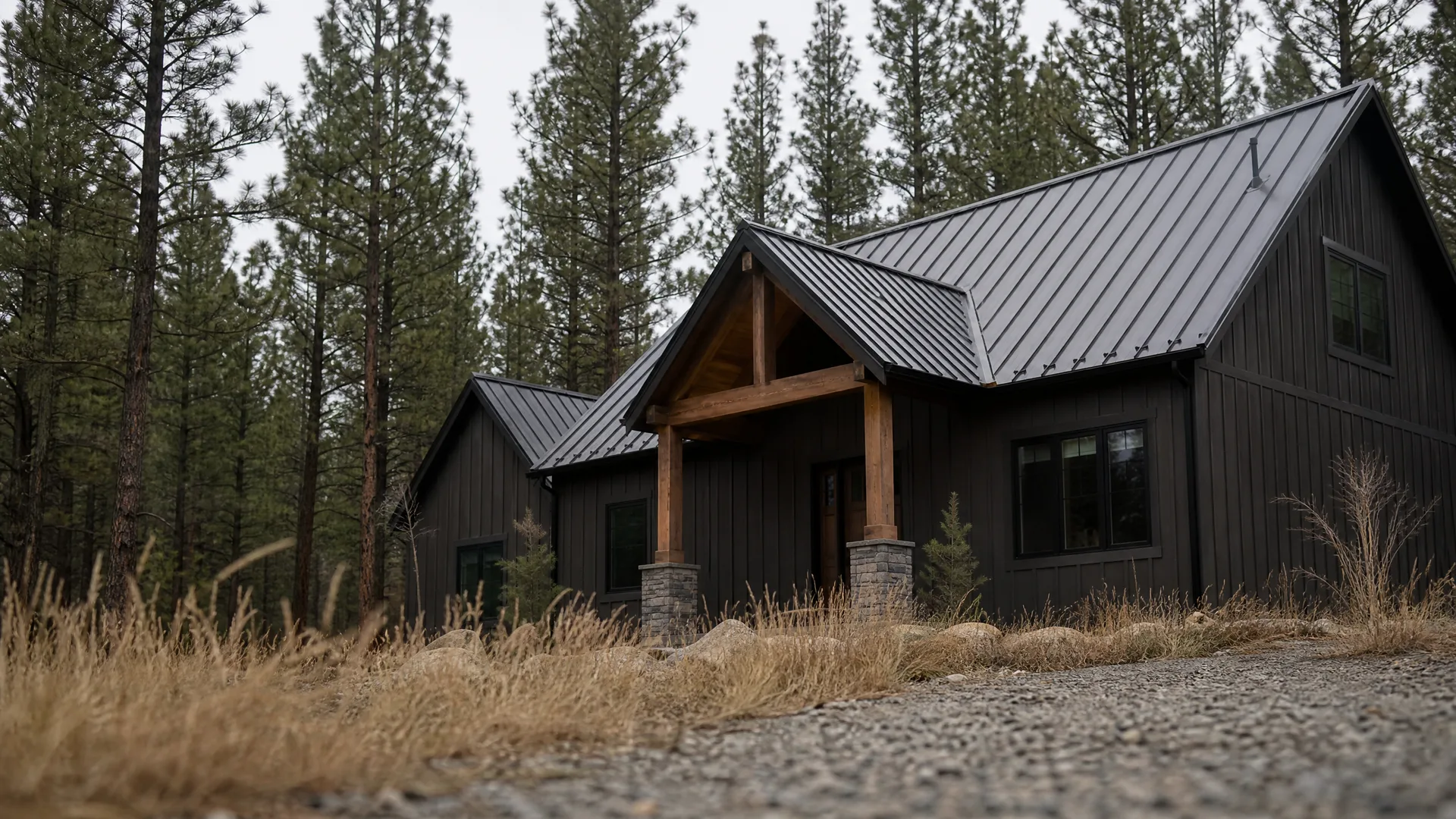


A dark-painted board-and-batten house with a standing-seam metal roof, timber entry porch and stone column bases, set among pine trees behind dry grass and a gravel drive.

Furnace Repair in Wolf Point, MT

Tell us about the job

Takes about a minute. No obligation.

RepairFurnace or heatingRoosevelt County, MT
Step 1 of 2

What ZIP code is the job in?

Nine months of heat a year is a long stretch for any furnace. Most of the country gets a break somewhere in there, a few months where the system barely runs. Not here. From September through May, your furnace is the thing standing between you and a Montana winter, and it doesn't get much rest before the next one starts. That kind of run time catches up with parts that would last longer somewhere milder. An igniter or a blower motor that's seen nine winters here has done more work than the same part in a house further south, even if the furnace itself isn't old. When something starts acting up, it's usually not bad luck. It's the wear you'd expect from a machine that works this hard, this often.

9 months
September through May, your furnace is on duty
5°F
the average winter night it heats against
51%
of homes here heat with gas, so most furnaces here burn gas
27 winter storms
in ten years, the nights a failure hurts most
Isometric cutaway illustration of a single-story house in gray tones, showing interior rooms with furniture, ceiling ductwork, and an exterior furnace unit with a tall flue pipe.
Your furnace works hardest from November through March.

NOAA nClimDiv, 1991–2020 normals

Natural gas in Montana ran $7.77 per million Btu in 2024.

A furnace that's short-cycling or running long to keep up burns through that gas every day it goes unfixed.

Nine months of heat means September is when a weak part finally gives out

Heat runs September through May
Climate zone 6B
Winter nights average 5°F

Roosevelt County has logged 213 severe weather events between 2015 and 2024. Damaging wind caused 127 of those, and hail hit 59 times. A furnace itself sits indoors, but wind-driven debris can still bend a cabinet or knock something loose on the parts of a heating system that aren't sheltered, and that kind of damage doesn't always show on the outside. Winter storms factored into 27 of those events, and that matters more directly. Montana households lost power for 24 hours or more at a higher rate than most of the country last year, and a furnace that needs a spark or a blower motor to run can't do anything for you until that power is back. If a storm has come through and your furnace still seems to run fine, it's worth having someone take a look anyway. Some damage doesn't show up as a failure right away. It shows up as a part working harder than it should, until the day it stops.

Have it checked now, not mid-winter

Get the furnace looked at before the next cold stretch asks more of it. A part already worn from nine winters of running won't fix itself, and finding out now what's wrong means it's handled before you need the heat most.

Find a contractor
A gray high-efficiency gas furnace installed in an unfinished basement, surrounded by gas lines, a condensate drain, and sheet-metal ductwork.

What a dying furnace tells you before it quits

A furnace that's starting to fail doesn't usually just quit. It tells you first. Short cycling is one of the clearest signs: the burner fires, runs for a minute or two, and shuts off before the house warms up, then starts again a few minutes later. That can mean a dirty flame sensor, a clogged filter, or a limit switch tripping because airflow is restricted somewhere. A burner that won't stay lit, or lights with a bang instead of a steady whoosh, points to a dirty or misaligned igniter, or gas pressure that's off. Cold air coming from the vents when the system is supposedly heating usually means the blower is running but the burner isn't keeping up, or there's a delay in ignition worth checking. A furnace that runs constantly and never seems to shut off is often struggling to push enough heat through the ductwork, or it's lost efficiency somewhere in the heat exchanger. Rattling, grinding, or a squeal on startup almost always means a bearing or a belt, if the blower has one, is wearing out. A burning or metallic smell the first time it fires after sitting idle is normal for a few minutes. If that smell lingers, or shows up again later in the season, it's not.

Check these before you pick up the phone

Make sure the thermostat is set to heat and the setting is above room temperature, not just on. Check the filter and swap it if it's gray or clogged, since restricted airflow can trip a limit switch and shut the burner down. Look at the furnace door panel. Most furnaces have a safety switch that only engages when the panel is fully seated, so a loose or removed panel can stop it from running at all. If the furnace uses a standing pilot, check whether the pilot light is lit.

What those checks tell you

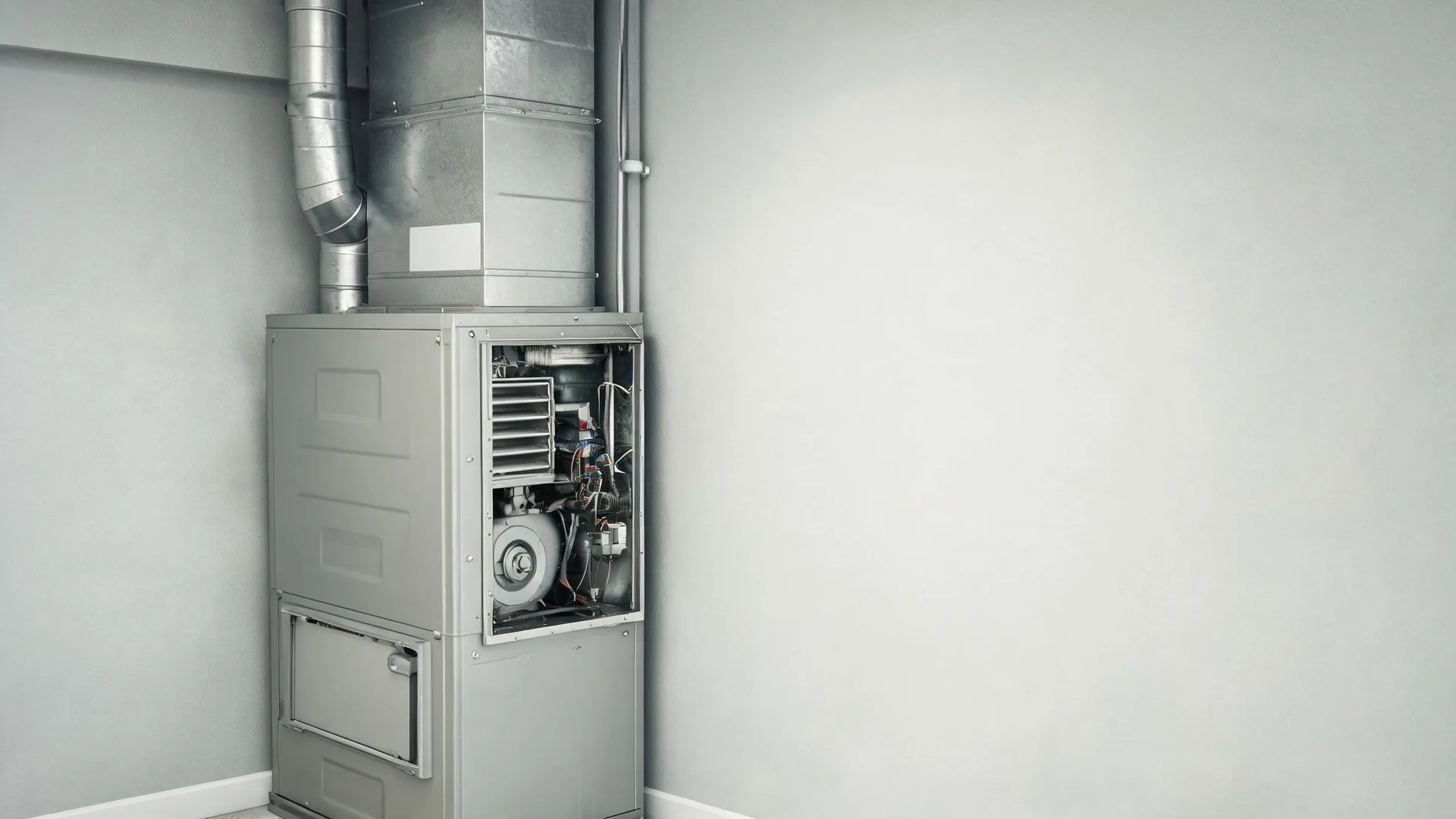
If the filter was the problem, the furnace should run a full cycle without shutting off early once it's replaced. If the panel wasn't seated and that was it, the burner should fire again once it's closed properly. If the pilot's out and won't stay lit after you relight it, that points to a thermocouple or a gas valve issue, and that's not something to keep relighting on your own. If you've checked all of this and the furnace still won't run, or it runs but won't heat, the problem is past what's safe to chase without opening it up.

An unfinished basement interior featuring a large metal furnace unit, exposed ceiling joists, concrete walls, and scattered boxes and cables on the floor.

A new furnace would cut about $100 a year off heating for a typical Roosevelt County home.

  • A new high-efficiency furnace$400 a year
  • An older furnace$500 a year

Estimates for a typical Roosevelt County home, compared with an older unit built to the previous federal minimum, from EIA household energy data, Montana fuel prices and NOAA climate normals. Your home will differ.

Repair makes sense when one part has failed and the heat exchanger is sound.

Replacement makes sense when the heat exchanger is cracked or the furnace keeps needing parts.

Gas here cost $7.77 per million Btu last year, and a furnace that's short-cycling or running long doesn't pace itself. It burns gas the whole time it's struggling, not just when it finally fails outright. That's a cost that adds up over weeks, not something you notice once and forget. If yours has been running longer than it used to, or kicking on and off more than it should, that's reason enough to get it looked at before the cold really sets in. Waiting doesn't make the gas it's wasting add up any slower.