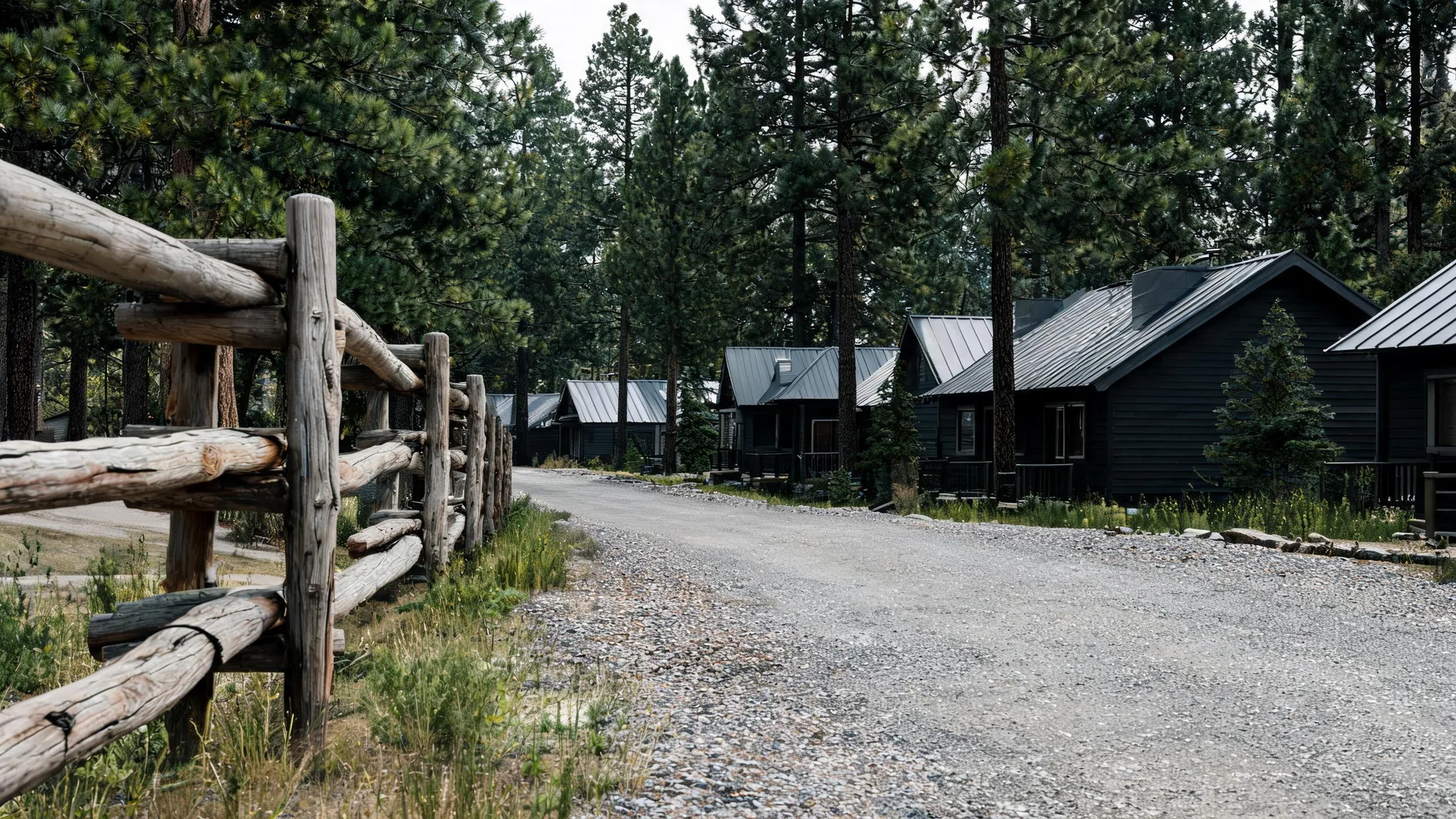



A gravel road lined with dark-sided cabins with metal roofs runs through a pine forest, with a weathered split-rail log fence in the left foreground.

Furnace Repair in White Sulphur Springs, MT

Tell us about the job

Takes about a minute. No obligation.

RepairFurnace or heatingMeagher County, MT
Step 1 of 2

What ZIP code is the job in?

A furnace here doesn't get a season off. Homes in Meagher County run heat in every month of the year, not just the cold stretch most places count on. Winter pushes it hardest: overnight lows average 14°F through December, January and February, colder than most of the country sees. That means more hours running, more cycles on the igniter and blower, more strain on every part that moves. Parts wear sooner under that kind of load, and small problems show up earlier than you'd expect. Whatever's going on with your furnace now, it's worth having someone diagnose it properly so the fix actually holds.

14°F
the average winter night it heats against
26 winter storms
in ten years, the nights a failure hurts most
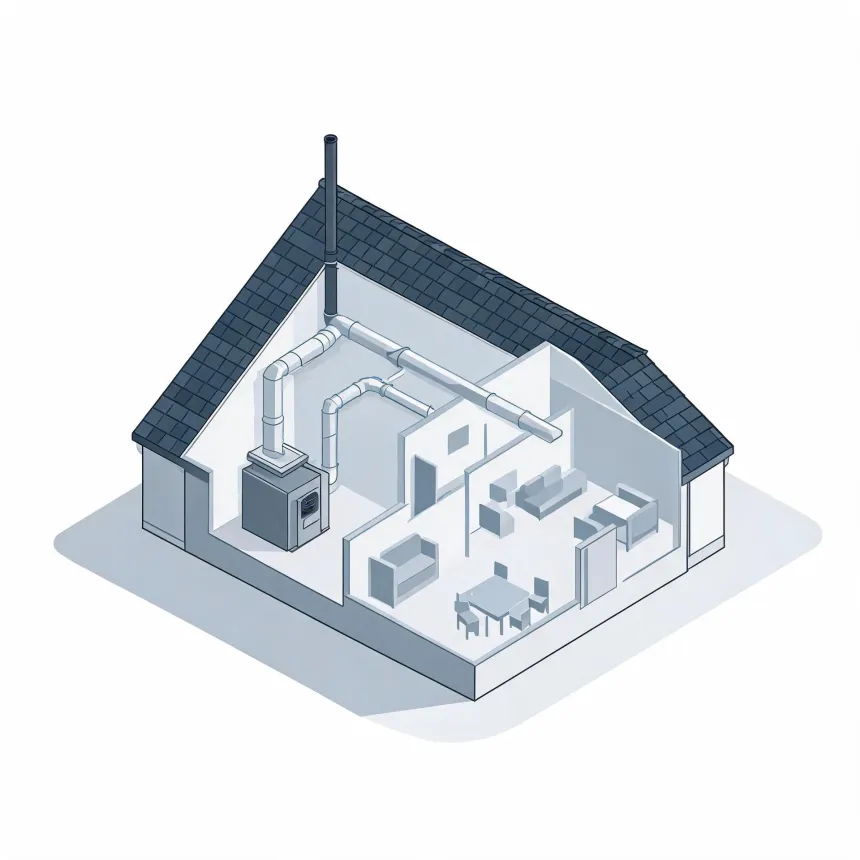
Isometric cutaway illustration of a house with a shingled gable roof, showing a gray furnace unit connected to overhead ductwork and a chimney flue, with simplified furniture in the rooms below.
Your furnace works hardest from October through April.

NOAA nClimDiv, 1991–2020 normals

A furnace won't restart if the filter is choked with dust or the flame sensor has a film on it.

Check the filter and the thermostat batteries before you pick up the phone.

Propane runs $22.28 per million Btu, so a furnace working this hard costs you most when it's running wrong

Climate zone 6B
Winter nights average 14°F
45.3% of homes heat with propane

A furnace that's short cycling, running constantly, or not firing right is burning propane without heating the house. On a machine that already runs long hours through a Meagher County winter, a bad limit switch or a cracked heat exchanger doesn't just risk a breakdown. It runs up the bill every single day it goes unfixed. Waiting until it fails completely costs you more than the repair would have. If something's off with how your furnace is running, get it looked at before the next cold stretch, not after.

Your furnace runs year round here, get the problem found before it runs harder still

A furnace that never gets a season off doesn't give you much warning before something gives out. If yours is acting up now, get it diagnosed before it has to work through another one of those months.

Find a contractor
A man in a cap, dark jacket and tan work pants carries a canvas tote bag as he steps up concrete stairs toward a blue front door, with a potted shrub beside him.
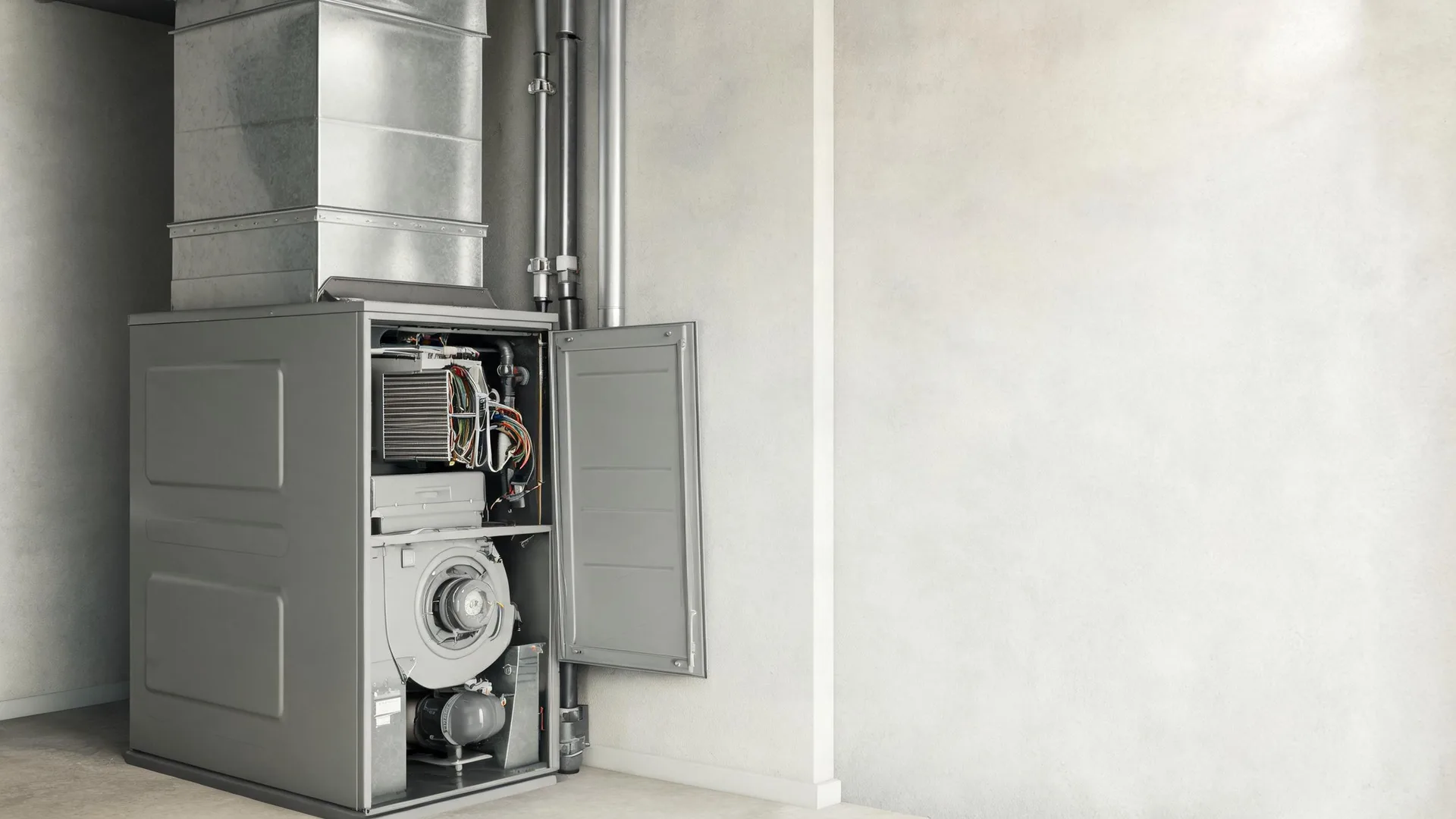
A gas furnace with attached ductwork, gas piping, and condensate lines installed in a concrete-block basement.

What a Struggling Furnace Sounds and Looks Like

A furnace usually tells you something is wrong before it quits. The burners should light with a clean whoosh and settle into a steady hum. If you hear clicking that doesn't catch, or the igniter glows and nothing happens, that's a failing igniter or a dirty flame sensor telling the control board not to proceed. Short cycling, where it fires up and shuts off before the room warms, often traces back to a clogged filter, a blocked vent, or a limit switch tripping on heat it shouldn't see. A blower that runs on after the burners shut off points to a fan control problem. Rooms that used to heat evenly but now run cold in the corners can mean a duct issue or a failing blower motor losing strength. A burnt or sulfur-like smell on startup is normal for a few seconds. If it lingers, or you smell something sharper, that furnace needs to be shut down and looked at, not run again until someone's checked it. Soot around the access panel, a yellow flame instead of blue, or a furnace that trips its breaker are all signs the machine is telling you it's done compensating.

A Small Problem Doesn't Stay Small

A cracked heat exchanger gets worse under heat and cooling, not better. Every cycle flexes the metal a little more along that crack. A blower motor losing strength keeps drawing the same power to move less air, and the extra strain wears the bearings faster. A furnace left to run with a problem like this isn't holding steady. It's getting closer to the point where it won't start at all.

Running It Anyway Can Ruin the Fix

Some parts fail other parts if you let them keep going. A clogged filter restricts airflow across the heat exchanger, and that's part of how exchangers crack in the first place. A limit switch that keeps tripping is doing its job, shutting things down before heat builds somewhere it shouldn't. Overriding that or ignoring it doesn't save the furnace, it just moves the damage further down the line, to a part that costs more to replace.

An unfinished concrete basement containing a gas furnace with sheet-metal ductwork, utility shelving, and exposed overhead joists.

A new furnace would cut about $200 a year off heating for a typical Meagher County home.

  • A new high-efficiency furnace$840 a year
  • An older furnace$1,040 a year

Estimates for a typical Meagher County home, compared with an older unit built to the previous federal minimum, from EIA household energy data, Montana fuel prices and NOAA climate normals. Your home will differ.

Repair makes sense when one part has failed and the heat exchanger is sound.

Replacement makes sense when the heat exchanger is cracked or the furnace keeps needing parts.

A diagnostic visit starts before any panel comes off. A tech will ask when the trouble started and what it looks or sounds like, because that narrows down the search fast. Then it's a sequence: check the thermostat call, check power to the board, pull the filter, watch a full ignition cycle from cold. Most boards store fault codes as a series of blinks, and reading that light is often the first real clue. From there it's testing with a meter, not guessing. A flame sensor gets checked for proper microamp signal, not just wiped clean and hoped for. A pressure switch gets tested under actual draw, not just eyeballed. The heat exchanger gets inspected for cracks or rust-through, since that's a safety issue as much as a repair one. By the end, a tech should be able to point to the one part causing the trouble and explain why it's that one and not another.