Illuminated timber-and-stone luxury homes photographed at twilight with snow-capped mountains visible in the background.

Furnace Installation in Chinook, MT

Tell us about the job

Takes about a minute. No obligation.

New system or replacementFurnace or heatingBlaine County, MT
Step 1 of 2

What ZIP code is the job in?

The size has to match the house

A furnace that's too big cycles on and off instead of running steady, and that wears out parts faster while leaving rooms uneven. One that's too small runs constantly and still can't keep up on the coldest days. Getting the size right means someone calculating heat loss for the actual house, not just swapping in a unit the same size as the old one.
The ductwork decides more than the furnace does

If the existing ducts are undersized, leaky, or routed poorly, a new furnace still has to push air through them. Sealing joints, adding a return, or resizing a trunk line can cost more than the furnace itself, but skipping that work means the new system fights the same problems the old one did.

10 months
September through June, your furnace is on duty
10°F
the average winter night it heats against
80% AFUE
the federal minimum any new unit must meet
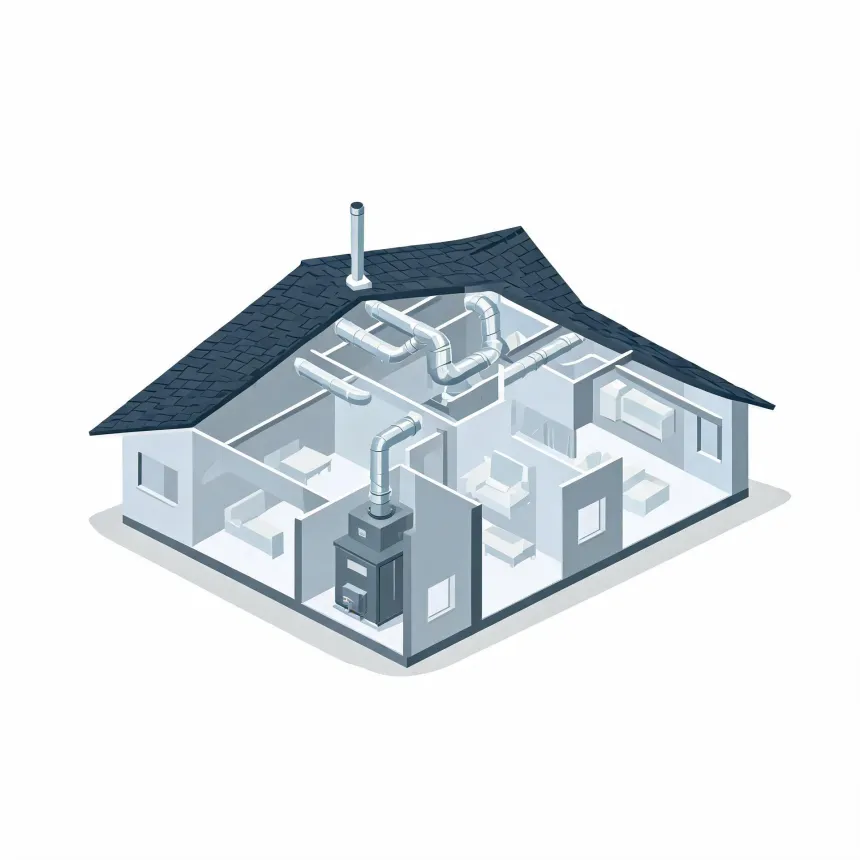
Isometric cutaway illustration of a single-story house showing interior rooms with furniture, a metal ductwork network, and a furnace unit connected to a vertical flue through the dark shingled roof.
Your furnace works hardest from November through March.

NOAA nClimDiv, 1991–2020 normals

Furnaces in Chinook run about ten months a year, September through June.

A new system here needs to be sized for nearly year-round duty, not a few cold months.

August is the month to replace it, before ten months of heat start up

Heat runs September through June
Winter nights average 10°F
Climate zone 6B

Gas heats 40 percent of homes in Blaine County, more than electric or propane, and that's the fuel most furnace installs here are matched to. If your old furnace runs on gas, staying with gas usually means the existing line and vent can be reused rather than rerouted. Electric furnaces and propane systems both have a place, especially where gas service doesn't reach, but for most homes in the county the simplest replacement is the same fuel that's already running to the house. That keeps the job focused on sizing the unit and checking the ductwork, not on adding a fuel source that was never there before.

Size it for how hard it works here

A new system here will work harder than most, every year. Size it right and don't buy on price alone.

Find a contractor
A man in a cap, gray long-sleeve shirt and brown pants carries a canvas tool bag up porch steps toward a dark front door, beside a potted shrub.
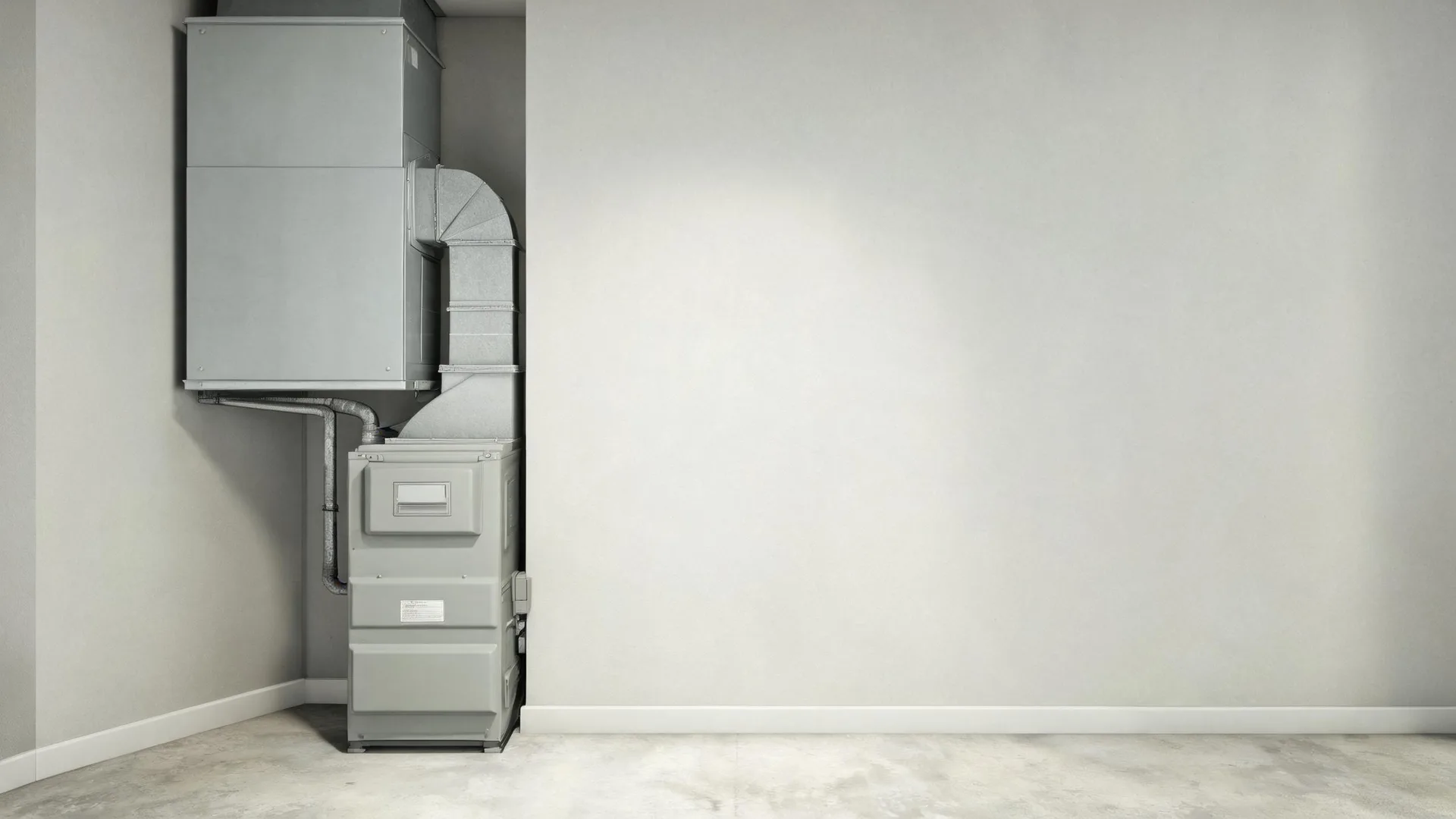
A gray gas furnace with attached ductwork and piping installed in an unfinished concrete basement.

Older homes need the install matched to the house, not just the furnace

Half the homes in Blaine County were built in 1972 or earlier. A furnace going into a house that age is going into walls, ductwork, and venting that were never designed around today's equipment. That doesn't rule anything out, but it means the installer needs to look at what's actually there, not just swap in a new unit where the old one sat. If your house came with the furnace you're replacing now, the vent sizing and duct layout are probably as old as the house.

The old furnace gets disconnected and hauled off

Removing it means capping or disconnecting the gas line, detaching the vent pipe or flue, and pulling it clear of the ducts and return. Whoever installs the new unit typically takes the old one with them. There's no reason to keep it around once it's out, even if parts still look fine.

The vent connection is the part worth asking about

A new furnace is almost always more efficient than the one it replaces, and that changes what comes out the flue. If the old furnace shared a vent or chimney with a water heater, that shared vent was sized for both appliances running together. Pull the furnace off it and the water heater may no longer vent correctly on its own. That connection needs to be checked, not just reused because it's already there.

An unfinished basement featuring concrete block walls, exposed floor joists, and a metal forced-air furnace with ductwork near a central pillar.

A high-efficiency gas furnace would save about $80 a year to run in Blaine County compared with a gas furnace.

  • A high-efficiency gas furnace$380 a year
  • A gas furnace$460 a year

Estimates for a typical Blaine County home, from EIA household energy data, Montana fuel prices and NOAA climate normals. Your home will differ.

Install day starts with the old furnace still connected and running, usually. The crew shuts off gas and power before anything gets disconnected, then pulls the old unit clear of the ducts, return and vent. Setting the new furnace means leveling it, securing it to the plenum, and connecting the supply and return trunks so the cabinet isn't carrying weight it wasn't built for. Gas line, vent and electrical all get hooked up fresh rather than just reconnected, since the new furnace's fittings and venting needs rarely match the old one exactly. Once it's running, the installer checks gas pressure, airflow and temperature rise against what the furnace is rated for, not just whether it kicks on. A furnace that lights but hasn't been checked against those numbers isn't finished, it just looks finished.