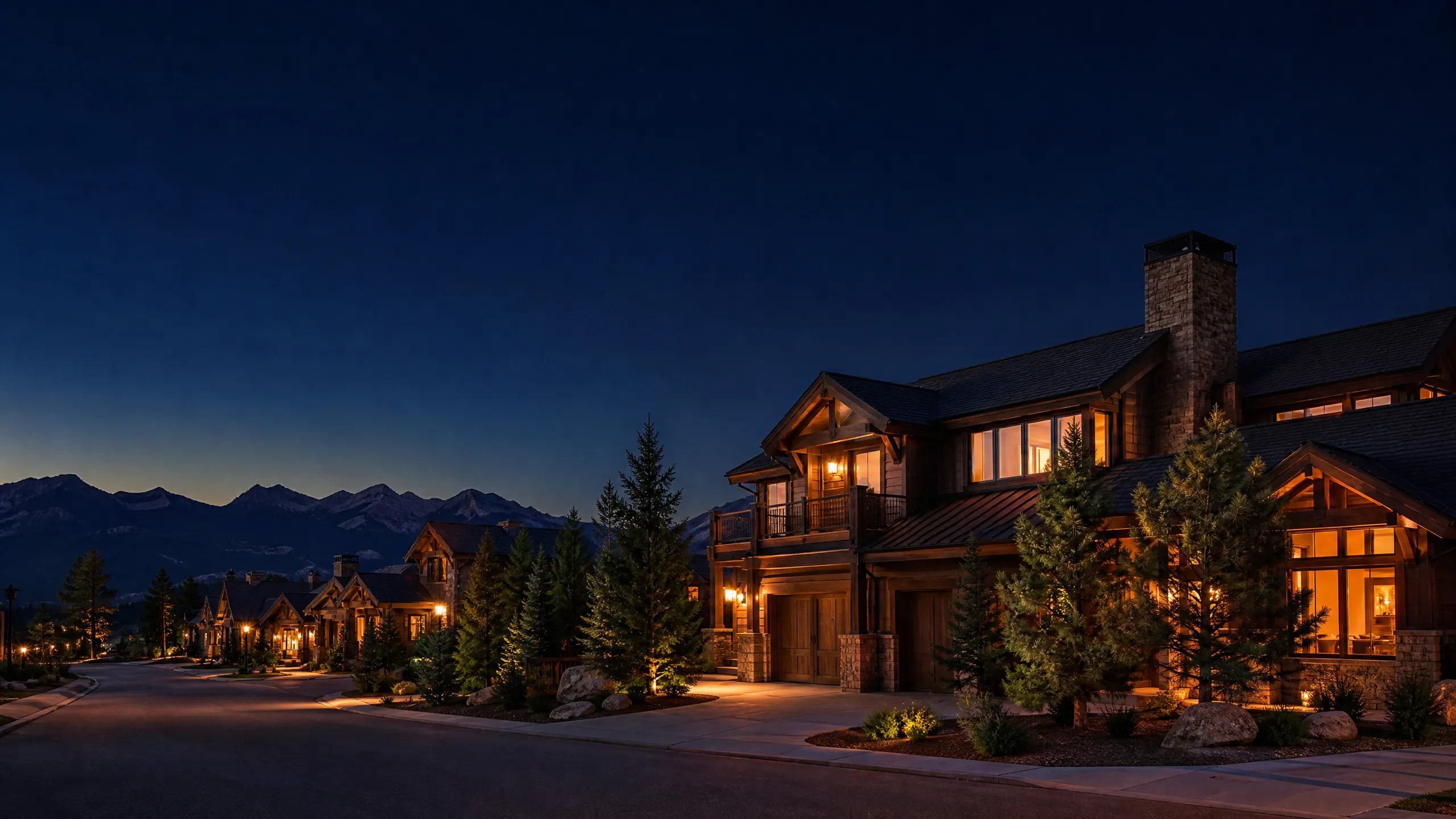



Illuminated timber-and-stone luxury homes along a residential street at dusk, with snow-capped mountains visible in the background.

Furnace Installation in Havre, MT

Tell us about the job

Takes about a minute. No obligation.

New system or replacementFurnace or heatingHill County, MT
Step 1 of 2

What ZIP code is the job in?

Half the homes in Hill County were built in 1971 or earlier. A furnace going into a house that old is going in on ductwork and venting sized for whatever ran there before it, not for the unit in the showroom. The size that heated the old place isn't automatically the size for the new one, and the gas line and vent connection matter just as much as the model you pick. None of that shows up until someone who knows what to check actually looks at the house. If your furnace is original to the house, that's worth telling the contractor before they quote anything.

10 months
September through June, your furnace is on duty
8°F
the average winter night it heats against
66%
of homes here heat with gas, so most furnaces here burn gas
80% AFUE
the federal minimum any new unit must meet
Isometric cutaway illustration of a single-story house with a dark shingled roof, showing interior rooms with furniture and a furnace connected to ductwork and a flue pipe extending above the roof.
Your furnace works hardest from November through March.

NOAA nClimDiv, 1991–2020 normals

The furnace itself is often the smallest part of the bill.

Ductwork, venting and gas line changes are where a quote goes up or down.

Ten months of heat a year means August is your window, not a scramble

Heat runs September through June
Climate zone 6B
Winter nights average 8°F
8 below overnight, all winterFurnaces here run September through June, and the coldest nights average 8°F.

Most houses in Hill County heat with gas, 66.3% of them. If yours is one of them, a gas furnace is the straightforward replacement. The vent and gas line are already there, sized for a furnace, even if the new one needs some adjusting to match. Switching to electric heat instead means new wiring to the furnace closet and no use for the gas line that's already run. If you're thinking about making that switch, ask the contractor what it actually involves before you commit to it.

Fit it to your house

If you're replacing a system in an older house, the new one has to fit the house you have.

Find a contractor
A man in a cap, dark shirt and tan work pants walks up porch steps toward a dark blue paneled front door, carrying a canvas tool bag, with a potted shrub beside the entry.
A gray residential gas furnace installed in an unfinished basement, connected to sheet-metal ductwork and PVC pipes.

Size it to the house, not the old nameplate

Ask for a load calculation, not just a swap of old for new. A contractor who measures the house will size the furnace to the ducts and rooms you actually have. One who just matches the nameplate on the old unit is guessing.

AFUE is fuel burned, not heat delivered to the room

The rating on the label tells you how much of the gas a furnace burns actually turns into heat instead of going out the vent. A higher rating wastes less fuel doing that job. It says nothing about how that heat gets to the rooms. A furnace with a great rating on undersized or leaky ducts still won't get the heat where it needs to go.

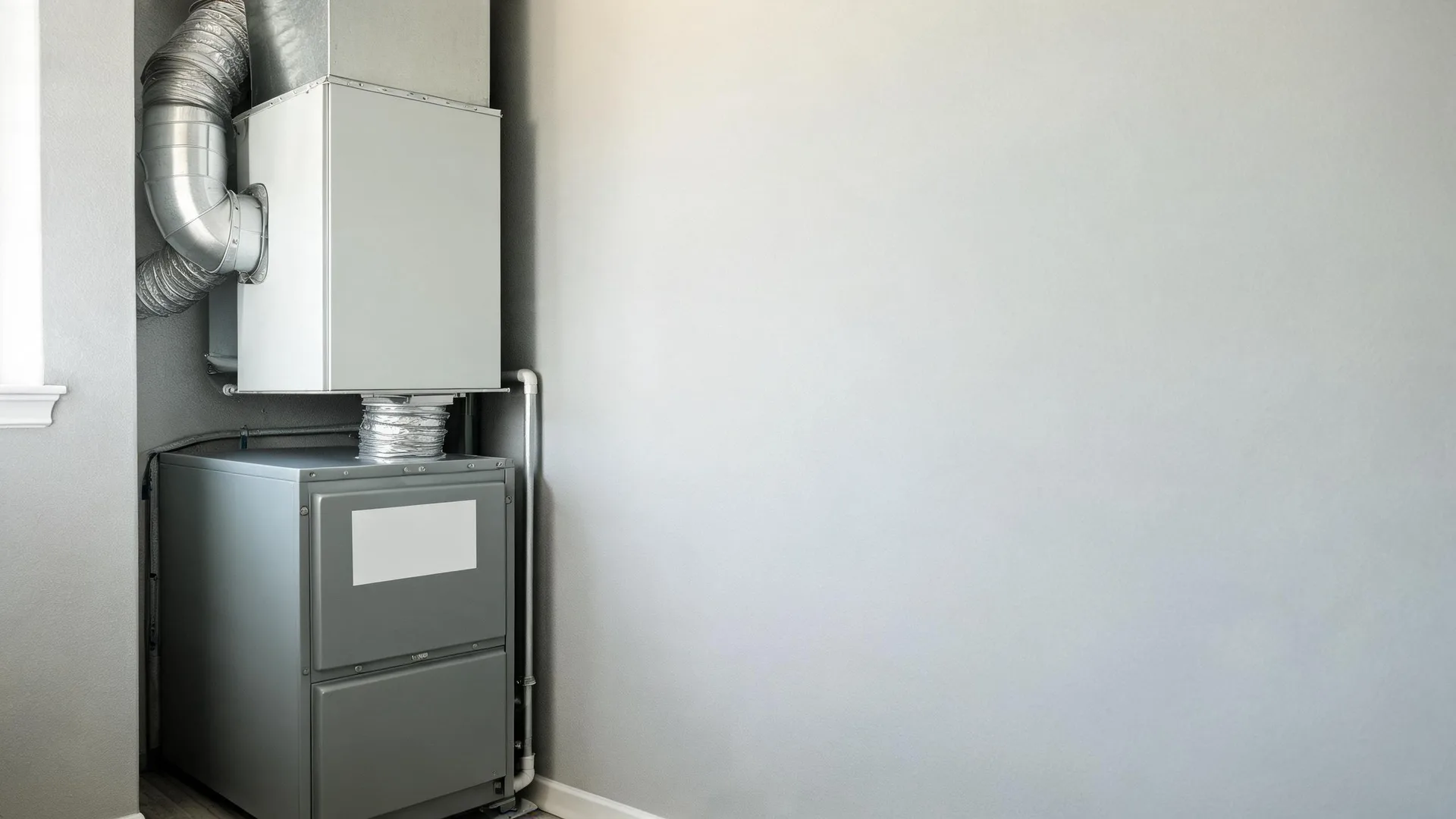
The higher rating changes what's behind the furnace, too

A high-efficiency furnace cools the exhaust enough that it has to drain like a water heater instead of just venting out a metal flue, so it needs a condensate line and often a different vent pipe altogether. That's a real change to plan for, not just a bigger number on the new unit's sticker.

An unfinished basement featuring a forced-air furnace, exposed wooden ceiling joists, bare concrete walls, and miscellaneous items including cardboard boxes and coiled cables on the floor.

A high-efficiency gas furnace would save about $80 a year to run in Hill County compared with a gas furnace.

  • A high-efficiency gas furnace$390 a year
  • A gas furnace$470 a year

Estimates for a typical Hill County home, from EIA household energy data, Montana fuel prices and NOAA climate normals. Your home will differ.

Installation day starts with the old furnace coming out, along with the vent pipe and any ductwork that doesn't match what the new unit needs. A gas line gets pressure tested before anything hooks back up to it. The vent connection gets checked too, since a furnace that burns fuel cleanly still needs somewhere safe for the exhaust to go. Setting the new furnace is the fast part. Most of the day goes to connecting it properly. Duct joints get sealed, the thermostat and controls get wired in, and a condensate line goes in if the furnace needs one. Once it's buttoned up, a tech fires it and checks the flame, the gas pressure and the temperature rise against what the manufacturer specifies for that model. A furnace that gets fired without those checks might run, but nobody actually knows if it's running right.