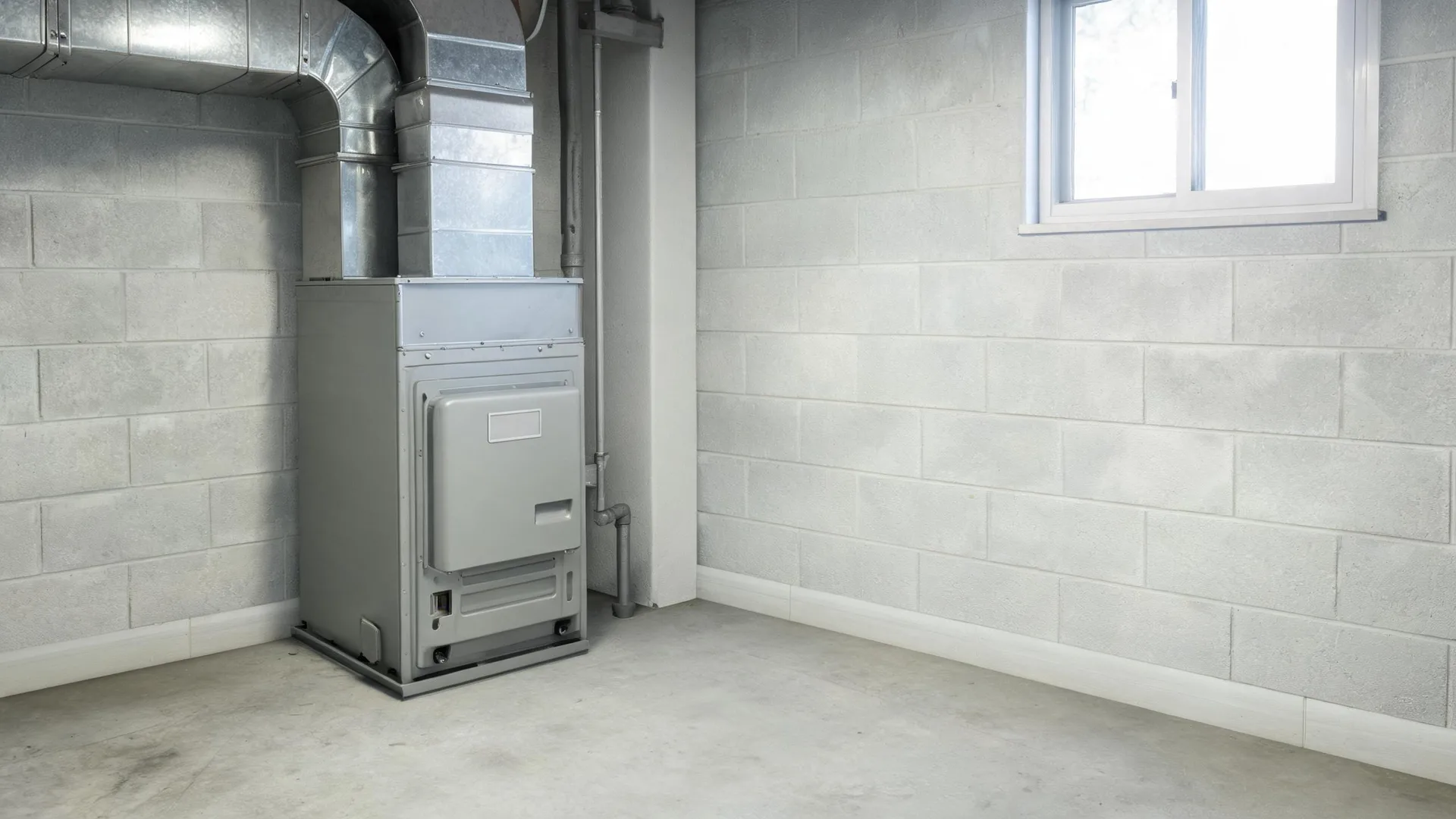
Gas is the common choice here
Utility gas heats 45.8% of homes in Jefferson County, more than any other fuel. Bottled or LP gas heats another 22.6%. A gas furnace is what most installers here are putting in and servicing.
Takes about a minute. No obligation.
Utility gas heats 45.8% of homes in Jefferson County, more than any other fuel. Bottled or LP gas heats another 22.6%. A gas furnace is what most installers here are putting in and servicing.
If your home already has a gas line run to a furnace, replacing it with another gas furnace is usually the straightforward job. Switching fuel types means changing what feeds the furnace, not just the furnace itself, so it's worth asking what that adds to the work.
NOAA nClimDiv, 1991–2020 normals
Furnaces in Jefferson County run ten months a year, September through June.
A system that runs almost year round needs to be sized right and built to hold up, not just picked off a lot.
Gas cost $7.77 per million Btu in Montana last year. That's one piece of what a furnace costs to run here, alongside how well your house holds heat and whether the unit is sized to match it. None of that points to a bigger furnace or a higher efficiency tier than you'd pick anywhere else in the state. The long run time matters for sizing and build quality, not for going oversized or chasing a higher efficiency rating. Get a unit that's sized to your home and installed right, and a standard furnace will carry it through the cold months without you paying for capacity you don't need.
A new system here will work harder than most, every year. Size it right and don't buy on price alone.
Find a contractor
Ten months of heat and overnight lows averaging 15 degrees in December, January and February put real hours on a furnace here. That's the case for getting the load calculation done rather than matching the old unit's size or taking whatever's in stock. A furnace sized to your house runs steadier through those months. One sized by guesswork works harder than it should, for longer than it should, and shows wear sooner.
A contractor should measure your house, its windows, its insulation, and figure out how much heat it actually loses, then size the furnace to that. Matching the old furnace's size just repeats whatever mistake was built into the last install. Ask to see the numbers, not just the recommendation.
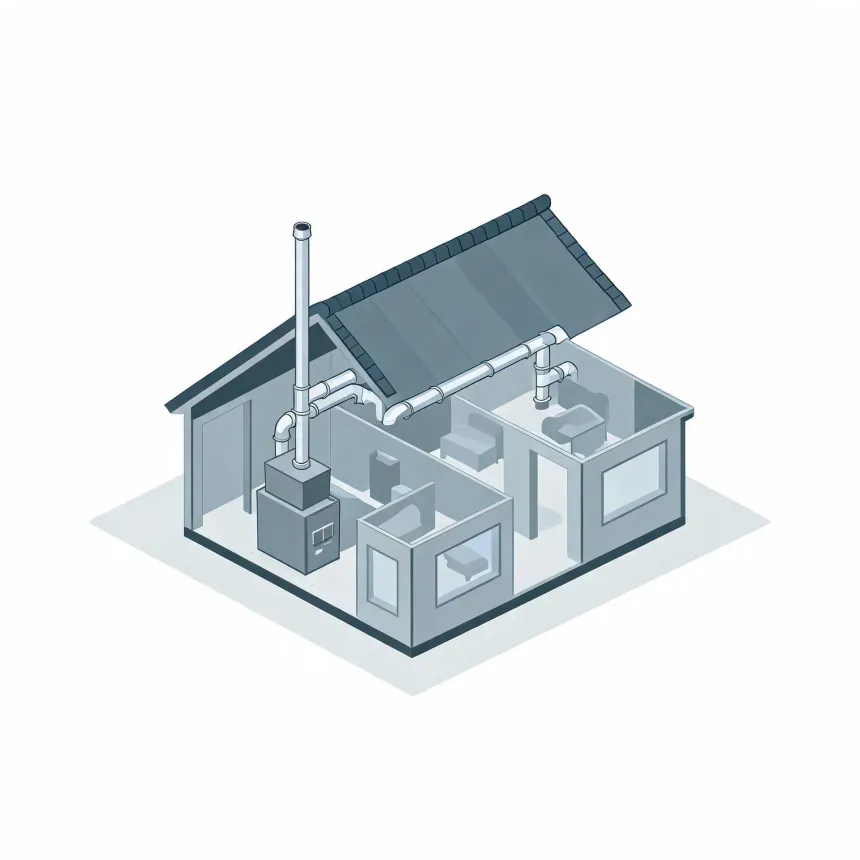
Swapping a furnace can mean changing how it vents and whether the existing gas line is still the right size for the new unit. A furnace with different output than the old one can need a different vent setup entirely. If an installer's quote doesn't mention either, ask directly.
Estimates for a typical Jefferson County home, from EIA household energy data, Montana fuel prices and NOAA climate normals. Your home will differ.
Install day starts with the old furnace coming out. That's when a contractor can see what's actually behind it, the duct connections, the gas line, the vent. Setting the new furnace in place is the fast part. More time goes into connecting the ductwork to the new unit's dimensions, running or checking the gas line, and venting it correctly, especially if the new furnace isn't the same size or type as the old one. Once it's connected, a contractor checks the gas pressure, confirms the furnace fires and cycles correctly, and checks the temperature rise across the heat exchanger to make sure it's within range. A furnace that short cycles or runs hotter than it should wasn't finished right, even if it's heating the house.