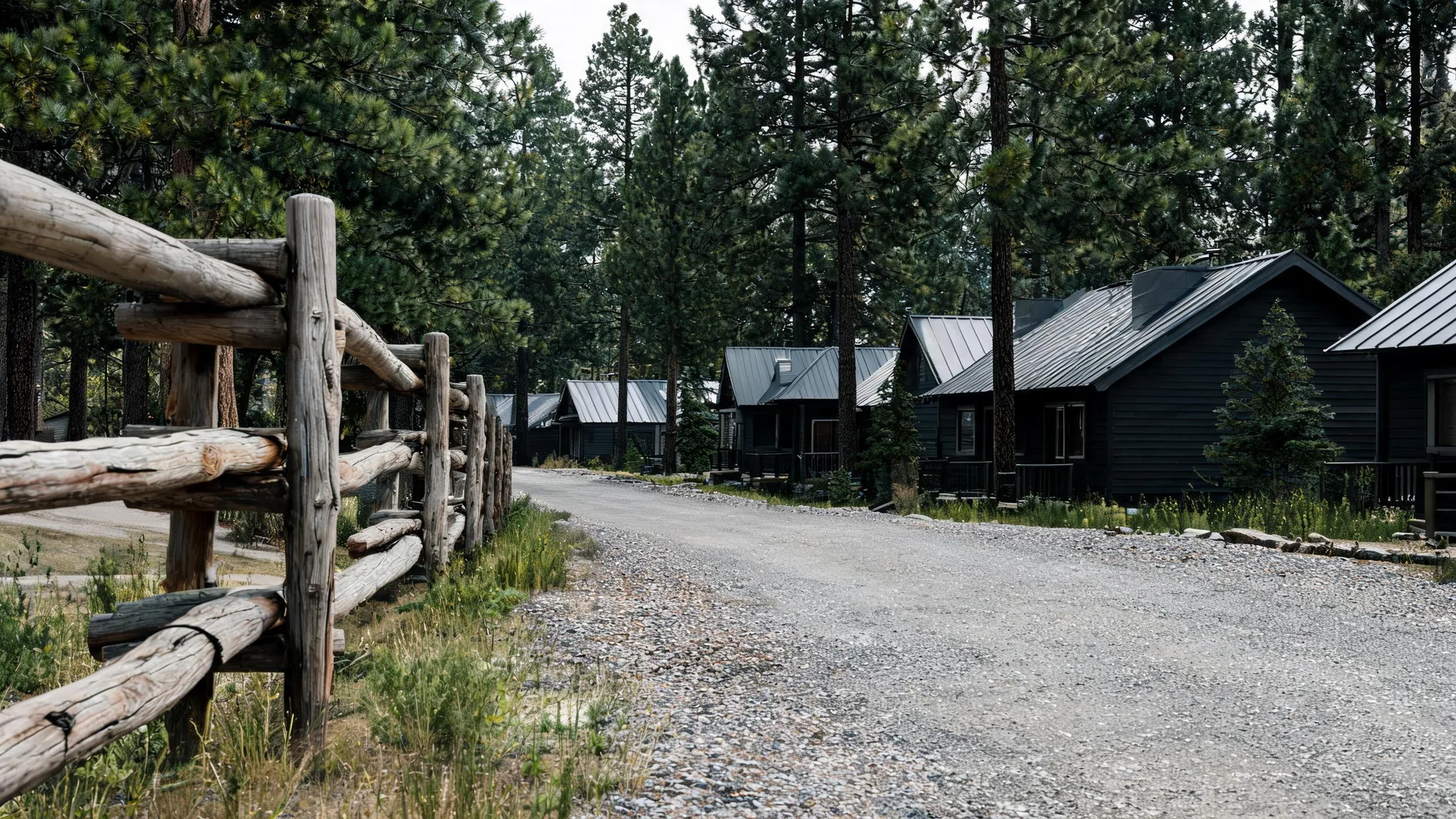

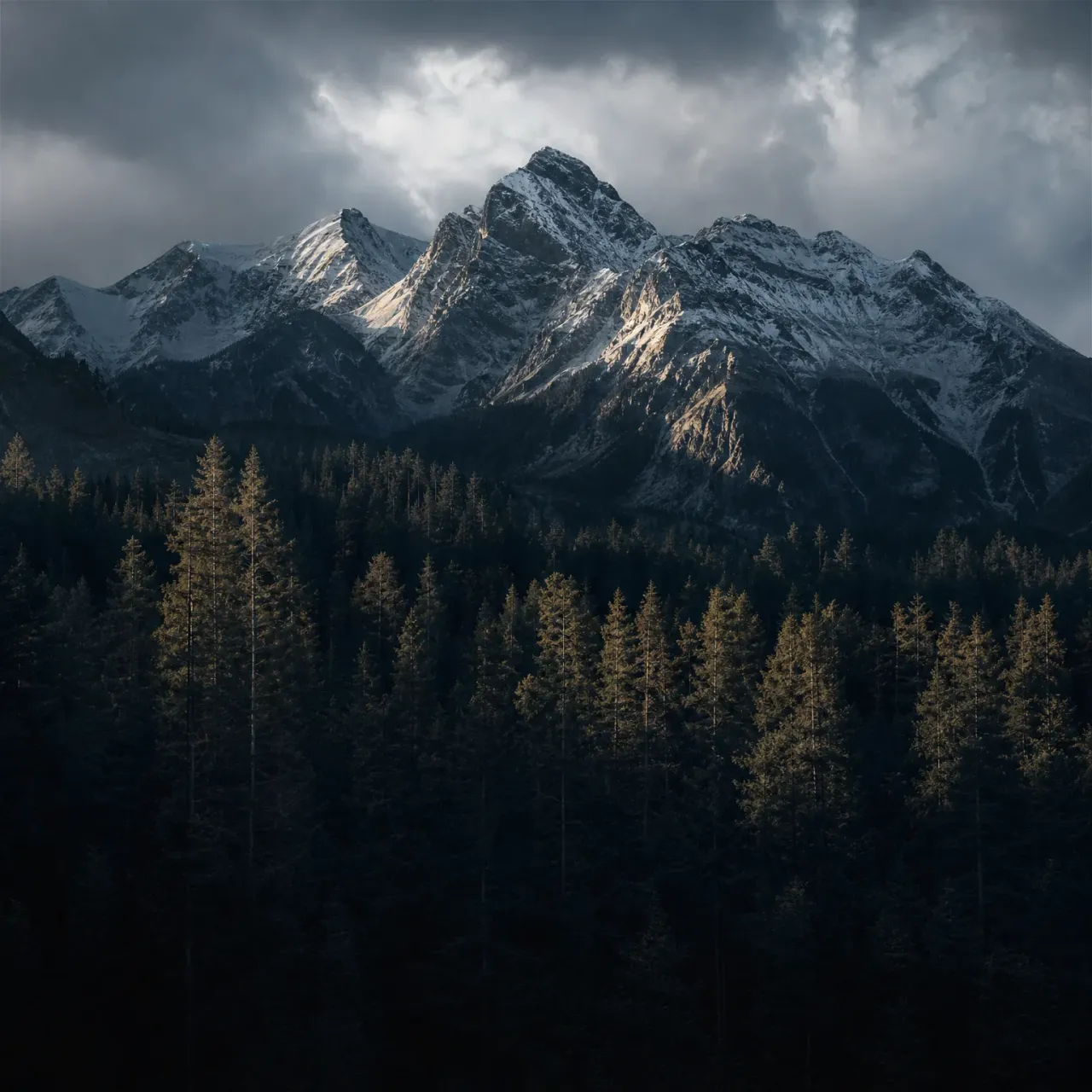

A gravel road lined with dark-sided cabins with metal roofs runs through a pine forest, with a weathered split-rail log fence in the left foreground.

Furnace Installation in Lewistown, MT

Tell us about the job

Takes about a minute. No obligation.

New system or replacementFurnace or heatingFergus County, MT
Step 1 of 2

What ZIP code is the job in?

Ten months of the year, a furnace here is running. September through June, that's the stretch homes in Fergus County need heat, which leaves only a couple months where the system gets to sit idle. Most furnaces around the country don't work anywhere near that hard. A unit sized wrong or built cheap feels that difference fast, in shorter cycles, more wear, and a bill that climbs. Picking the right size and a furnace built for steady, heavy use matters more here than in places where the system gets to rest half the year.

10 months
September through June, your furnace is on duty
14°F
the average winter night it heats against
80% AFUE
the federal minimum any new unit must meet
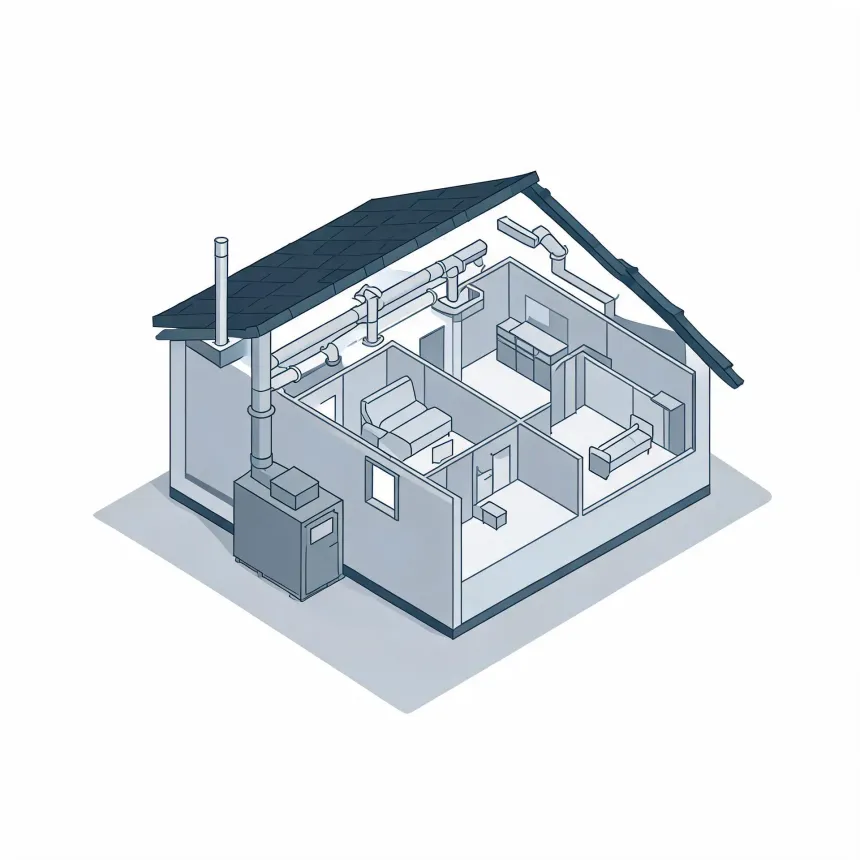
Isometric line illustration of a cutaway single-story house showing interior rooms with furniture, ceiling ductwork, a chimney flue, and a furnace unit outside the exterior wall.
Your furnace works hardest from November through April.

NOAA nClimDiv, 1991–2020 normals

Half the homes in Fergus County were built in 1966 or earlier.

A furnace going into a house that old has to match the ductwork and venting already there, not just the floor plan.

Weather here takes down power lines, not just patience

223 severe weather events from 2015 to 2024
18% of homes statewide lost power a day or more in 2024
147 damaging wind events from 2015 to 2024
Get It Done Before SeptemberHeat season starts in September here, which doesn't leave much room to put off the decision.

Gas heats close to half the homes in Fergus County, more than any other fuel. Bottled or LP gas heats another fifth. Together that means most furnace installs here are gas jobs, not electric ones, and the contractor working on your house has likely set up dozens just like it. Replacing a gas furnace with another gas furnace means the gas line, the vent, and the spot it sits in are already sorted. That keeps the job closer to a straight swap than a redesign.

Install It to Fit the House You Have

If your furnace was sized for a different house, or for a duct and vent setup someone changed since, it won't run the way it should no matter how good the unit is. Matching the new furnace to what's already there, the ducts, the venting, the gas line, is part of the job, not an extra step.

Find a contractor
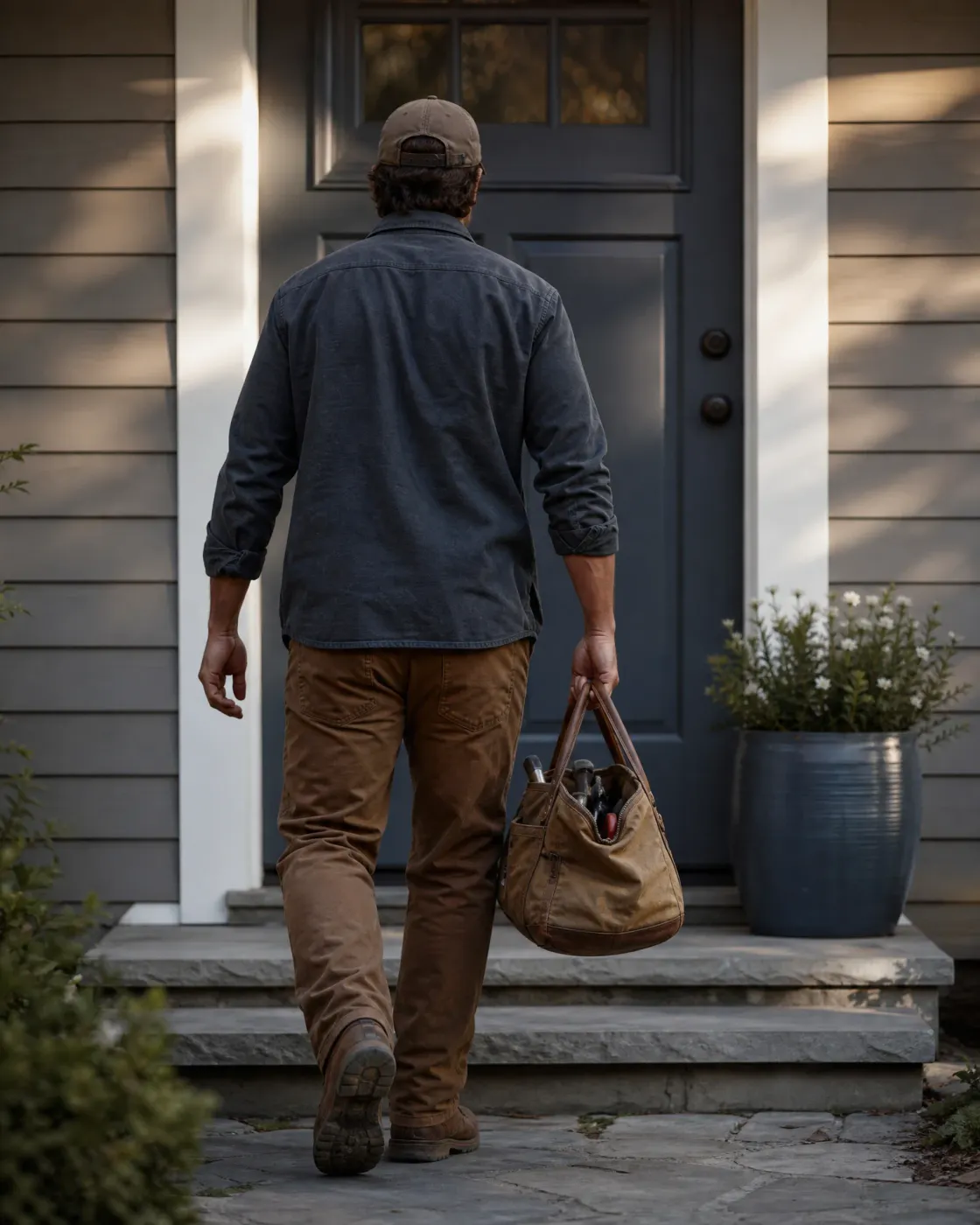
A man in a cap, dark shirt and brown work pants walks up stone steps toward a gray front door, carrying a canvas tool bag in his right hand, with a potted plant beside the porch.
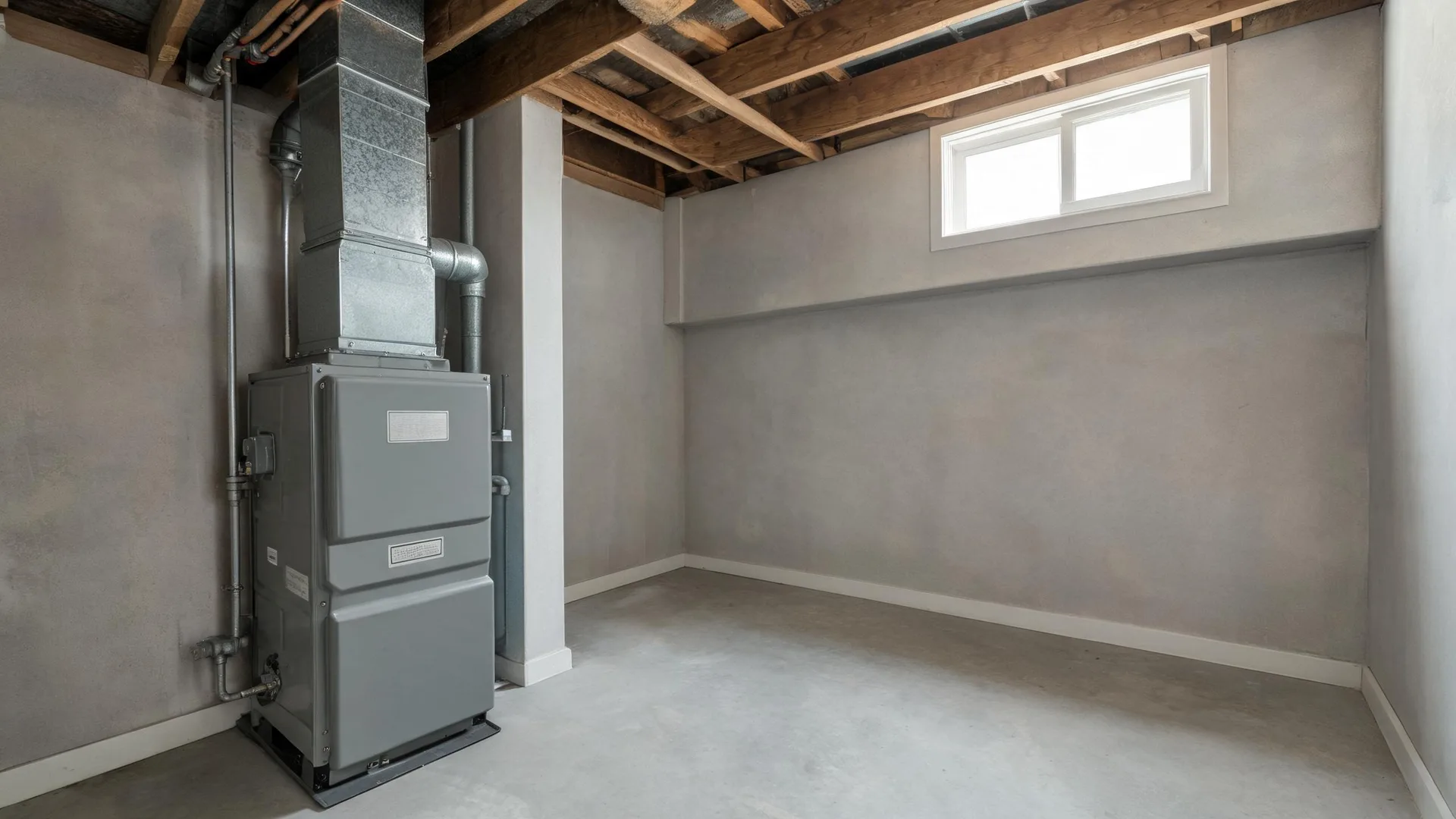
A gray high-efficiency gas furnace installed in an unfinished basement, surrounded by gas lines, a condensate drain, and sheet-metal ductwork.

Ten Months a Year Doesn't Leave Room for Guessing on Size

Get the sizing right and the install matters more here than almost anywhere, because this furnace won't get the easy months other systems get. Ask whoever bids the job to run a load calculation on your house, not just measure the old unit and match it. A furnace sized for the house down the street isn't sized for yours. Ten months of work a year punishes a bad match fast, so it's worth getting the number right before the unit goes in, not after.

Ask What the AFUE Number Actually Costs and Saves

Every furnace has an efficiency rating, and a higher one means less gas burned for the same heat. But a more efficient furnace usually means a more complex one, with a secondary heat exchanger and a condensate drain that has to be sloped and trapped right. Ask what that upkeep looks like before you decide the higher number is worth it.

Ask How the Quote Handles the Vent

A furnace with a higher efficiency rating doesn't vent the same way an older one does. The flue material, the pipe size, even which wall or roof it can exit through can all change with the unit. Get the venting plan from each bidder, not just the furnace model, because two quotes for what looks like the same job can mean two different installs.

An unfinished basement featuring a forced-air furnace, exposed wooden ceiling joists, bare concrete walls, and miscellaneous items including cardboard boxes and coiled cables on the floor.

A high-efficiency gas furnace would save about $80 a year to run in Fergus County compared with a gas furnace.

  • A high-efficiency gas furnace$350 a year
  • A gas furnace$430 a year

Estimates for a typical Fergus County home, from EIA household energy data, Montana fuel prices and NOAA climate normals. Your home will differ.

Installation day starts with the old furnace coming out, and that alone can take a couple hours once the ducts, gas line, and venting are disconnected. The crew sets the new unit, then the work shifts to connecting it properly: gas line, return and supply plenums, the vent or flue, and the condensate line if the furnace needs one. Electrical comes next, tying in the control board and thermostat wiring. Once it's physically in place, a good installer pressure tests the gas connection before anything gets lit, checking for leaks at every joint. Then comes startup: firing the burners, checking the flame, and letting the system run through a full cycle while someone checks the temperature rise against what the manufacturer specifies for that model. Before anyone leaves, the gas pressure gets checked and adjusted at the manifold, airflow gets confirmed across the coil or heat exchanger, and the thermostat gets programmed and tested through a heat call. A furnace that's installed right gets tested while the tech is still standing there, not left running and hoped for.