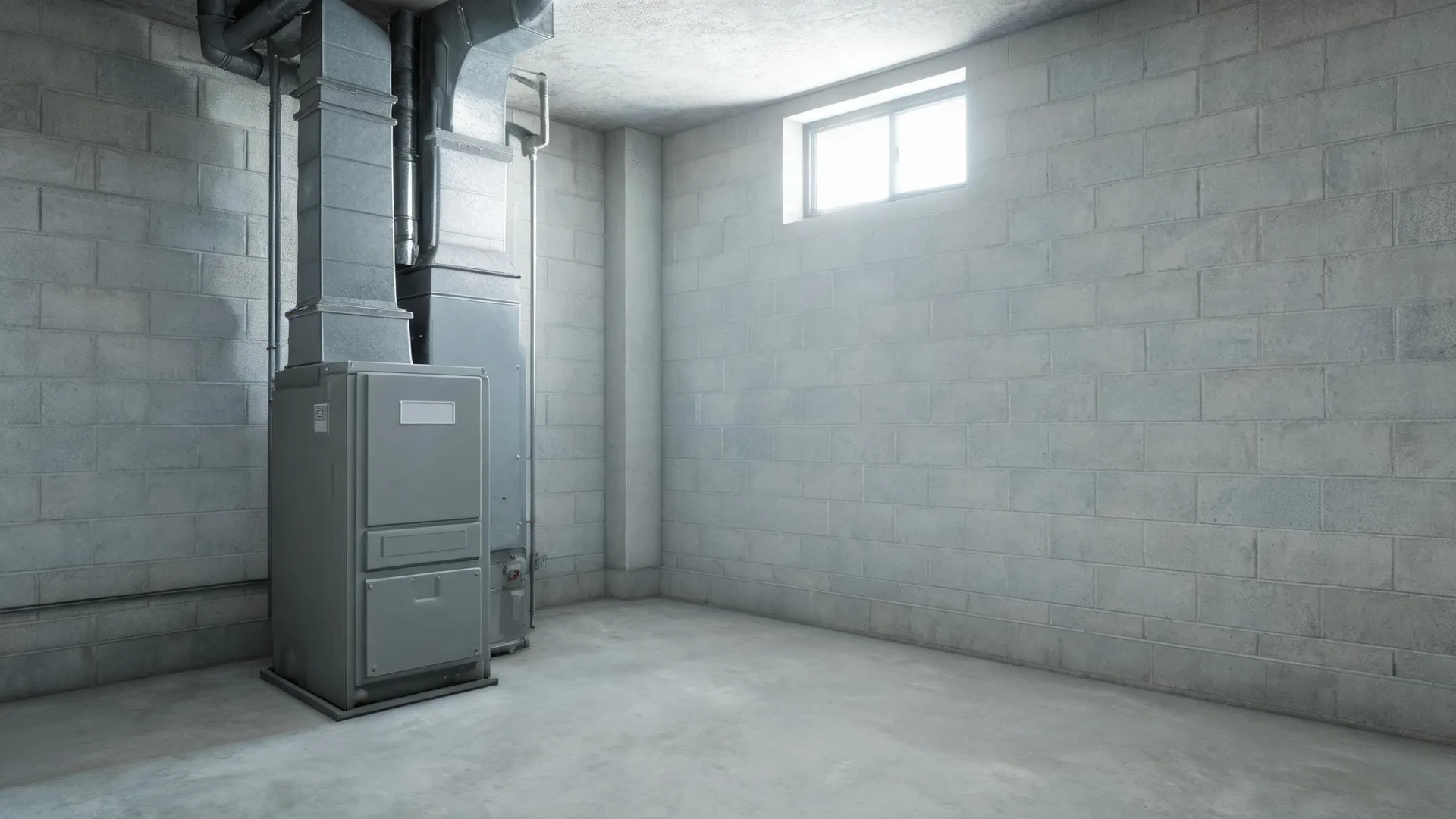
Propane here runs $22.28 per million Btu
That is what Montana homes paid for propane in 2024. A furnace burns through that propane to make heat, so a unit that wastes fuel costs more here than it would running on cheaper power.
Takes about a minute. No obligation.
That is what Montana homes paid for propane in 2024. A furnace burns through that propane to make heat, so a unit that wastes fuel costs more here than it would running on cheaper power.
Two furnaces can heat the same house and use different amounts of propane to do it. On a job like this, the efficiency rating matters as much as the price tag, since that number follows you into every winter this furnace runs.
NOAA nClimDiv, 1991–2020 normals
Half the homes in Judith Basin County were built in 1967 or earlier.
An older furnace setup may not match what a new system needs, so the install has to account for the house it's going into.
Judith Basin County falls under zone 6B in the 2021 energy code, a cold, dry zone with a long heating season. Any furnace installed here has to meet that standard. Right now that means turning at least 80 percent of the propane it burns into heat, a federal minimum that applies to any indoor gas furnace built since November 2015. That floor is set to rise. Furnaces manufactured from December 2028 on will need to hit 95 percent. A unit bought today only has to clear the lower bar, so two furnaces on the shelf right now can carry very different running costs even though both are legal to install.
Propane here already costs more than it does most places. The furnace going in is what decides whether that cost works for you or against you all winter. Getting the efficiency rating right at install is the only chance to set that.
Find a contractorFurnace season here runs September through June, ten months out of twelve. August is what's left. That's the month to get a new furnace in, before the first cold night makes the decision for you. A furnace installed in a hurry during a cold snap is one you didn't get to choose carefully, and with winters here averaging 14°F overnight through December, January and February, this isn't a machine you want to gamble on.
A contractor should size the new furnace by running a heat loss calculation on the house, not by matching the number stamped on the unit being replaced. A furnace too big for the house cycles on and off more than it should, which wears out parts faster and still leaves rooms uneven. One sized right runs longer, steadier cycles and holds temperature better.
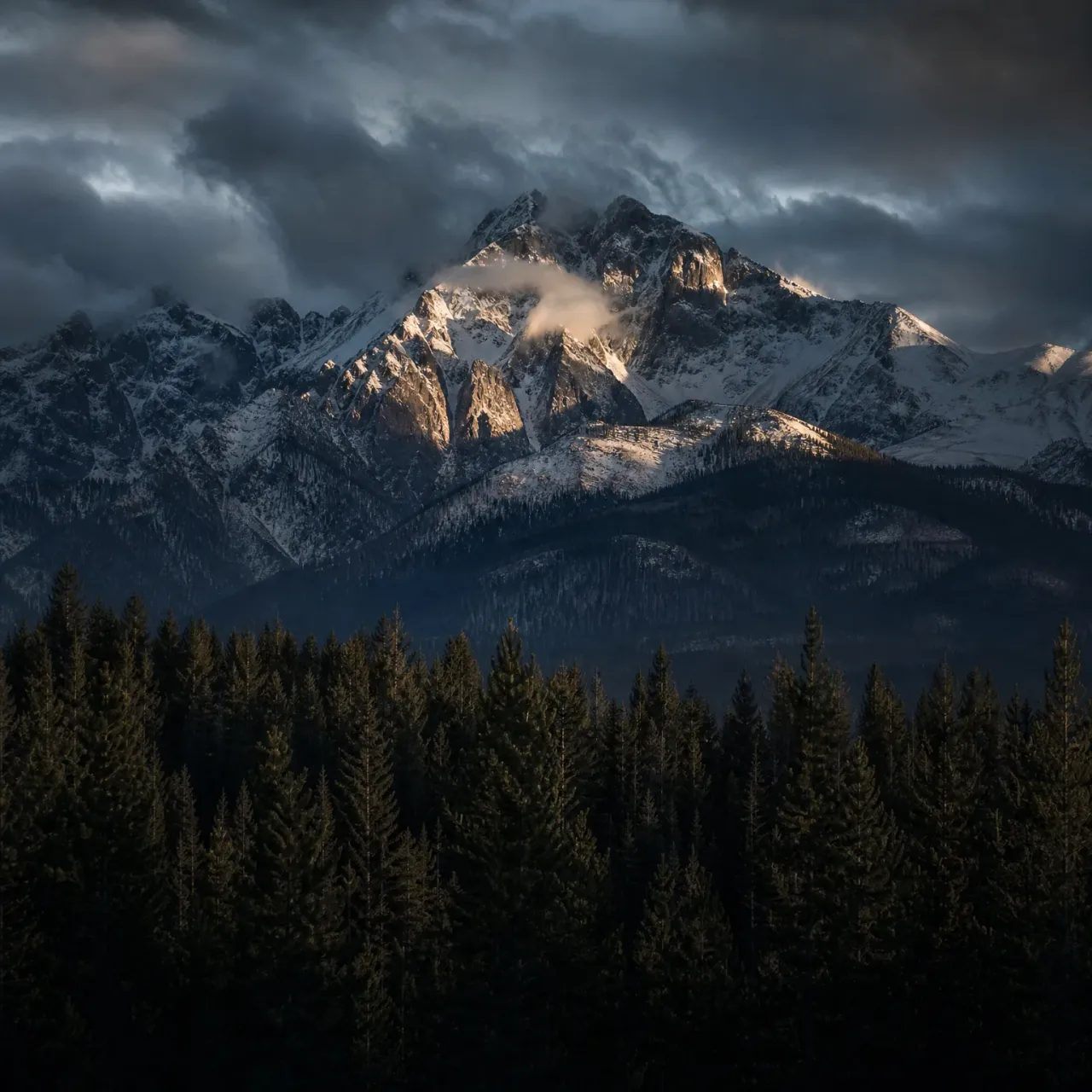
A furnace that pulls more heat out of its exhaust runs cooler flue gas, and cooler flue gas needs different venting than an older, less efficient furnace used. That can mean new intake and exhaust piping, not just swapping the furnace itself. Get this in writing before the price is final, since venting work changes both the job and the quote.
Estimates for a typical Judith Basin County home, from EIA household energy data, Montana fuel prices and NOAA climate normals. Your home will differ.
Installation day starts with the old furnace coming out, along with its vent pipe and gas line connection, so the crew can see what they're actually working with. The new furnace gets set and leveled before anything is hooked up, because a unit that sits even slightly off can cause condensate to drain wrong later. Gas, electrical and venting connections go in next, each tested on its own before the system is fired up. Once it's running, a tech checks gas pressure, checks temperature rise across the heat exchanger, and watches a full cycle to make sure it shuts off and restarts the way it should. The last step is walking the house, room by room, to confirm air is actually moving where it's supposed to. A furnace that passes all of that on install day is one that's far less likely to call for a service visit in its first winter.