

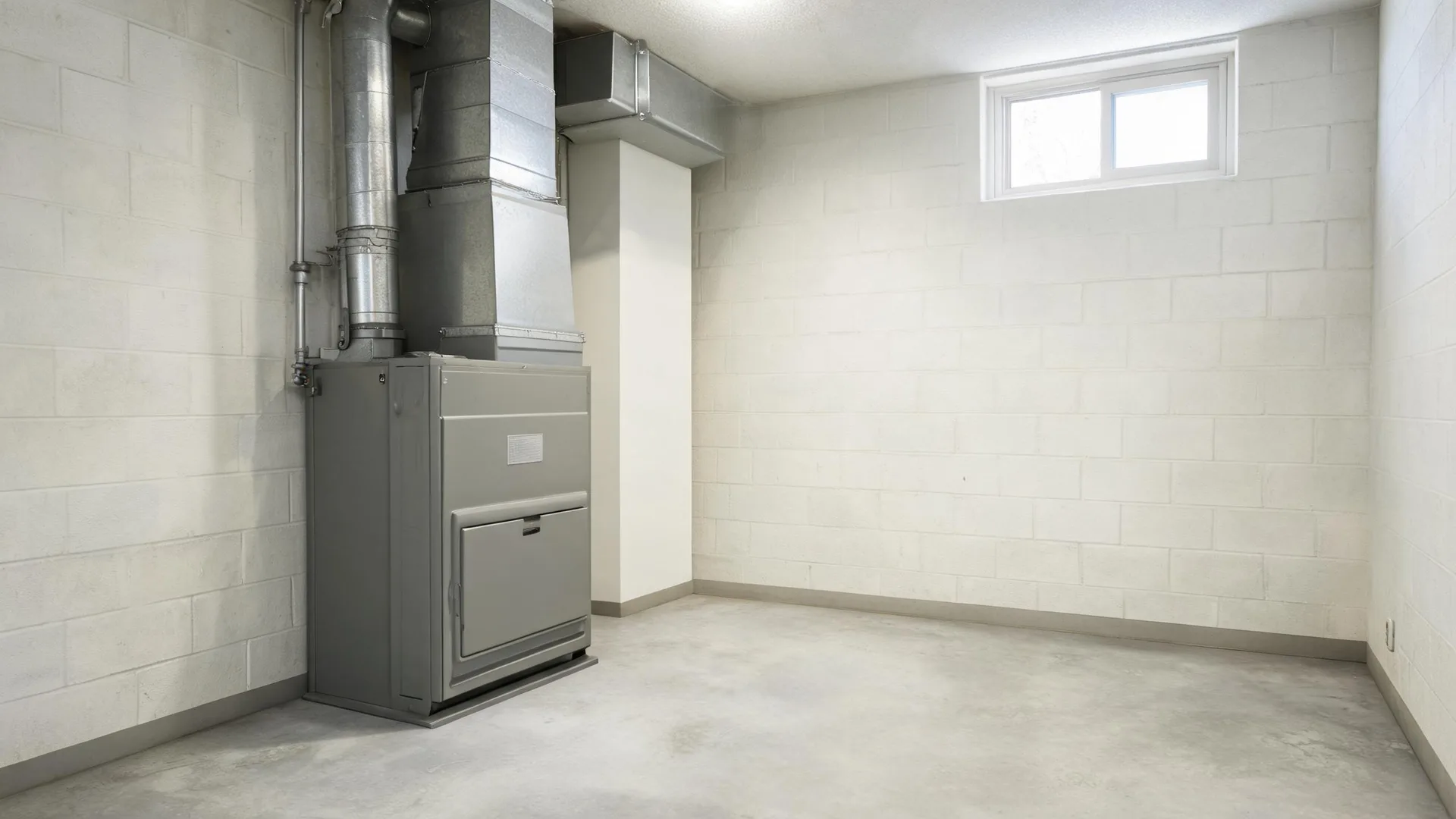
A bare concrete basement containing a gray gas furnace with metal ductwork and a vertical flue pipe, lit by a single hanging bulb.

Furnace Installation in Billings, MT

Tell us about the job

Takes about a minute. No obligation.

New system or replacementFurnace or heatingYellowstone County, MT
Step 1 of 2

What ZIP code is the job in?

Ask what size furnace each contractor is proposing, and ask how they got that number. It should come from a load calculation on your house, not a guess based on the old unit or a quick glance at square footage. A furnace that's too big cycles on and off more than it should, which wears out parts faster and leaves rooms feeling uneven. Ask what the AFUE rating is and what that means for your flue. A high-efficiency furnace vents differently than an older one and may need a different pipe run entirely. Ask what's included in the quote. The thermostat, any ductwork changes, the permit, the final inspection, all of it should be spelled out. Ask what the warranty covers on the heat exchanger versus everything else, because those terms are rarely the same.

9 months
September through May, your furnace is on duty
16°F
the average winter night it heats against
68%
of homes here heat with gas, so most furnaces here burn gas
80% AFUE
the federal minimum any new unit must meet
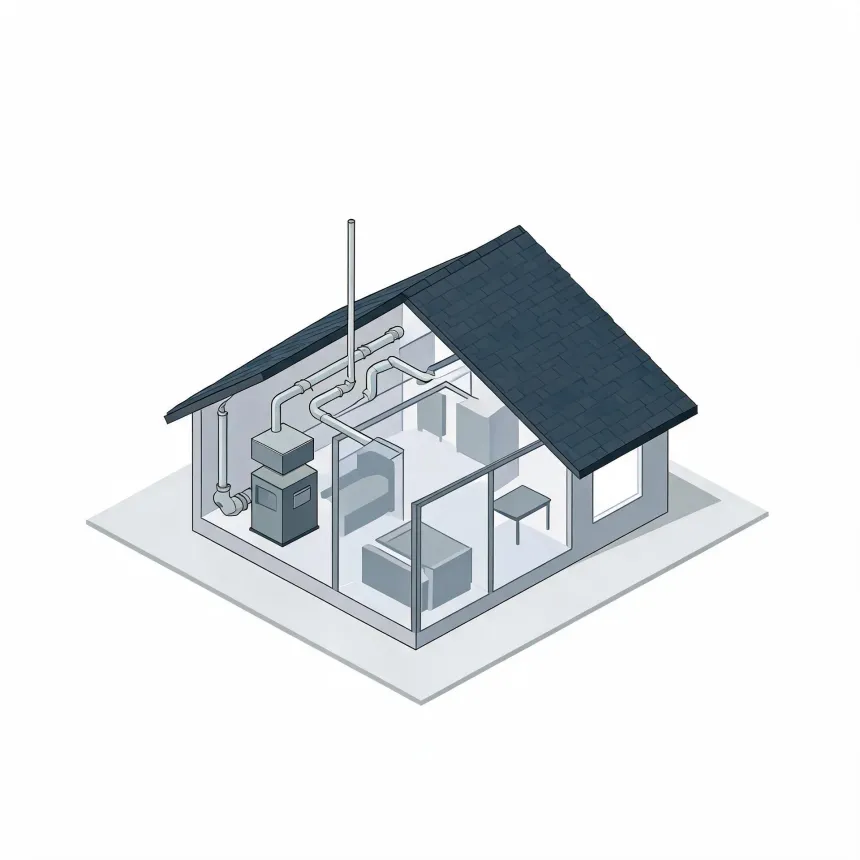
Isometric cutaway illustration of a small house with a dark shingled roof, showing an interior furnace unit, ductwork, and a flue pipe extending through the roof.
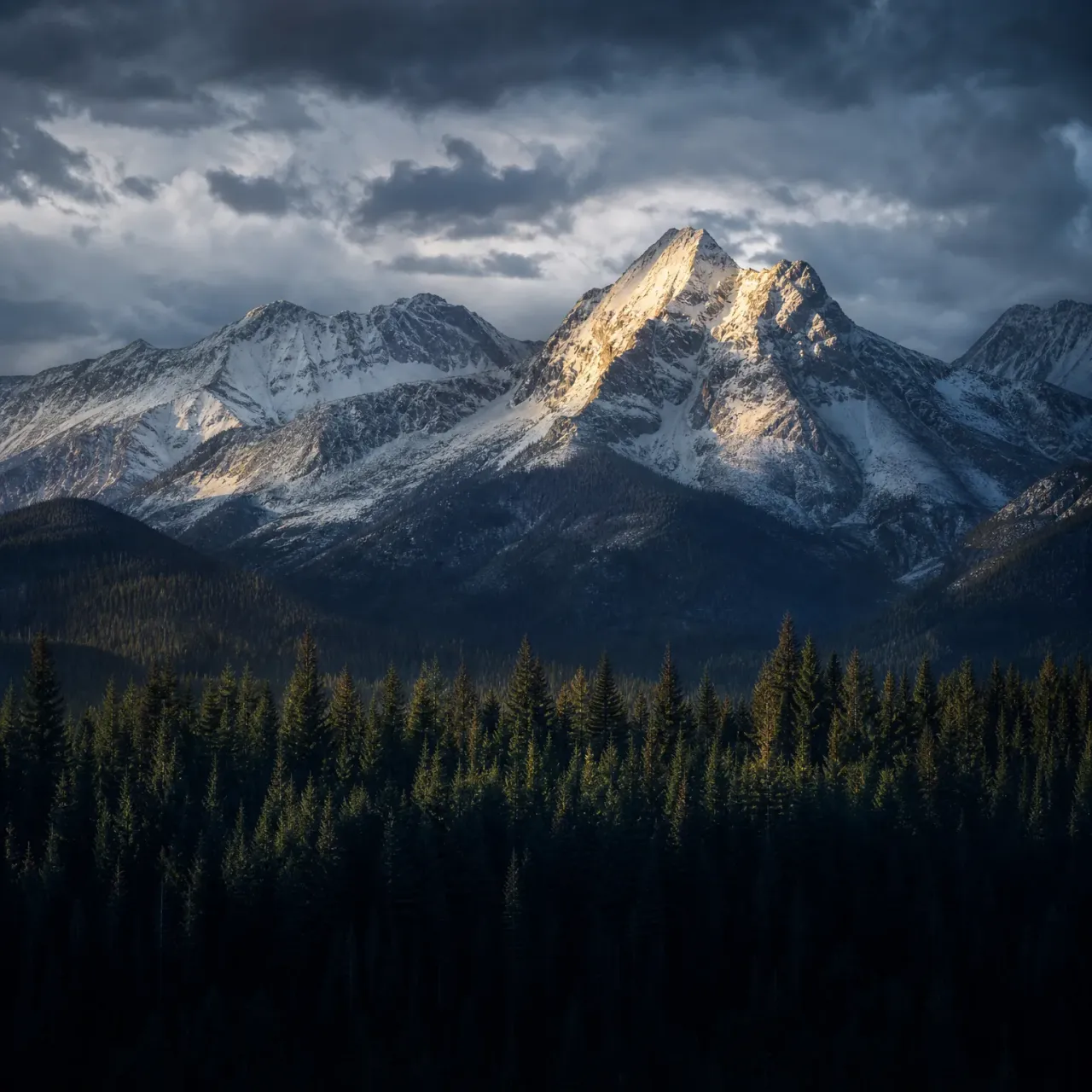
Your furnace works hardest from November through March.

NOAA nClimDiv, 1991–2020 normals

Natural gas in Montana ran $7.77 per million Btu in 2024, one of the lower rates in the country.

A top-tier AFUE furnace costs more up front and takes longer to earn that back here, so weigh reliability and fit first.

Gas heats 67.9% of homes here, so a gas furnace is the easy call

67.9% of homes heat with gas
Heat runs September through May
Winter nights average 16°F
Replace it before SeptemberHeat runs September through May here. Get the new furnace in by August and you pick the day.

Yellowstone County has logged 339 severe weather events between 2015 and 2024, including plenty of hail and wind. That matters for installation because a new furnace still needs a vent pipe running outside, and hail or wind-driven debris can hit it. Ask the contractor where they plan to run that vent and whether it's shielded from falling ice or branches. A good number of Montana households also lose power for a day or more at some point in the year. A standard gas furnace won't run without electricity, since the blower and igniter both need it, so if outages are a real concern where you live, ask about a battery backup or a transfer switch for a generator before the install is finished, not after.

Nine months of heat a year. Size it for that.

Heat runs nine months here, September through May, and overnight lows average 16°F in December and January. A furnace sized right for your house will carry that load without straining. One sized off a guess will run harder than it should and show problems sooner. Get the load calculation before you pick a furnace.

Find a contractor
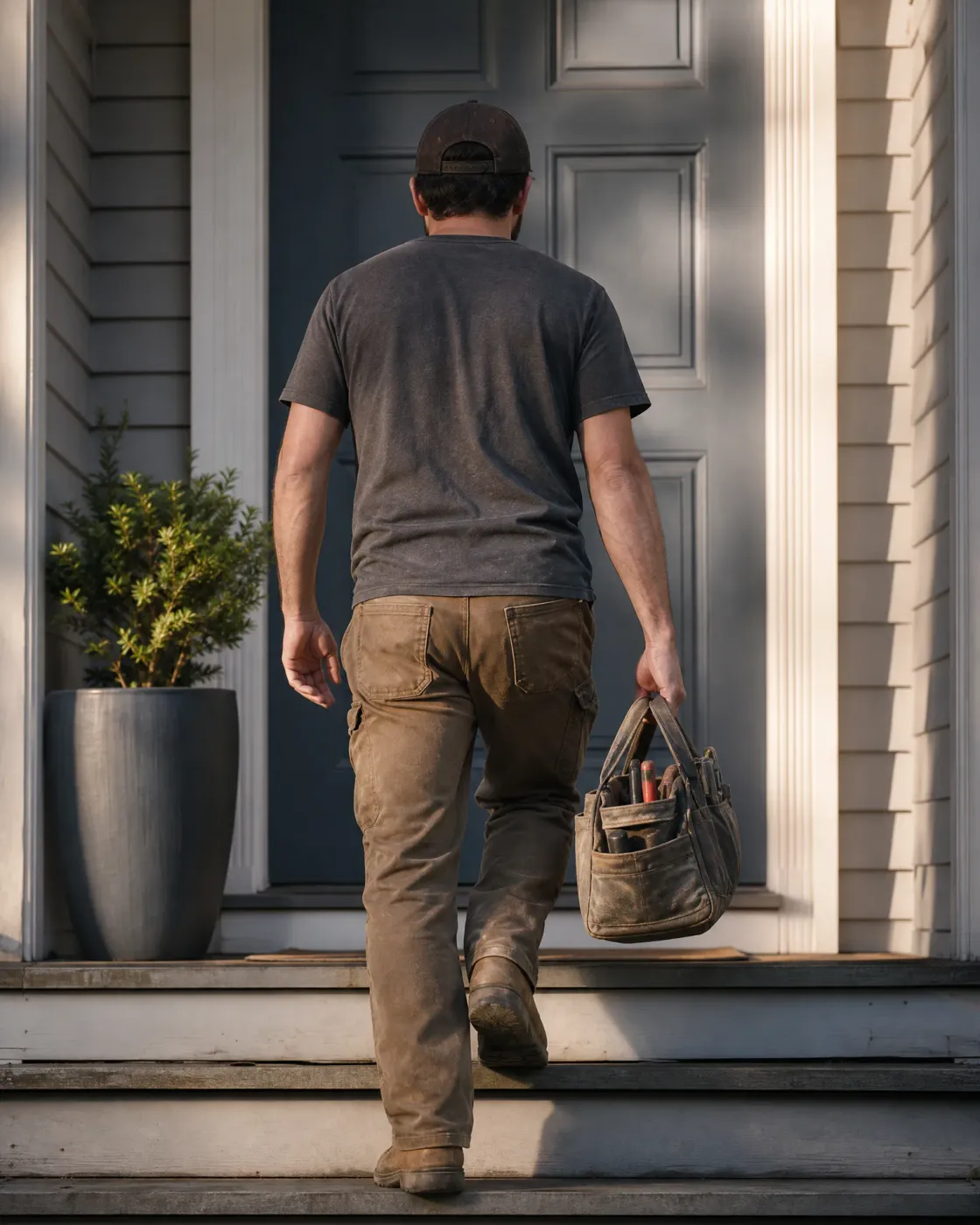
A man in a cap, gray T-shirt and brown work pants carries a worn leather tool bag up wooden porch steps toward a dark paneled front door, with a potted shrub to the left.
A gray residential gas furnace installed in an unfinished basement, surrounded by ductwork, a metal flue pipe, and a gas supply line.

Nine months is a long time to find out it's undersized

That same load calculation is what keeps a quote honest. A contractor pricing off square footage alone can land on a furnace a size or two off in either direction, and you won't see the difference until the first cold snap. Ask for the numbers behind the proposal, not just the model number.

The old furnace gets disconnected and hauled out

The gas line gets capped or rerouted, the old vent pipe comes down, and the furnace itself gets removed before the new one goes in. If it's a high-efficiency replacement, the venting especially needs to change since the old flue size and material usually won't work for the new unit.

That old equipment doesn't go in the trash

A furnace is mostly steel, copper and aluminum, and scrap yards take all of it. Most contractors either recycle it themselves or haul it to a facility that strips it down, so ask what happens to yours if it matters to you.

A gray forced-air furnace with metal ductwork stands in an unfinished basement with exposed wooden joists, concrete walls, and a single hanging light bulb.

A high-efficiency gas furnace would save about $70 a year to run in Yellowstone County compared with a gas furnace.

  • A high-efficiency gas furnace$320 a year
  • A gas furnace$390 a year

Estimates for a typical Yellowstone County home, from EIA household energy data, Montana fuel prices and NOAA climate normals. Your home will differ.

Installation day usually starts with the old furnace already disconnected and the work area cleared. The crew sets the new furnace in place, then runs the gas line, the vent pipe, and the ductwork connections one at a time. Each joint on the gas line gets pressure tested before anything is fired up. A leak there isn't something you want to find out about later. Once it's hooked up, the furnace gets run through a full cycle, ignition, airflow, and a check of the flue for proper draft. The last step is setting the thermostat and walking through it with you, so you know what the normal cycle sounds and feels like before the crew leaves.