Gas here isn't cheap
Montana gas ran $7.77 per million Btu in 2024. A furnace in Conrad draws on that all winter, not just on the coldest nights.
Takes about a minute. No obligation.
Montana gas ran $7.77 per million Btu in 2024. A furnace in Conrad draws on that all winter, not just on the coldest nights.
Two furnaces can heat the same house and burn different amounts of gas doing it. In a county that heats as long as this one does, that difference shows up every month the furnace runs.

NOAA nClimDiv, 1991–2020 normals
Gas heats more homes in Pondera County than anything else.
A gas furnace replacement here is working with the grain, not against it.

Pondera County saw 260 severe weather events between 2015 and 2024, and 212 of those were damaging wind. Wind that strong will throw branches and debris into an outdoor condenser, if this installation includes one for cooling. A furnace itself sits inside, but it still needs power to run the blower and the igniter. Statewide, 18% of Montana households lost power for 24 hours or more in 2024. Worth asking the contractor what keeps the house warm if that happens on a night the county also saw one of its 40 winter storms.
Conrad runs a furnace most of the year, and the gas it burns to do that isn't cheap. The efficiency of the one you install is what decides how much of that cost comes back out of your pocket every month.
Find a contractor
Ten months of heat is most of the year. This furnace will cycle on through fall, straight through winter, and into the start of summer before it gets a real break. That's more hours on the igniter, more hours on the blower motor, more hours pushing air through the ducts than a furnace in most other counties will ever see. A system that's sized wrong or installed loose won't just run poorly for a few cold weeks. It'll run poorly for ten months, year after year, and every one of those months shows up on the gas bill.
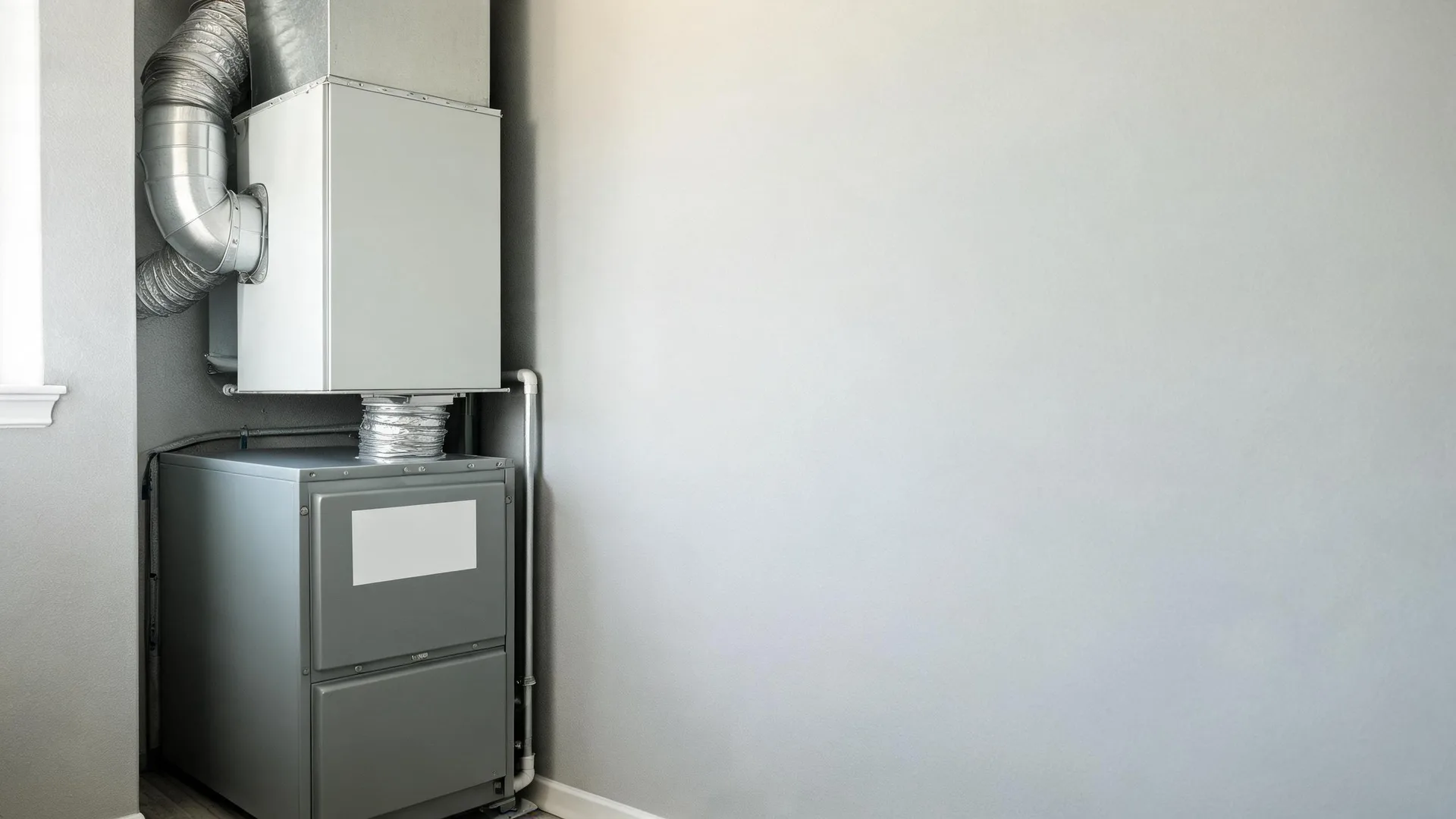
A contractor disconnects the gas line, the duct connections and the flue, then takes the furnace out in one piece or close to it. The gas line gets capped off safely before anything else happens. If the old unit vented through a chimney, that chimney may need a liner changed or capped, since a new high-efficiency furnace usually vents a different way, through a wall or sidewall pipe instead.
The old ductwork, the gas line size and the electrical connection were all sized for the furnace that's leaving. A new furnace with a different output or a different blower can need adjustments to what stays, not just a swap of one box for another. Worth asking the contractor to check the duct connections and gas line against what the new furnace actually needs before it goes in.
Estimates for a typical Pondera County home, from EIA household energy data, Montana fuel prices and NOAA climate normals. Your home will differ.
Install day starts with the house still running on the old furnace, usually right up until the contractor shuts off the gas and power to disconnect it. Once the old unit is out, the space gets checked against what the new furnace needs: the floor or platform it sits on, the clearance around it, the duct openings it has to connect to. Setting the new furnace in place and leveling it comes before any connections get made. Gas line, venting, ductwork and the electrical and thermostat wiring all get connected one at a time, then checked, not just hooked up and left. Once everything's connected, the furnace gets fired up and run through a full cycle so the contractor can check the flame, the airflow and the temperature rise while it's actually running. A furnace that's installed right gets tested before anyone calls the job done, not after the first cold night finds a problem.