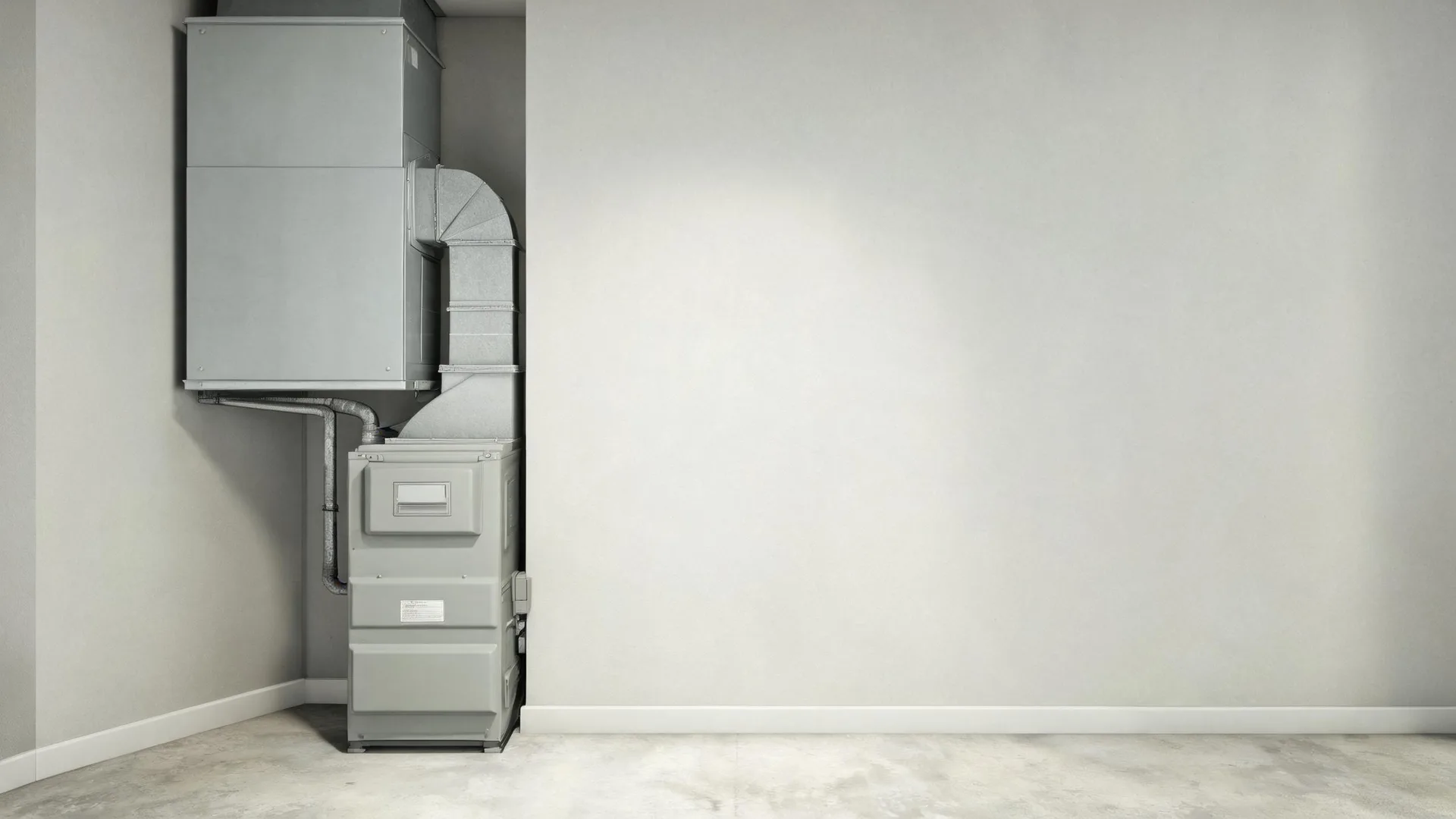
Gas costs more to burn here
Montana homes paid $7.77 per million Btu of natural gas in 2024. A furnace that wastes gas instead of turning it into heat costs you that rate every time it fires.
Takes about a minute. No obligation.
Montana homes paid $7.77 per million Btu of natural gas in 2024. A furnace that wastes gas instead of turning it into heat costs you that rate every time it fires.
A furnace's efficiency rating decides how much of that gas becomes heat in your house instead of going out the flue. In a county with winters this hard, a furnace that runs a lot of the year turns that difference into money on every bill it sends you.
NOAA nClimDiv, 1991–2020 normals
Furnaces in Silver Bow County run about eleven months a year, August through June.
A new system has to hold up under that kind of use, so installing it right matters more here than in places where it gets a break.




Silver Bow County falls under zone 6B in the 2021 energy code, the classification for a cold, dry climate with a long heating season. Any furnace installed here has to meet the federal minimum tied to that code. Right now that means turning at least 80 percent of the gas it burns into heat, a baseline every furnace built since November 2015 already meets. That floor rises to 95 percent for furnaces manufactured on or after December 18, 2028. A homeowner installing now can still choose a unit well above today's minimum, which matters in a county where the furnace runs most of the year.
Gas here runs $7.77 per million Btu, and this furnace will fire for most of the year. Picking a unit above the minimum efficiency costs you less to run than one that just meets it. That decision gets made once, at installation.
Find a contractor
Half the homes in Silver Bow County were built in 1956 or earlier. A furnace going into a house that old is going into ductwork and venting sized for whatever came before it, not for the unit sitting in the showroom. The new furnace has to match that house, not just the specs on the box. That's a sizing and venting question a contractor works out at your house, not something a rating label answers on its own.
A furnace sized off the old unit or a square footage chart can end up too big or too small for the house it's going into. The right size comes from a load calculation that looks at the walls, the windows, the insulation and the layout. Too big and the furnace short cycles, turning on and off before the house evens out. Too small and it runs constantly and still can't keep up on the coldest days.
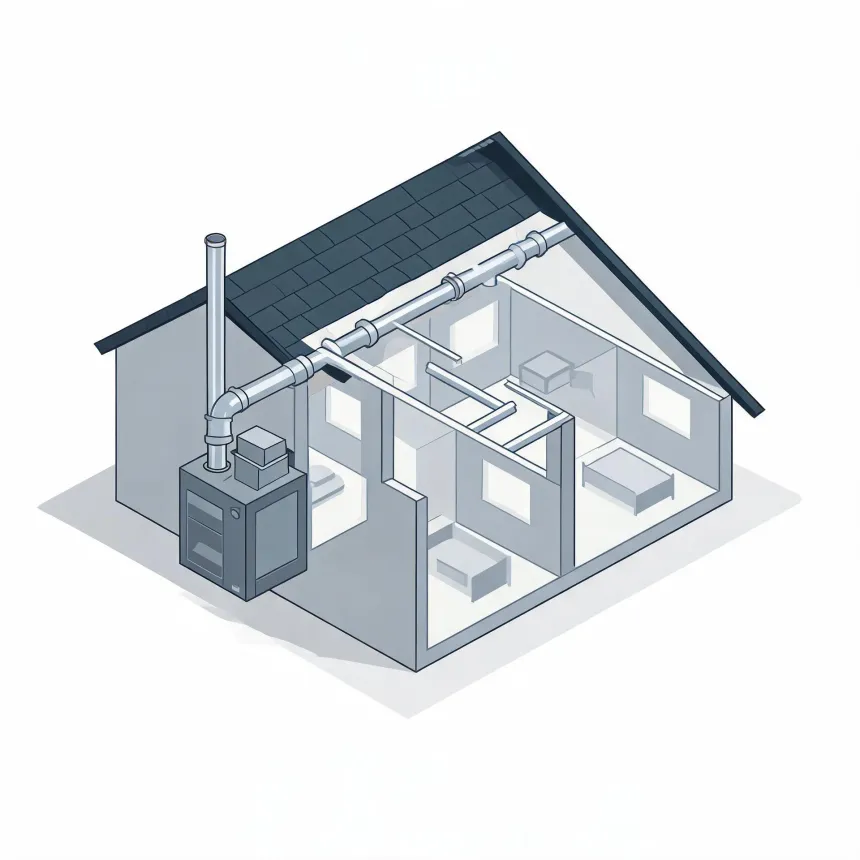
A more efficient furnace often vents differently than the one it replaces, sometimes through a wall instead of up a chimney, and it may need a condensate line to carry off the moisture it pulls out of the exhaust. The gas line and duct connections have to match what the new unit needs, not just bolt up to what's already there. Get clear on what gets added or changed before the installer shows up with the equipment, not after.
Estimates for a typical Silver Bow County home, from EIA household energy data, Montana fuel prices and NOAA climate normals. Your home will differ.
Installation starts with the old furnace coming out, along with whatever venting and duct connections don't match the new unit. Expect the gas line shut off before anyone touches the equipment, and the work area protected since this isn't a clean job. Setting the new furnace means leveling it, securing the ductwork to it, and connecting the venting according to what that furnace needs, not what the last one used. The gas line gets hooked up and checked for leaks before anything fires. Once it's running, a tech checks the temperature rise across the furnace, sets the gas pressure, and confirms the flue is drafting properly so exhaust actually leaves the house instead of backing up. A combustion analyzer check at the end tells the installer the furnace is burning clean and running at the efficiency it's supposed to, not just that it turns on.