

An unfinished basement containing a gray HVAC furnace with ductwork, exposed wooden joists, a concrete floor, and miscellaneous clutter in one corner.

Furnace Installation in Columbus, MT

Tell us about the job

Takes about a minute. No obligation.

New system or replacementFurnace or heatingStillwater County, MT
Step 1 of 2

What ZIP code is the job in?

Stillwater County recorded 324 severe weather events between 2015 and 2024. Winter storms accounted for 160 of them, with 112 damaging wind events and 52 hail events in the same stretch. A furnace install here isn't just about matching the right unit to the house. It's also about what happens when a blizzard knocks the power out. Statewide, 18% of Montana households went at least a day without power in 2024. A new furnace should go in with that in mind, not as an afterthought once the weather makes it one.

10 months
September through June, your furnace is on duty
15°F
the average winter night it heats against
80% AFUE
the federal minimum any new unit must meet
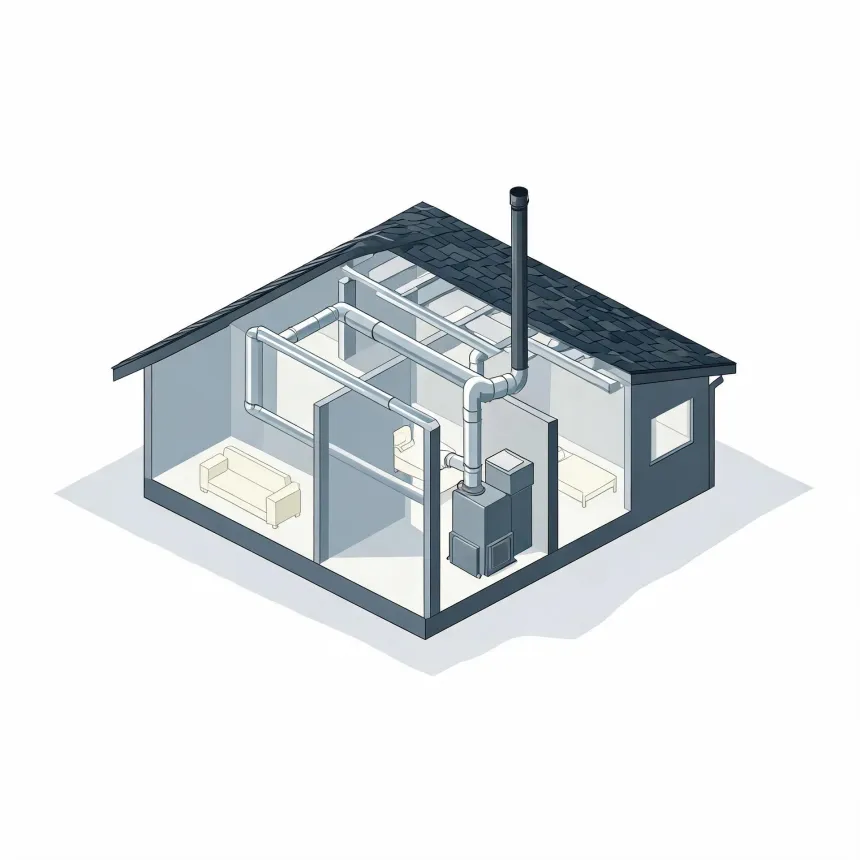
Isometric cutaway illustration of a small single-story house showing a furnace with a flue pipe through the roof and ducting running to rooms containing a sofa, chair and bed.
Your furnace works hardest from October through April.

NOAA nClimDiv, 1991–2020 normals

Gas heats 47.1% of homes in Stillwater County, more than any other fuel.

A gas furnace replacing a gas furnace is a straightforward job for most homeowners here.

Heat starts in September, so the install should happen in August

Heat runs September through June
Winter nights average 15°F
160 winter storms from 2015 to 2024

Stillwater County falls under zone 6B in the 2021 energy code, a cold, dry climate classification that comes with a long heating season. Any furnace installed here has to meet the federal minimum: at least 80 percent of the gas it burns has to turn into heat over the season. That rule tightens on December 18, 2028, when new furnaces will need to hit 95 percent. A furnace bought now will likely still be running when that date passes, so it's worth asking a contractor where a given model falls on that scale rather than assuming code minimum is the only option. A federal tax credit is available for qualifying high-efficiency furnaces, which can offset some of the difference in upfront cost.

Plan for the outage before it happens

A furnace install is also a chance to plan for when the power goes out. Ask where the outdoor equipment sits and how it's shielded from wind and hail. Ask what happens to heat during an outage, since a gas furnace with electronic ignition still needs power to run the blower. Settle that now, while it's a question and not a problem.

Find a contractor
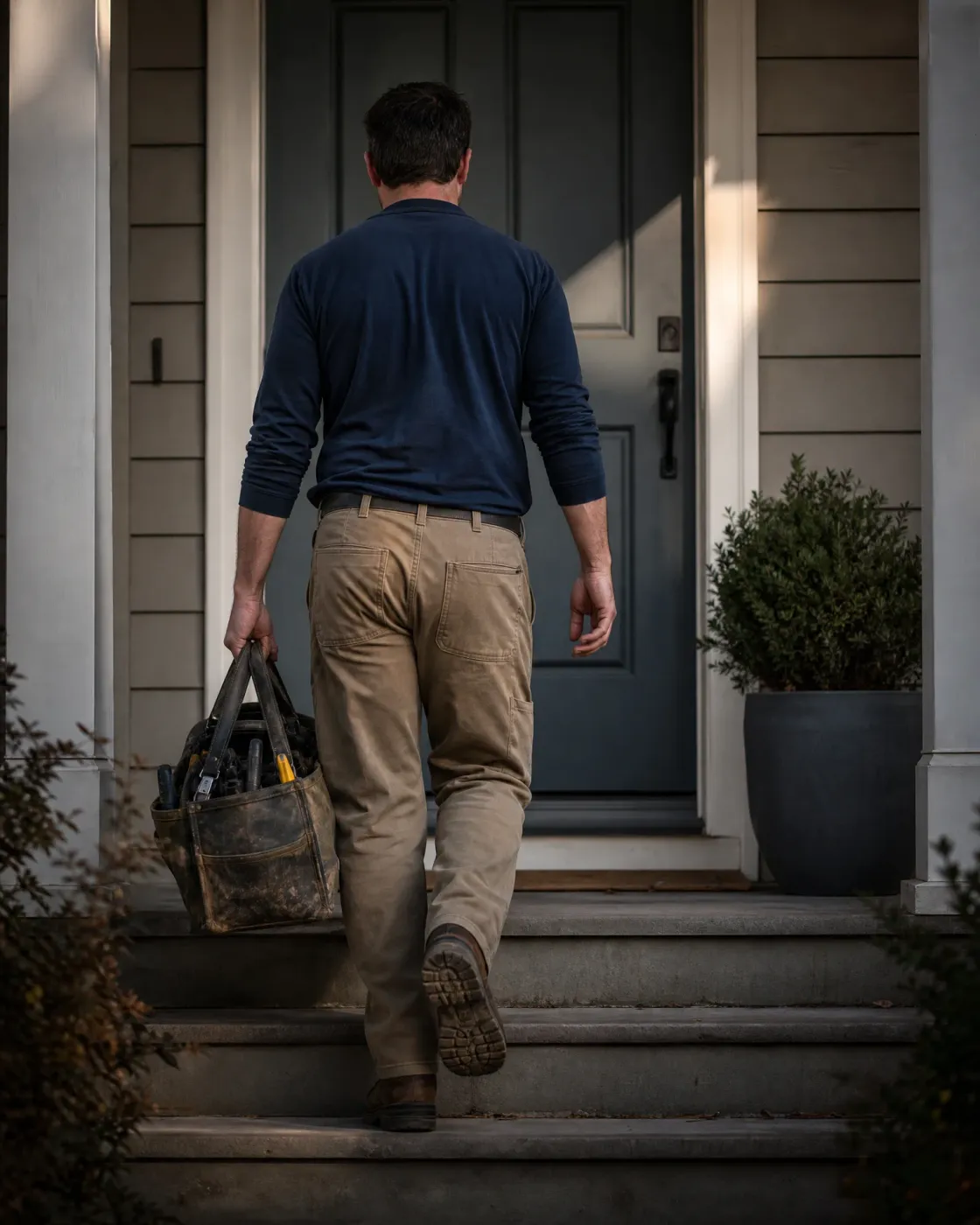
A man in a navy long-sleeve shirt and tan pants carries a canvas tool bag up concrete steps toward a dark blue front door flanked by columns and a potted shrub.
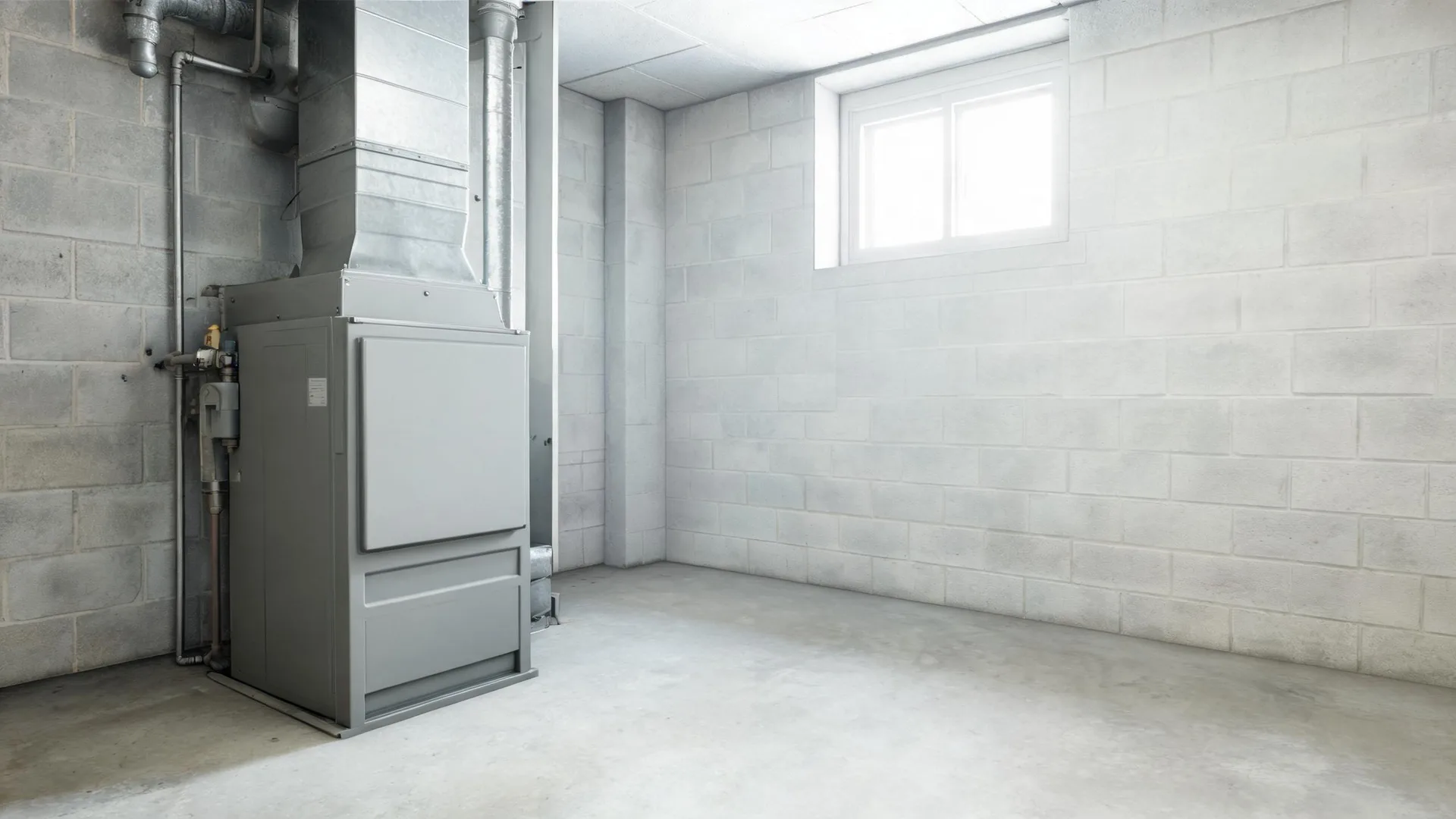
A gas furnace with attached ductwork, gas piping, and condensate lines installed in a concrete-block basement.

Ten months a year is the job, not the exception

That kind of run time is why sizing matters more here than in a milder climate. A furnace sized too small will run close to constant trying to keep up, and one sized too large will short cycle, turning on and off more than it should. Either way the igniter and blower motor take the hit sooner. The contractor doing the install should size the unit to the house, not just swap in whatever matches the old one's price point. Ask what warranty covers those two parts, since they're the ones doing the work every time the system cycles on through a Montana winter.

The old furnace has to come out first

A furnace isn't a part swap. The old unit gets disconnected from the gas line, the vent pipe and the ductwork, then physically removed before the new one goes in. If it's a closet or basement install, that often means clearing a path wide enough to carry it out whole. The gas line and vent get inspected once the old furnace is gone, since both were sized and routed for that unit, not necessarily the new one.

The venting is where old and new can disagree

Older furnaces often vent through a metal flue that relies on hot exhaust rising on its own. Newer high-efficiency furnaces push exhaust out through a sealed plastic pipe instead, venting lower and closer to the ground. A straight swap can mean the old flue is no longer the right fit, and running the new furnace on venting built for the old one isn't something to work around.

An unfinished basement containing a gas furnace with ductwork in the foreground and miscellaneous stored items along the far concrete wall.

A high-efficiency gas furnace would save about $70 a year to run in Stillwater County compared with a gas furnace.

  • A high-efficiency gas furnace$360 a year
  • A gas furnace$430 a year

Estimates for a typical Stillwater County home, from EIA household energy data, Montana fuel prices and NOAA climate normals. Your home will differ.

Installation day starts with a safety check, not a wrench. The contractor tests for gas leaks, checks the venting path, and confirms the electrical hookup before anything gets disconnected. Once the old furnace is out, the ductwork gets connected to the new unit and sealed at every joint, since a loose seam there leaks heated air into the attic or crawlspace instead of the house. The gas line gets pressure tested after it's hooked up, and the vent gets checked for the right slope and clearance once it's run. Before anyone leaves, the furnace gets fired up and cycled through a full heating run so the contractor can check the flame, the airflow at the registers, and that the thermostat is actually talking to the system. None of that gets skipped just because the parts are new.