Gas is pricier here
Montana homes paid $7.77 per million Btu of natural gas in 2024. That's the fuel most furnaces in Bozeman run on, and it sets the floor on what heat costs before you even look at the equipment.
Takes about a minute. No obligation.
Montana homes paid $7.77 per million Btu of natural gas in 2024. That's the fuel most furnaces in Bozeman run on, and it sets the floor on what heat costs before you even look at the equipment.
Two furnaces burning the same gas at the same price can leave you with different bills, because they turn that fuel into heat at different rates. On a fuel this expensive, that difference is worth asking about before you buy.
NOAA nClimDiv, 1991–2020 normals
Furnaces in Gallatin County start running in September.
A furnace installed in August is already broken in before it has to work.


Gallatin County falls under zone 6B, the cold end of the 2021 energy code, and every furnace installed here has to meet that. Right now the federal floor is 80 percent efficiency, meaning at least 80 cents of every dollar of gas goes toward heat. That floor rises to 95 percent for furnaces manufactured on or after December 18, 2028, so units built before then still only have to hit 80. A furnace that clears the minimum by a wide margin isn't required here, but nothing about zone 6B stops you from installing one. There's also a federal tax credit for qualifying high-efficiency furnaces, worth checking before you settle on a model.
Gas here runs $7.77 per million Btu, and that number doesn't change based on which furnace you buy. What changes is how much of it turns into heat in your house. Ask what efficiency rating you're getting before you settle on a model, and check whether it qualifies for the federal tax credit.
Find a contractorGet the size wrong on a furnace that runs ten months a year and you'll know it fast. Too small and it runs flat out all winter trying to keep up. Too big and it short cycles, kicking on and off instead of running steady, which wears the parts that start it up. A contractor sizing this job should run a load calculation on your house, not just match what was there before. The storms this county gets mean the furnace has to hold up on the worst nights, not just the average ones. That's a reason to look past the price tag and ask how the unit is sized for your house, not just what it costs installed.
The AFUE number on the label tells you how much of the gas burned becomes heat in the house, and how much goes out the flue. It never changes with the weather or how old the furnace gets. It's fixed at the factory, built into how the burner and heat exchanger are designed.
Moving from a mid-efficiency furnace to a high-efficiency one means less gas burned for the same heat, every month the furnace runs. But the jump from one rating to a higher one isn't a straight line in what you'll notice. Climbing from a low rating toward the middle saves more than climbing the same distance near the top, because there's less waste left to recover the higher you already are. A contractor can tell you where the unit you're looking at actually falls on that curve.
Estimates for a typical Gallatin County home, from EIA household energy data, Montana fuel prices and NOAA climate normals. Your home will differ.
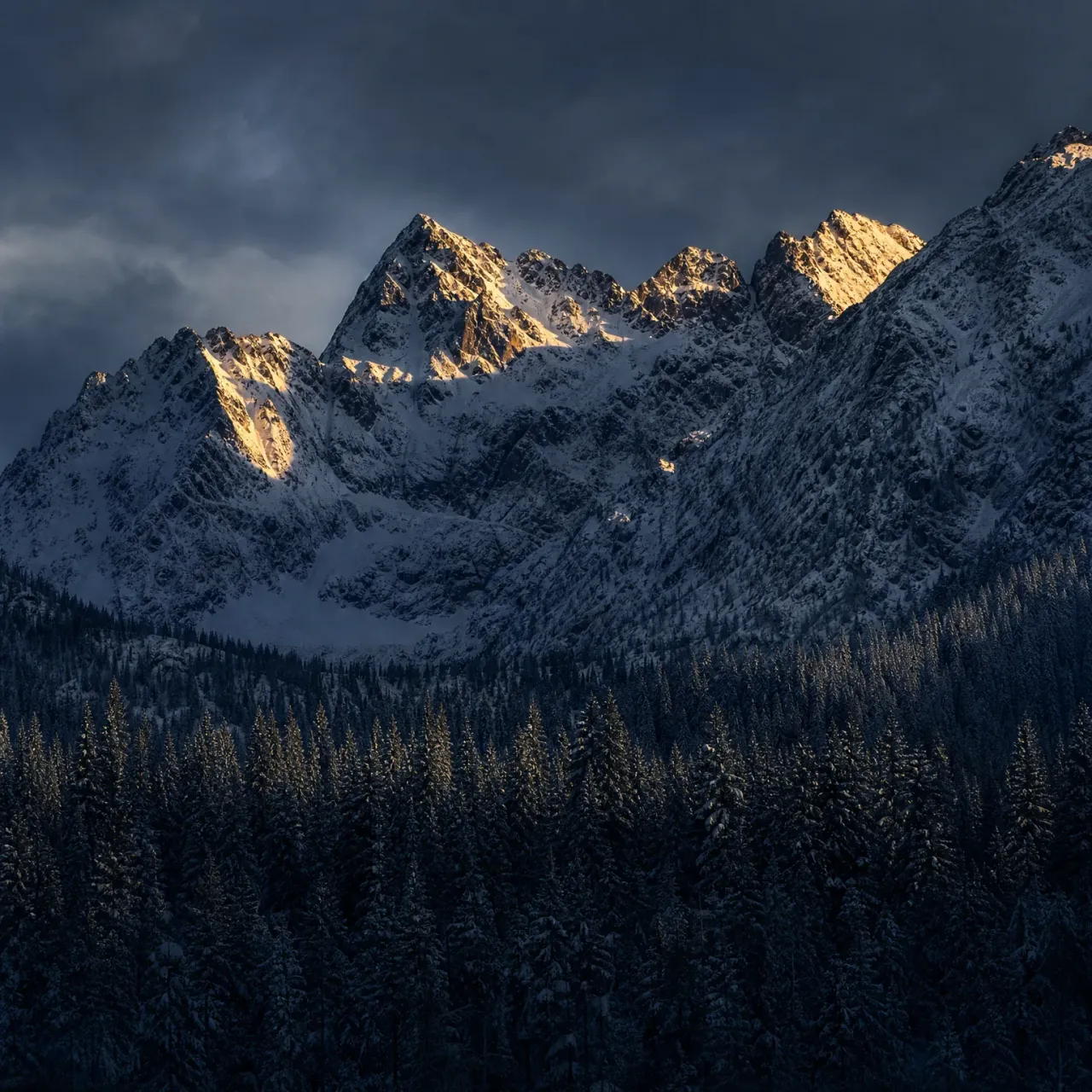
Installation starts with pulling the old furnace out, and that part goes fast. The slower work is everything around it. The vent connects to a flue or an intake and exhaust pipe pair, and that has to be sized and sealed correctly for the new unit, which may breathe differently than the old one did. The gas line gets checked for the right size and pressure before it's hooked to the new valve. Ductwork gets inspected where it meets the furnace, since a mismatch there will cause problems no matter how good the unit is. Once it's set and connected, a tech fires it up and checks the flame, checks for gas leaks, and measures the temperature rise across the heat exchanger to confirm it's running the way the manufacturer specs it. That last check matters more than it sounds like. A furnace that looks installed but hasn't been measured and tuned is a furnace nobody has actually confirmed works right.