Gas costs more to burn here
Montana homes paid $7.77 per million Btu of natural gas in 2024. A furnace that wastes heat up the flue is burning money at that rate every winter.
Takes about a minute. No obligation.
Montana homes paid $7.77 per million Btu of natural gas in 2024. A furnace that wastes heat up the flue is burning money at that rate every winter.
The AFUE rating on the furnace you install matters more in a place where gas already costs what it does in Montana. A unit a few points higher in efficiency has more room to earn that back here than it would somewhere gas is cheap.

NOAA nClimDiv, 1991–2020 normals
Gas heats 56.6 percent of the homes in Lewis and Clark County, more than any other fuel.
When a furnace needs replacing here, the gas line and venting are usually already in place, which makes a gas furnace the straightforward choice.
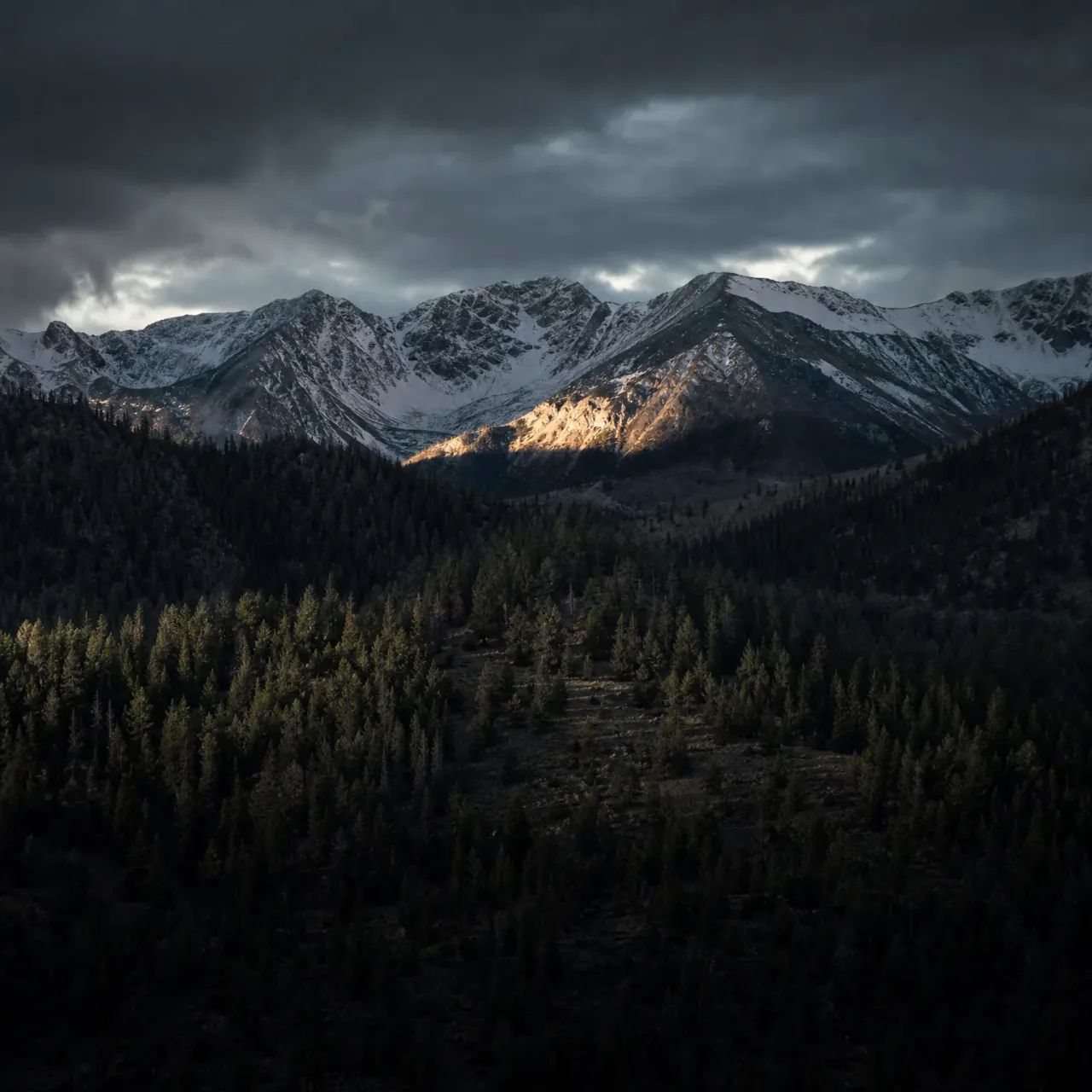
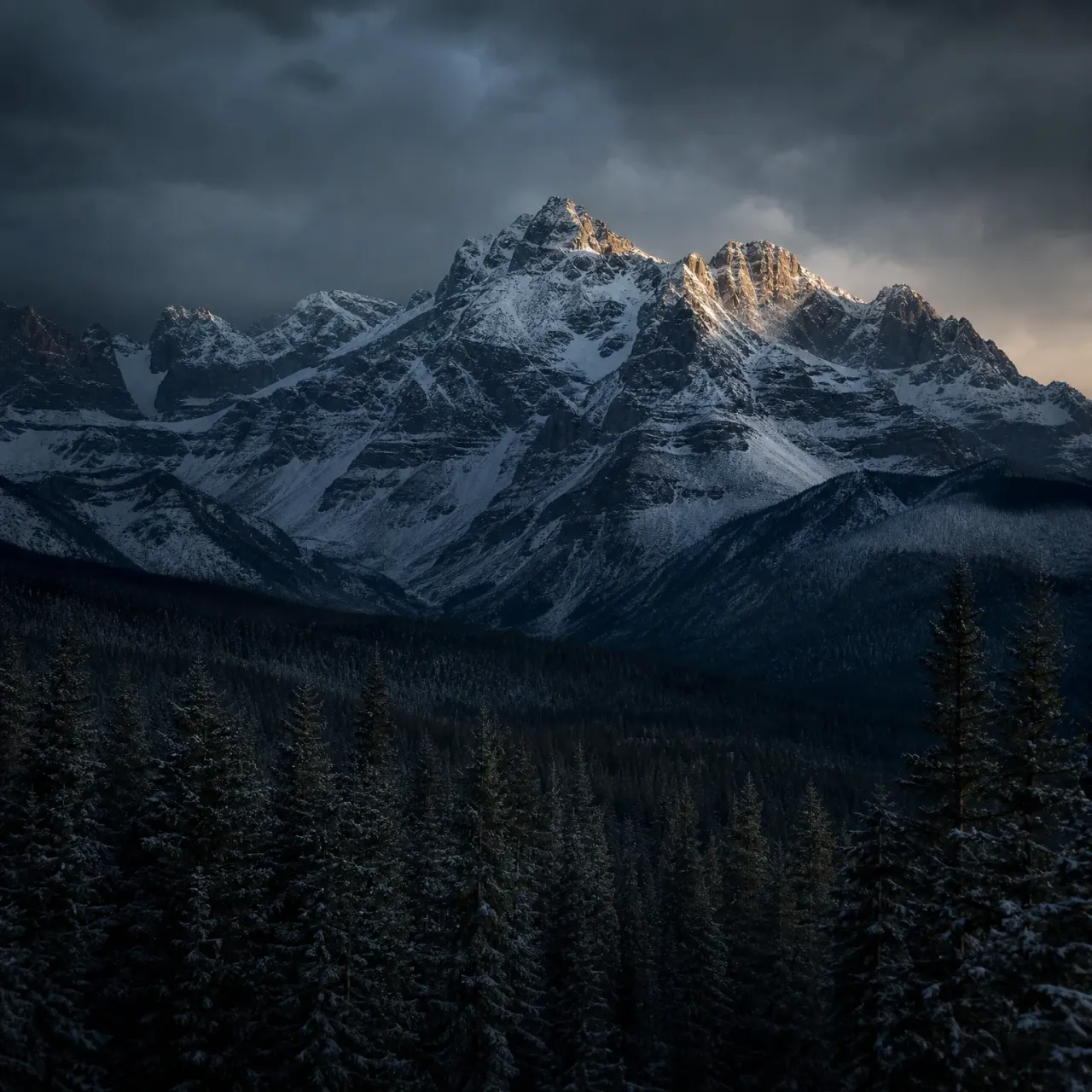
Lewis and Clark County sits in zone 6B, rated cold with a long heating season under the 2021 energy code. Any furnace installed here has to meet the federal minimum for that rating: at least 80 percent of the gas it burns turned into heat over the winter. That floor rises to 95 percent for furnaces built on or after December 18, 2028, so the baseline is about to change for anyone installing after that date. A federal tax credit is available too, but only for furnaces that clear a higher efficiency mark than the minimum requires. None of this rules out gas. It just means the furnace behind that gas line has to clear a real bar, and a higher one is coming.
The AFUE number on the furnace you choose sets what every winter costs after that. At $7.77 per million Btu, a higher AFUE rating earns its keep faster here than somewhere gas is cheap. Ask about AFUE when you compare furnaces, not after.
Find a contractorFurnace season here runs ten months, September through June. That leaves June, July and August to plan a replacement instead of reacting to one. August is the month before the furnace has to work, which makes it the natural deadline. A furnace that fails once the season has started gets replaced in a hurry, with whatever is available. One replaced in August gets sized and chosen on purpose, before the heat is needed.
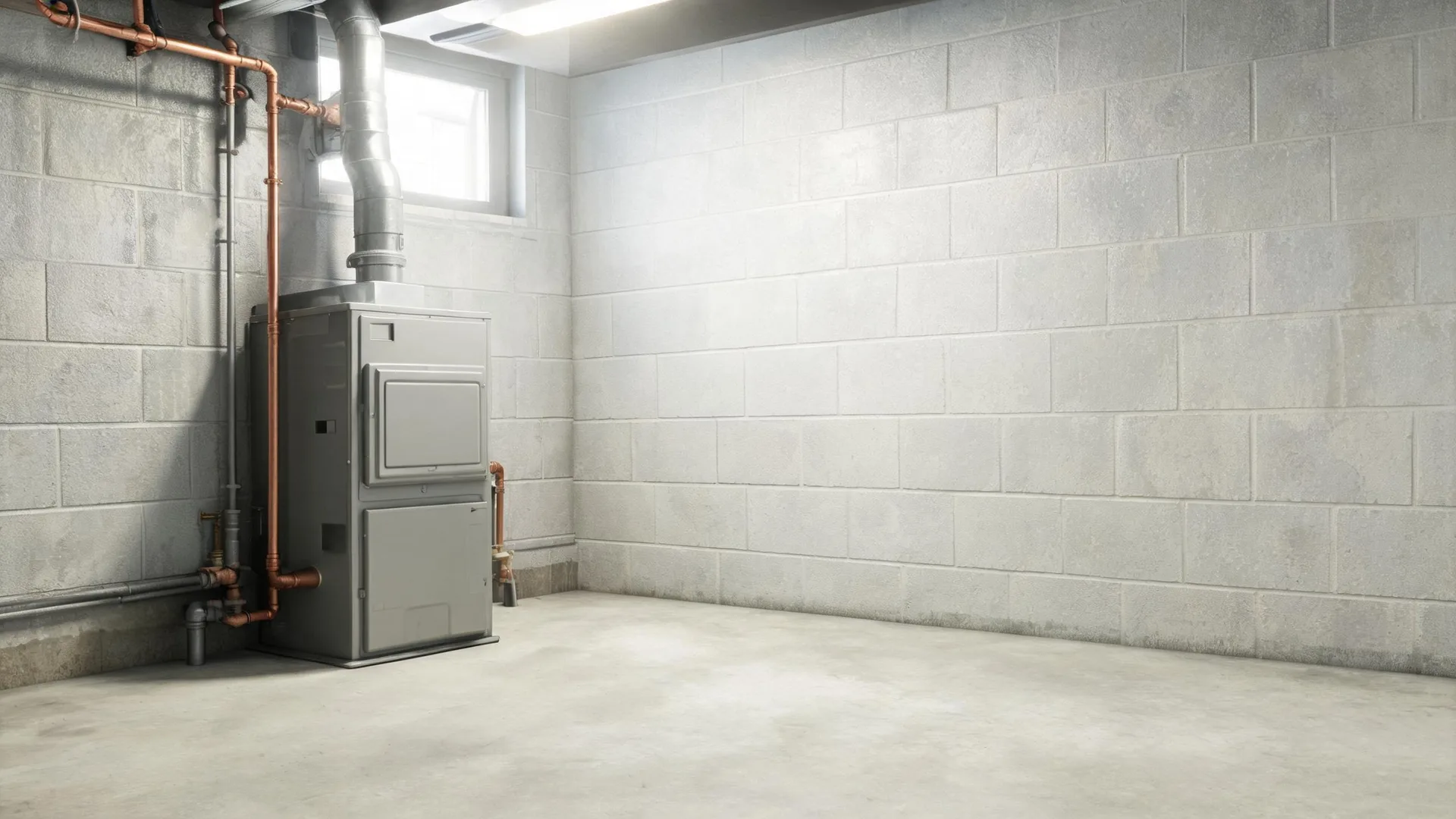
A furnace isn't just unbolted and carried off. The gas line gets capped and pressure tested before anyone disconnects it. The flue or vent pipe comes apart next, since it's sized and routed for that unit. The old ductwork connection, the plenum, usually gets cut and refitted to match whatever replaces it, because furnaces aren't all the same height or width. None of this is optional. It's how a tech makes sure the new unit starts with a clean gas supply and a vent that actually draws.
Most old furnaces get scrapped rather than sold or donated, and the heat exchanger is why. Years of heating and cooling cycles stress that metal, and once it's cracked, it can let combustion gas mix into the air a blower pushes through the house. A tech who finds a crack on the way out won't recommend keeping the furnace running another season on a patch. The cabinet and blower might still look fine. The exchanger is what decides whether the whole unit is done.
Estimates for a typical Lewis and Clark County home, from EIA household energy data, Montana fuel prices and NOAA climate normals. Your home will differ.
A furnace swap takes most of a day, sometimes longer if the ductwork needs real work. The old unit comes out first, then the gas line, flue and plenum get fitted to the new one before it ever runs. Once it's set and connected, the tech checks gas pressure, confirms the flue is drawing properly, and lets the system run through a full cycle to see how it ignites, ramps up and shuts off. Airflow gets checked at the registers, not just at the furnace, because a unit can be installed correctly and still move air poorly if the ducts don't match it. The last step is combustion testing, reading what's actually coming out of the flue to confirm the furnace is burning clean. A furnace that passes all of that on day one is set up to run the same way for years.