Gas costs more to burn here
Montana homes paid $7.77 per million Btu for natural gas in 2024. That number sets the floor for what a furnace costs to run before you even factor in how hard a Malta winter pushes it.
Takes about a minute. No obligation.
Montana homes paid $7.77 per million Btu for natural gas in 2024. That number sets the floor for what a furnace costs to run before you even factor in how hard a Malta winter pushes it.
A furnace that wastes less gas for the same heat matters more in a place that burns gas at this price, all winter long. The rating on the unit you install has more riding on it here than it would somewhere milder.
NOAA nClimDiv, 1991–2020 normals
Gas heats half the homes in Phillips County.
A gas furnace is the straightforward replacement for most homes installing here.


Phillips County falls in zone 6B, a cold, dry climate zone under the 2021 energy code. Any furnace installed here needs to be rated for that. Federal rules already set a floor under that: furnaces built since November 2015 have to turn at least 80 percent of the gas they burn into heat over the winter. That floor rises to 95 percent for units built from December 2028 on. A furnace installed before then can still be sold and installed at the 80 percent minimum, so that number is worth asking about now, not assumed.
At $7.77 per million Btu, the rating on the furnace you install sets what every winter after this one costs you. That's worth getting right at install, not after.
Find a contractorA furnace that's too big for the house short cycles. It fires, blasts the place with heat, hits the thermostat setting, and shuts off before it's finished a full heating cycle. Then it does that again a few minutes later. Every start draws more wear on the igniter and the heat exchanger than a full run would, and the house ends up with hot and cold spots because the air never circulates long enough to even out. A furnace that's too small just runs and runs, straining to catch up on the coldest days and never quite getting there. Sizing isn't a guess and it isn't just square footage either. A contractor works it out with a heat loss calculation, room by room, counting the windows, the insulation, the ceiling height, how the walls are built. Two houses the same size can need different sized furnaces depending on what's between the studs. Done right, the furnace run is long and steady, the heat exchanger holds a stable temperature, and the house heats evenly from one end to the other.
A heat exchanger warranty and a parts warranty are not the same thing, and a parts warranty without labor covered still leaves a bill. Ask whether the warranty is tied to the unit or to the contractor who registers it, and whether registration has to happen within a set window after install. A warranty that lapses because no one filed the paperwork is worth nothing.
Two contractors quoting the same brand can land on two different sizes if only one of them ran a real heat loss calculation. Ask to see the math, not just the number. A quote that names a size without showing how they got there is a guess with a price tag on it.
Estimates for a typical Phillips County home, from EIA household energy data, Montana fuel prices and NOAA climate normals. Your home will differ.
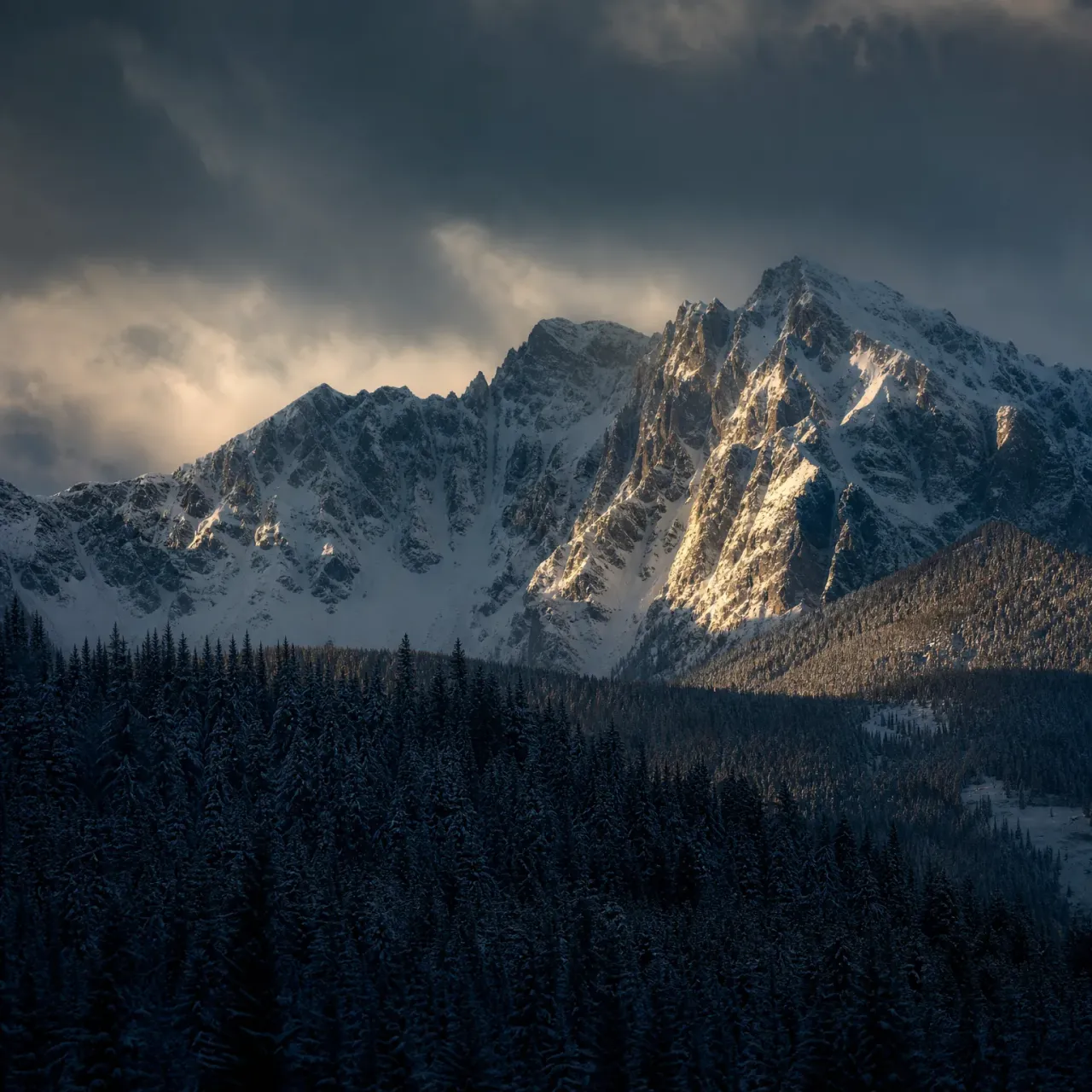
Installation day starts with the old unit coming out, not the new one going in. The contractor disconnects the gas line, the vent, the ductwork and the wiring, then pulls the furnace out whole or in pieces depending on how it was set. That's when problems that were hidden show up: a vent connector that was never sized right, ductwork that's crushed or disconnected somewhere past the first elbow, a gas line that needs a new shutoff. Once the space is clear, the new furnace gets set and leveled, then connected back up to the duct trunk, the gas line, the vent and the thermostat wiring. The vent gets checked for the right pitch and clearance, because a furnace that vents wrong can push exhaust back into the house instead of outside. Before anyone calls it done, the gas line gets pressure tested for leaks, the furnace gets fired and run through a full cycle, and the technician checks the temperature rise against what the manufacturer specs for that model. A furnace that's installed right gets started, checked, and adjusted before the crew leaves, not just plugged in and left running.