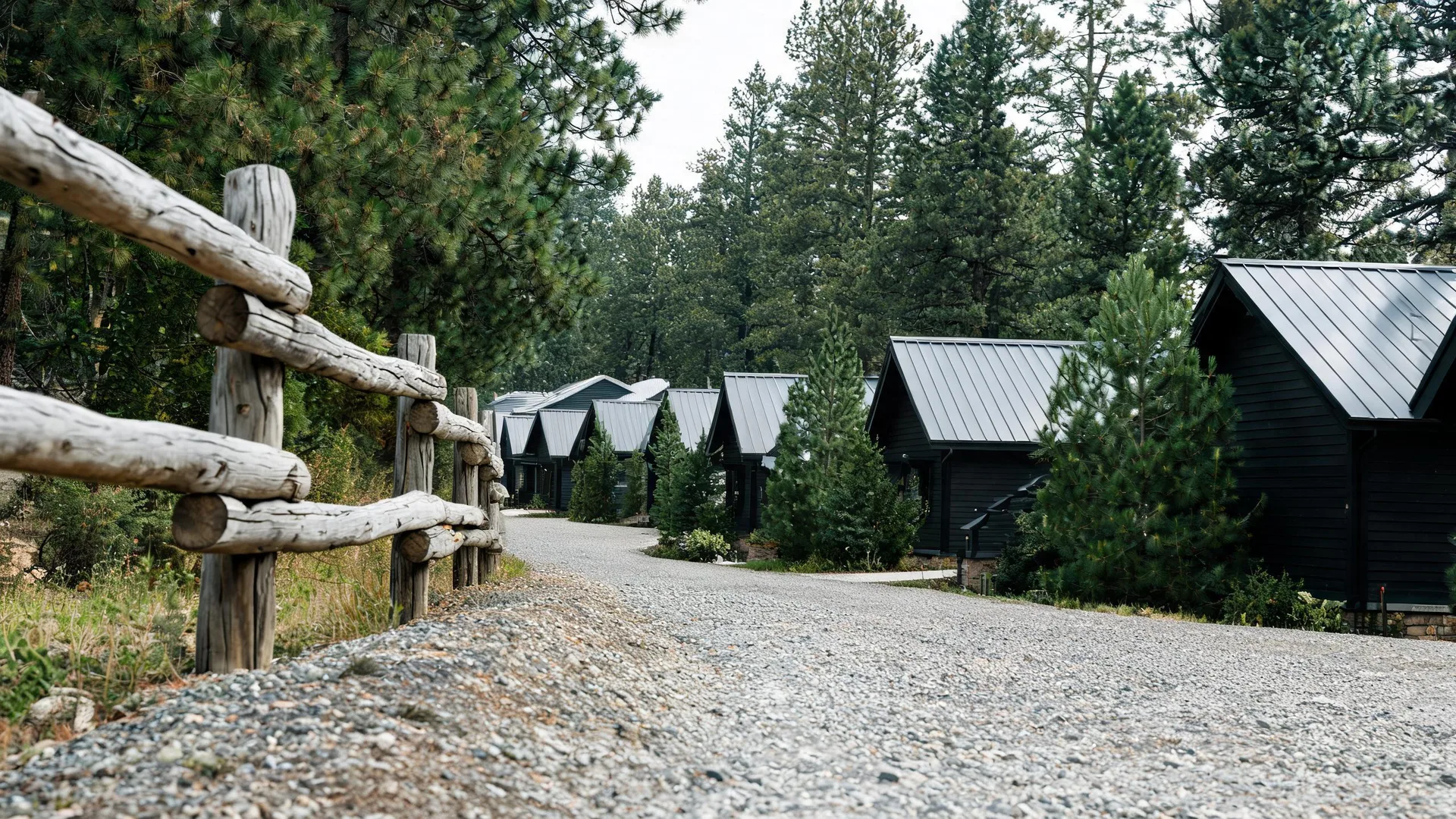


A gravel road lined with a rustic log fence on the left and a row of dark-clad gabled cabins with metal roofs on the right, surrounded by pine forest.

Furnace Installation in Polson, MT

Tell us about the job

Takes about a minute. No obligation.

New system or replacementFurnace or heatingLake County, MT
Step 1 of 2

What ZIP code is the job in?

Electricity in Montana runs $37.11 per million Btu, and that's what a lot of furnaces here draw on for the blower motor and ignition, even gas ones. If you're heating with electric resistance, that cost hits every single therm you use. A new furnace with a better AFUE rating turns more of that energy into heat in your house instead of losing it. Over a winter of steady runtime, that difference shows up on the bill every month, not just once.

10 months
September through June, your furnace is on duty
20°F
the average winter night it heats against
80% AFUE
the federal minimum any new unit must meet
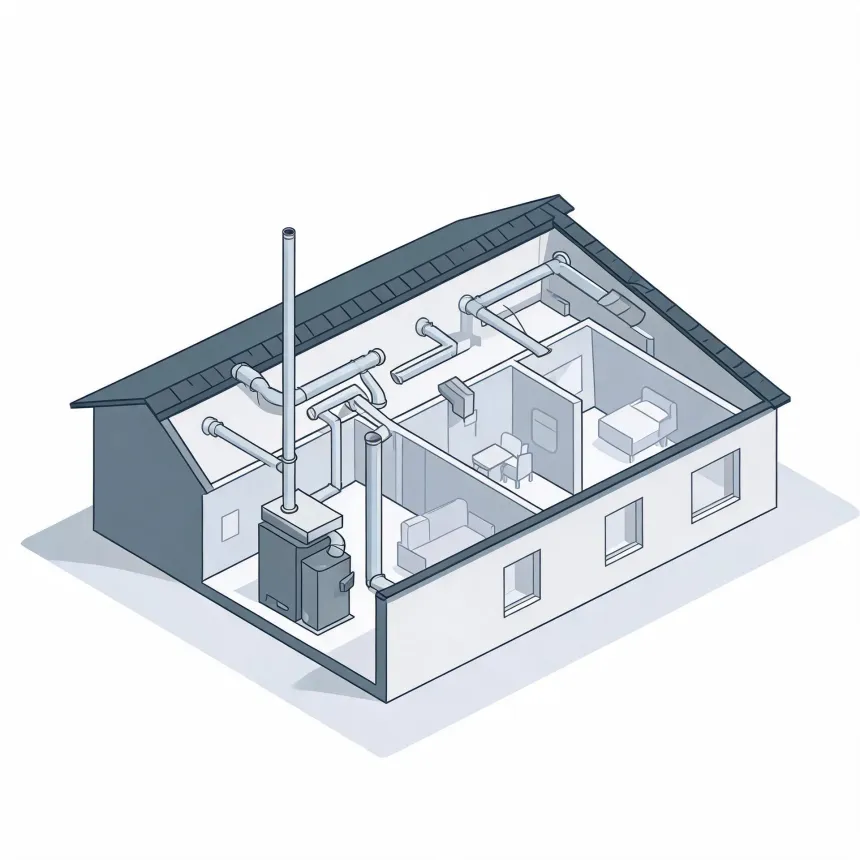
Isometric line illustration of a single-story house cutaway showing interior rooms with furniture, ductwork or piping running along the ceiling, and a boxy furnace unit with a tall vertical flue pipe.
Your furnace works hardest from October through April.

NOAA nClimDiv, 1991–2020 normals

Electricity heats 56.2% of homes in Lake County.

For most furnace installs here, matching electric to electric is the simplest path.

Ask about the AFUE rating before you decide on a furnace

Heat runs September through June
Winter nights average 20°F
125 winter storms from 2015 to 2024
Replace it in AugustHeat goes on in September and runs through June here.

The size of the furnace matters more than most people think. One that's too big for the house will short cycle, kicking on and off instead of running a steady stretch, and that wears out the ignition and the blower faster than normal use would. One that's too small runs constantly and still can't keep up on the coldest days. Getting the size right means someone has to actually calculate the heat loss for the house, not just swap in whatever matches the old unit. The ductwork plays into this too. If the existing ducts weren't sized for the new furnace's airflow, that's added work before the furnace itself goes in. Venting is another piece of it. A higher efficiency furnace pulls more heat out of the exhaust, which means it vents differently than an older one, sometimes through a wall instead of up through the roof, and that can mean new venting work rather than reusing what's there.

Any new furnace here has to clear 80 percent AFUE

Lake County falls under zone 6B, and federal rules set the floor for new furnaces at 80 percent AFUE, the same minimum that's applied to units built since November 2015. That's a floor, not a target. A federal tax credit is available for furnaces that beat it by enough to qualify, worth checking against before you settle on a model.

Find a contractor
A man in a gray polo shirt and tan work pants carries a worn canvas tool bag up porch steps toward a closed gray front door, with a potted shrub beside the entry.
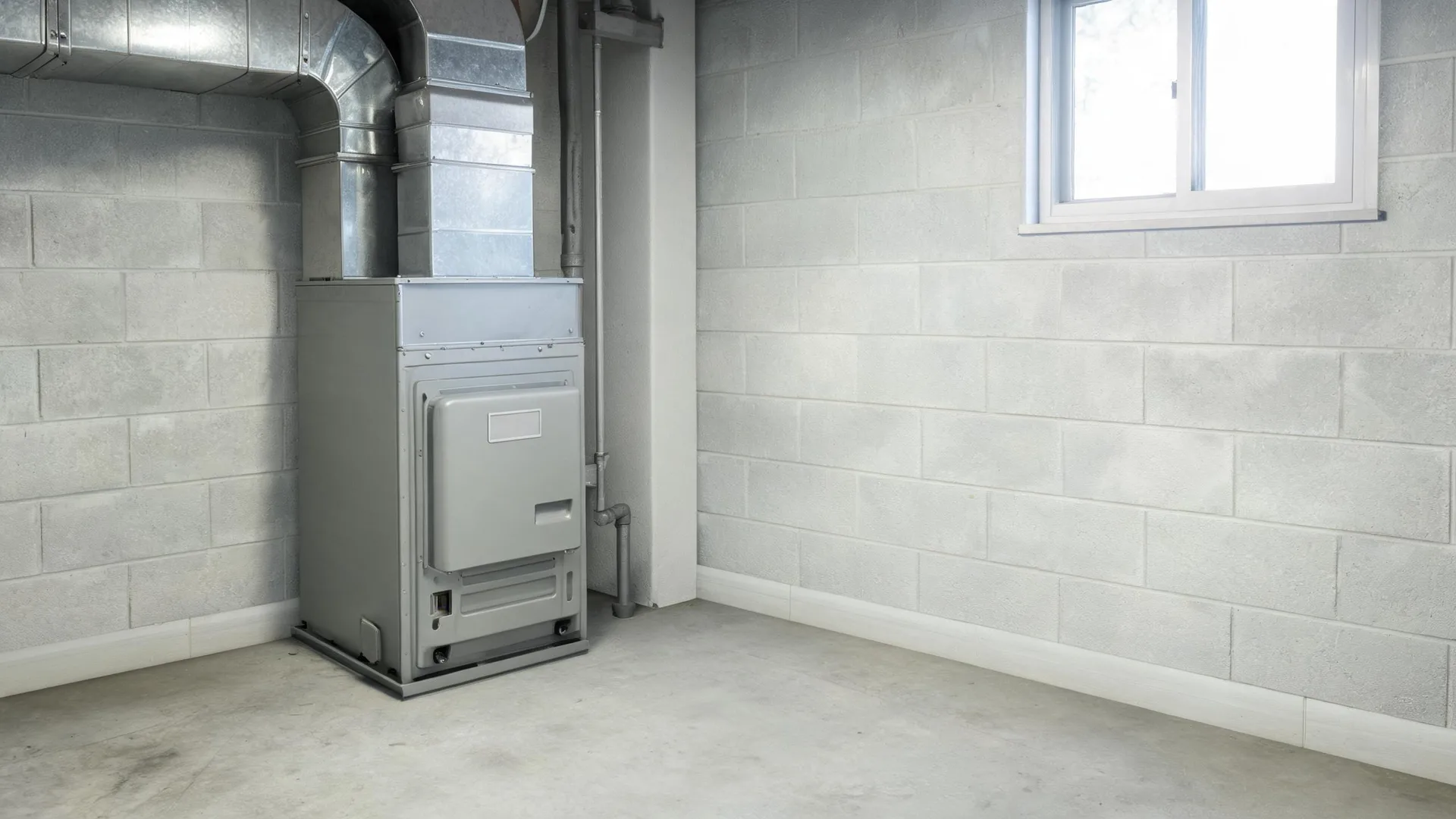
A gray high-efficiency gas furnace installed in an unfinished basement, surrounded by gas lines, a condensate drain, and sheet-metal ductwork.

Built for months of runtime, not an afternoon

Furnace here runs about ten months out of the year, September through June. Overnight lows average 20°F through December, January and February, so most of that runtime happens when the house actually needs it, not just cycling on mild days. Add in the winter storms that come through, 125 of them over the last ten years, and the furnace is working through wind and ice load on top of the cold. That's a lot of hours on the igniter and the blower motor before the unit's even a few years old. A furnace sized and installed right for this kind of runtime holds up. One that's cutting corners shows its wear early.

The old furnace gets disconnected before it comes out

The gas line gets capped and the electrical gets cut before anyone touches the cabinet. If the old unit vented through a chimney liner or a flue shared with a water heater, that connection has to be addressed too. Pulling the furnace can leave that flue too big for whatever's still using it, and that has to be fixed before the new system goes in.
Hauling it out is the easy part

A furnace cabinet comes apart enough to carry out in sections, and most installers haul the old one away as part of the job. The harder part is what gets left behind. Old ductwork, a thermostat wire that doesn't match the new control board, a vent pipe that no longer fits. Those get sorted out during the same visit, not after.

A load calculation is what actually sizes a furnace, not the square footage of the house and not what the old unit happened to be. It accounts for how much heat the house loses through the walls, the windows, the ceiling, and that number is what the new furnace has to match. Contractors call this a Manual J, and skipping it is how you end up with a furnace that's wrong for the house in either direction. Bigger isn't safer. An oversized furnace reaches temperature fast, shuts off, and starts again a few minutes later, and all that cycling is harder on the igniter and the blower motor than one long steady run. The furnace has to earn its size, not just fill the closet where the old one sat.

Installation day starts with the old furnace shut down cold, gas off, power off, before anyone opens the cabinet. From there it's a full day more often than a quick swap. The new unit gets set, leveled, and connected to the gas line, the ductwork, and the vent, and each of those connections gets tested before the cabinet goes back together. The flue gets checked for the right slope and the right size for what it's venting. Once it's buttoned up, the furnace runs through a full cycle while the installer checks gas pressure, airflow, and temperature rise against what the manufacturer specs for that model. The thermostat gets wired in and set up last, after the furnace itself is already proving out. None of that gets rushed, because a furnace that passes a fast check can still fail a slow one.