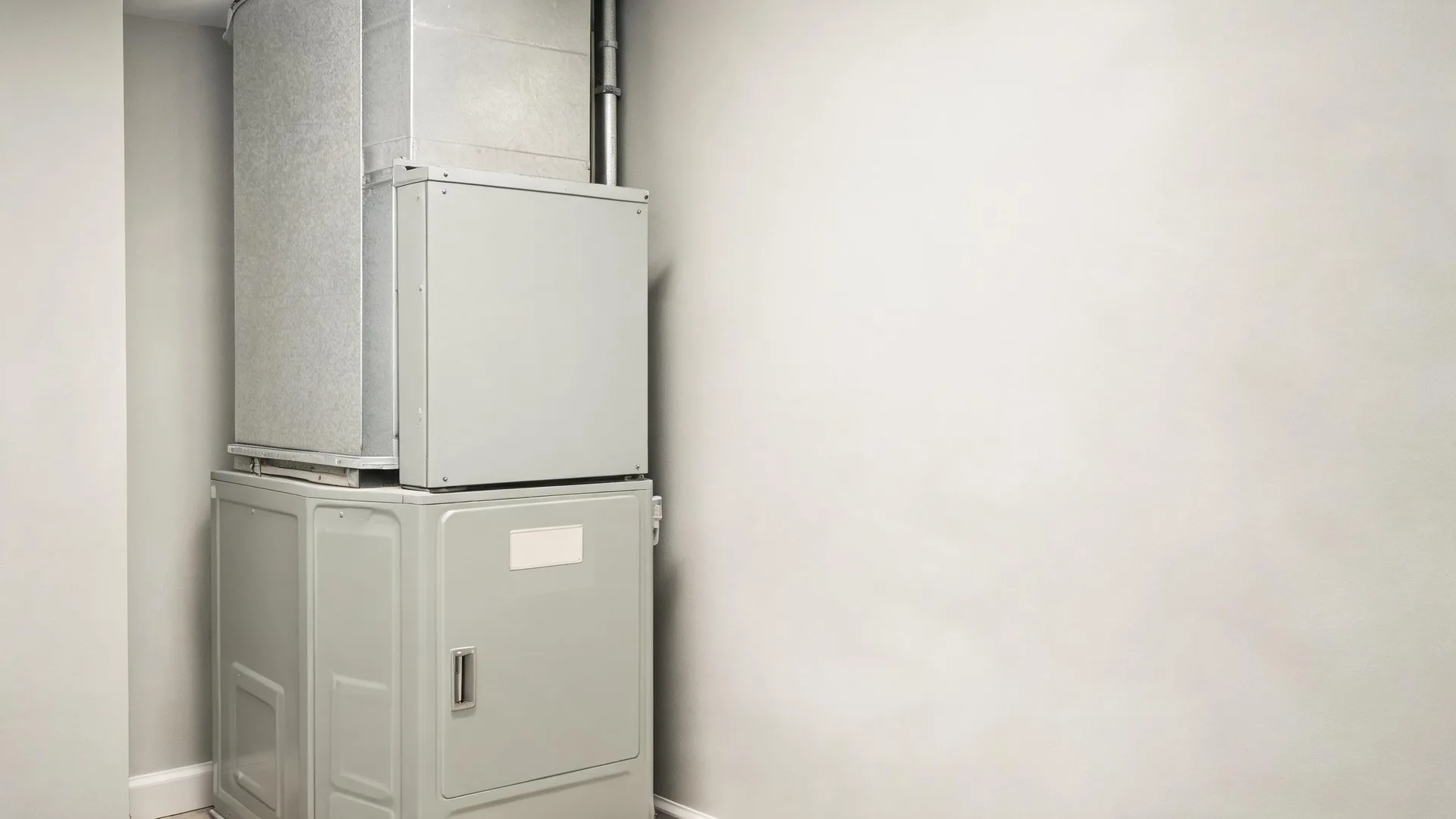
Gas here runs $7.77 per million Btu
That is what Montana homes paid for natural gas in 2024. A furnace that wastes heat burns more gas to make up for it, and every bit of that waste gets billed at that rate.
Takes about a minute. No obligation.
That is what Montana homes paid for natural gas in 2024. A furnace that wastes heat burns more gas to make up for it, and every bit of that waste gets billed at that rate.
A new furnace sits here running most of the year. How much of that gas turns into heat for your house, instead of going out the flue, is what separates one installation from another on your bill.
NOAA nClimDiv, 1991–2020 normals
Sweet Grass County logged 398 severe weather events from 2015 to 2024, including 191 winter storms and 183 damaging wind events.
A furnace needs power to run even on gas, so where the outdoor parts sit and how you'd get through an outage both belong in this installation.
Sweet Grass County falls under zone 6B, a cold, dry climate zone in the 2021 energy code. Any furnace installed here has to meet the federal minimum for that zone, which right now means turning at least 80 percent of the gas it burns into heat over the winter. That floor rises to 95 percent for units built on or after December 18, 2028, so the baseline itself is about to move. Some furnaces already clear 95 percent today, built with a second heat exchanger that pulls more warmth out of the exhaust before it leaves the house. A homeowner installing now can meet the current minimum or install ahead of it, and the choice shows up every winter in how much of that gas turns into heat instead of going out the flue.
That furnace is going to run most of the year here, on gas priced at $7.77 per million Btu. Picking one that gets more heat out of that gas, instead of sending it out the flue, is the one decision in this install that keeps paying off every winter it runs.
Find a contractorTen months of heat a year is close to constant duty. The furnace idles, fires, idles, fires, from September through June, and the burner and igniter are what take that cycling the hardest. A new system sized right for this house will handle it. One sized off a guess, too big or too small for the place, will short cycle or run flat out trying to keep up, and either way the wear shows up sooner than it should.
That percentage on the label is how much of the gas burned turns into heat for the house, measured across a full season of starts and stops, not any single moment. A furnace does not hold that number every minute it runs. It gets there by running steady, with clean combustion and a duct system that lets it move the air it was built to move.
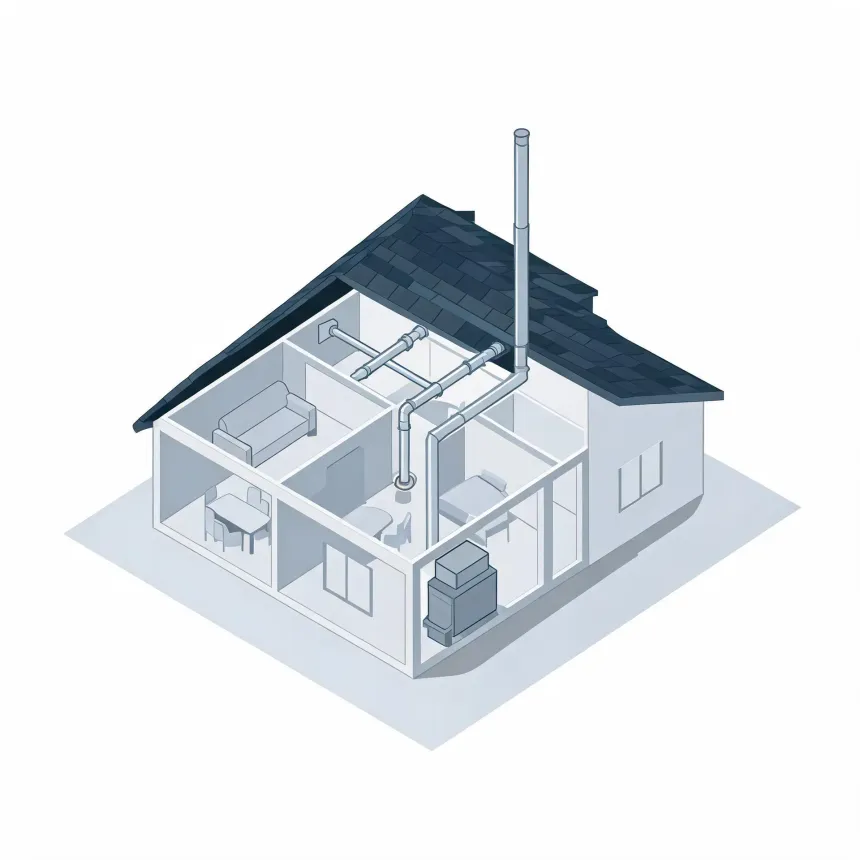
A high-efficiency furnace still needs the flue sized right, the gas pressure set correctly, and the blower matched to the ductwork it's tied into. Get any of that wrong and the unit runs below its rating for as long as it's installed that way. The number on the label is what the furnace can do. What it actually does depends on the install.
Estimates for a typical Sweet Grass County home, from EIA household energy data, Montana fuel prices and NOAA climate normals. Your home will differ.
Install day starts with the old furnace coming out, along with anything tied to it that's being replaced, like the flue pipe or a mismatched duct transition. The new furnace gets set and leveled, then connected to the gas line, the duct trunk, and the vent system. Gas pressure gets tested and set to the furnace's specification, not just eyeballed. The flue gets checked for the right size and slope, since a high-efficiency furnace vents differently than an older one and sometimes needs new venting to do it safely. Once it's running, a tech checks the temperature rise across the heat exchanger against what the furnace is rated for, which is how they confirm it's actually burning clean and moving the right amount of air. A furnace can be installed in an afternoon and still be wired, vented, or set up wrong in ways that only show up months later in how it runs.