

A paved road lined by a rustic wooden log fence and gravel leads past a row of dark-clad cabins with metal gable roofs among tall conifer trees under an overcast sky.

Furnace Installation in Glasgow, MT

Tell us about the job

Takes about a minute. No obligation.

New system or replacementFurnace or heatingValley County, MT
Step 1 of 2

What ZIP code is the job in?

Half the homes in Valley County were built in 1966 or earlier. If yours is one of them, the furnace going in now may not be a straight swap for what came out. Duct sizing, the gas line, the vent arrangement, all of it was worked out around a furnace built to a different standard decades ago. Whoever installs the new one has to check that what fits on paper fits your house, not just drop in a bigger box. Worth asking straight out whether they've accounted for that before the work starts.

10 months
September through June, your furnace is on duty
6°F
the average winter night it heats against
60%
of homes here heat with gas, so most furnaces here burn gas
80% AFUE
the federal minimum any new unit must meet
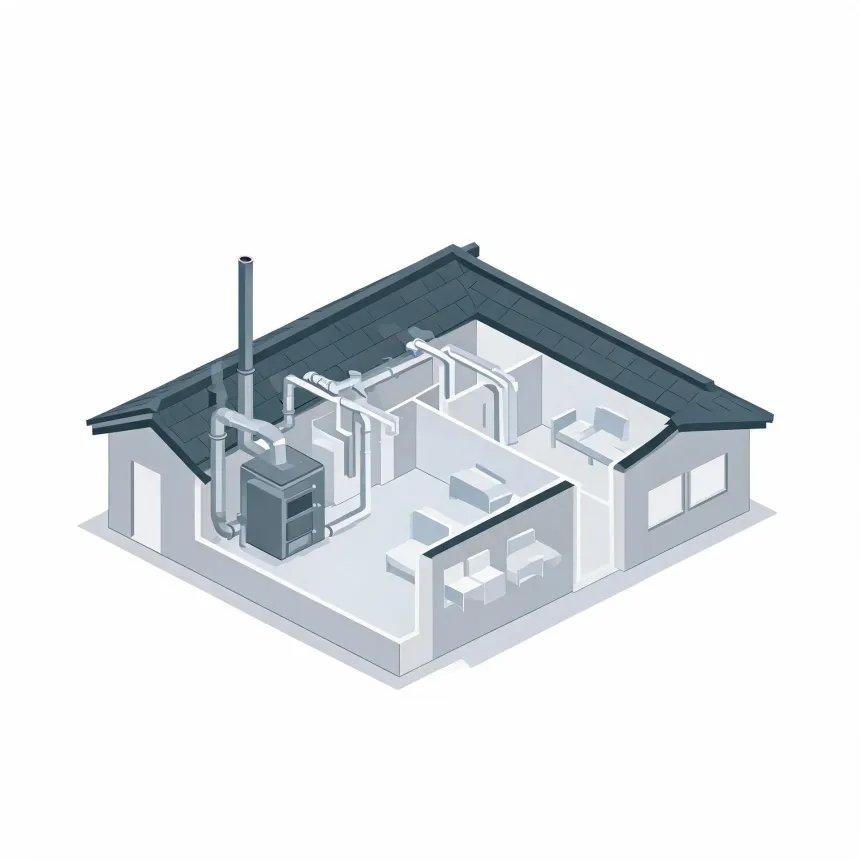
Isometric cutaway illustration of a single-story house showing interior rooms with a dark furnace unit, connected ductwork, a vertical flue pipe through the roof, and simple furniture, on a white background.
Your furnace works hardest from November through March.

NOAA nClimDiv, 1991–2020 normals

The furnace itself is only one line on the invoice.

Ductwork changes, venting, and the gas line hookup often decide the final number more than the unit does.

Gas heats 59.9% of homes here, so a gas furnace is the easy choice

59.9% of homes heat with gas
Climate zone 6B
Heat runs September through June

Valley County sits in climate zone 6B, which means cold winters and a lot of them. Any gas furnace going in has to clear 80 percent AFUE, the federal minimum for units built since late 2015. That floor moves to 95 percent in a few years, but it doesn't apply to what's sold today. So the furnace you're looking at now can legally sit anywhere from that 80 percent minimum on up, and the model you pick decides which end of that range you land on. Worth asking where it falls before you sign anything.

Get the furnace in before September

Heat runs here from September through June, so August is what you've got left. Put the new furnace in before the season starts and it gets set up on a normal schedule, with time to check ductwork and venting against the house rather than against the clock.

Find a contractor
A gas furnace with attached ductwork, gas piping, and condensate lines installed in a concrete-block basement.

Ten months a year, down to 6 below

Ten months of heat a year, and an overnight average of 6 below zero across December, January and February. This furnace does not get a break. It starts in September and it is still running in June, and on the coldest nights it holds near the top of its range for hours at a stretch. A furnace sized right for this house will take that load in stride, year after year. One that is slightly off, too big or too small for the space, will short cycle or run flat out all winter, and either way the wear shows up early.

Someone has to haul it out

The old furnace doesn't come out in pieces over a few days. It gets disconnected from the gas line, the ductwork, the vent and the power, then carried out whole or cut down on the spot. Whoever installs the new unit handles this as part of the job, and the space gets cleared before the new furnace goes in, not worked around.

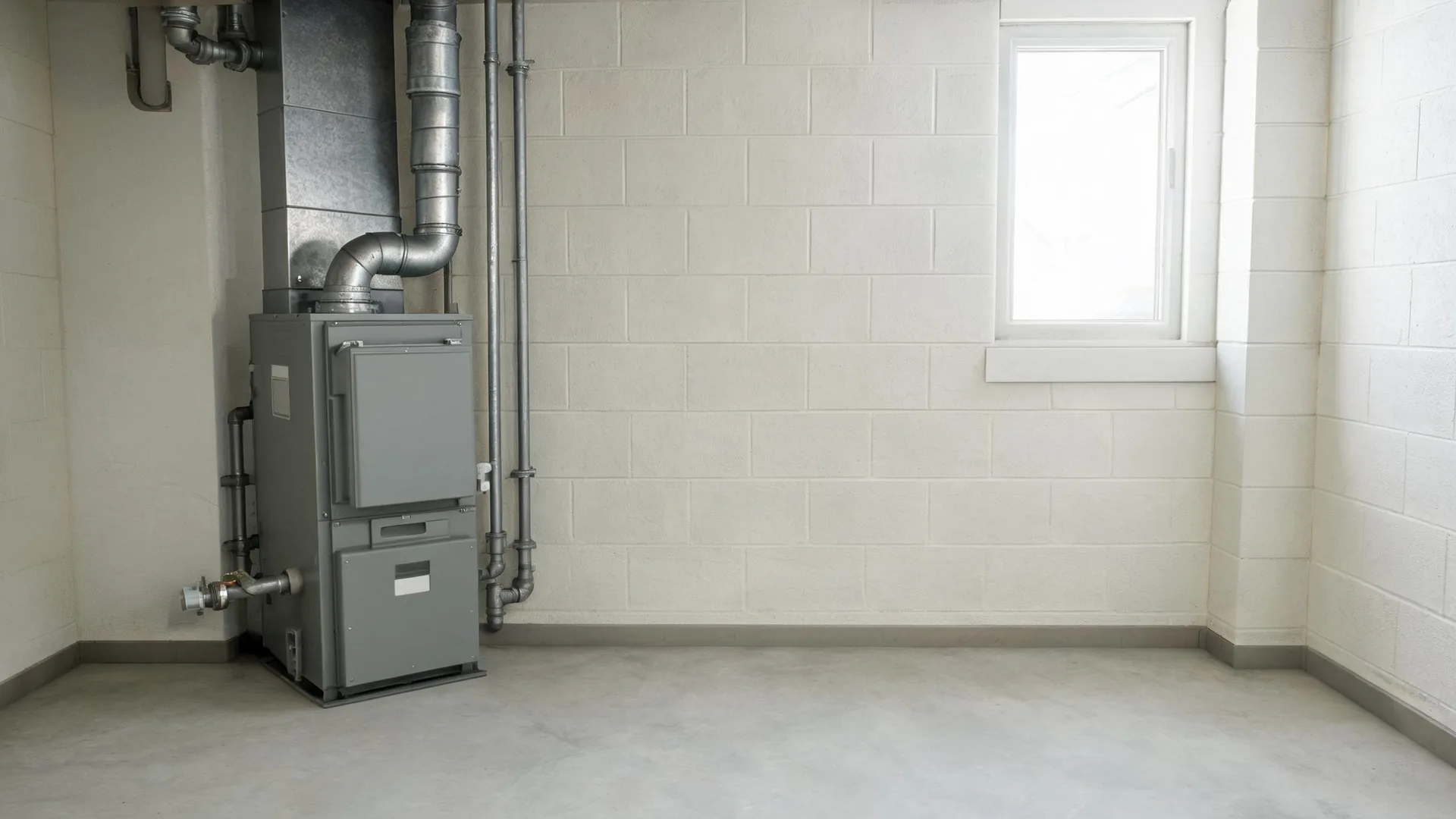
The refrigerant and gas lines get capped, not left open

A furnace that's been running on a gas line means that line has to be shut off and capped correctly once the unit is gone, not just left hanging. Same with any electrical connections feeding it. Leaving a line improperly sealed is a safety problem, not just loose ends, so this gets checked before anyone calls the job finished.

An unfinished concrete basement containing a gas furnace with sheet-metal ductwork, utility shelving, and exposed overhead joists.

A high-efficiency gas furnace would save about $80 a year to run in Valley County compared with a gas furnace.

  • A high-efficiency gas furnace$400 a year
  • A gas furnace$480 a year

Estimates for a typical Valley County home, from EIA household energy data, Montana fuel prices and NOAA climate normals. Your home will differ.

AFUE tells you how much of the fuel burning in that furnace turns into heat for the house, and how much goes out the flue. The higher the rating, the less heat gets thrown away unused. But a higher rating almost always means a different kind of furnace, not just a better-built version of the same one. The most efficient units condense the exhaust before it leaves the house, and that condensation has to go somewhere, so they need a drain and a plastic vent pipe instead of metal. That changes what the installer has to run and where it can go, so the rating on the label isn't just an efficiency number. It decides part of the installation itself. Worth knowing which kind you're looking at before you compare prices, since the rating alone won't tell you that.