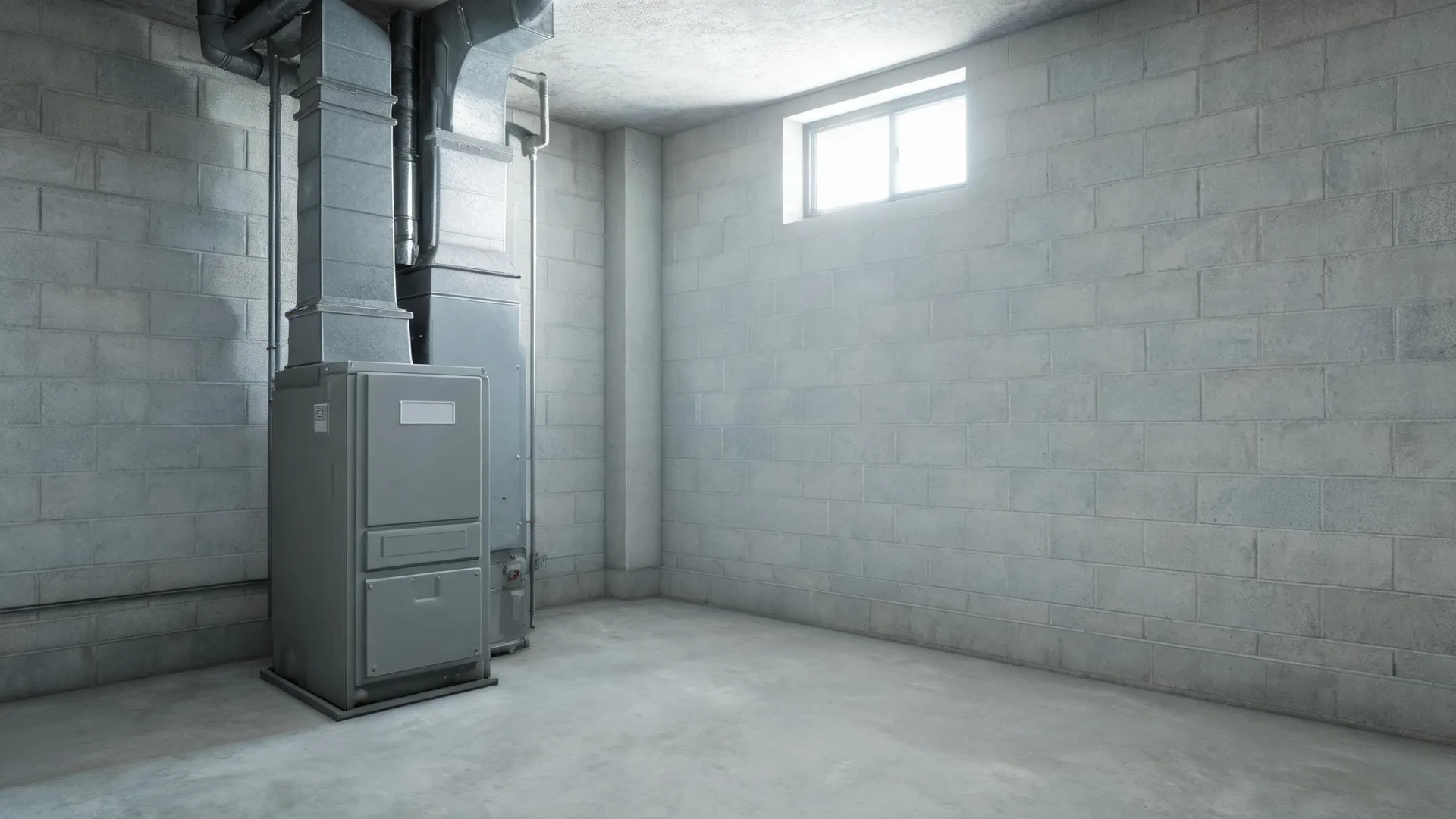
Gas is the common fuel here
Just over half of the homes in Fallon County heat with utility gas, and another 30 percent run on bottled or LP gas. Between the two, most houses around Baker already have a gas line or a tank set up for one.
Takes about a minute. No obligation.
Just over half of the homes in Fallon County heat with utility gas, and another 30 percent run on bottled or LP gas. Between the two, most houses around Baker already have a gas line or a tank set up for one.
If your old furnace burned gas, a new gas furnace usually drops into the same venting and gas line without much rework. That keeps the job simpler than switching fuels, and it's worth telling your contractor which one you have now.
NOAA nClimDiv, 1991–2020 normals
Half the homes in Fallon County were built in 1982 or earlier, half since.
A standard furnace size fits either one, so the age of your house doesn't call for special sizing.
Gas runs $7.77 per million Btu in Montana, and that price doesn't change based on the size or efficiency of the furnace you put in. A standard furnace burns it the same way whether it's rated a little higher or lower in efficiency, so there's no local cost reason to pay more for the top-tier model. Baker doesn't have anything about its homes or its winters that calls for oversizing either. A contractor sizing your furnace will go by your house, not by the county, and for most houses here that lands on a standard size. Spending more to go bigger or fancier than what your house needs won't buy you anything back on the gas bill.
Heat starts running in September here and keeps going through May. August is the last quiet month before that, and it's the easiest time to put in a new furnace. Get it done then and you pick the date. Wait until the first cold night and you're calling in whatever window a contractor has left.
Find a contractor
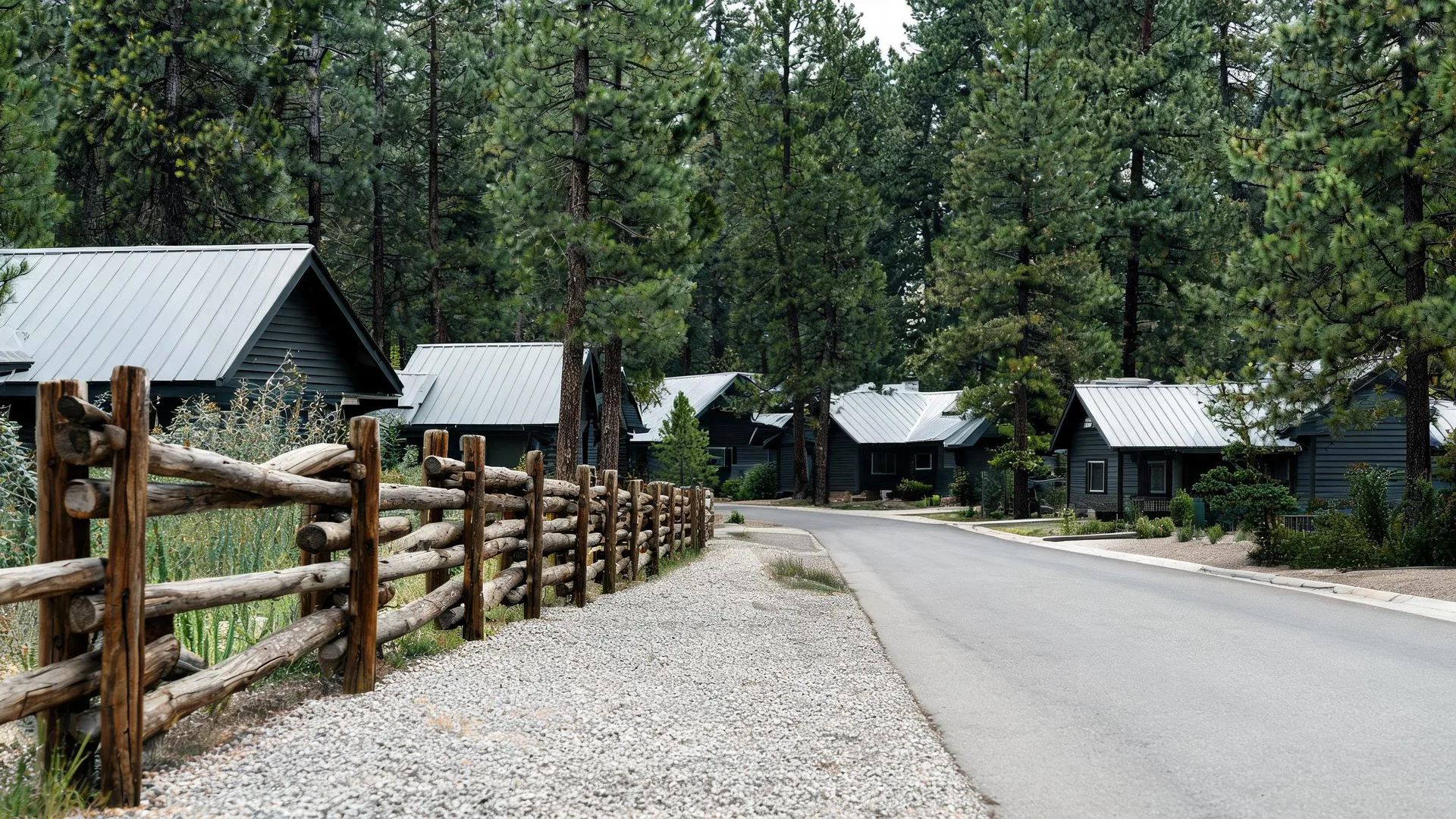
A furnace install is several trades stacked together. What the house already has decides how many of them you need. If the vent pipe, gas line and ductwork all fit the new unit, a crew pulls the old furnace, sets the new one, and hooks it back up. That's most of the cost right there, the labor and the unit. Where it climbs is when something upstream doesn't match anymore. An older duct system might be sized for a furnace that moved less air, and the new one needs a plenum or a return reworked so it breathes right. Venting is its own question. A high-efficiency furnace vents through PVC pipe out the side of the house instead of up a chimney, so switching to one can mean running new venting where there wasn't any before. None of that means the furnace or the install is bad. It just means this unit needs something the old one didn't, and that's why the same furnace can cost different amounts in different houses.
A contractor works out heat loss by going through the house. Square footage, window area, ceiling height, how many exterior walls each room has, all of it matters. The furnace already in there might have been sized wrong too, so matching it isn't the goal. The output has to match what the house actually loses on a cold night, no more and no less.
An oversized furnace heats the house fast, shuts off, then starts again a few minutes later. That short cycling wears the igniter and blower motor faster than a furnace that runs longer and steadier. It can also leave rooms far from the furnace underheated even though the one near it gets plenty, because the air never moves long enough to even out.
Estimates for a typical Fallon County home, from EIA household energy data, Montana fuel prices and NOAA climate normals. Your home will differ.
Installation day starts with the old furnace coming out, not the new one going in. A crew disconnects the gas line, the vent, the ductwork and the wiring, then physically removes the unit before anything new goes in its place. Only after that can they check the space against what the new furnace needs, since venting and clearances aren't always identical between an old unit and its replacement. Setting the new furnace, connecting the gas line, sealing the duct connections and wiring the thermostat make up the middle of the day. Near the end, a contractor runs the system through a full cycle, checks gas pressure, checks the flue draft, and tests that the furnace shuts off and restarts the way it should. That test matters more than it looks like from the outside. A furnace that fires once and seems fine can still have a draft problem or a pressure setting that only shows up once it's run a full cycle under real conditions.