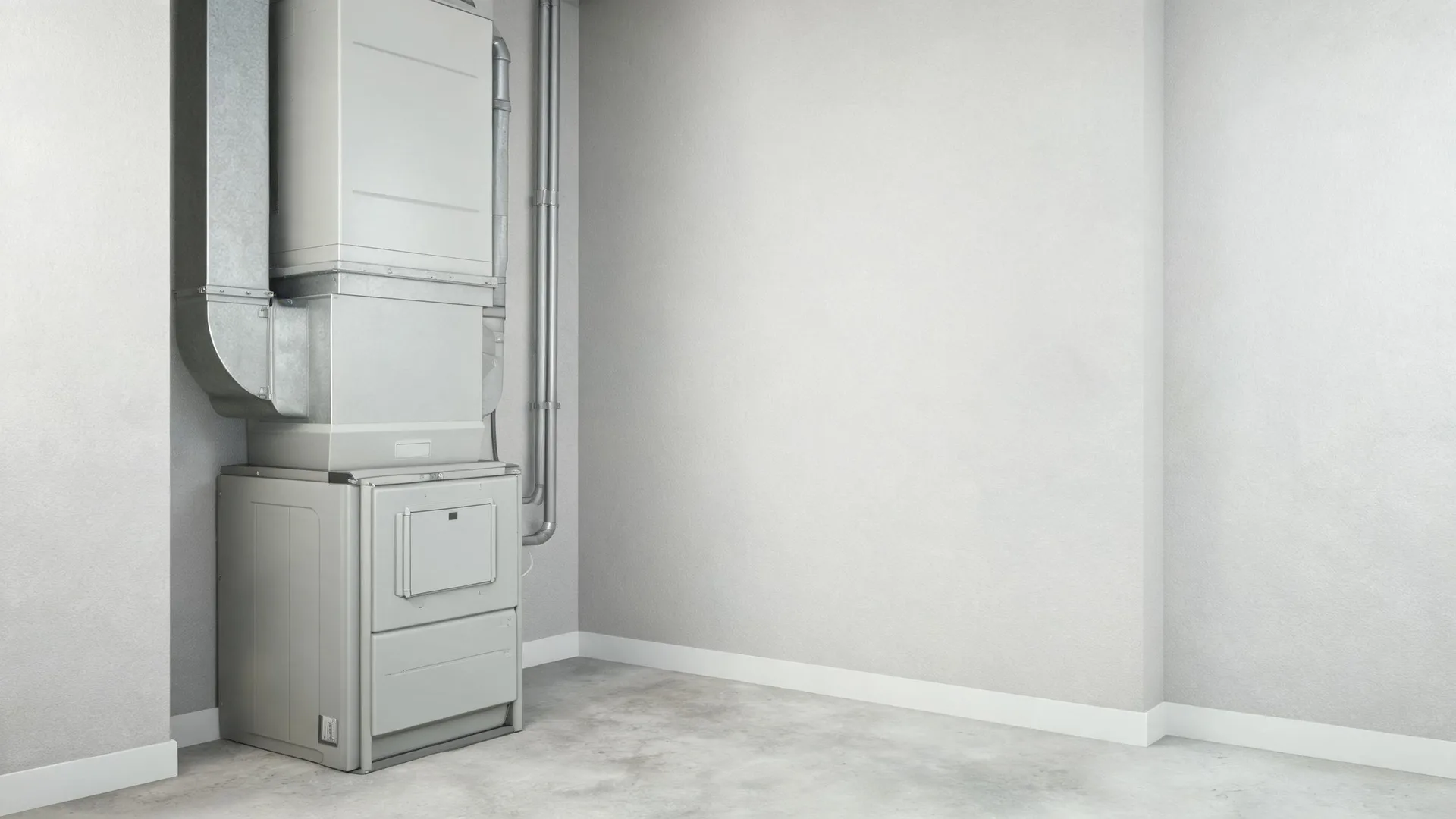
Gas costs more to burn here
Montana homes paid $7.77 per thousand cubic feet of natural gas in 2024. That's higher than a lot of the country pays. A furnace that wastes gas is wasting something that already costs more here than it does elsewhere.
Takes about a minute. No obligation.
Montana homes paid $7.77 per thousand cubic feet of natural gas in 2024. That's higher than a lot of the country pays. A furnace that wastes gas is wasting something that already costs more here than it does elsewhere.
Picking a furnace for this job means weighing its efficiency rating harder than you would somewhere with cheaper gas. The difference between two units shows up every month your furnace runs, not just on the install bill.
NOAA nClimDiv, 1991–2020 normals
Cascade County saw 222 severe weather events between 2015 and 2024, including 134 damaging wind events and 55 hail storms.
A furnace install here should account for an outage plan, since 18% of Montana households went at least a day without power in 2024.

Furnaces here run from September through June, about ten months of the year. That leaves a short window in summer to get a new one in before you need it. August is the last easy month. Wait until the first cold snap and you're choosing a furnace under pressure, from whatever's in stock, not what actually fits your house. Getting it done in August means it's sized right and running clean before the first morning you need it.
You're picking a furnace, so put its efficiency rating ahead of everything else on the spec sheet. Gas here runs $7.77 per thousand cubic feet, so the unit that burns less of it keeps paying you back after the installers leave.
Find a contractorSeptember through June, that's ten months of the year your furnace is doing real work. Most of the country gets by with a shorter stretch than that. The burner and the blower motor rack up hours a furnace somewhere milder never would, and more hours means parts get to the end of their life sooner. A furnace sized wrong for the house doesn't just waste gas, it has ten months to run that way instead of two or three. Get the size right at install and it spends those ten months doing the job, not straining to keep up or short-cycling because it's too big for the space.
Every furnace has an AFUE rating, the percentage of gas it actually turns into heat versus what goes out the flue. A contractor should give you this number for each model quoted, not just a brand name or a tier label like good-better-best. Two units can look the same on the outside and burn gas at very different rates.
Furnace size should come from a load calculation done on your house, the walls, the windows, the ceiling height, not a guess based on square footage or a match to whatever was there before. Ask what method they used and whether they walked through the house to do it. A contractor who can't explain how they landed on a size is guessing, and a guess tends to run too big, which costs you in short cycling and uneven heat long after install day.
Estimates for a typical Cascade County home, from EIA household energy data, Montana fuel prices and NOAA climate normals. Your home will differ.
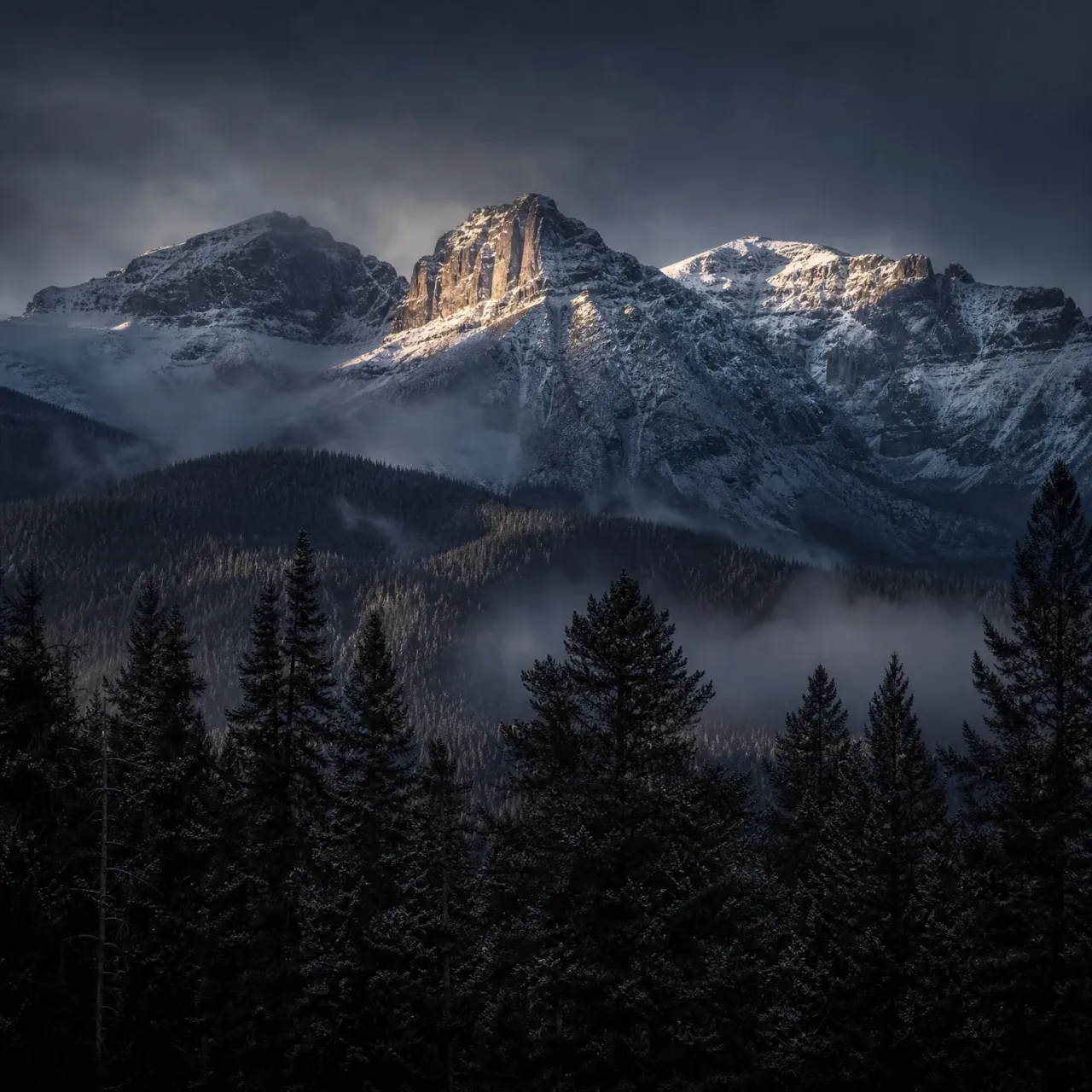
Installation starts with pulling the old furnace out, and that part goes fast. The slower work is everything around it: checking the vent pipe, the gas line, and the ductwork connections to make sure they're right for the new unit, not just reused because they were there. A mismatched vent or a duct that's too small for the new furnace's airflow will cause problems no matter how good the furnace itself is. Once it's set and connected, the installer runs it through a full cycle, checking gas pressure, checking the temperature rise across the heat exchanger, and watching how the blower responds. That startup check is what catches a wiring mistake or a bad connection before it turns into a service call later on. A furnace that gets fired up, tested, and left running clean before the installer leaves is one you won't be thinking about again for a long time.