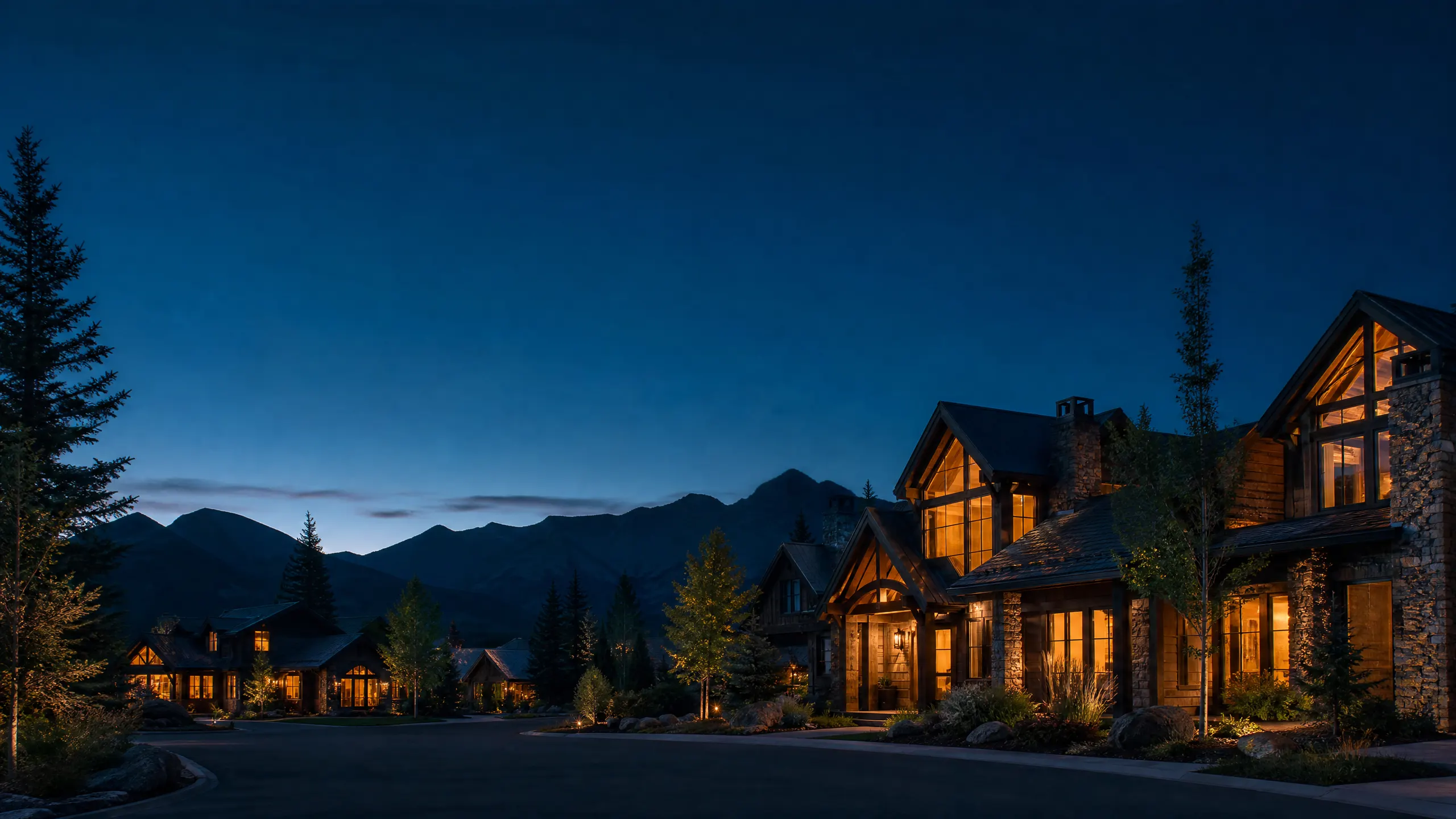


Illuminated stone-and-timber mountain homes line a quiet street at dusk, with evergreen trees and a mountain range in the background.

Furnace Installation in Thompson Falls, MT

Tell us about the job

Takes about a minute. No obligation.

New system or replacementFurnace or heatingSanders County, MT
Step 1 of 2

What ZIP code is the job in?

Taking out the old furnace is part of the job, not an extra step. The installer disconnects the gas line and caps it, pulls the electrical connections, and removes the flue or vent pipe along with the unit itself. If the cabinet was built into a tight closet or crawlspace, it may need to come apart in pieces to get out. Any old ductwork connections get checked too, since the new furnace has to tie into them cleanly. A reputable installer hauls the old unit away and disposes of it properly, so you're not left figuring out what to do with a dead furnace taking up space.

10 months
September through June, your furnace is on duty
20°F
the average winter night it heats against
80% AFUE
the federal minimum any new unit must meet
Isometric cutaway illustration of a single-story house with a dark shingled roof, showing interior rooms with furniture and a furnace connected to ductwork and a flue pipe extending above the roof.
Your furnace works hardest from October through April.

NOAA nClimDiv, 1991–2020 normals

Sanders County logged 128 winter storms and 60 damaging wind events in the last decade.

The vent pipe and any outdoor components need a spot clear of snow load and wind-driven debris.

Ten months of heat ahead, with September closing in fast

Heat runs September through June
Winter nights average 20°F
128 winter storms from 2015 to 2024

Where the installer runs the vent pipe matters more here than in most places. It needs to clear the snow line, not just what's on the ground today but what months of accumulation can pile up against a wall. A spot on the lee side of the house holds up better than one facing open ground, where wind-driven snow and debris pile up against anything in their path. If the furnace is a high-efficiency model with a PVC intake and exhaust running out a sidewall, those terminations sit low and close to grade, so they need the same thought. Ask the installer to walk the route with you before the work starts, not after.

Replacing a gas furnace here is the simple path

Wood heats more homes in Sanders County than any other fuel, and gas furnaces come in second. If gas or propane is already running to your house, matching what's there is the straightforward path, and the installer can tell you quickly whether your venting and gas line are ready for a new unit or need work first.

Find a contractor
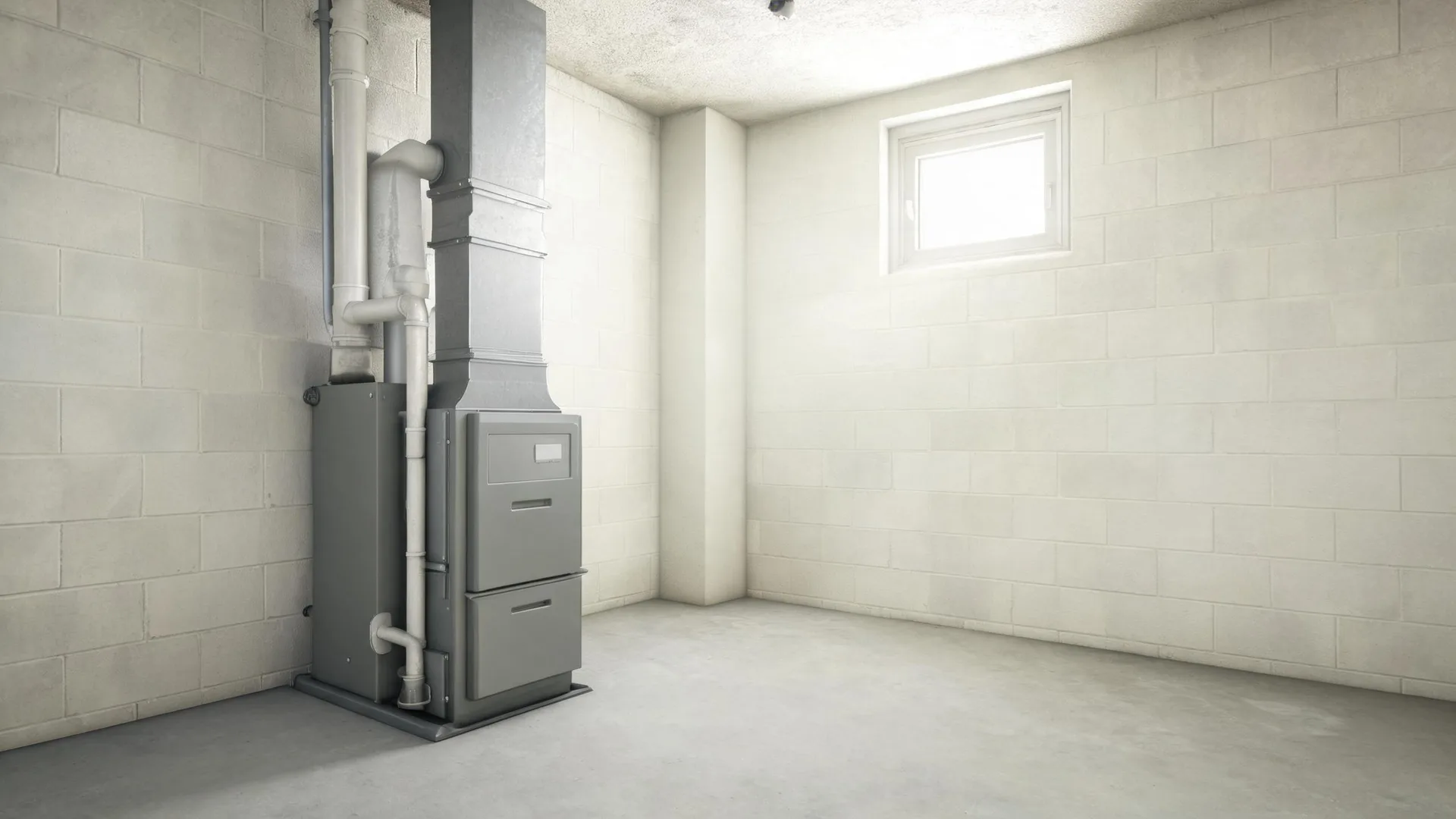
A gray high-efficiency gas furnace installed in an unfinished basement, surrounded by gas lines, a condensate drain, and sheet-metal ductwork.

Ten months of heat a year, and only June and summer off

Ten months of heat a year, September through June, means this furnace is cycling most days it's in the house. The overnight low in December, January and February averages 20 degrees, so when it runs, it's working against real cold, not just topping off a mild day. A unit sized wrong for the house feels that fast, short cycling if it's too big, falling behind if it's too small. Get the load calculation right at install, and expect the igniter and the blower motor to show wear sooner here than they would somewhere with a shorter season.

Sizing comes from a load calculation, not the old furnace's rating

A contractor works out the right size by measuring the house itself. Square footage, window area, insulation levels, ceiling height, how much air leaks in and out all factor in. The furnace coming out may have been wrong from day one, so matching its output just repeats whatever mistake is already built in. The only way to know the real number is to run the calculation on the house as it stands now.
Oversized and undersized both wear a furnace out early

A furnace that's too big heats the house fast, shuts off, and starts again a few minutes later. That short cycling puts far more wear on the igniter and blower motor than long, steady runs do. The house ends up with warm and cold spots too, since the air never circulates long enough to even out. A furnace that's too small just runs and runs, straining to keep up and losing ground on the coldest days. Either way, the mismatch shows up as shorter equipment life, not just a comfort problem.

The rating on a furnace label tells you how much of the fuel it burns turns into heat in the house, versus how much goes out the flue. A higher rating means less of what you're paying for leaves through the vent pipe. It's not a measure of how warm the house gets or how fast, and it doesn't account for duct leaks or a house that loses heat fast. Furnaces with the same rating can still perform differently once they're tied into the ductwork and sized for the house. The rating also tracks with how the furnace is built. Higher-rated units often condense the exhaust, which means a second heat exchanger and a drain line for the condensate, not just a better burner. That changes what the install involves and what maintenance looks for down the road, since a condensing furnace has a drain that can clog and a PVC vent instead of metal.

Install day starts with the old furnace gone and the space open, so the crew can see what they're actually working with before the new one goes in. The new furnace gets set and leveled, then the ductwork ties in, the gas line connects, and the flue or vent pipe gets run and sealed. Electrical comes next, low voltage for the thermostat wiring and a dedicated circuit for the blower. Once it's all connected, the installer fires it up and checks the gas pressure, since a furnace running too rich or too lean wastes fuel and wears out faster either way. Airflow gets checked at the vents, and the thermostat gets programmed and tested through a full cycle before anyone calls it done. A gas leak check happens before the crew leaves, not as an afterthought.