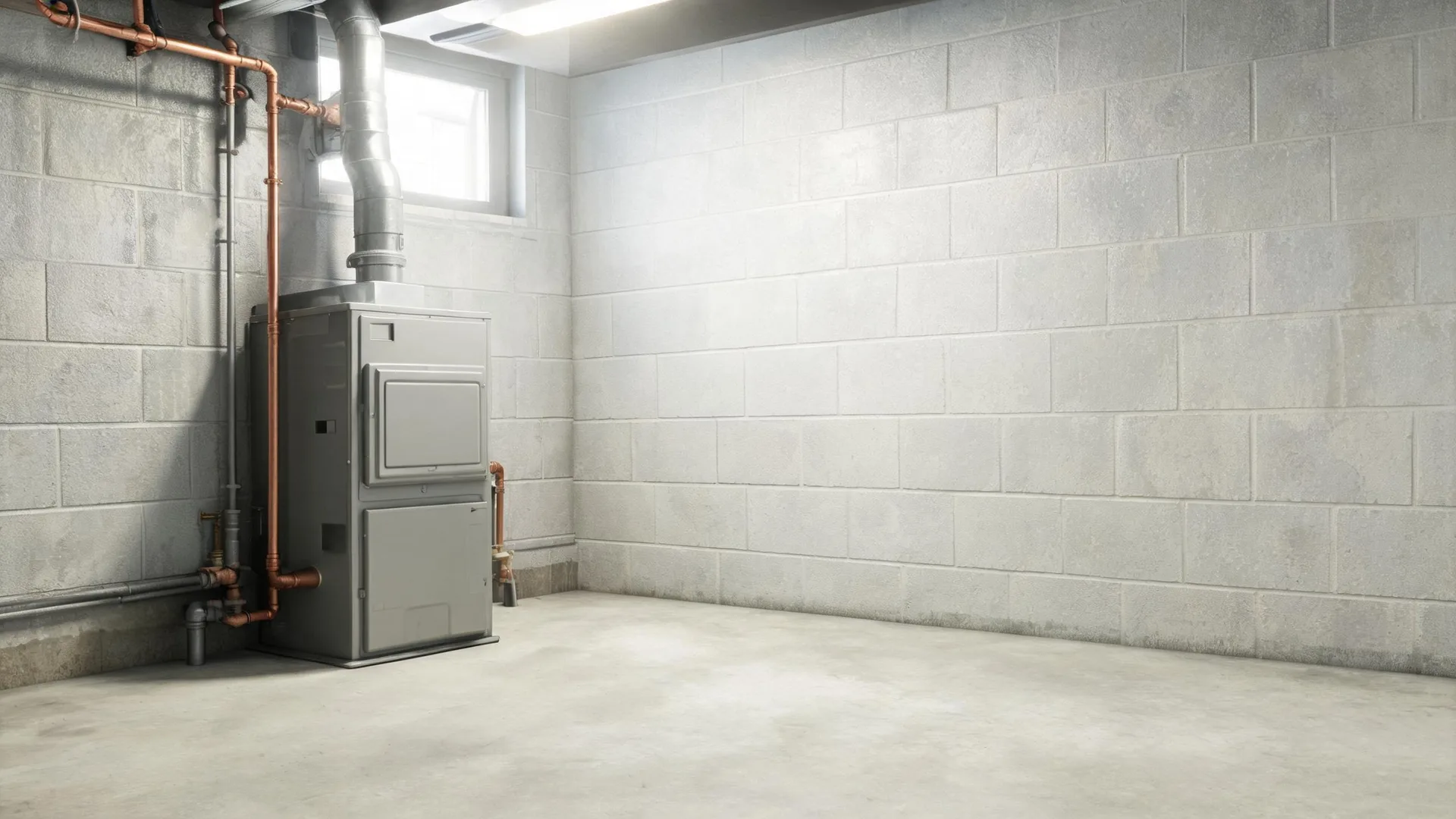
Gas here isn't cheap
Montana homes paid $7.77 per million Btu for natural gas in 2024. A furnace that wastes heat burns through that at a higher rate, winter after winter.
Takes about a minute. No obligation.
Montana homes paid $7.77 per million Btu for natural gas in 2024. A furnace that wastes heat burns through that at a higher rate, winter after winter.
Two furnaces can heat the same house and cost different amounts to run. The difference shows up on the gas bill every month this furnace is on, not just once at installation.
NOAA nClimDiv, 1991–2020 normals
Furnaces in Missoula County start running in September.
Get yours installed in August and it's ready before the first cold night, not after.
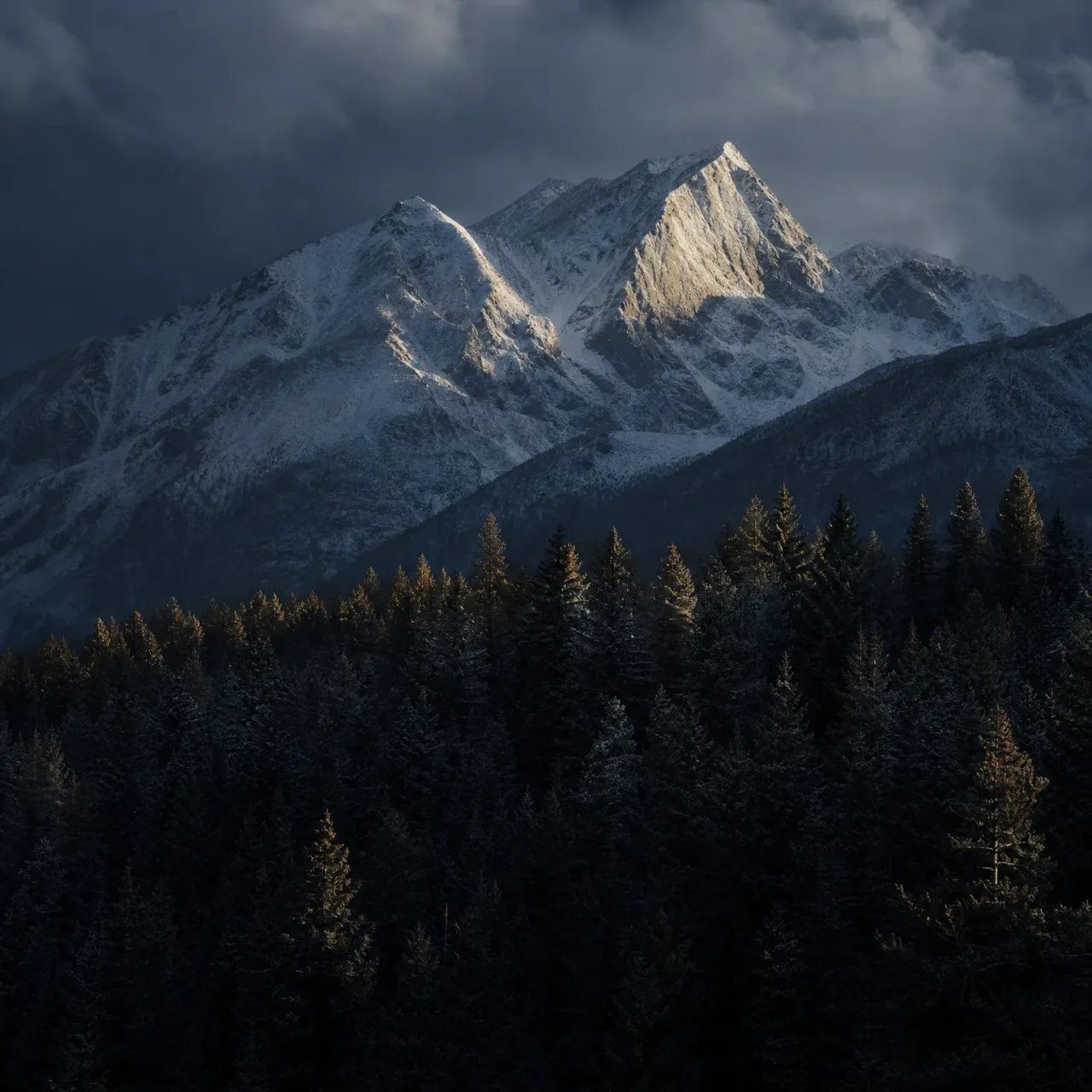
Missoula County falls under zone 6B, a cold, dry climate zone under the 2021 energy code. Any furnace installed here has to meet that standard. The federal minimum is 80 percent efficiency for furnaces built from November 2015 on. That floor rises to 95 percent for furnaces built from December 2028 on. A furnace at the old minimum and one at the new minimum are both legal to install, but they don't burn gas the same way through a Missoula winter.
Montana gas runs $7.77 per million Btu, and this furnace will burn it every winter for years. The efficiency rating you choose now is the rate you're locked into. Get that decision right at installation and it keeps paying off on every bill after.
Find a contractor
Sizing a furnace comes down to matching output to heat loss, the rate a house sheds heat through its walls, windows and roof on a cold day. That number comes from a load calculation, not a guess based on the old unit or the square footage on a listing. A contractor measures insulation levels, window type and count, ceiling height, and how the ductwork branches through the house, then works out how many Btu per hour the house actually loses when it's cold out. An oversized furnace reaches temperature fast and shuts off, then kicks on again a few minutes later. That short cycling wears the ignition system and the blower motor harder than steady runs would, and it leaves rooms farther from the furnace never quite catching up before the burner cuts out. An undersized furnace has the opposite problem. It runs and runs on the coldest days and still loses ground, because it was never built to cover that load. Somewhere between those two is the right output, sized to the house as it actually is, not as a formula assumes it to be.
Every furnace has an AFUE rating printed on the EnergyGuide label, and that number is what tells you how much of the gas actually turns into heat versus going out the flue. 'High efficiency' is a sales phrase. The label isn't. Ask the contractor to show it to you and explain what model is actually being quoted, not just a tier name.
A furnace sized by square footage alone is a guess. The right way is a load calculation that accounts for insulation, windows, ceiling height and how the ductwork is laid out. Too big and the furnace short cycles, heating fast and shutting off before it evens out the house. Too small and it runs constantly and still can't keep up on the coldest nights. Ask to see the calculation, not just the recommendation.
Estimates for a typical Missoula County home, from EIA household energy data, Montana fuel prices and NOAA climate normals. Your home will differ.
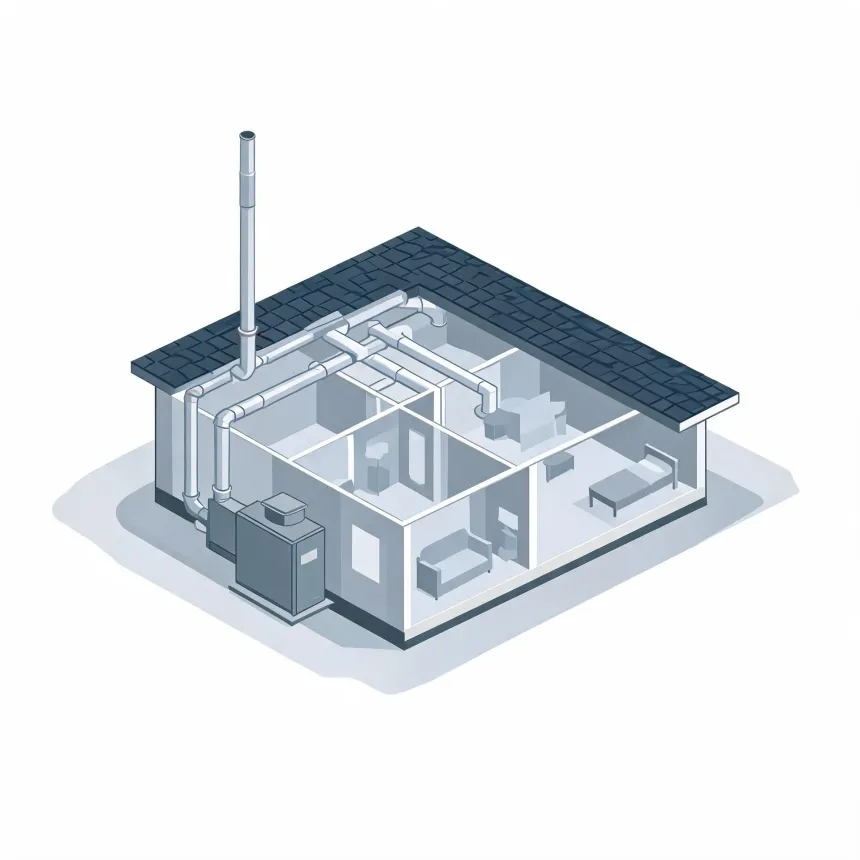
The old furnace comes out first, and whoever is doing the work should look at the ductwork before the new one goes anywhere near the house. A new furnace hooked to leaky or undersized ducts will not heat the way its rating says it should, no matter how good the unit is. The gas line gets checked for the right fitting and pressure. The vent or flue gets matched to the new furnace, since a more efficient unit often drafts differently than the one it replaces, and the old venting is not always right for it. Once the furnace is set and connected, it gets run through a cycle so the technician can check temperature rise, airflow at the registers, and a safe draw at the flue. Commissioning comes last: gas pressure set, ignition checked, thermostat talking to the system the way it should. None of that shows up on a spec sheet, but it decides whether the furnace runs the way it is supposed to once winter leans on it.